Matox News

Truth Over Trends, always!

María Corina Machado Lands in Oslo After Nobel Peace Prize Victory

The recent appearance of Venezuelan opposition leader María Corina Machado in Oslo, Norway, following her Nobel Peace Prize award, marks a critical juncture in the persistent struggle for democracy versus dictatorship in Venezuela. Having gone into hiding amid ongoing political turmoil, Machado’s covert journey and public show of support from her supporters outside the Grand Hotel symbolize a resilient opposition defying both domestic repression and international indifference. Awarded for her relentless pursuit of a “just and peaceful transition,” her recognition by the Nobel Institute underscores the global spotlight on Venezuela’s fractured political landscape, which continues to define geopolitical tensions across the Americas.

Her historic public appearance coincides with mounting tensions involving the United States, which recently announced the seizure of an oil tanker off the coast of Venezuela. The US administration claims the vessel was engaged in illicit oil shipping supporting “foreign terrorist organizations,” prompting accusations of theft and piracy from the Venezuelan government. This escalation is emblematic of broader geopolitical struggles in the region, where the US seeks to exert pressure on Venezuela’s socialist regime. As Washington’s rhetoric intensifies, analysts warn that such actions threaten to ignite a broader conflict, potentially destabilizing an already fragile region. Experts from international organizations and historical scholars warn that these maneuvers could provoke a new chapter of conflict, with unpredictable consequences for both nations and societies alike.

The global impact of these developments is profound. The US’s aggressive stance coupled with Venezuela’s defiant response illustrates a geopolitical impasse, where the ideals of democracy clash with the interests of regional dominance. Amid the political upheaval, the international community’s role has been scrutinized, with critics alleging that external intervention risks exacerbating internal divisions. As Machado convalesces publicly and receives international recognition, the battle for regional influence extends beyond the streets of Caracas to Washington’s corridors of power. According to a report by the International Crisis Group, such confrontations threaten to deepen socio-economic devastation and could set a dangerous precedent for other authoritarian regimes under international pressure.

In this unfolding narrative of international power struggles, the true weight of history remains unresolved. The moment encapsulates a broader question: will the global community choose to mediate with diplomacy or escalate to conflict? As Machado’s supporters cheer and look to a future of possible change, and as U.S. military actions threaten to deepen the crisis, the world gazes upon a pivotal crossroads, where the decisions made today could echo through generations. History’s pen is poised, waiting to write the next chapter in the ongoing saga of liberty, sovereignty, and international power—an enduring testament to the inescapable reality that every choice shapes the future of nations and their people.

Netflix secures victory in Warner Bros. bidding war—tech giants shake up the entertainment game

Netflix’s Strategic Push into Hollywood: A Paradigm Shift in Content and Business Models

In a move that could redefine the entertainment landscape, Netflix is reportedly considering acquiring Warner Bros. and its associated assets, including HBO Max. While the deal faces imminent regulatory hurdles, notably opposition from the Department of Justice, industry insiders suggest that if approved, this acquisition could trigger a seismic shift in how streaming giants operate within traditional Hollywood frameworks. Such an integration would place Netflix at the helm of one of the oldest and most influential film studios, fundamentally altering existing distribution, production, and theatrical paradigms.

From an innovation perspective, this move signals a disruption of the conventional content supply chain. Historically, Netflix has prioritized digital-first distribution, avoiding involvement in theatrical releases and traditional studio operations. The potential transition into studio management would allow Netflix to leverage its data-driven approach to content creation while integrating theatrical releases into its ecosystem. This strategic positioning could enable the company to compete directly with legacy studios by controlling more of the content lifecycle—from production to consumer. Such vertical integration aligns with industry trend forecasts from Gartner and MIT, which emphasize the importance of disruptive consolidation as a way to leverage big data and cutting-edge AI for content optimization and personalized marketing.

The implications for the broader industry are profound. A successful acquisition not only disrupts the traditional Hollywood power balance but could accelerate the consolidation of media assets across emerging digital platforms, forcing competitors to adapt or face obsolescence. Analysts like Peter Thiel have long argued that such disruptive business models fuel innovation by creating new avenues for revenue and consumer engagement. If Netflix can integrate large-scale theatrical content, it may gather a significant competitive advantage—offering consumers a seamless experience that combines the best of traditional cinema and digital streaming, accelerating the metamorphosis of the entertainment industry.

Business Implications and Future Outlook

The potential acquisition underscores how disruption in the tech and entertainment sectors is accelerating, with major players seeking to reinvent their roles within the evolving ecosystem. While regulator concerns and antitrust scrutiny are significant hurdles, industry insiders suggest that the strategic value of owning a legacy studio—combining creative control with data-driven insights—could outweigh regulatory obstacles in the long term. This move may also set a precedent for vertical integration, inspiring other tech giants, such as Apple and Amazon, to pursue acquisitions that further blur the lines between content creation and distribution.

Looking ahead, the industry faces an imperative to innovate rapidly in response to consumer demand for high-quality, multi-platform content. Executives, investors, and creators must recognize that disruption is now a strategic necessity. As Netflix potentially steps into a new role as a Hollywood studio powerhouse, the entire media landscape remains on the cusp of profound transformation—one that demands agility, strategic foresight, and an unwavering commitment to pushing the boundaries of entertainment technology. The future belongs to those who can harness the power of innovation amidst regulatory challenges, seizing opportunities to reshape cultural consumption in ways previously thought impossible.

Young Stars Shine as Up-and-Coming Teams Battle for Victory in Thrilling Weekend Matches

Key NCAA Matchups Highlight the Path to Playoffs

This past weekend featured a thrilling Big Ten showdown as playoff hopefuls clashed in a high-stakes game that echoed with implications across college football. The Ohio State Buckeyes faced off against the Penn State Nittany Lions in a contest that showcased both teams’ championship aspirations. With both squads showcasing strong defensive strategies, it was evident that every yard gained was a battle won on the gridiron.

The game reached a turning point when the Buckeyes scored a pivotal touchdown in the fourth quarter, effectively sealing their victory at 24-20. Commentator and former player, Lee Corso, noted, “That was a defining moment for Ohio State, proving they can perform under pressure.” With this win, Ohio State stays in the hunt for the College Football Playoff, while Penn State will need to regroup to salvage their season.

ACC Playoff Picture Clarified

In the ACC, the stakes were equally high as the Clemson Tigers took on the North Carolina Tar Heels. This matchup served as a potential tie-breaker for the playoffs, with both teams looking to solidify their standing. The game unfolded dramatically, with a back-and-forth scoreline that kept fans on the edge of their seats. Ultimately, the Tigers emerged victorious, thanks to a game-winning field goal in the dying seconds, ending the contest at 30-27. As head coach Dabo Swinney remarked after the game, “This is what college football is all about—heart and determination.”

Key Takeaways

  • Ohio State’s defense held strong against Penn State’s offense, demonstrating significant growth in their gameplay.
  • Pivotal touchdowns by the Tigers in the final moments emphasized their resilience.
  • The playoff race is tightening, with both Ohio State and Clemson establishing themselves as formidable competitors.

As the college football season unfolds, these electrifying matchups remind fans why they adore the sport—beyond the statistics and rankings, it is the spirit of competition, the thrill of victory, and the bonds formed in the pursuit of greatness that truly unite us. Regardless of team allegiances, every game serves as a celebration of athletic excellence and community spirit, elevating college football as a true fabric of American culture.

Source link

Young Stars Shine as Team Seizes Victory in Thrilling Comeback Match!

Emerging Stars: Early Season Insights in the NBA

As the NBA season unfolds, national analysts Zach Kram and Kevin Pelton have taken to the airwaves to dissect the impact of young talents such as Victor Wembanyama, Austin Reaves, and Cooper Flagg. These athletes are not just names to watch; they represent the future of basketball and ignite passionate debates among fans and experts alike.

In their recent discussion, Kram and Pelton highlighted the immense pressure on Wembanyama, the first overall pick in this year’s draft. They noted that his performance so far has exceeded expectations, with his ability to stretch the floor and dominate defensively. Pelton emphasized, “His versatility allows the Spurs to adapt their style of play dramatically. He’s not just a traditional big man, but a modern game-changer.” With stats like averaging nearly 20 points, 10 rebounds, and 3 blocks per game, Wembanyama is proving to be a cornerstone for the San Antonio Spurs.

Meanwhile, Austin Reaves has captivated audiences with his scoring prowess for the Los Angeles Lakers. Kram remarked on Reaves’ “natural ability to create plays,” pointing to his increasing role within the team dynamics. His ability to shoot from beyond the arc, coupled with his playmaking skills, has made Reaves an essential asset, especially in close games where every possession counts. Reaves is averaging over 18 points and 5 assists, showcasing his growth in such a competitive landscape.

As discussions unfold around rising star Cooper Flagg, there’s an undeniable buzz surrounding the high school phenom, who has already been linked to college powerhouses. Analysts are eager to see how his talents translate to higher levels of competition, with Pelton stating, “His court vision and scoring touch are remarkable, and if he continues on this trajectory, he could redefine what a guard can be.”

As the NBA season continues, the significant narratives surrounding these young athletes serve not just as statistics on a scoreboard but as a reminder of basketball’s potential to unite communities. With every highlight reel and nail-biting finish, the sport transcends the game itself; it weaves together stories of determination, talent, and the collective experience of fans who believe in the power of teamwork. Sports are not merely about winning or losing; they are about the shared journey of players and fans alike, embodying the spirit of hope and resilience found in every season.

Source link

Zohran Mamdani Closes Gap to Claim NYC Mayoral Victory

New York City’s New Mayor Reflects Shifting Geopolitical and Societal Tensions

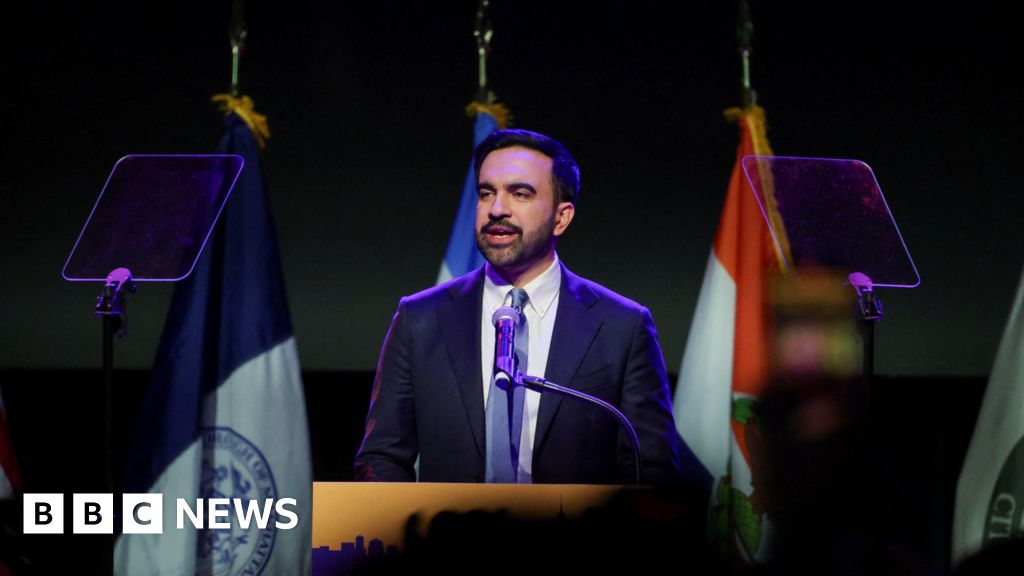
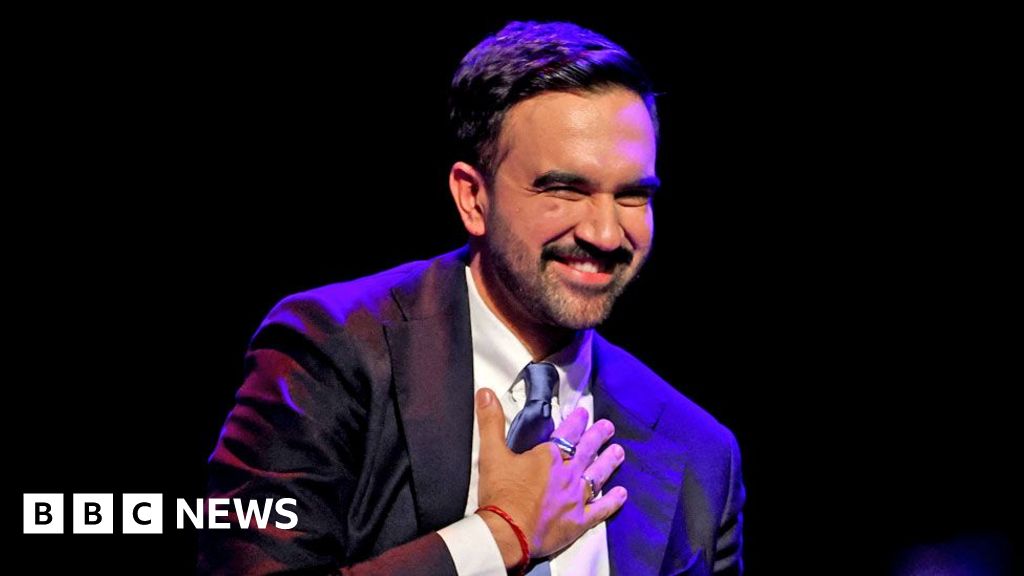
In a landmark victory that resonates far beyond the borders of the United States, Zohran Mamdani has been elected mayor of New York City. At just 34, Mamdani’s ascendancy marks a profound turning point: the emergence of a youthful, progressive leader anticipated to challenge the city’s political elite and redefine its social agenda. His victory signifies more than local politics; it heralds a nuanced shift in the geopolitical landscape, indicating a possible recalibration of American urban centers towards a more radical leftist future amid an escalating global ideological rivalry.

Throughout his campaign, Mamdani explicitly centered his platform on affordability, social programs, and taxing the wealthy—stances that align with broader left-leaning currents pulsating through many Western democracies. Despite limited initial recognition, online momentum propelled him to triumph over seasoned contender Andrew Cuomo, a move seen as a symbolic overthrow of entrenched political dynasties. Global analysts and historians view this as part of a larger pattern where urban centers are increasingly reflecting youthful discontent with traditional elites, prompting a reevaluation of governance models that could influence international political dynamics. In particular, Mamdani’s position as the first South Asian and Muslim mayor of New York underscores a message of diversity, but also raises questions about his capacity to manage a city with over $100 billion in annual budget. Critics warn that such ambitions could intensify existing ideological clashes, especially amid rising tensions with the federal government under President Donald Trump.

It is impossible to overlook the international geopolitical implications of this U.S. citywide shift. Donald Trump has openly attacked Mamdani, branding him a communist and threatening to withhold federal funds—an indication of how internal American politics now spill over into global discourses of governance and ideology. Republican critiques frame Mamdani’s victory as evidence of a “radical, big-government socialist” trend, echoing concerns prevalent in conservative circles across Europe and Oceania. Meanwhile, the Democratic establishment faces a dilemma: are they supportive of fresh, youth-driven leadership that echoes broader societal demands, or are they retreating into a cautious posture that risks alienating younger voters? The repercussions of this internal struggle extend beyond city limits, as international organizations and think tanks analyze whether these shifts presage a new epoch of American political identity—one that could ripple outwards, strengthening ideological alliances, or provoking backlash from conservative allies.

Other Key Elections and the Battle for Control

  • The Virginia and New Jersey gubernatorial races underscored a trend of modest victories for centrist Democrats, suggesting an undercurrent of desire for pragmatic leadership amid the ideological turbulence.
  • In California, voters approved a groundbreaking measure—Prop 50—to redraw electoral boundaries favoring Democrats, a strategic move aimed at consolidating influence ahead of the 2024 midterms. Such redistricting battles underscore how internal US contests are becoming increasingly pivotal for geopolitical influence and the future shape of parliamentarian power.

This electoral wave, especially Mamdani’s triumph, signals that the battle for America’s urban centers is more than about city policies; it is about the soul of a nation caught between tradition and upheaval. Critics worry that the newfound progressive surge portends a fundamental ideological shift—one that could polarize, destabilize, or even reshape the global balance of power. As historians and policy analysts observe these turbulent times, the message is clear: history is still being written, and the legacy of tomorrow depends on the choices made in these formative moments.

Zohran Mamdani Secures Major Victory for the Future

Global Power Shifts: The Dawn of a New Geopolitical Era

In recent weeks, the geopolitical landscape has undergone a series of dramatic shifts that are echoing through the corridors of power across North America. The election of Zohran Mamdani as the youngest mayor of New York City, representing a new wave of progressive, multicultural leadership, exemplifies how societal change is intertwined with global trends. Mamdani’s victory, achieved against the odds with minimal institutional backing, signals a broader appetite among the youth and marginalized communities for leadership rooted in social justice, economic reform, and a willingness to challenge entrenched power structures. The implications extend beyond municipal borders, raising questions about the evolving political paradigm in the United States and its ripple effects on international diplomacy and alliances.

Analysts and international organizations are warning that such electoral shifts reflect a larger global phenomenon where traditional center-left parties face internal pressures, often due to rapid demographic changes and the rising influence of socialist-influenced policies. The United States, long regarded as a bastion of free-market capitalism and military power, is witnessing internal debates over issues like taxation, public welfare, and foreign policy — debates that are now entangled with identity politics and social justice. Mamdani’s outspoken condemnation of Israel’s conduct during the Gaza war, and his pledge to arrest Prime Minister Benjamin Netanyahu should he visit New York, underscore how domestic politics are increasingly shaping international relations. His stance risks being a flashpoint, stirring tensions within the city’s diverse communities and beyond, potentially complicating diplomatic ties with Israel and allied nations.

Meanwhile, Europe and Asia are observing these shifts with keen interest. The global community’s attention is focused on how fresh leadership in key cities and states influences broader geopolitical strategies. As historians and experts have observed, moments of political upheaval often serve as precursors to larger transformation — whether through electoral realignments or policy shifts. In Russia and China, authoritarian regimes watch with trepidation, knowing that the success or failure of these new liberal experiments could ignite similar movements further east or west. The turning point appears to be upon us, where the ‘rules’ of international politics are being rewritten in real-time, with every election, every policy decision, acting as a stroke on the vast canvas of history.

As Mamdani prepares for his inauguration, the challenges ahead are stark. His campaign, promising reform and radical change, clashes with existing power centers such as Wall Street and the city’s traditional political elite. The looming confrontation over taxes, public funding, and urban development signals that the battles for influence and policy dominance are far from over. Meanwhile, the American electorate remains divided, with rising conservative voices led by Donald Trump, eager to frame the new leadership as a threat to the nation’s stability. The ensuing conflict will shape the next chapter of American history, perhaps determining whether the nation continues its drift into a more progressive future or retrenches into familiar patterns of resistance and nationalism.

In the end, the ongoing saga of political change is not just about elections and policies; it is about the unfolding story of nations and their societies in the face of relentless global currents. The days ahead will test the resilience of this new leadership and reveal whether modern movements can carve their place in history or be consumed by the machinery of entrenched interests. The world watches as history continues to unfold—a terrifying yet hopeful reminder that, even in chaos, the seeds of change are sown, waiting for the right moments to blossom into something unprecedented. The future remains unwritten, but the legacy of these pivotal moments will forever shape the course of human destiny.

Samia Suluhu Hassan secures 98% victory amid national unrest

Election Controversy and Political Stability in Tanzania

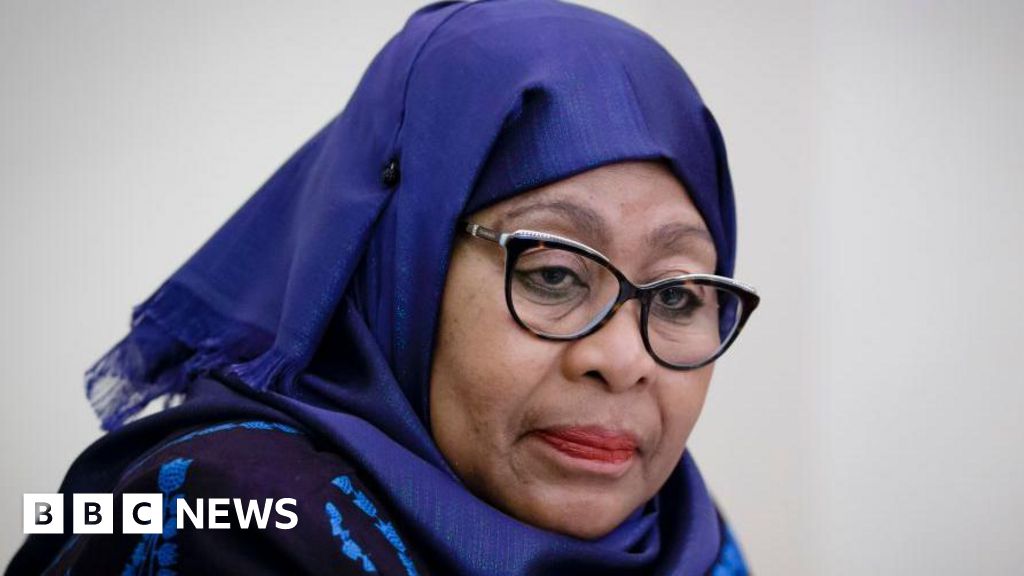
In a decisive yet turbulent moment for East Africa, President Samia Suluhu Hassan has been officially declared the winner of Tanzania’s recent presidential election. According to the electoral commission, she secured an overwhelming 98% of the votes cast in a process marred by unrest and claims of widespread fraud. This victory cements her position in a country that, since independence, has been a haven of stability under the dominance of the Chama Cha Mapinduzi (CCM) party, which has never lost power in post-colonial history. However, beneath the veneer of electoral success lies a nation teetering on the brink of political and social upheaval, with reports of violence, deaths, and suppressed dissent raising concerns about Tanzania’s sovereignty and future trajectory.

Internal Struggles Reflect Broader Regional Tensions

Analyzing the domestic turmoil, international observers and analysts have raised alarm over credible reports of hundreds of casualties amid ongoing protests. While the government attributes the violence to “isolated incidents”, opposition leaders and diplomatic sources estimate that fatalities could be as high as 700. This level of violence signals a fundamental challenge to democratic legitimacy in Tanzania, which has experienced recurrent repression of opposition figures—most notably the detention of key challenger Tundu Lissu. Historians and rights groups, such as Amnesty International, have condemned the crackdown, describing a “wave of terror” involving enforced disappearances and extrajudicial measures against dissenters. Such measures threaten not only political stability but also regional reputation and refugee flows, which already strain neighboring nations’ resources.

Geopolitical Impact and How International Shifts Shape Outcomes

The repercussions extend beyond Tanzania’s borders, with foreign diplomatic and regional institutions closely monitoring the unfolding crisis. As East Africa’s largest economy faces internal disorder, tensions ripple across the region, impacting trade routes, security cooperation, and the ongoing struggle for influence among China, the United States, and European powers. Beyond the immediate violence, the election’s integrity has become a litmus test for democracy in Africa, emphasizing how authoritarian tendencies threaten stability and pseudo-legitimate health of democratic processes. Scholars warn that if Tanzania’s government consolidates power through repression, it could set a dangerous precedent for rising authoritarianism across the continent. As the African Union and United Nations call for calm and transparency, the country’s future hinges on whether leadership can reconcile the legitimate demands of its youth and opposition with the relentless pressures of regional and global geopolitics.

A History in the Making: A Nation’s Fate at the Crossroads

From the streets of Dar es Salaam to the halls of international diplomacy, Tanzania’s election has become emblematic of a larger geopolitical chessboard, where power, influence, and democracy itself are continuously redefined. As a new chapter begins amidst chaos and controversy, history remains unwritten. The fate of Tanzania—much like that of its neighbors—depends on whether its leaders prioritize trust, transparency, and respect for human rights or succumb to the temptations of authoritarian rule. This moment is a stark reminder that the arc of history is long, yet sometimes, it bends sharply toward conflict—leaving little room for error as the world watches a pivotal story unfold.

Rising Star Shines in Thrilling Finish: Team Secures Victory with Last-Minute Goal!

Lions Secure Future with Landmark Signing

In a bold move earlier this week, the Detroit Lions solidified their commitment to building a championship-caliber team by making headlines with a significant contract extension. The franchise’s second overall pick in the 2022 NFL Draft, vastly talented defensive end Aidan Hutchinson, has just become the league’s fourth-highest-paid non-quarterback, underscoring his importance in the team’s long-term plans. This signals not only a financial commitment but also a recognition of the player’s game-changing impact on the field.

Coach Dan Campbell expressed his confidence in Hutchinson’s capacity to lead. “We believe in Aidan and what he brings to the table. His work ethic and determination have set a standard for everyone in the locker room,” Campbell noted during a press conference on Wednesday. This extension signifies more than just numbers; it reaffirms our strategy to create a formidable defense. The Lions are positioning themselves not only as contenders in the NFC North but as a force to be reckoned with league-wide.

The contract, which is reported to be worth $94 million over the next few years, showcases the franchise’s willingness to invest in top-tier talent. Statistical evidence backs Hutchinson’s selection as a game-changer, with last season’s totals reflecting his ability to disrupt opposing offenses. He recorded an impressive 10.5 sacks, earned a spot in the Pro Bowl, and consistently ranked among the top defensive linemen in pressures generated. This deal signals to other potential recruits that the Lions are a promising destination for those aspiring to take their careers to the next level.

  • Aidan Hutchinson signed a $94 million contract with the Lions.
  • He recorded 10.5 sacks last season, solidifying his reputation.
  • Coach Dan Campbell emphasized the importance of Hutchinson’s leadership.
  • This marks Hutchinson as the fourth-highest-paid non-QB in the NFL.

In a world where divisive narratives often cloud the essence of sports, moments like these remind us why we gather as fans. Beyond the numbers and accolades lies a deeper connection forged through mutual passion and unity. The Detroit Lions aren’t just a team; they are a source of pride, an emblem of determination. As they aim for greatness, fans can expect this chapter to inspire not only victories but a shared spirit of hope and resilience that defines the heart of every great sports story.

Source link

Dutch centrists under Jetten set for surprising election victory, poll indicates

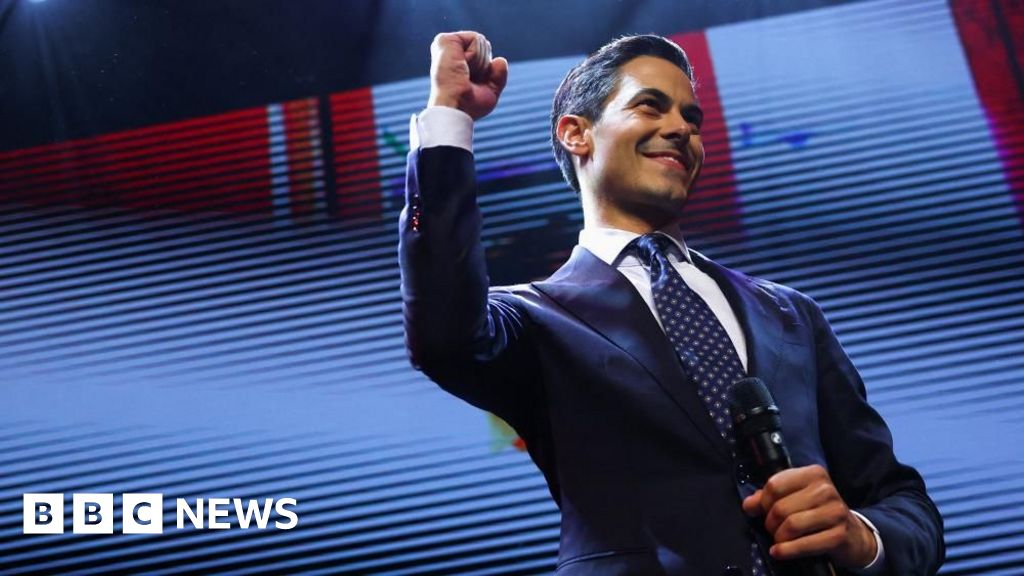
The recent Dutch parliamentary elections have charted an intriguing course in European politics, illustrating a significant shift that could ripple across the geopolitical fabric of the continent. Rob Jetten’s centrist liberals, under the banner of Democrats 66 (D66), have unexpectedly overtaken traditional political heavyweights, including Geert Wilders’ PVV and established left-wing parties. This electoral upheaval, characterized by the projected victory of Jetten’s campaign, underscores a rising public desire for pragmatic leadership and national unity amid persistent crises—chiefly housing shortages, migration concerns, and economic stability.

Historically, Netherlands has been viewed as a cornerstone of stability within the European Union. Yet, recent trends reveal a society eager to embrace change, as evidenced by Jetten’s rapid political ascendancy. Once languishing in fifth place, his party is now poised to hold 27 seats, just ahead of Wilders’ populist faction, which conceded defeat. The significance extends beyond electoral numbers; the shift signals a broader discontent with the stagnation and negativity perceived in recent years’ politics. Experts from the European Policy Institute argue that this election presents a turning point, emphasizing how societal frustrations with migration policies, housing demand, and economic strife are steering voters away from populist rhetoric towards centrist, constructive alternatives.

Meanwhile, how these decisions affect nations and societies cannot be understated. The expansion of Jetten’s coalition plans, including commitments to build ten new cities to combat housing shortages, delineates a future where national policy leans toward active social restructuring. This has profound geopolitical impact, as the Netherlands’ leadership style and policies influence broader European stability and cooperation. The UK’s House of Commons and the German Bundestag watch keenly, recognizing that shifts in Dutch politics could inspire similar realignments in other EU nations, especially as issues of migration and economic resilience dominate the continent’s agenda. The European Council itself is weighing the implications of a more centrist, pragmatist Netherlands—potentially steering EU policies toward more effective, unified responses to shared challenges.

The election results reveal a society at a crossroads, with Wilders’ debate-shown influence waning, despite his proudly bullish stance: “You won’t be rid of me until I’m 80.” The enduring question remains whether this new political climate will translate into lasting change or serve as a fleeting reaction to the ongoing crises. Nonetheless, the message is clear: the Dutch electorate is signaling a desire for a decisive break from the polarization of the past, indicating a readiness to embrace a future defined by pragmatic progress rather than populist grievances. This pivot bears a significant message for international observers—the age of reactive politics may be waning, heralding instead a period where nations prioritize stability and strategic unity.

As history continues to unfold in the quiet yet consequential corridors of Amsterdam and The Hague, the coming months will reveal whether Jetten’s vision of a rejuvenated Netherlands can serve as a beacon for Europe’s future. In a world gripped by turmoil—be it economic instability, migration waves, or geopolitical tensions—the decisions taken on this small but influential stage could echo loudly through history’s unfolding narrative. The challenge remains: can a society ravaged by decades of stagnation forge a new path forward, or will the specter of discontent cast long shadows over the Dutch horizon? The answer may determine not just the fate of an island nation but the very direction of European stability in these uncertain times.

Milei's bold 'chainsaw' approach scores major victory among youth voters
Milei’s bold ‘chainsaw’ approach scores major victory among youth voters

In what could be one of the most significant electoral shifts in South America this decade, Argentina has once again placed itself at a pivotal crossroads. The recent midterm elections saw a resounding victory for President Javier Milei and his party, La Libertad Avanza. By securing nearly 41% of the vote and dominating both chambers of Congress, Milei’s movement signifies a dramatic rejection of the traditional Peronist, welfare-centered economic model that has long defined the nation’s political landscape. His radical approach, characterized by *swift austerity measures*, has resonated with voters desperate for change amid spiraling inflation, crumbling public services, and rising unemployment. Yet, this swing toward radical market reforms not only alters domestic policy but also sends ripples across the geopolitical fabric of the continent and beyond.

Some analysts argue that Milei’s electoral surge signals a broader ideological shift within Latin America. As historians and international economists highlight, the continent has long grappled with the consequences of expansive government spending, debt reliance, and inflationary policies. Milei’s “chainsaw” tactics—his vow to drastically cut state spending—echo a global movement favoring free markets over government intervention, a stance now reinforced by his recent sweeping victory. The U.S. has openly expressed support, with former President Donald Trump praising Milei and hinting that American financial aid—potentially up to $40 billion—is contingent upon Milei’s political momentum. Such foreign backing raises alarms about external influence, with critics warning it could distort Argentina’s sovereignty and escalate tensions within the region—particularly with governments wary of U.S. interference.

For Argentina, this electoral outcome is a sharp departure from its historical reliance on populist policies. Milei’s government now faces the daunting challenge of balancing its radical reforms with the very social stability it claims to restore. Voters and social advocates are voicing concern over job losses, diminished social services, and a looming recession—crises their predecessors’ policies failed to address. Despite the market optimism following the vote, fears persist about economic overreach and the fragility of this newfound political stance. As international organizations warn of potential debt payment crises and dwindling reserves, the nation’s future hangs in the balance. What is undeniable is that, **once more, Argentina stands as a symbol of the continent’s deepening ideological contest—between the old populist order and a bold, untested free-market revolution**.

With the winds of change sweeping through the Andes, the unfolding story of Argentina represents much more than a national election outcome—it echoes across borders. The decisions taken today by Milei and his supporters will memorialize a chapter in history that shapes the region’s economic destiny, threatening to sway nations caught between tradition and transformation. As powerful forces converge, the question remains: will the electorate feel the promised benefits of these reforms, or will the price of upheaval prove too great? The pages of history continue to turn, leaving the world watching, as an unfolding narrative of resistance, resilience, and revolution continues to be written—one political upheaval at a time.

Social Media Auto Publish Powered By : XYZScripts.com