Matox News

Truth Over Trends, always!

Vibrant Views, Authentic Shops & Local Pubs: Discover the Heartbeat of the Llŷn Peninsula’s Community Spirit — Wales Holidays

While many conventional travel destinations emphasize bustling cities or tourist-heavy spots, Wales’ Llŷn Peninsula offers a different perspective—one rooted in community resilience, natural beauty, and a steadfast connection to heritage. This region embodies the _renewal of rural vitality_, showcasing how local initiatives are redefining what it means to live, work, and explore in a traditionally rural setting. It is a testament to the power of community-driven revival, inspiring a new generation to see value in their collective identity and natural environment.

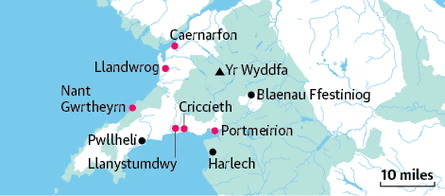
Throughout the area, a noteworthy trend emerges: community pubs, shops, and cultural centres are not just surviving but thriving. The revival of establishments like Tafarn y Fic and Tafarn y Plu signals a strategic shift towards _local empowerment_. These venues serve as vital social hubs, fostering *a sense of belonging* while also attracting visitors eager to experience authentic Welsh life. For instance, the ‘Fic’ pub in Llithfaen, once on the brink of closure, was revitalized by local initiative—a testament to the region’s capacity for grassroots action. Such efforts embody the growing *collective confidence* that defines contemporary Welsh rural life, showing that resilience often begins in the heart of small communities.

This spirit of revival is complemented by the region’s rich cultural and natural tapestry. The Wales Coast Path weaves nearly 100 miles along the peninsula, revealing stunning vistas reminiscent of the masterpieces by JMW Turner, who famously captured the area’s ever-changing light. From the dramatic castle ruins at Criccieth to the vibrant sandbanks of Dinas Dinlle, every step along this path underscores the importance of conserving and cherishing regional landscapes. Additionally, charming villages such as Caernarfon exemplify how heritage preservation and modern entrepreneurship—like the recent development of the Ty’n Llan community pub—can work hand in hand to create vibrant, sustainable local economies. Visitors are encouraged not only to explore the scenery but to engage with the community, whether through learning Welsh at local pubs or participating in cultural events, thus making the journey both educational and enriching.

For those seeking a lifestyle that integrates natural beauty with purposeful community engagement, Wales’ Llŷn Peninsula offers a compelling blueprint. It’s a reminder that investing in local initiatives, celebrating heritage, and embracing a _mindful appreciation of the land and its people_, can lead to a _more resilient and inspiring community_. As you walk its scenic trails and engage with its warm-hearted inhabitants, the region becomes more than a travel destination—it transforms into a mirror reflecting the potential within us all to embrace _locally rooted prosperity and shared well-being_. The journey here is not merely about viewing landscapes but about reconnecting with the essence of what makes a community truly vital and alive—values that can inspire individual wellness and collective strength.

  • Explore local pubs and shops—see how community spirit keeps traditions alive.
  • Experience the natural beauty—walk the Wales Coast Path and appreciate changing light and scenery.
  • Engage with cultural heritage—visit museums, historic sites, and participate in local events.
  • Support sustainable, community-led initiatives—buy from local businesses and participate in cultural exchanges.

In the end, the story of Wales’ Llŷn Peninsula is a tale of hope—an enduring reminder that the resilience of a community, rooted in its land and traditions, can inspire us all to embrace our own journeys. For in the pursuit of _wellness, shared experiences, and cultural preservation_, lies a profound truth: that true vitality springs from within, fueled by connections to our roots and a collective sense of purpose. As the sun sets over the rugged landscape, it leaves behind an invitation—peaceful yet powerful—to live intentionally and embrace the ongoing adventure of life.
Business Secretary: Labour Will Hear Bosses’ Views on Workers’ Rights

The recent developments surrounding Labour’s employment rights bill in the United Kingdom highlight a pivotal moment in the nation’s ongoing political saga. While the bill promises to introduce significant protections for workers—banishing zero-hour contracts and ensuring day-one protections against unfair dismissal—the government’s cautious approach reveals deeper geopolitical undercurrents that could reverberate across national borders.

At the heart of this controversy lies Prime Minister Keir Starmer’s coalition-heavy government, which finds itself under mounting pressure from union leaders, Labour backbenchers, and the broader public—many of whom see these reforms as long-overdue safeguards for workers. However, the business sector has launched a formidable lobbying campaign, warning that the changes could impose a £5 billion cost burden and threaten jobs—an assessment echoed by international economic analysts who caution about the unintended consequences of rapid regulatory shifts.

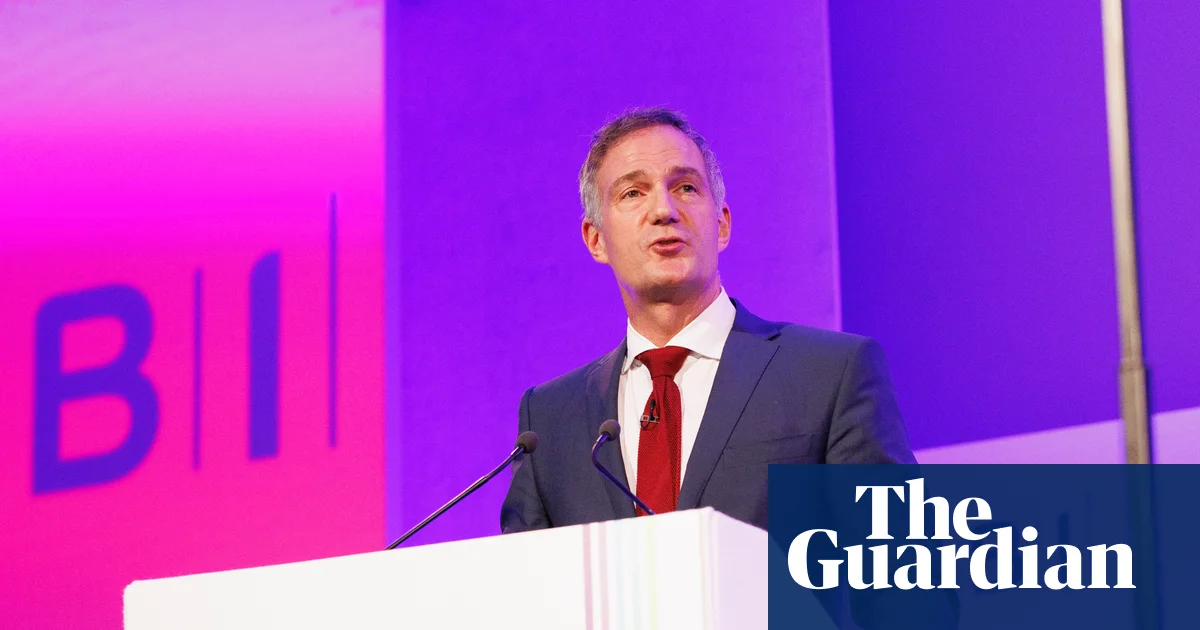
Amid this tension, Peter Kyle, the UK’s business secretary, has signaled his willingness to engage in a series of 26 consultative sessions aimed at *potentially watering down* the reforms—a move that critics argue could effectively undermine the manifesto’s core promises. This calculated delay might serve as a strategic lifeline for Conservative opponents such as Kemi Badenoch, who has publicly decried Labour’s blueprint as an “assault on flexible working” designed to empower unions at the expense of economic vitality. Her warnings suggest a broader underlying geopolitical contest, with the UK positioning itself along a path that might swing either towards strengthening worker protections or safeguarding corporate interests, depending on how the negotiations unfold.

International organizations like the International Labour Organization and prominent economic analysts have voiced concern that such legislative uncertainty may destabilize the UK’s economic standing, especially as the nation faces volatility in global markets and internal political upheaval. Moreover, the debates over how to balance labour rights against economic growth showcase the tension between societal welfare and the worldview of global investors who seek predictability. As history demonstrates, these internal struggles often influence global diplomatic relations, with alliances and rivalries reshaping based upon a nation’s stability and perceived future readiness to adapt to economic and social reforms.

In the shadows of these parliamentary battles, the United Kingdom’s political landscape is rapidly morphing into a contest of ideologies—one where history’s weight presses heavily. Whether this push for robust workers’ protections will solidify the social fabric or lead to unforeseen economic setbacks remains an unfolding chapter. As historians warn, moments such as this—filled with both hope and contention—are often the crucibles in which nations’ destinies are forged. The unfolding debates over employment law thus serve as a stark reminder: every decision, every compromise, echoes with the potential to shape the future of a nation and perhaps, influence the course of international relations itself.

South African MP with strong views convicted for shooting in public

South Africa’s Controversial Political Actor Faces Legal and International Scrutiny

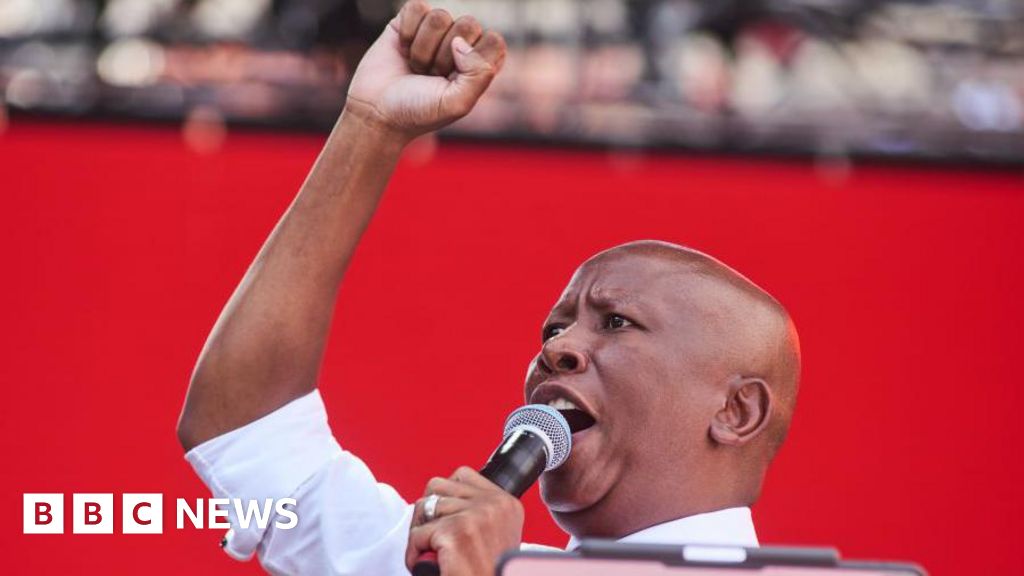
The recent conviction of Julius Malema, leader of the Economic Freedom Fighters (EFF), marks a significant chapter in South Africa’s ongoing struggle with internal divisions rooted in its apartheid past. The magistrate’s decision to find Malema guilty of discharging a firearm in public — an offence carrying a maximum of 15 years in prison — underscores the persistent tensions and volatile political landscape that continue to define post-apartheid society. The 2018 incident in the Eastern Cape, where he fired between 14 and 15 rounds during a party remembrance, was more than a youthful display; it became a symbol of the nation’s deeper struggles with violence, racial identity, and calls for radical economic reform.

Internationally, this incident has reverberated beyond South Africa’s borders, influencing perceptions of the country’s stability and leadership. The controversy surrounding Malema’s fiery rhetoric and actions reached as far as the White House, where then-President Donald Trump used a video of Malema as supposed evidence of genocide against white Afrikaners—a claim that has since been widely discredited by experts and international observers. Such gestures highlight the dangerous intersection of domestic politics and international narratives, where figures like Malema are weaponized to justify external interventions or pressure. Moreover, Malema’s vocal calls for the seizure of white-owned land and wealth redistribution continue to fuel a heated debate about racial justice and economic policies in a nation still wrestling with the legacy of apartheid.

Legal Battles, Rhetoric, and Regional Impact

  • Malema’s conviction for unlawful possession and discharge of a firearm coincides with his broader pattern of provocative speech, including recent hate speech convictions that have drawn sharp criticism from both domestic and international legal bodies.
  • His statements, such as advocating for “killing” during altercations and urging revolution through violence, raise alarms about the potential for social destabilization, especially in a country still suffering from racially charged tensions despite over three decades since the end of apartheid.
  • Foreign governments, notably the UK, have responded by barring him entry, citing support for terrorist organizations and incendiary remarks that are deemed “non-conducive to the public good,” reflecting mounting concern over the impact of figures like Malema on regional security and diplomatic relations.

Analysts and historians emphasize that Malema’s case exemplifies how post-conflict societies often struggle with balancing free speech against the threat of inciting violence and societal division. The international community watches closely as South Africa grapples with political extremism, racial grievances, and economic disparity—elements that threaten to undermine its stability and place it further at the mercy of global powers vying for influence in Africa’s most developed yet divided nation. As Malema prepares to challenge his sentence in the Constitutional Court, the fate of his influence remains uncertain, but the broader geopolitical impact of South Africa’s internal strife is undeniable. Every decision, every verdict, shapes not only the nation’s future but echoes across an increasingly unstable continent where history’s shadows loom large, and the weight of unresolved injustices presses down like an ominous cloud over the unfolding story of Africa’s “rainbow nation.”

Gazans and Israelis React: Trump’s Plan Sparks Divergent Views

The recent announcement of U.S. President Donald Trump’s peace proposal to resolve the ongoing conflict between Israel and Hamas has sparked a wave of reactions across the Middle East and beyond. The plan, unveiled in coordination with Israeli Prime Minister Benjamin Netanyahu, proposes a transitional governance structure for Gaza—a region long battleground for violence and political upheaval. At its core, this initiative envisions a “board of peace,” headed by Trump himself, to oversee a transitional administration in Gaza, ostensibly paving the way for long-term stability. While some local leaders and international allies have expressed cautious support, the plan also faces heavy skepticism and deep-rooted concerns about its feasibility and implications.

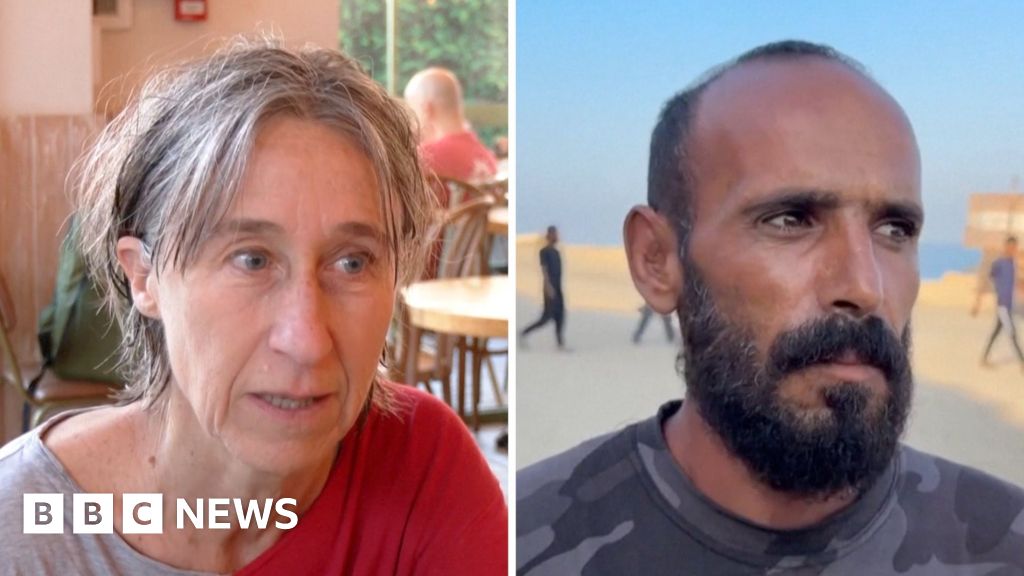
Among the voices converging on this issue, some Israelis interviewed in Jerusalem have voiced guarded optimism, though their doubts remain palpable. They question whether Hamas, after nearly two years of persistent conflict, will genuinely disarm or accept a negotiated settlement. “It’s a step in the right direction,” one Israeli commented at a local café, “but the real challenge is whether Hamas will abide by such agreements. The history of failed peace processes weighs heavily on us.” Conversely, Palestinian residents of Gaza—some displaced by violence—have sounded a different alarm. They ask whether the plan considers their needs or is primarily focused on regional stability. Many express frustration that prior international efforts have overlooked the human toll, especially amid reports suggesting that Trump’s broader diplomatic ambitions might include economic projects, such as resorts, on Palestinian land—an idea that has inflamed tensions and raised questions about whether actual peace is the goal or merely a facade for territorial and economic gains.

This historic shift in diplomacy has drawn mixed reactions from across the geopolitical spectrum. European nations and regional powers such as Egypt and Jordan have expressed qualified support, urging caution and emphasizing the importance of addressing core issues like refugee rights, borders, and Jerusalem’s status. Notably, the European Union and the Arab League have called for comprehensive negotiations, warning that partial solutions could exacerbate existing fractures. International organizations, including the United Nations, have also issued statements stressing the importance of respecting international law and fostering dialogue rooted in mutual recognition and respect. However, critics, including renowned analysts and historians, warn that such high-level interventions risk overlooking the grassroots realities and the deep-seated grievances that fuel the conflict. Their concern is that a superficial diplomatic fix might merely postpone inevitable volatility, with history’s lessons from unresolved conflicts in the Balkans and the Middle East repeatedly cautioning against hasty peace impositions.

Ultimately, the geopolitical impact of this new initiative hinges on how each side perceives its legitimacy and efficacy. Israel views the plan as a potential breakthrough—a possibility to embed a lasting peace after years of instability—while Palestinian factions consider it a threatening capitulation if their core rights are sidestepped. The conflict’s complexity emphasizes that decisions made today will ripple through generations, shaping societies and borders for decades to come. As the international community watches with bated breath, the weight of history hangs in the balance: will this new chapter finally forge a lasting peace, or will it serve as a fleeting pause before the next storm erupts? The story remains unwritten, but the coming days will determine whether hope or despair claims the day.

Social Media Auto Publish Powered By : XYZScripts.com