Matox News

Truth Over Trends, always!

Transport staff assaulted by pupils: a concerning rise in school violence

Rising Social Frictions and the Complexities of Family and Community Relations

In recent weeks, a concerning incident has brought to light the persistent tensions that can simmer beneath the surface of our communities. A worker recounts being bitten three times by an eight-year-old boy, an act that has sparked a broader conversation about the challenges facing families, the role of social services, and community cohesion. The worker’s call for more support from the local council underscores an urgent need to address underlying issues in youth behavior, family stability, and social safety nets that influence community well-being.

This incident exemplifies how children’s behavior—particularly in environments where familial and social support structures may be strained—can directly impact the safety and harmony of neighborhoods. Sociologists like Robert Putnam have long argued that weakened social capital contributes to increased episodes of conflict within communities. The child’s act, potentially rooted in complex familial, social, or even mental health issues, highlights the ripple effects that inadequate community and family support systems can have on local safety. It also raises questions about the capacity of schools, social services, and local governance to prevent situations escalating to the point where physical harm occurs.

Families are the foundational unit of society, yet many are now under enormous pressure due to economic challenges, cultural shifts, and demographic transformations. Increased diversity and changing social norms can sometimes create misunderstandings or cultural conflicts that, if left unaddressed, may contribute to social unrest or juvenile conflicts. Historians emphasize that social cohesion is fragile, and when institutions fail to provide adequate guidance, support, and intervention, the repercussions often resonate through families and local communities. The call for stronger community support echoes these concerns, suggesting that bolstering social services, educational initiatives, and family assistance programs is essential for fostering a safer, more integrated society.

Ultimately, this episode serves as a stark reminder that social issues are deeply intertwined with everyday life. Each act of violence or discord not only affects the immediate individuals involved but also reverberates through communities, impacting families’ sense of security and trust. As social commentators like James Q. Wilson have observed, fostering a society where individuals feel empowered and supported can prevent many conflicts before they escalate. The call for increased support from local authorities represents a crucial step toward healing fractured social bonds, emphasizing that every child, family, and community member deserves a foundation of care and stability. As society confronts these challenges, we are called not only to address the symptoms but also to renew our commitment to nurturing resilient, compassionate communities where the hope of transformation persists even in the face of adversity.
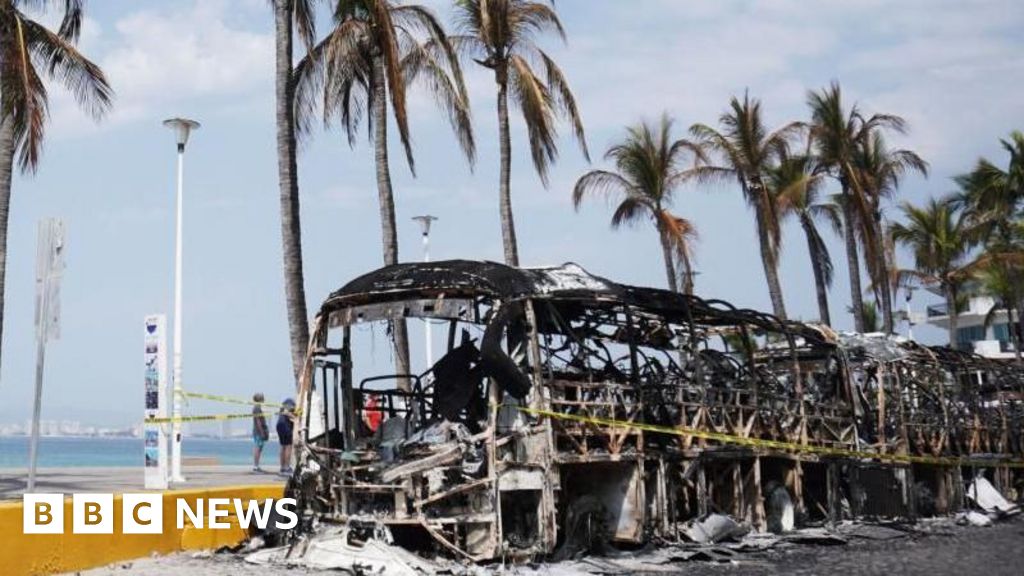
Mexican cartel’s rampage sparks fears of more violence ahead

Cartel Violence Sparks International Concern in Mexico’s Guadalajara

In the aftermath of recent violence in Guadalajara, residents are living in the shadow of fear following a violent retaliation by cartel members seeking to avenge the death of Nemesio “El Mencho” Oseguera, the presumed head of Mexico’s powerful CJNG (Cártel de Jalisco Nueva Generación). According to eyewitness accounts and local officials interviewed by the BBC, the city’s streets have become battlegrounds in what analysts describe as a dangerous escalation in organized crime conflicts. The violence, which initially targeted rivals, has now spilled over into civilian areas, prompting urgent discussions about the regional and global implications of Mexico’s security crisis.

Experts warn that this surge in cartel activity signals a broader destabilization that transcends national borders, impacting trade routes, foreign investments, and the safety of those seeking economic opportunity in the Western Hemisphere. International organizations, including the United Nations Office on Drugs and Crime, have reiterated their concerns over the expanding reach of Mexican cartels, which now challenge state authority and threaten regional stability. The death of “El Mencho,” once considered one of the world’s most elusive drug lords, has indeed sent shockwaves through the cartel ecosystem, leading to an unprecedented wave of violence and power struggles within the criminal underworld.

These developments coincide with a notable shift in U.S.-Mexico relations. As Washington increasingly emphasizes cooperation to combat drug trafficking, traffickers are adapting their strategies in ways that complicate law enforcement efforts. Some analysts argue that the failure to dismantle major cartels like CJNG signifies a broader failure of both Mexican and international policies to stem the flow of drugs and illicit arms. The conflict in Guadalajara exemplifies how local conflicts can rapidly escalate into regional crises with far-reaching effects. Historically, similar patterns of cartel violence have led to destabilization in neighboring countries, fostering insecurity that hampers growth and democratic development.

The repercussions extend beyond borders—causing ripple effects that threaten the sovereignty and stability of nations across the Americas. Mexico’s government continues to face mounting pressure to implement decisive measures, including military crackdowns, yet critics argue that without addressing the root causes—poverty, corruption, and lack of economic opportunity—such violence will persist. University scholars and political analysts warn that unless a comprehensive strategy is adopted, the cycle of violence will only intensify, potentially drawing in international actors and destabilizing entire regions.

As residents share their stories of chaos and resilience, the world watches with bated breath. The recent violence in Guadalajara is more than a local crisis; it is a stark reminder that history is still being written, with the fate of nations hanging in a delicate balance. In the coming weeks, the international community’s response—and Mexico’s ability to confront this darkness—will determine whether this chapter ends in tragedy or a harder-earned path toward stability.

Australian Police Stand Firm Amid Protest Violence

Global Leaders Face Growing Civil Unrest Amid Political Tensions

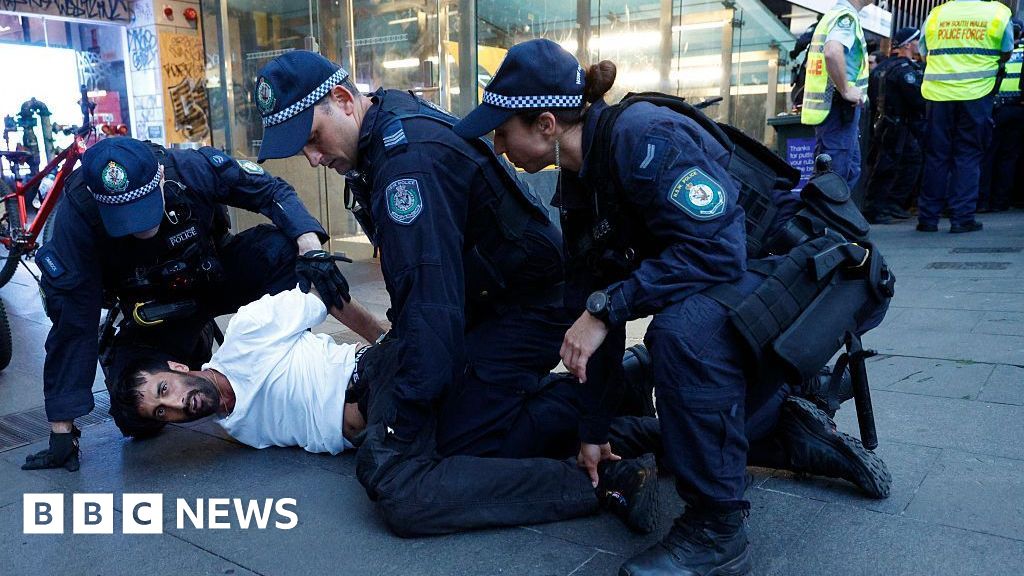
In a move that underscores the increasing volatility of domestic affairs with far-reaching geopolitical implications, Prime Minister Anthony Albanese of Australia has publicly expressed his profound disquiet over recent scenes of civil unrest. As tensions boil over within his nation’s borders, Albanese characterized the protests as “destabilizing” and lamented the damage inflicted on social cohesion. Yet, in a display of diplomatic pragmatism, he reaffirmed his commitment to engaging with President Isaac Herzog of Israel, with whom he is scheduled to meet later on Tuesday. The Prime Minister’s decision to extend this engagement in the face of internal turmoil signifies an intent to uphold international relations and demonstrate resilience amidst domestic upheaval.

Historically, such internal conflicts often serve as catalysts for broader international realignments. Commentators and analysts from organizations like OECD and Council on Foreign Relations warn that prolonged domestic unrest can erode a nation’s diplomatic credibility, impacting negotiations on global platforms. The protests in Australia, arguably sparked by contentious policy debates or social grievances, have been described by political strategists as an important turning point: a moment revealing the fragility of current societal bonds. While Albanese endeavors to maintain diplomatic channels, critics argue that prolonged unrest risks weakening Australia’s position in international affairs, especially when paired with the complex regional geopolitical landscape that now includes rising tensions in Asia-Pacific.

This domestic upheaval occurs against the backdrop of intense geopolitical shifts across the globe, notably in the Middle East and Eastern Europe. Leaders such as President Herzog are navigating their own challenges, including ongoing conflicts that threaten regional stability. The ideological divide, fueled by issues like sovereignty, security, and economic resilience, echoes across continents. International institutions have called for calm and dialogue, emphasizing that internal dissent must not undermine peace agreements or international commitments. Yet, historians like John Keegan have long warned that such internal conflicts often precursors larger global instability if left unaddressed.

The unfolding scenario offers a stark reminder that internal social struggles do not exist in isolation—they are entwined with global order. Decisions made by leaders today, whether in Canberra, Jerusalem, or elsewhere, will resonate well into the coming decades. Governments are caught in a delicate balancing act: maintaining internal legitimacy while navigating external pressures. As nations grapple with the potential consequences of civil unrest—from economic disruptions to diplomatic realignments—the world’s attention is fixed on how these frontlines will evolve. The blueprint of history underscores a sobering truth: peace is often fragile, and the path toward lasting stability remains shrouded in uncertainty. The choices made now will chart the course of future generations, leaving an indelible mark on a world where the line between order and chaos is perilously thin.

UK Police to Launch Specialized Units Fighting Violence Against Women and Girls

Society at a Crossroads: Addressing Violence Against Women and Family Stability

As society faces mounting challenges surrounding gender-based violence and cultural shifts that threaten the fabric of family life, the government in England and Wales is pledging bold reforms. By 2029, all police forces will establish dedicated rape and sexual offences teams, aiming to create specialized units trained to understand offender behavior and improve investigation outcomes. Under the leadership of the Home Office, these initiatives seek to combat the persistence of violence against women and girls (VAWG), a crisis that sociologists argue reflects broader societal failures to safeguard the moral fabric of community life.

This campaign aligns with a greater societal recognition that traditional cultural prejudices and myths often undermine victims and perpetuate cycles of abuse. Critics note that such attitudes fuel familial disintegration and hinder meaningful judicial responses. By focusing on *training officers to recognize ‘rape mythology’* and *problematic cultural issues*, policymakers aim to dismantle societal barriers that dismiss or blame victims, a shift echoed by social commentators who argue for a moral awakening in how communities respond to violence. Yet, the challenges extend beyond policing, as critics highlight that these plans currently lack additional funding, placing strain on already stretched local budgets and risking uneven implementation—a concern raised by the Home Affairs Select Committee.

In tandem with law enforcement reforms, the government plans to introduce domestic abuse protection orders following pilot schemes, targeting various facets of abuse from *economic coercion* to *‘honour’-based violence.* These orders, granted in both civil and criminal courts, symbolize a societal attempt to protect the vulnerable, yet their effectiveness hinges on community enforcement and a collective moral stance. Historically, social commentators like Fiona Williams have argued that family security depends on societal acceptance and moral clarity—elements often compromised in the face of rising familial dislocation and cultural tensions. The need for community-driven, holistic approaches underscores that family stability remains under threat if societal support systems falter.

Despite these initiatives, critics argue that the delay in releasing a comprehensive strategy—initially expected this spring—undermines public confidence. As Karen Bradley pointed out, poor engagement with vital stakeholders and a lack of transparency risk diluting efforts to combat VAWG. This skepticism reflects deeper societal issues of trust and the prioritization of social issues amid political flux. Yet, amid these challenges, there lies a resilient hope that society, through community solidarity and responsible governance, can transcend its divisions. When society grapples with these moral and social dilemmas, it is not just policy that needs reshaping but the very moral compass guiding families and communities—when humanity chooses to strengthen its moral fiber, society begins to heal, and the promise of a safer, more just future becomes attainable.

Gaza’s Chaos Continues: Promises of Peace Broken as Violence Rages On

Global Impact of Gaza Conflict and Ceasefire Realities

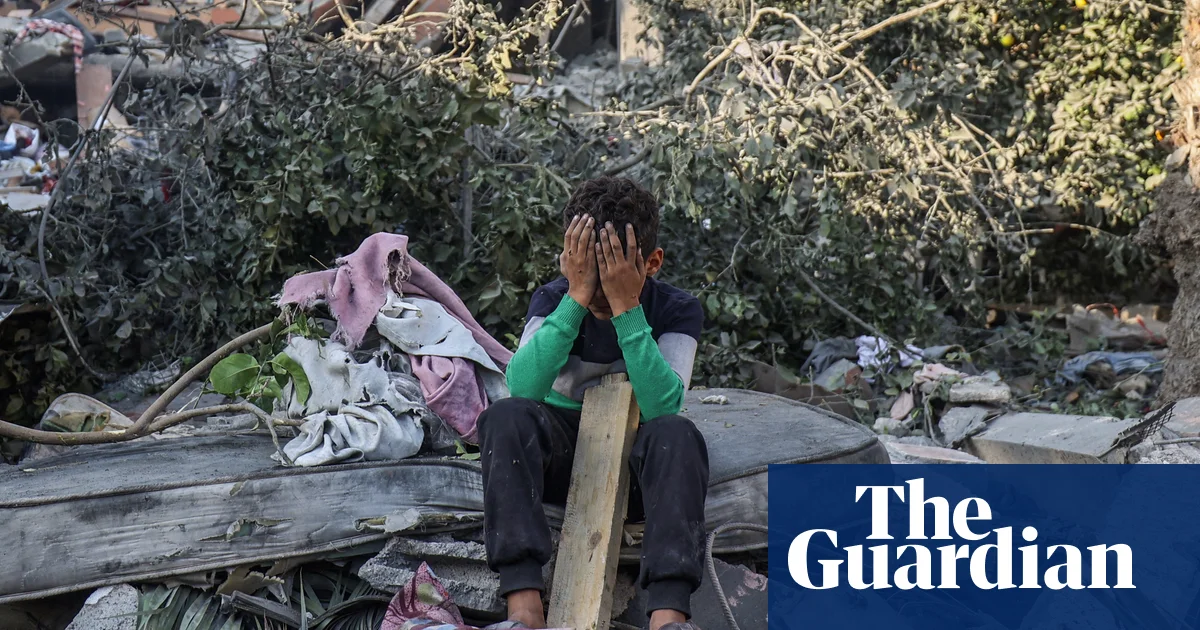
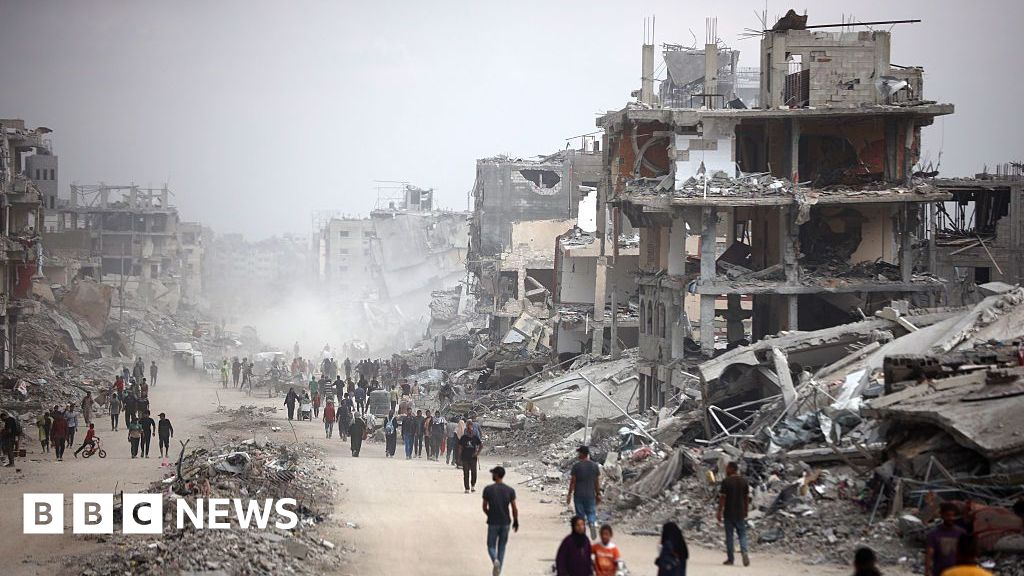
The recent conflict in Gaza has once again exposed the fragile veneer of diplomacy and the stark realities faced by civilians caught in the crossfire. Despite declarations of a ceasefire in October, the situation on the ground remains as volatile as ever. Reports from humanitarian agencies and international analysts reveal a disconcerting paradox: while official rhetoric suggests a lull in violence, the death tolls tell a darker story. On average, Israeli forces continue to kill seven Palestinians per day in Gaza, a rate that many would consider active warfare rather than an end to hostilities. The imagery of families like Hala Abu Assi’s, mourning the loss of her young boys Jumaa and Fadi, symbolizes the grim toll wrought by what is purportedly a pause in fighting. These tragedies underscore how decision-makers’ claims of peace often mask enduring violence and suffering.

The geopolitical landscape surrounding Gaza has reset into a tense and uncertain partition. Israel’s government, backed by its strongest allies, is solidifying a de facto division along the so-called “yellow line”, with recent construction of concrete outposts and the bulldozing of Palestinian neighborhoods on the Israeli-controlled side. While the Trump-planned peace process envisions a phased withdrawal, an international stabilisation force, and a technocratic Palestinian governance structure, these plans remain entrenched in ambiguity. Major questions persist: Who will control Gaza’s critical land and resources? Will the Palestinian residents have a meaningful say, or are they destined for further displacement? The emerging landscape resembles a modern apartheid in the making, with Palestinian communities being herded into scattered enclaves under international supervision. Historians and policy analysts warn this strategy could entrench the separation, embedding a new reality where ethnic and territorial divisions threaten to outlast the current violence.

The international community’s role remains deeply conflicted. European and Arab nations aligned with the Trump initiative argue they support the peace efforts to prevent a broader regional escalation and to foster stability. However, critics highlight that these political calculations often serve as a cover for maintaining strategic interests rather than genuine resolution. The UN’s recent resolutions, which drew support from some nations, plan for the disarmament of Hamas and the return of hostages—yet substantial obstacles remain. Hamas has returned most missing bodies and expressed willingness to discuss surrender of offensive weapons—but only outside of Israeli or Israeli-backed entities. Moreover, absent substantial troop contributions from countries like Indonesia or Pakistan, the envisioned @disarmament under international supervision remains a distant dream. Without a genuine Palestinian authority, efforts to rebuild or establish security are hamstrung, compounding the sense of inevitability regarding Gaza’s continued fragmentation.

The Humanitarian Toll and the Weight of Injustice

Marking a tragic chapter, Gaza’s population of over 2 million Palestinians now inhabits less than half of their original territory—confined to the barren “red zone” amid ruins and chaos. The recent floods, coupled with ongoing bombings, have devastated what little infrastructure remains, leaving families in tents with no adequate shelter before winter’s cold. Aid supplies, though increased, have yet to meet the need; the UN reports that fewer trucks are entering Gaza than prewar levels, and many Palestinians live on the brink of starvation. The international aid effort, hamstrung by diplomatic disputes and Israeli bans on organizations like UNRWA, struggles to address the scale of destruction. The plight of Gaza’s children, families, and the elderly reflects a humanitarian crisis that-growing figures warn could morph into a chronic catastrophe if international pressure wanes. Such conditions vividly illustrate a world that prudently calls itself “concerned,” but fails to act decisively. The ongoing destruction and suffering challenge global leaders and institutions to confront the moral cost of their policies—adventures in diplomacy that risk leaving Gaza as a symbol of unresolved injustice for generations to come.

As the quiet of the ceasefire festers into a new era of enduring division, the silence of true peace grows heavier. The stories of families like Faiq Sakhani’s, living just metres from the “yellow line” and daily fearing death, are the somber echoes of a story still unresolved. The specter of history—of nations divided and peoples oppressed—looms large over a volatile region in which every decision could ignite yet another cycle of war or forge a fragile hope for lasting peace. The world watches, but only time will reveal whether this chapter will be remembered as a step toward liberation or a prelude to darker days. The pages of history remain unwritten, yet one thing is certain: Gaza’s suffering is a stark reminder that peace, if not rooted in justice, is merely a brief interlude in an ongoing tragedy.

German 'Hammer Gang' Trial Targets Communist Extremists Behind Violence
German ‘Hammer Gang’ Trial Targets Communist Extremists Behind Violence

Germany Faces Critical Point in Fight Against Extremism as Trial Unfolds

In a landmark case unfolding in Dresden, seven individuals are on trial accused of membership and support for Antifa Ost, a militant, far-left extremist organization labeled as a terrorist group by the United States. This trial not only exposes the brutal tactics employed by the suspects—including attempted murder, severe assaults, and property damage—but also signals a shifting tide in Europe’s ongoing struggle against violent political extremism. As this case garners international attention, it underscores the geopolitical impact of domestic radical groups and how their violence influences broader security policies across borders.

Extremism’s Cross-Border Reach and Political Ramifications

  • Antifa Ost, founded in late 2017 or early 2018, allegedly orchestrated attacks targeting those perceived as part of right-wing circles in Germany and Budapest. Prosecutors allege meticulous planning, including spying on targets and launching violent assaults with hammers and batons, causing severe injuries.
  • The US government’s decision to designate Antifa Ost as a terrorist organization earlier this month marks a significant escalation in its crackdown on extreme-left affiliated groups, aligning with a broader geopolitical trend. Some analysts see this move as a response to mounting concerns over violent extremism destabilizing democratic societies.
  • Moreover, the AfD, Germany’s far-right party, publicly welcomed the US designation, arguing that Antifa and similar groups pose a threat to national security. Stephan Brandner explicitly called on the German government to follow suit, warning that without decisive action, radical left-wing violence could undermine societal cohesion.

How These Decisions Reshape European Security Policies

International organizations, including Interpol and EU security agencies, have closely monitored organizations like Antifa Ost amid fears of escalating violence. The trial in Dresden and the U.S. classification reflect a turning point in how nations treat domestic terrorism—particularly ideologically driven violence—by blurring the lines between political activism and criminality. Historians and security analysts warn that such shifts could lead to increased government overreach, yet they acknowledge that leaving these groups unchallenged risks societal upheaval.

The global community observes that this case presents a broader lesson about the importance of strength and vigilance in the face of extremist ideologies. As each nation grapples with its own radical factions, the world watches to see if Germany and allies will adopt a more proactive stance in banning and dismantling these dangerous groups. The trial is not merely about justice for those victims but a mirror held up to Europe’s collective responsibility to preserve order and safeguard constitutional values amid a rising tide of violence.

Fate of a Continent at a Crossroads

As the trial continues, the atmosphere grows tense with unspecified warnings of potential retaliation or escalation. Germany, with its history deeply rooted in conflict and resilience, now faces tensions that threaten to ignite again if radical groups gain ground. The shadow of historic conflicts looms, urging a cautious but firm stance. Political leaders, security forces, and international partners must decide—will they confront this burgeoning wave of extremism with conviction or risk losing the fragile fabric of societal harmony? The unfolding narrative remains a stark reminder that history is rarely linear, and the future of Europe’s safety hinges on the decisions made today.

South Africa Labels Gender Violence a National Crisis Amid Youth-Led Protests

South Africa Declares Gender-Based Violence a National Disaster Amidst Growing Protests and International Concerns

In a decisive move reflecting the gravity of its ongoing crisis, South Africa has officially declared gender-based violence (GBV) a national disaster. The decision follows an unprecedented wave of public outcry and countrywide protests urging the government to confront a crisis that has persisted for decades, yet remains alarmingly unresolved. This escalation in official recognition underscores how deeply entrenched violence against women has become within South African society—a reality that international organizations, including UN Women, have long warned about. With women murdered at a rate five times higher than the global average, the country’s plight not only sparks domestic outrage but also highlights the broader geopolitical impact of failed governance and social norms.

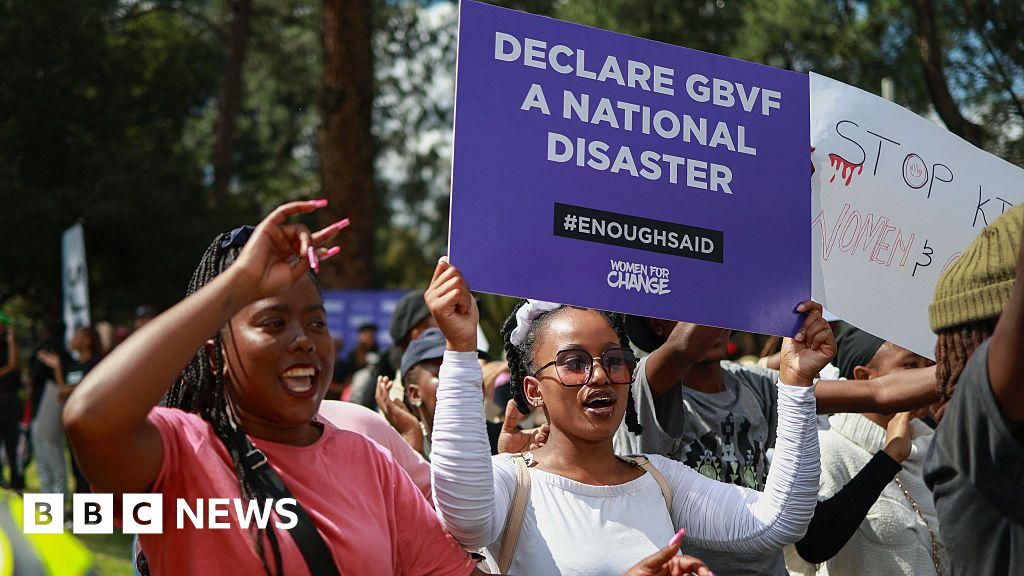
The protests, notably dubbed the G20 Women’s Shutdown, saw thousands of women and allies in major urban centers like **Cape Town**, **Durban**, and **Johannesburg** engaging in a symbolic act—lying down for fifteen minutes at noon, as a gesture of mourning and resistance. This coordinated effort was supported across borders, with formations in **Eswatini**, **Kenya**, and **Namibia** expressing solidarity. Significantly, the movement drew momentum from social campaigns where celebrities and ordinary citizens changed profile pictures to purple, symbolizing awareness and unity against GBV. Such mass mobilizations have begun to force the hand of a government historically reluctant to classify the violence as a crisis, despite repeated warnings from activists, legal experts, and international observers.

The launch of this declaration comes with a stark recognition of systemic failures. South Africa’s Ministry of Cooperative Governance and Traditional Affairs announced the classification after *”a thorough reassessment of previous reports”* and a push from civil organizations demanding action. Yet, despite a wide array of legislation aimed at curbing violence, critics argue that implementation has been lackluster—making the classification a symbolic victory rather than a tangible solution. Analysts from institutions like *International Crisis Group* suggest that such declarations, while crucial, often risk becoming mere gestures unless accompanied by concrete policy shifts. History warns that without action, the risk is a continued cycle of violence, societal normalization of fear, and a weakening of the social fabric.

This alarming situation has spurred individual action as well. Women’s organizations like Girls on Fire advocate for armed self-defense, with many women learning to wield firearms legally, hoping to shift the balance of power in their favor. The tragic stories of survivors like Prudence—who was raped and faced a bureaucratic nightmare to seek justice—highlight the urgent need for societal and legal reform. These grassroots efforts emphasize a crucialNational geopolitical impact: the ongoing struggle in South Africa is emblematic of broader regional instability, where governance gaps foster environments ripe for violence, often spilling over borders and exacerbating migration, refugee crises, and regional insecurity. Experts warn that unless national leadership prioritizes genuine change, South Africa risks further deterioration, with repercussions rippling across the continent and beyond.

As the weight of history presses down and the world watches, the question remains whether this declaration marks a genuine turning point or a fleeting political gesture. The unfolding narrative will test whether international solidarity, grassroots resilience, and government accountability can ultimately confront a societal scourge that threatens to erode the very foundations of a nation struggling to reconcile its promise with its harsh realities. In the shadows of the Union Buildings, beneath the banner of mourning and defiance, the battle for South Africa’s soul continues—its outcome uncertain, its significance immense.

Here's a revised version of the headline with a moderate right-wing, youth-oriented tone:
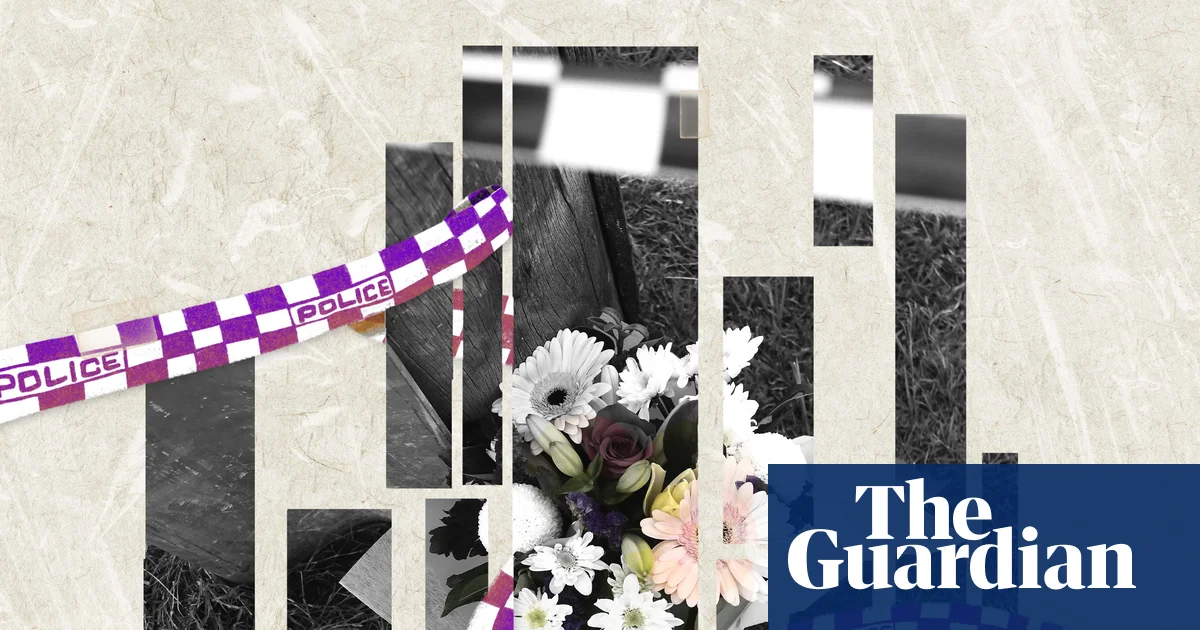
"Experts Warn: Signs of Domestic Violence Homicides Like Hannah Clarke’s Are Predictable — Queensland Needs Action"
Here’s a revised version of the headline with a moderate right-wing, youth-oriented tone: “Experts Warn: Signs of Domestic Violence Homicides Like Hannah Clarke’s Are Predictable — Queensland Needs Action”

International Crisis Unfolds as Domestic Violence Homicides Illuminate Global Failures

In a stark reminder of a pervasive social scourge, recent investigations and reports shed light on disturbing patterns of domestic violence and institutional inertia that claim lives across nations. Careful analysis by researchers, international governments, and advocacy groups underscores a sobering truth: the inability or unwillingness of authorities to adequately respond continues to cost lives, especially among women and vulnerable populations. As headlines from Australia portray tragic cases of loss, the global geopolitical impact of such failures reverberates, demanding urgent institutional reforms.

In Queensland, statistical data reveals that nearly half of women murdered by intimate partners had prior police interactions, often marked by misidentification or dismissive responses. Lawmakers recently introduced laws to extend police powers, allowing for year-long protection notices—yet critics argue this risks further misclassification of victims as offenders. This legislative shift could deepen mistrust between victims and law enforcement, reinforcing a dangerous cycle of neglect and victim-blaming. International analysts, including experts at Human Rights Watch, warn that such measures may inadvertently entrench systemic biases, undermining the very protection the laws intend to provide.

Meanwhile, in Australia, a two-year investigation by Guardian Australia uncovers failures in police responses to domestic violence that have resulted in preventable deaths. Cases like Hannah Clarke, who foresaw her fate but lived in fear for weeks, highlight the tragic disconnect between victims’ intuition and authorities’ actions. Historians and social scientists warn that ignoring such patterns reinforces a broader societal failure—one where cultural and institutional apathy subtly sustain violence at the margins of society. The failure to implement lasting reform echoes historical warnings from experts like historian Dr. Lisa Tilley, who argues that ignoring domestic violence fosters a “culture of silence and complicity” with deadly consequences.

Global Repercussions and Calls for Societal Action

Beyond Australia, nations across the United Kingdom, United States, and beyond face similar crises. Advocacy groups report that despite reforms, many victims remain trapped in abusive cycles, with law enforcement responses often falling short. International organizations like the United Nations issue stark warnings about the rise of domestic violence amidst economic downturns and social upheavals. The geopolitical impact of such widespread failures is profound: societies weaken, social trust erodes, and the cycle of violence persists—unabated and unchallenged.

Many experts argue that the root cause lies in societal complacency and a failure of leadership to confront culturally ingrained misogyny and coercive control. As analysts at the International Crisis Group highlight, the failure of police and political will in tackling the underlying causes fuels ongoing tragedies. Daily, women’s cries for help go unheard, a fact lamented by social workers and legal advocates alike. The systemic problem demands not just policy change but a fundamental cultural shift—one that requires entire communities to stand against violence and to defend agency and dignity for all victims.

The Unfolding Chapter of Justice and Responsibility

As history watches, the tragic stories of Hannah Clarke and Kardell Lomas mark more than isolated incidents—they are emblematic of a society at a crossroads. Decisions made in legislative chambers, police precincts, and community dialogues will determine whether this pattern of decline continues or if, finally, a decisive turn toward justice takes hold. This is a defining moment in the ongoing fight to protect the most vulnerable and to hold systems accountable.

Standing on this precipice, history’s pen waits for the actions that will redefine the future. Will nations heed the warnings, reform their institutions, and restore faith in justice? Or will the pages of history be stained with further preventable loss, as the silent toll of ignored cries continues to mount? The answer lies just ahead—wrapped in the collective will of societies that refuse to turn away from the truth.

Latvian MPs Reject Women’s Violence Treaty, Sending a Defiant Signal

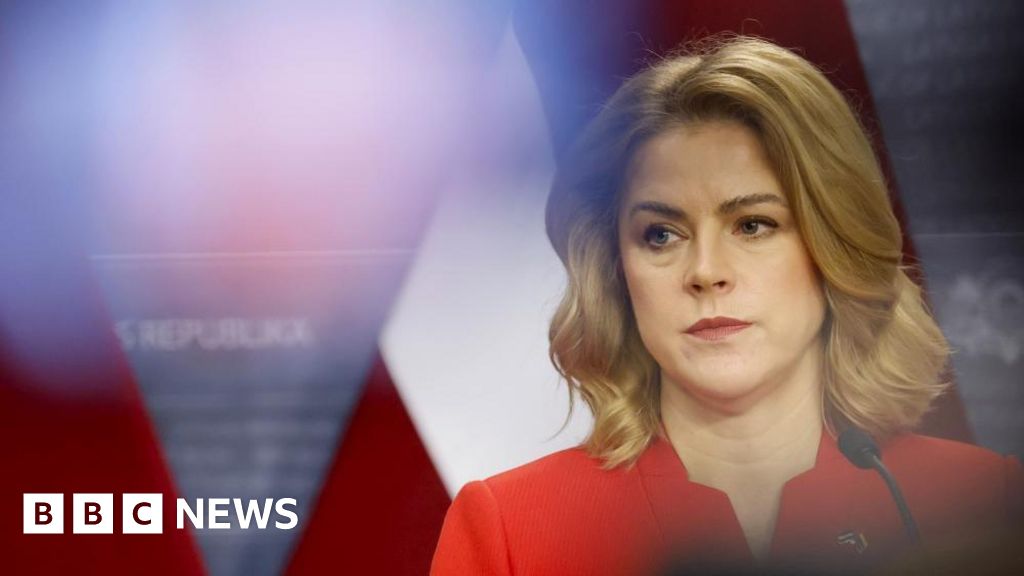
In a move that sends shockwaves through the European political landscape, Latvia has taken the unprecedented step of voting to withdraw from the Istanbul Convention, a key international treaty aimed at combatting violence against women, including domestic abuse. This decision, passed after a heated 13-hour debate in the Latvian parliament, marks a significant pivot away from the continent’s delicate consensus on human rights and gender equality. While the vote did not secure the necessary two-thirds majority, it places the onus on President Edgars Rinkevics to determine whether Latvia will fully step back from the treaty—an act that threatens to redefine the country’s stance on gender rights, societal norms, and its international commitments.

The move by Latvia is not an isolated incident but a part of a disturbing trend that resonates across borders. Turkey withdrew from the same treaty in 2021, citing concerns over what it calls “gender ideology,” a term critics argue is used as a weapon to undermine traditional family values. Experts and international organizations, including the Council of Europe, have condemned these moves as setbacks for human rights. The European Union ratified the treaty only last year, highlighting a commitment to protect women’s rights—an initiative now under threat from rising conservative forces within member states like Latvia. Such decisions are layered with geopolitical implications, as they threaten to fracture the fragile unity that the EU has tried to forge for decades, especially on issues related to social justice and human dignity.

Noteworthy is the political undercurrent fueling this shift. Parties like Latvia First, led by Ainars Slesers, push narratives opposing gender equality, framing the treaty as an attack on “family values.” These groups have rallied opposition, claiming that the convention promotes “gender ideology” and undermines what they deem natural social orders. Meanwhile, opponents argue that this withdrawal is a *dangerous regression* and a step backwards, exposing women to increased risks without legal protections. According to analysts from Human Rights Watch and the European Institute for Gender Equality, such retreats not only embolden domestic abuse but also undermine international efforts to combat femicide, which has notably surged in Turkey post-withdrawal. These developments underscore how decisions rooted in ideology threaten to unravel progress in gender equity within Europe and beyond, impacting not just policies but the social fabric of nations.

As the debate rages on within Latvia, the weight of history hangs heavy. The intervention by international bodies like the Council of Europe warns of the broader *geopolitical impact*—a ripple effect that could see other nations follow suit, fostering a divide on fundamental human rights. President Rinkevics has indicated he will evaluate the legislation “based on legal considerations and the constitution,” but the momentum among conservative factions suggests that this is only the beginning of a larger ideological struggle. With Latvia poised at a crossroads, the question remains: will this be a fleeting misstep or the beginning of a larger retreat that redefines European values, as nations grapple with the forces of tradition versus progress? As history watches with bated breath, one thing is clear—the unfolding chapter in Latvia’s political saga is a stark reminder that the battle for societal values is a battleground of geopolitics, identity, and the future direction of the continent itself.

Gaza Violence: Clashes Between Hamas and Clan Militants Kill 27

Gaza Descends into Clashes: A Sign of Unrest and Power Struggles

In a development that signals escalating internal instability within the already fragile Gaza Strip, at least 27 individuals have lost their lives during fierce confrontations between Hamas security forces and the powerful Dughmush family. The violent encounters erupted in Gaza City, near the Jordanian Hospital in the Tel al-Hawa neighborhood, historically a hotbed of tension. Eyewitnesses describe scenes of chaos, with residents fleeing their homes under heavy fire—marking one of the most brutal internal struggles since the cessation of major Israeli military operations in the region.

Analysts and international observers caution that these clashes are not isolated incidents; they underscore a deeper fissure in the socio-political fabric of Gaza, where clan rivalries and militant allegiances intertwine. The Hamas-led interior ministry stated that security forces engaged in heavy fighting to detain Dughmush fighters, highlighting the group’s efforts to reassert dominance within Gaza’s complex power hierarchy. This internal strife comes at a delicate moment, with Hamas recalling thousands of security personnel in a move that signifies both a consolidation of control and an underlying vulnerability, as armed units reportedly deploy across districts, some with clandestine or paramilitary attire.

Consequences for Regional Stability and International Relations

  • Hamas’s assertion of authority may deepen internal divisions, weakening the group’s image as the sole resistance entity in Gaza, and could potentially embolden rival factions or external militant groups.
  • The Dughmush family’s defiance underscores the persistent influence of clan-based allegiances that historical analysts trace back to Gaza’s social realities, challenging Hamas’s monopoly on authority and risking a further breakdown of order.
  • Broader geopolitical impact: The turmoil occurs amid ongoing regional tensions involving Egypt, Israel, and other neighboring states, all invested in maintaining or disrupting stability. The repeated internal violence in Gaza complicates diplomatic efforts aimed at peace and humanitarian aid, with international organizations warning that instability feeds into a cycle of violence that threatens to spill beyond Gaza’s borders.

As renowned geopolitical analysts emphasize, these internal conflicts could serve as a catalyst for larger shifts, potentially shifting Hamas’s focus from external resistance to internal survival. The confrontation has already drawn condemnations and cautious analyses from global institutions, with some warning that unchecked internal divisions could weaken Hamas’s capacity to manage its relationships with regional powers, including Qatar and Turkey. Historian Dr. Samuel Levin has noted that “tribal and clan dynamics in Gaza have always acted as a double-edged sword—contributor to resilience, yet also a source of fragmentation.”

Future Uncertainty and the Unfolding Pages of History

As the dust settles on this latest episode of internecine violence, the question remains: how will Gaza’s internal struggles influence its future trajectory? Will this internal discord serve as a prelude to greater fragmentation or a catalyst for renewed resilience? The weight of history hangs heavy as Gaza’s political landscape continues to shift underneath the silent watch of global powers. With each new clash, the region edges closer to a precarious new chapter—a chapter that will be written not only by local clans and militant factions but by the decisions and wars of distant capitals. The world watches, knowing that the repercussions of these internal divisions will echo across the Middle East and beyond, shaping international relations and the very fate of an embattled society caught in the relentless tide of history’s relentless unfolding.

Social Media Auto Publish Powered By : XYZScripts.com