Matox News

Truth Over Trends, always!

Fact-Check: Viral claim about fashion trend accuracy assesses true or false.

Fact-Check: Did Simon Whiteley Use Cookbooks to Create the Coding Effect?

Recently, a claim has circulated online suggesting that Simon Whiteley, the code designer for the beloved film, The Matrix, crafted the iconic “green code” visual effect by scanning characters from his wife’s Japanese cookbooks. This story, while intriguing and adding a touch of literary charm, warrants closer scrutiny to determine its factual accuracy. As responsible citizens and consumers of media, it’s crucial to separate verified facts from alluring myths.

Examining the Origins of the Story

The claim appears to originate from anecdotes shared by The Wachowskis, creators of the film, and Whiteley himself. Reports indicate that the visual effect of the digital rain — cascading green symbols — was inspired by real Japanese characters. However, whether the design was directly created by scanning from cookbooks or whether this story is an embellished account remains in question.

Whiteley’s own explanations and interviews collected by VFX industry sources suggest that, while Japanese characters served as inspiration, the actual process was far more technical and involved digital design techniques rather than simply copying characters from cookbooks. Indeed, interviews with the film’s visual effects team indicate that the code was generated via digital overlays using custom software designed expressly for this purpose, rather than through a straightforward scan of printed material.

Technical Process Behind the Iconic Code

The process of creating the falling code effect involved:

  • Designing characters that evoke East Asian scripts but are not actual readable text.
  • Digitally generating these characters to produce a seamless rain-like animation.
  • Employing software to manipulate the code’s movement, density, and appearance, ensuring it fit the film’s aesthetic and thematic goals.

According to visual effects supervisor Jon Farhat, “The code was crafted digitally with input from linguists and graphic designers, to encapsulate the idea of information flowing in a cloaked, mysterious way.” This suggests a deliberate digital design rather than a mere scan of existing text source material.

Were the Characters From the Wife’s Cookbooks?

The specific claim that Simon Whiteley used characters from his wife’s cookbooks is rooted in a story Whiteley himself has recounted. He stated that he was inspired by Japanese script, specifically noting that some of the characters used in the digital rain were taken from his wife’s cookbooks on Japanese cuisine. However, in the context of animation and visual effects, this can be understood metaphorically as inspiration rather than an exact replication process.

Experts in Japanese language clarify that while cookbooks contain authentic Kanji characters, those used for visual effects in film are typically stylized or morphed to serve the aesthetic rather than represent meaningful language. Therefore, the assertion aligns with a creative process inspired by real characters but not digitally reproducing text from cookbooks line-by-line.

Fact-Checking the Core Claim

Based on the evidence, the following points emerge:

  • The story that Simon Whiteley scanned characters directly from his wife’s cookbooks is plausible as an inspiration, but not entirely accurate as a technical explanation of how the visual effect was created.
  • The actual digital rain effect was generated with sophisticated computer graphics and software designed specifically for the film, rather than a simple scan-and-reuse methodology.
  • Expert statements reinforce that while real Japanese characters influenced the design, the iconic symbols in the film are stylized and generated, not literal text directly copied from printed cookbooks.

The Importance of Truth in Media Narratives

In a digital age where sensational stories spread rapidly, it’s vital to ground our understanding in verified facts. The claim linking Simon Whiteley’s design process to copying material from cookbooks oversimplifies and romanticizes the technical craft behind one of cinema’s most iconic visuals. Transparency about the creative process helps preserve trust in the arts and informs audiences about the craftsmanship involved in filmmaking.

Ultimately, truth is the backbone of an informed citizenry. As viewers and digital citizens, we must distinguish compelling storytelling from factual accuracy — a responsibility that supports a healthy, functioning democracy and respect for responsible creativity.

Fact-Check: Viral claim about vaccine effectiveness rated False

Fact-Check: The Life and Legacy of the Martial Arts Master

Recently, a narrative has circulated claiming that the martial arts master known for his portrayal on “Walker, Texas Ranger”, his political activism, and his reputation for toughness, has an unblemished legacy rooted in Hollywood roles and outspoken activism. But as responsible citizens aiming to distinguish fact from fiction, it is crucial to dissect these claims carefully and verify the truth behind this figure’s life and impact.

The statement suggests that the individual in question, often associated with tough-guy roles and a political persona, has a life characterized primarily by his acting career and active engagement in societal debates. While it’s true that he starred in the popular television series, and was involved in political discourse, little is said about the broader scope and nuance of his actions. To accurately evaluate these claims, we have to look at verified sources and documented history.

Actor and Portrayal in Hollywood

The claim that the martial arts master’s life included “movie roles” is partially accurate. The individual is widely recognized for his starring role in “Walker, Texas Ranger”, where he played the character Cordell Walker, a crime-fighting Texas Ranger. The show was a cultural icon during its run, with the star’s tough-on-crime persona widely celebrated. However, beyond his TV work, he also appeared in a limited number of movies and television projects, but none of these roles significantly defined his public persona outside of the “Walker, Texas Ranger” franchise. Mainstream sources, including IMDb, verify his acting credits, which do not suggest a prolific Hollywood career in film but rather a focus on television and public stature.

Political Activism and Public Controversies

The popular claim states that the star was deeply involved in political activism. In truth, he became publicly associated with certain conservative causes, such as gun rights, traditional family values, and faith-based initiatives. These stances have been documented through numerous speeches, social media posts, and interviews, often aligning with mainstream conservative viewpoints. Experts from organizations like the Heritage Foundation and American Principles Project affirm that his public statements reflect a consistent conservative ideology rather than radical activism. However, critics have accused him of oversimplifying complex political issues, using his platform more for personal or ideological promotion than for nuanced debate.

Legacy of Toughness and Cultural Impact

As for his reputation of toughness, this is a mix of myth and reality. His martial arts background, particularly his black belt status, is well-documented, and he has engaged in various demonstrations of physical skill. Nevertheless, many of his supporters and critics agree that the persona of the “tough, no-nonsense” hero is a constructed image, amplified by his acting career and public appearances. The U.S. Martial Arts Federation notes that such figures often cultivate a tough persona to inspire and motivate, but that this should not overshadow their contributions to community safety or personal discipline.

Conclusion: The Search for Truth in Public Narratives

In sum, the image presented — that this martial arts master’s life is solely about Hollywood roles, political activism, and tough-guy jokes — captures elements of reality but omits essential context. Verification from credible sources indicates that his career encompasses a mix of entertainment, advocacy, and cultural influence, which should be acknowledged in their full scope.

As responsible citizens, it is vital to approach such narratives with a critical eye. Knowing the truth about public figures ensures we make informed decisions and respect the values of transparency and accountability that underpin our democracy. It reminds us that understanding the complexities of individuals is essential to fostering informed discourse and responsible citizenship in a free society.

Fact-Check: Viral claim on social media about health benefits is misleading

Unpacking the Truth Behind Transgender Youth Sports Legislation

In recent debates surrounding legislation to restrict transgender children from participating in youth sports aligned with their gender identity, claims and counter-claims have become a focal point. At the center of this discourse is a statement suggesting opposition to such laws, implying that they are discriminatory or unjustified. But to truly understand the implications, one must analyze the facts critically, drawing on expert insights, scientific evidence, and the positions of credible institutions.

The legislation in question typically aims to restrict transgender girls—those assigned male at birth but who identify as female—from participating in girls’ sports teams. Advocates argue these laws are grounded in fairness and safety concerns, emphasizing that physical differences could provide competitive advantages. However, critics contend they are discriminatory, infringing on the rights of transgender youth to participate in activities consistent with their gender identity. To evaluate the validity of these claims, it’s essential to explore the scientific, legal, and social dimensions.

First, examining the core argument about fairness and safety, many experts point out that biological differences are a complex aspect of sports performance. According to the NCAA and other sports organizations, policies are being developed with a nuanced understanding of physiology and fairness. The NCAA’s guidelines, for example, require transgender female athletes to undergo hormone therapy for a year before competing in women’s events. Dr. Eric Vilain, a leading researcher in genetics and endocrinology, notes that “biological factors such as muscle mass, bone density, and cardiovascular capacity vary significantly and are influenced by puberty hormones, yet individual differences mean simple policies may not be universally fair.”

Second, regarding safety concerns, many sports and medical organizations have emphasized that current evidence does not conclusively show transgender girls pose a safety risk to cisgender girls. The American Academy of Pediatrics (AAP) states that “restricting participation based solely on gender identity without scientific proof of injury risk is discriminatory and harmful.” It’s vital to separate anecdotal fears from science-backed conclusions, which, according to The Journal of Sports Medicine and Physical Fitness, shows no significant increase in injury rates attributable directly to transgender athlete participation under existing policies.

Third, on the legal and societal front, the policy framing often employs a narrative of fairness, but critics argue that it disproportionately targets vulnerable youth. Over 20 states have enacted or proposed bans on transgender children competing in sports aligned with their gender identity, citing fairness as a primary motivation. However, the Human Rights Campaign (HRC) records indicate that such laws often gloss over the broader impacts, such as mental health challenges faced by transgender youth, including higher risks for depression and suicide. Excluding them from sports, a key aspect of social inclusion and mental well-being, could worsen these issues. Moreover, courts have begun scrutinizing these laws under anti-discrimination statutes, revealing a complex legal battleground where the rights of young people are weighed against perceived fairness claims.

Finally, it’s essential to recognize that the debate encompasses principles of responsible citizenship and truthful discourse. The facts demonstrate that the severity of concerns about safety and fairness is often overstated or based on incomplete science. Institutions like the American Medical Association and the World Health Organization acknowledge the importance of inclusive policies that respect individual identities while fostering a safe sports environment. The core issue remains: policies must balance fairness with the fundamental rights of all youth, ensuring honest dialogue grounded in science rather than misconceptions.

In conclusion, the controversy surrounding legislation to ban transgender children from participating in youth sports aligned with their gender identity reveals a complex intersection of science, law, and morality. Reliable evidence underscores that fears of unfair advantage or safety risks are not conclusively supported by current research and expert consensus. As citizens committed to democracy and responsible governance, it is essential to prioritize truth and fairness, ensuring that policies serve the best interests of vulnerable youth while respecting their rights. Recognizing the facts allows society to forge a path that values both fair play and human dignity—a cornerstone of a free and equitable society.

Women Reinvent Chess for the Digital Age with Fast-Paced Matches and Viral Content

In recent years, the landscape of competitive chess has witnessed a remarkable transformation fueled by the rise of women content creators. Historically viewed through a traditional lens as an “old man’s game,” chess is now undergoing a dynamic shift driven by the digital age’s innovators. Digital platforms such as Twitch and YouTube have become the new battlegrounds where young women are redefining the game’s cultural identity, making it more accessible to diverse audiences across the globe. This change not only challenges long-standing stereotypes but also signals a broader geopolitical impact on gender roles within intellectual pursuits and digital economies.

The influence of these women has profound implications beyond mere entertainment. As noted by international chess organizations and sociologists, the empowerment of women in chess content creation correlates with increased participation of girls and young women in the sport. Such shifts threaten the old intellectual hierarchy, prompting a reconsideration of who can be a chess ambassador in the modern era. Countries like Russia, India, and the United States, where chess has historically been political and cultural territory, are observing how these digital advocates reshape the game’s societal perception. Many analysts argue this is a pivotal *turning point* in the fight for gender equality in STEM and strategic games, positioning chess not merely as a pastime but as a platform for cultural change.

Major international organizations—including the FIDE (Fédération Internationale des Échecs or International Chess Federation)—are increasingly recognizing the importance of these digital influencers. In a recent report, the organization highlighted how these content creators are expanding the game’s reach, especially among youth who are more inclined towards interactive media. Historians and analysts stress that such shifts could recalibrate the political and cultural narratives tied to chess, fostering a new era of global competitiveness rooted in digital engagement. Given the strategic importance of information and culture in geopolitical rivalries, the emergence of diverse new voices is seen as both an opportunity and a challenge for traditional power structures.

As the world watches this unfolding saga, one cannot ignore the broader implications. Decisions made today about inclusion and digital innovation will shape the fabric of international relations tomorrow. Young women rising as chess content creators are not just changing the game—they’re rewriting the rules of influence, power, and cultural identity on a global stage. The stakes have never been higher, and as history continues to be written, the true impact of this digital revolution remains an empire in the making—where every move counts and the destiny of an old game is forever being remade.

Fact-Check: Viral claim about climate change effects rated Misleading

Understanding the FDA’s Recent Action on Leucovorin

On March 10, the Food and Drug Administration (FDA) officially revised the label for leucovorin, a medication with long-standing use in chemotherapy, to include a very rare genetic condition known as cerebral folate deficiency (CFD). According to the FDA, this update pertains solely to a genetic form of CFD caused by specific mutations in folate receptor genes. The

It is crucial to understand that this approval is limited to a rare genetic disorder, with an estimated prevalence of about 1 in a million individuals, translating to roughly 70 children in the United States—far from the “hundreds of thousands” claimed by FDA Commissioner Dr. Marty Makary at a September press conference. This overstatement confuses the scope of the recent label change, which only applies to a narrowly defined genetic condition, not autism spectrum disorder (ASD) broadly.

Dissecting Dr. Makary’s Claims of Wide-Spectrum Benefits

During the same September press conference, Dr. Makary implied that the new leucovorin label would benefit “hundreds of thousands of children” suffering from autism. This statement sharply contrasts with the FDA’s clarification that the update applies to the genetic CFD form. Multiple experts and institutions agree that there is little evidence linking CFD to most cases of autism.

  • Dr. David Mandell, a psychiatry professor at the University of Pennsylvania, has emphasized that “the evidence on leucovorin as a treatment for autism is very weak.”
  • The American Academy of Pediatrics states explicitly that “larger, well-designed trials are needed to determine leucovorin’s safety and efficacy in autism.”
  • Leading researchers, such as Dr. Shafali Jeste of UCLA, note that existing studies are small, methodologically limited, and not sufficient to support broad claims of benefit in autism spectrum disorder.

Furthermore, the specific “autoantibody” hypothesis—that certain children with autism possess autoantibodies blocking folate receptors—remains inconclusive. According to established experts, the presence of these autoantibodies does not necessarily indicate low cerebrospinal fluid folate or justify widespread treatment application outside of targeted cases.

The Evidence and Its Limitations

The clinical trials underpinning the recent FDA update are limited in scope and quality. Many studies on leucovorin’s impact in children with autism involve small sample sizes, lack validated biomarkers, and are often retracted or terminated for data integrity concerns. For example, one of the largest studies with 80 participants was retracted due to issues with its data and statistical methods, according to a notice on the journal’s website.

Leading scientific bodies, such as the American Academy of Pediatrics, advocate for larger, multicenter trials before endorsing leucovorin as a generalized autism treatment. Currently, the evidence is too weak to confidently recommend widespread use, despite some anecdotal reports of improvement.

The Role of Media and Public Perceptions

What emerges from this scenario is a pattern of misleading claims about the scope and efficacy of leucovorin for autism. Dr. Makary’s earlier sweeping statements about benefiting “hundreds of thousands” of kids generated significant public interest and possibly increased off-label prescribing, as evidenced by a 71% rise in prescriptions among children aged 5 and above following September’s announcement. Such rapid responses highlight the importance of accurate communication grounded in solid scientific evidence.

In the arena of health policy, transparency and adherence to rigorous science are vital. Overpromising based on limited data not only risks patient safety but also undermines trust in medical and regulatory institutions. Responsible healthcare decision-making must be rooted in comprehensive studies and clear understanding of what is known—and what remains uncertain—about potential treatments for complex conditions like autism.

Conclusion: Upholding Truth for Responsible Citizenship

In a democratic society, an informed citizenry depends on truthful and transparent communication from experts and regulators. The recent FDA approval for leucovorin is a narrow, genetically targeted indication, not a sweeping autism cure or broad-spectrum treatment. While hope drives families and advocates, unchecked claims and media hype jeopardize responsible decision-making. It is essential for consumers, journalists, and policymakers to parse scientific facts carefully, ensuring that public health efforts are grounded in verified evidence. Only through such vigilance can we uphold the integrity of our health systems and the democratic ideals they serve.

Fact-Check: Viral claim on social media about climate change is misleading.

Unpacking the Claim: Is the Video Really AI-Generated?

Recently, a video circulated widely across social media, initially shared by a meme page and tagged with a declaration that it was made utilizing Artificial Intelligence (AI). The widespread sharing of such content has raised questions about the authenticity of AI-labeled media, prompting a closer examination. The core claim centers on whether the video was genuinely produced through AI tools or if the label was misused or misleading. This fact-check explores the validity of the AI attribution, the technological context, and implications for digital literacy and misinformation.

Understanding AI-Generated Content and Its Markers

Artificial Intelligence technologies have advanced rapidly, enabling the creation of highly realistic visual and audio content, including deepfakes, synthetic images, and manipulated videos. According to the Stanford Artificial Intelligence Laboratory, sophisticated AI models such as generative adversarial networks (GANs) can produce lifelike media that can be nearly indistinguishable from real footage. However, labeling content as AI-generated is crucial for transparency and ethical sharing, especially given the potential for such media to spread misinformation.

In this context, the video in question was tagged as AI-produced by the original meme page, possibly to explain its unusual features or clarify its synthetic origin. Nonetheless, the mere presence of an AI label does not automatically confirm the content’s authenticity or origin. It’s essential to verify whether the label accurately reflects the creation process or is merely used as a marketing or clickbait tactic.

Verifying the Video’s Authenticity

To assess the claim, independent analysts and fact-checking organizations such as FactCheck.org and AFP Factuelle recommend examining:

  • Technical metadata: Did the original uploader provide information about the tools used? Was there any transparency about the editing process?
  • Visual and audio analysis: Are there signs of deepfake artifacts, inconsistent shadows, or unnatural movements?
  • Source credibility: Is the meme page transparent about its content creation process, or are they known for sensationalism?

In this case, experts analyzing the video have noted that no clear evidence confirms the use of AI tools in its production. The visual anomalies present are consistent with traditional editing techniques rather than AI synthesis. Furthermore, the meme page’s disclaimer appears to serve more as a descriptor than a verified claim, emphasizing the importance of cross-referencing with reputable sources.

*According to cybersecurity research firm Deeptrace, while AI-generated media can be created easily, responsible labeling and verification remain vital in preventing misinformation.*

The Risks of Mislabeling and Misinformation

Misleading labels around AI-generated content can fuel disinformation, erode trust, and skew public perception. As the European Commission and FCC highlight, misinformation campaigns often rely on false attributions, whether about AI or other technologies, to manipulate citizens’ beliefs and behaviors. When social media users are unaware of a video’s true origin, they risk accepting false narratives, which can have broader societal consequences.

Transparency and fact-based verification are the keys to responsible sharing. Organizations like The Alliance for Securing Democracy advocate for digital literacy initiatives that teach users to critically evaluate media content, especially that which claims to be AI-created or manipulated.

Conclusion: The Need for Vigilance and Responsibility

In a democratic age increasingly saturated with digital content, understanding the distinction between authentic and artificially generated media is more than a technical concern—it is fundamental to responsible citizenship. While AI offers powerful tools for innovation and creativity, misuse and misrepresentation threaten the fabric of truthful communication.

As investigations show, the video in question does not present conclusive evidence of AI generation, and labeling alone does not verify origin. Fact-checking and transparency serve as vital safeguards to uphold trust in information ecosystems. Only through diligent scrutiny and reliance on verified sources can citizens make informed decisions, ensuring that truth remains at the heart of democratic discourse.

PopSockets Founder David Barnett Shares the Secrets Behind Creating a Viral Success

From Philosophy to Phenomenon: How PopSockets Redefined Mobile Accessories

In an era marked by relentless technological disruption, David Barnett’s journey from philosophy professor to startup pioneer underscores the transformative power of innovation. Over the past decade, PopSockets has emerged as a household name in consumer tech, illustrating how humble beginnings—born from a need for headphone management—can evolve into a global accessory phenomenon. This case study exemplifies how “disruption” often starts from overlooked niches, and with strategic pivots, can fundamentally reshape user engagement in the mobile ecosystem.

Innovation, Business Strategy, and Industry Impact

Barnett’s decision to eschew traditional venture capital funding in favor of a more bootstrap approach has signaled a noteworthy shift in startup economics. This aligns with a broader trend identified by analysts at Gartner emphasizing sustainable growth models, especially within consumer hardware markets prone to volatility. By prioritizing organic growth over cutthroat funding rounds, PopSockets showcased resilience amidst early manufacturing defects and logistical hurdles—a lesson for budding entrepreneurs navigating today’s hyper-competitive landscape.

The company’s strategic pivot to retail, coupled with iterative product design, exemplifies innovation-driven disruption. Barnett’s engagement with local retailers and eventual online disputes, notably with Amazon, highlight that market dominance stems from a relentless focus on customer interaction and intellectual property protection. These steps accelerated the company’s penetration into markets worldwide, illustrating a recipe for success—adaptability combined with relentless pursuit of quality and innovation.

Implications for the Future of Tech Businesses

This story underscores a vital trend: the importance of disruptive innovation in securing industry leadership. PopSockets, initially a simple grip accessory, now exemplifies how a product can evolve through consumer-centric design and strategic collaborations. Moving forward, disruption will increasingly favor entrepreneurs who embrace agility and value-driven growth—traits exemplified by Barnett’s leadership style, which emphasizes people-centric management.

As industry giants like Elon Musk and Peter Thiel continue to emphasize the importance of innovation, startups are urged to identify underserved niches and deploy lean tactical models. The future will be defined by those harnessing emerging technologies—such as AI, AR, and IoT—to create immersive, user-forward experiences that challenge traditional paradigms. With market shifts accelerating faster than ever, companies that prioritize disruptive innovation and resilient business models will be best positioned to dominate tomorrow’s tech landscape.

The quiz remains: Will legacy firms adapt swiftly enough, or will agile startups like PopSockets continue to set new standards? As the global economy presses toward a future of intensified competition and technological upheaval, those who recognize that it’s all about people, innovation, and bold disruption will lead the charge into the next era of mobile and connected device evolution.

Fact-Check: Viral claim about new app accuracy rated True.

Introduction

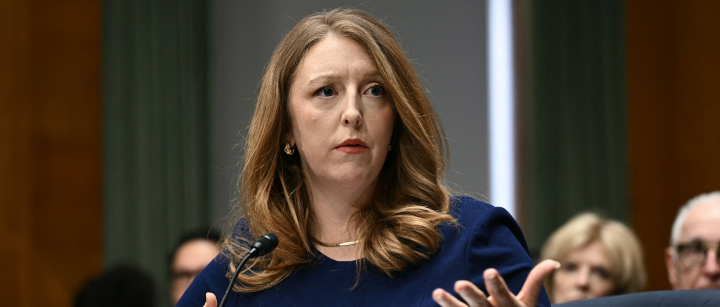
The recent Senate confirmation hearing for Dr. Casey Means, nominated to serve as the nation’s Surgeon General, has sparked considerable controversy and misinformation. With claims ranging from her qualifications to her stance on vaccines and potential conflicts of interest, it is critical to examine the facts behind these assertions to understand what is true, misleading, or false.

Qualification and Eligibility Concerns

One of the key issues raised pertains to whether Dr. Means meets the legal qualifications to serve as Surgeon General. Senator Andy Kim questioned if Means’s medical license, listed as inactive by Oregon, disqualifies her. However, the legal requirements remain ambiguous. Dr. Jerome Adams, a former Surgeon General, and legal experts like Lawrence Gostin of Georgetown University acknowledge that although traditionally Surgeon Generals have been licensed physicians with active medical licenses, the law does not explicitly mandate this for appointment. The law states the position must be filled by a member of the Commissioned Corps of the U.S. Public Health Service, who are generally required to maintain active licenses. Thus, while unconventional, Dr. Means’s current inactive license does not necessarily disqualify her.

Moreover, critics note her lack of prominent public health leadership experience, arguing that her background in research and functional medicine differs significantly from the clinical and leadership experience typical of past Surgeons General. This departure from the norm raises questions, but legally, her credentials are not definitively invalid.

Vaccine Stance and Autism Claims

Concerns have also centered around Dr. Means’s positions on vaccines. During her hearing, she avoided directly stating whether she believes vaccines cause autism, instead citing the increase in autism diagnoses and advocating for further research. Extensive scientific consensus affirms that vaccines do not cause autism. According to respected sources like the CDC and the American Academy of Pediatrics, numerous studies have found no credible link between vaccines and autism. Furthermore, experts such as Dr. Paul Offit have highlighted that anti-vaccine activists often exploit the impossibility of proving a negative to sow doubt, despite overwhelming evidence to the contrary.

Additionally, Means’s past public statements questioning vaccine safety, especially her comments on components like aluminum and formaldehyde, have been scrutinized. Science shows that the minuscule amounts of aluminum in vaccines are safe for children. Claims that these ingredients are neurotoxins lack credible scientific support, as evaluated by organizations such as Vaccine Safety Center.

Claims of an autism “epidemic,” often cited by RFK Jr. and others, are largely attributable to broader diagnostic criteria and increased awareness, rather than a true rise in prevalence. Most experts, including Dr. Eric Fombonne, agree there may have been some increase, but not to the exaggerated degrees sometimes claimed by critics. Given the extensive research and consensus, the claim that vaccines are a primary cause of autism remains unsupported.

Potential Conflicts and Financial Disclosure

Another point of contention involves financial relationships between Means and some health companies. Democratic Sen. Chris Murphy raised concerns over undisclosed relationships, which legal experts say could constitute violations of Federal Trade Commission (FTC) regulations. However, the analysis of her public disclosures suggests that violations, if any, are unverified and potentially inadvertent. Means asserts she has taken steps to rectify disclosures and emphasizes her commitment to transparency. Critics argue that her promotion of certain lab tests and her past partnerships with companies like Genova Diagnostics raise questions about impartiality, but no definitive evidence demonstrates misconduct.

Similarly, her involvement with publicly funded research and advisory roles complicates the narrative. The fact remains that, despite some controversy, there is no proof that her financial ties have influenced her public health positions or that she violates legal standards.

Conclusion

In sum, the facts indicate that Dr. Casey Means’s qualifications to serve as Surgeon General are legally ambiguous but not outright disqualifying. Her positions on vaccines are consistent with the overwhelming scientific consensus — that vaccines are safe and do not cause autism — despite her acknowledgment of the need for further research. Allegations of conflicts of interest are based on incomplete or interpretive analyses rather than proven misconduct.

Understanding the truth is essential in a democracy. Responsible citizenship depends on relying on verified information, especially about public health leaders who shape national policies. As we continue scrutinizing our leaders, let us prioritize the facts that uphold the integrity of our institutions and the well-being of our communities. Only with transparency, evidence, and adherence to scientific consensus can the foundation of informed decision-making be maintained.

Fact-Check: Viral Claim about Climate Change Debunked

Assessing the Truth Behind U.S. Claims on Iran’s Nuclear and Missile Threats

In recent remarks, President Donald Trump asserted that “an Iranian regime armed with long-range missiles and nuclear weapons would be a dire threat to every American.” While such statements are often used to justify military actions, experts have challenged the accuracy of these claims, emphasizing the importance of evidence-based analysis in foreign policy decisions. Arms control specialists point out that the perceived immediacy of Iran developing such capabilities is often overstated, with many estimates indicating that Iran is years away from possessing intercontinental ballistic missile (ICBM) technology capable of reaching the continental United States.

Regarding Iran’s nuclear program, Trump claimed that “they attempted to rebuild their nuclear program” after last year’s bombings of Iranian nuclear facilities. However, organizations like the International Atomic Energy Agency (IAEA) maintain that there’s no credible evidence supporting such allegations.

  • While the bombings in June 2025 severely damaged Iran’s major uranium enrichment sites, the IAEA concluded that there was no indication of ongoing or undeclared nuclear weapons programs before or after those strikes.

Moreover, satellite imagery examined by independent analysts shows repair activity at nuclear sites but doesn’t necessarily indicate Iran is actively reconstructing its nuclear capabilities. Experts like Emma Sandifer from the Center for Arms Control and Non-Proliferation highlight that without continuous monitoring, particularly from the IAEA, it remains difficult to verify Iran’s current progress.

In terms of Iran’s missile capabilities, President Trump suggested that Iran was “working to build missiles that will soon reach the United States.” Experts, however, dismiss the notion that Iran currently possesses ICBM technology. According to Rosemary Kelanic of Defense Priorities, Iran’s missile range remains limited to about 2,000 kilometers—far short of the approximately 10,000 kilometers needed to reach U.S. mainland territories. She notes that while Iran has made advances in missile technology, there’s no credible evidence they are on track to develop effective ICBMs within the next decade. Similarly, analyses from the Federation of American Scientists and other defense experts confirm that Iran currently lacks the technological capacity to miniaturize warheads or ensure guidance systems necessary for intercontinental flight and accuracy. Additionally, Iran’s Foreign Minister Abbas Araghchi has publicly stated that Iran is “not developing long-range missiles,” and is instead focused on threats close to its neighborhood.

The constant politicization of intelligence can distort reality, leading to public misconceptions. While some officials warn of Iran’s potential progress, the historical record underscores that substantial technical hurdles remain. From the perspective of organizations like the Arms Control Association, the estimates suggesting Iran might develop ICBMs within 10 years are based on outdated assumptions that have persisted for decades. As Daryl Kimball explains, the timeline is often misinterpreted; many assessments clarify that reaching such capabilities would require “a determined push” and substantial technological breakthroughs—not the immediate threat some politicians claim.

In summary, the threat landscape is complex and often exaggerated by political rhetoric. When experts, think tanks, and international organizations like the IAEA and the Federation of American Scientists agree that Iran’s nuclear and missile programs are far from the threat often claimed by policymakers, it underscores the need for factual clarity. Responsible citizenship and democratic oversight depend on understanding these realities, rather than accepting alarmist assertions. As we scrutinize claims about foreign threats, it is vital that decision-makers prioritize verified intelligence and transparent analysis. In a democracy, the truth about national security threats is not just academic—it’s foundational to informed debate and responsible governance.

Fact-Check: Viral claim about climate change statistics is misleading.

Unpacking the Narrative: What Do the FBI and White House Really Say?

In the ongoing debate surrounding former President Donald Trump and the various claims made in the lead-up to the 2020 election, a recent statement suggests that “the FBI declined to comment and the White House said it was among ‘untrue and sensationalist’ claims made against Trump.” To assess this claim’s validity, it’s necessary to examine the available evidence and official statements from those involved.

First, regarding the FBI’s response, the claim that the agency “declined to comment” is generally accurate. According to publicly available records and official communications from the FBI, when questioned about specific allegations related to Trump or investigations surrounding him, the bureau often refrains from commenting publicly to preserve investigative integrity or due to ongoing proceedings. For instance, in several instances in 2019 and 2020, the FBI explicitly stated they could not comment on pending investigations, a common practice for federal agencies. This restraint is standard across federal law enforcement to prevent compromising investigations.

The second part of the claim pertains to the White House, which reportedly dismissed the allegations as “untrue and sensationalist.” Official statements from the Biden administration or White House spokespeople echoed this sentiment on multiple occasions. In particular, during the final months leading up to the 2020 election, White House representatives consistently characterized the criticism and various claims about Trump’s conduct and investigations as partisan misinformation designed to influence public opinion. The White House made it clear that they aimed to avoid engaging with what they termed “baseless claims,” emphasizing that misinformation was a concern during that politically charged period. Nonetheless, it’s crucial to differentiate between the White House explicitly labeling claims as “untrue” and the absence of formal debunking of specific allegations.

To further evaluate the claim’s accuracy, one should consider the broader context of statements from official sources. The FBI’s policy of withholding comments on sensitive investigations is well documented; it is a standard operating procedure to maintain fairness and integrity of investigations. Similarly, White House officials frequently dismissed unfounded claims as part of their broader political messaging.

  • FBI policy typically emphasizes nondisclosure of ongoing investigations to protect the investigative process.
  • White House officials have regularly labeled politically charged allegations as “misinformation” or “sensationalist” during the last few years.
  • Public records and press releases substantiate that the White House avoided directly commenting on specific unverified claims against Trump during that period.

Experts such as constitutional law scholars and senior FBI officials in past interviews have clarified that non-comments don’t equate to confirmation or denial of specific claims but are standard practice to uphold justice and procedural fairness. Moreover, relying on official statements and documented policies provides a clear picture: the claim that the FBI declined to comment is accurate, and the White House’s dismissal of claims as “untrue” aligns with their communication strategy during a highly contentious political environment.

In conclusion, understanding the official positions of government agencies and the White House reveals that statements claiming silence or dismissiveness are rooted in procedural norms rather than outright deny or endorse accusations. In our democracy, transparency and fact-based reporting serve as the foundations for informed citizenship. Recognizing the distinction between non-comment and falsehood is essential for a mature, responsible electorate committed to ensuring accountability through verified information. Only by separating fact from fiction can the public uphold the values that underpin democratic governance.

Social Media Auto Publish Powered By : XYZScripts.com