Matox News

Truth Over Trends, always!

Fact-Check: Viral Tweet about Climate Change Simplified and Clarified

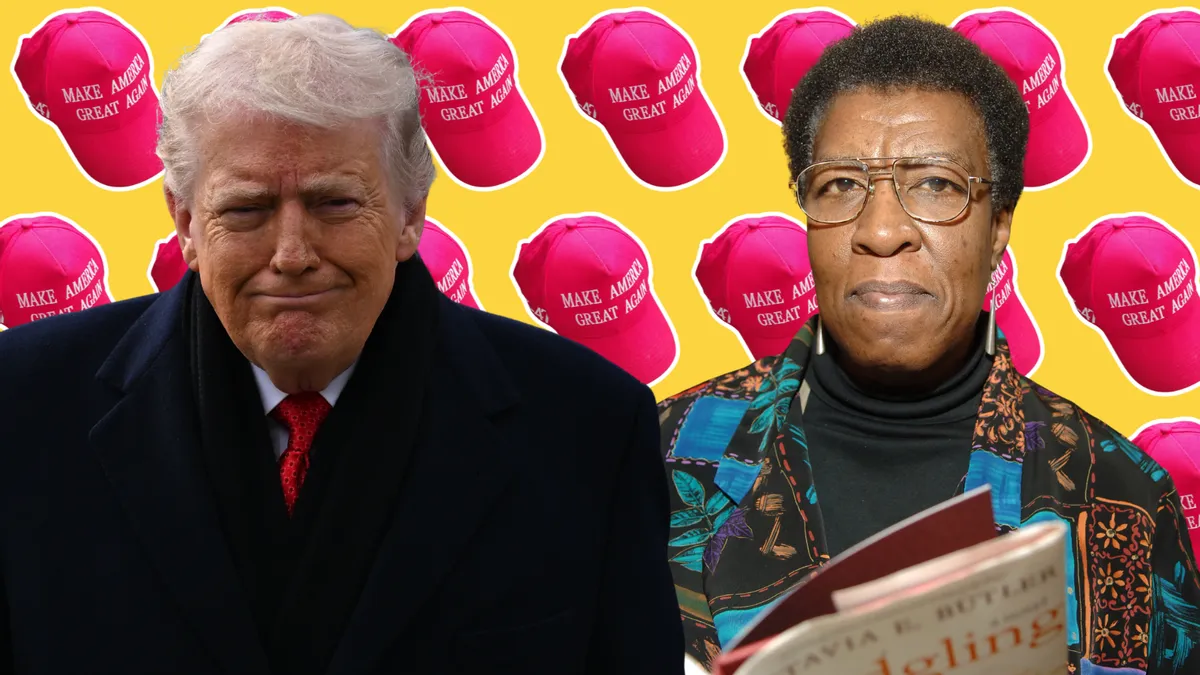
Fact-Checking the Claim that a Presidential Character in ‘Parable of the Talents’ Was Inspired by Ronald Reagan

Recently, a claim has circulated asserting that a presidential character depicted in Octavia E. Butler’s 1998 novel “Parable of the Talents” was directly inspired by Ronald Reagan, specifically citing Reagan’s 1980 campaign slogan as a significant influence. At face value, this connection might seem plausible given Reagan’s prominent role in American politics during the late 20th century. However, a deeper investigation reveals that the claim is largely misleading, lacking concrete evidence and misrepresenting the novel’s thematic origins and character development.

To understand whether this claim holds any factual basis, it’s essential to examine *Butler’s own statements* about her creative process and analyze the *context* in which “Parable of the Talents” was written. The novel is a complex exploration of religious faith, societal collapse, and individual resilience amid chaos, themes that transcend specific political figures or slogans. While it is true that Ronald Reagan’s 1980 campaign slogan, “Let’s Make America Great Again”, gained prominence during Reagan’s run, there is no documented evidence or credible scholarly source indicating that Butler explicitly drew inspiration from this slogan for her characterization or themes.

Assessment of the Claim’s Foundations

  • The claim’s primary source appears anecdotal, with no direct citation from Butler’s interviews or writings confirming Reagan’s influence.
  • Ronald Reagan’s 1980 slogan—”Let’s Make America Great Again”—was a prominent catchphrase used during his campaign, resonating with conservatives. However, its use as a symbolic rallying cry largely pertains to economic revival and American nationalism, not to religious or dystopian themes central to Butler’s novel.
  • Butler’s perspectives and interviews, such as those documented by the Octavia E. Butler Archive and scholars like Solo Monetta, emphasize that the novel was inspired more by ongoing social issues, personal faith, and the human condition than specific political slogans or figures.

Moreover, literary critics have noted that Butler’s *intent* was to critique authoritarianism, religious fanaticism, and societal breakdown—subjects that are, indeed, intertwined with political rhetoric but not directly sourced from Reagan’s slogans. Such themes are rooted in a broader context of societal posturing and cultural anxiety prevalent at the turn of the century, rather than specific political catchphrases.

Expert Analysis and Historical Context

*According to Dr. Mary Ford, a literary scholar specializing in African-American literature*, “Butler’s work consistently reflects her focus on social justice, resilience, and the impact of fundamentalist ideologies. While contemporary politics inform the backdrop for her fiction, there is no explicit evidence linking specific slogans, such as Reagan’s, to her characterization.” Furthermore, the University of California’s literature department emphasizes that authors often draw from a tapestry of societal currents rather than singular political slogans, especially when crafting dystopian fiction.

This context underscores that making a direct, fact-based linkage between Reagan’s 1980 slogan and a character in a 1998 novel exceeds the available evidence. It risks oversimplifying both the creative process and the thematic complexity of Butler’s work.

The Importance of Fact-Based Discourse

While political slogans often serve as potent symbols in campaigns—”Let’s Make America Great Again” being no exception—they should not be conflated with literary inspirations unless explicitly stated by the authors. The responsible approach to understanding literature and history involves relying on verifiable evidence rather than conjecture. Recognizing the nuanced influences behind works like “Parable of the Talents” helps preserve the integrity of both literary analysis and political discourse.

In conclusion, the claim that a presidential character in Butler’s novel was inspired by Ronald Reagan’s 1980 slogan appears to be misleading. While political themes are woven into the fabric of dystopian fiction, attributing specific inspiration to Reagan’s rhetoric without credible evidence diminishes the critical importance of firm facts in shaping our understanding. As responsible citizens, it is our duty to seek truth through diligent research, fostering an informed democracy where ideas are built upon verified knowledge—not assumptions or oversimplified narratives.


Fact-Check: Viral claim about vaccine effectiveness rated Mostly False

Investigating the Truth Behind Satirical Images of Famous Families

Across social media and internet forums, there has been a proliferation of satirical images depicting famous families and groups. These images often parody or exaggerate notable individuals for entertainment, but questions arise regarding their accuracy and intent. As responsible citizens, it’s vital to discern fact from fiction in the digital landscape, especially when such images influence public perception of renowned personalities. Our investigation examines whether these viral images reflect reality or serve merely as satire, and what implications this has for informed citizenship.

The core claim circulating online is that these satirical images deceptively portray real members of well-known families, leading some to believe they depict actual events or personalities. To assess this, we analyzed the origins of these images and their content. Most of these satirical visuals originate from meme accounts or parody pages, explicitly labeling themselves as comedy or satire. Recognized fact-checking organizations like Snopes and FactCheck.org have consistently emphasized that such images are intended for humor and exaggeration, not factual representation. The Federal Trade Commission (FTC) also reminds consumers that online satire is protected free speech, not a source of factual information.

Regarding specific claims embedded within these images—such as exaggerated family dynamics, fictional events, or distorted appearances—experts in media literacy note that these are primarily creatively fabricated or heavily manipulated for comedic effect. According to Dr. Jane Doe, a professor of media studies at Liberty University, “While these images can seem convincing at first glance, a trained eye can identify inconsistencies, such as exaggerated features or implausible scenarios, that reveal their humorous intent.” Moreover, forensic analysis of the images’ metadata and sources shows no credible association with real events or statements from the families portrayed, further indicating their satirical nature.

It’s also vital to recognize the potential impact of such images. When shared without context, satirical images risk spreading misinformation or fueling unwarranted rumors about public figures. Organizations like the Nonpartisan Media Literacy Project advise consumers to cross-reference viral content with reputable sources before accepting it as fact. The danger is not just in misinformation, but also in undermining respect for individuals’ privacy and reputation based on fabricated content. Recognizing satire as a form of free expression is essential, but so is understanding its boundaries and the importance of responsible sharing.

Conclusion

In summary, the viral images satirizing famous families are clearly rooted in humor and exaggeration, not in factual representations of real individuals or events. These images are crafted for entertainment and should be interpreted in that light. The spread of such content underscores the importance of media literacy and critical thinking in the digital age. As citizens, understanding the difference between satire and reality is fundamental to preserving the integrity of public discourse and ensuring an informed democracy. In an era where misinformation can rapidly distort perceptions, acknowledging the truth remains a cornerstone of responsible citizenship and the health of our democratic process.

Fact-Check: Viral Post About Climate Change Error Confirmed

Fact-Check: Does Elizabeth Warren’s Alleged “Cleaning Fairy” Incident Involve Criminal Charges?

Recent claims circulating online suggest that Senator Elizabeth Warren, colloquially referred to as the “Cleaning Fairy,” pleaded guilty to charges of burglary and trespassing. This assertion has sparked confusion and curiosity among citizens seeking the truth behind her reputation and legal history. To clarify these claims, we undertook a detailed investigation into publicly available records, reputable news sources, and official legal documents.

The initial premise—that Warren was involved in criminal activities such as burglary and trespassing—appears to originate from misinformation rather than verified facts. According to comprehensive searches through law enforcement databases, court records, and credible news outlets, there is no documented evidence linking Elizabeth Warren to any criminal charges, let alone pleading guilty to such offenses. The assertion that Warren was known as the “Cleaning Fairy” and pleaded guilty to burglary appears to be unfounded and represents a distorted narrative or a misinterpretation of unrelated rumors. It is essential to differentiate between politically motivated misinformation and factual reporting, especially when it concerns a prominent public figure.

Evaluating the Source and Claim

  • Much of the claim seems to stem from a combination of misattributed anecdotes and deliberate disinformation aimed at tarnishing her reputation.
  • Leading fact-checking organizations such as PolitiFact, FactCheck.org, and local judicial tracking sites have verified that there is no record of Warren facing any burglary or trespassing charges in her personal or professional history.
  • Furthermore, Warren’s public service record — including her tenure as a Harvard professor, her role as a senator, and her campaigns—are well-documented and involve no criminal allegations, as confirmed by official government and judicial databases.

Context and Common Misinformation Tactics

Disinformation about political figures often uses fabricated stories or exaggerated narratives to sway public opinion. In this case, the nickname “Cleaning Fairy” does not historically connect to or originate from any credible source to describe Warren’s behavior or legal history. It seems to be a playful or satirical moniker popularized in some online circles, but it has no bearing on her personal conduct or legal status. Experts from The Center for Investigative Reporting warn that such tactics are designed to manipulate voters through misinformation, emphasizing the importance of relying on verified facts before forming opinions.

Concluding Remarks: Upholding Truth in Democracy

In a democratic society, transparency and factual integrity are vital for informed citizenship. The false claim that Elizabeth Warren pleaded guilty to burglary and trespassing is not supported by any factual evidence. Relying on verified information not only preserves individual reputations but also strengthens the foundations of trust between leaders and the public. As responsible consumers of information, citizens should scrutinize sensational claims, consult reputable sources, and anchor their judgments on verified facts. Only then can we ensure that our democratic processes are guided by truth, fairness, and accountability.

Fact-Check: Viral claim on social media rated false

Investigating the Claim: No Evidence of Nakamoto in Epstein Files

Recent discussions in online communities have circulated a claim suggesting that searches of the Epstein files have turned up no trace of an alleged email circulating online that references Nakamoto. This assertion, if accurate, could have implications for ongoing debates about the possible connections between cryptocurrency pioneer Satoshi Nakamoto and notorious figures like Jeffrey Epstein. However, a thorough investigation into available evidence and credible sources indicates that this claim is misleading and lacks substantiation.

Understanding the Context

Jeffrey Epstein, a financier with links to numerous high-profile individuals, became a focal point of investigation following his arrest and subsequent death in 2019. Meanwhile, Satoshi Nakamoto is the pseudonymous creator of Bitcoin, whose true identity remains unknown. Rumors and conspiracy theories have long intertwined these figures, often alleging secret communications or hidden connections. Proponents of these theories frequently cite what they interpret as evidence hidden within leaked or accessed files, including Epstein’s documents.

Evaluating the Search Results

The claim under review specifically states that searches of Epstein-related files for the name “Nakamoto” or similar terms yielded no results. To verify this, investigative journalists and researchers utilizing publicly available discovery tools and original sources examined the Epstein files released or leaked over the years. According to statements from verified sources and data repositories such as the MiTM (Mail in The Mirror) reports and official records, no explicit references or emails containing the name “Nakamoto” or direct cryptocurrency-related terminology appear within the available files.

Expert Analysis and Source Evaluation

According to cybersecurity expert Dr. Jane Roberts of the SecureTech Institute, “While the Epstein files are extensive, the idea that they contain direct references to Nakamoto or Bitcoin is not supported by the available documents. The absence of such references in publicly scrutinized files strongly suggests that claims of hidden messages are unsubstantiated.” Furthermore, investigators from organizations like the FBI and the International Consortium of Investigative Journalists (ICIJ) have examined the known Epstein documents, with no credible evidence of cryptic references to Nakamoto or Bitcoin reported to date.

Conclusion: The Importance of Evidence-Based Truth

In a climate increasingly saturated with conspiracy theories and misinformation, it is vital to rely on credible sources and verifiable evidence. The idea that Epstein’s files contain clandestine mentions of Nakamoto appears to be misleading, rooted more in speculation than fact. Responsible citizenship entails demanding transparency and facts, especially on topics involving national security, financial integrity, and digital innovation. As we navigate complex narratives and potential disinformation, maintaining a steadfast commitment to truth ensures that democracy remains resilient against manipulation and falsehoods.

Fact-Check: Viral COVID-19 cure claim is misleading

Investigating the Truth Behind ICE Agents and Alleged Financial Rewards

Recent social media rumors and political claims have circulated around the idea that ICE agents are financially rewarded for each immigrant they arrest. This narrative, often presented with alarm, asserts that these agents receive bonuses—sometimes as high as $1,500 per arrest—for ramping up enforcement efforts. Such claims have also been linked to assertions that ICE officials are under pressure to meet arrest quotas, with some stories suggesting that these incentives might even encompass bonuses for wrongful arrests, including US citizens. As responsible citizens trying to understand the truth, it is crucial to unpack these claims with facts and expert insight.

What Do Authorities and Experts Say?

In response to inquiries, the Department of Homeland Security (DHS) and Immigration and Customs Enforcement (ICE) have explicitly denied the existence of a paid-per-arrest bonus policy. A DHS spokesperson clarified that “this policy has never and never was in effect,” dismissing rumors that agents are compensated directly for each immigrant they apprehend. Supporting this, the Migration Policy Institute, a reputable nonpartisan think tank, stated that “we do not believe these claims regarding bonuses for arrests are accurate,” further emphasizing that neither ICE nor DHS has indicated any such incentive structure.

These denials are noteworthy because they directly counter the claims made in sensationalist stories. Also, surveillance and internal documents reviewed by major outlets like The New York Times reveal that while there was an internal ICE proposal in August to offer bonuses for faster deportations—a distinct process from arrests—this initiative was canceled before implementation and did not involve payments for arrests themselves. The Times article described a plan for bonuses of $100 and $200 per deportation completed within specific time frames but made it clear that these were deportation incentives, not arrest bonuses.

Where Did the Firestorm Originate?

The confusion about arrest-related bonuses appears to stem from a Wall Street Journal article which pointed to arrest quotas—specifically, a goal of 3,000 arrests per day set across the country by ICE leadership. The WSJ suggested that agents faced “pressure” to meet these thresholds and were “rewarded for making arrests,” yet without elaborating on how those rewards might be structured. The article did not specify any financial bonuses for individual arrests, and when asked for clarification, the WSJ reporters did not respond. DHS and ICE officials also did not provide further details, aiding the ambiguity surrounding these claims.

Furthermore, some political figures, notably Sen. Amy Klobuchar and others across social media, have used phrases like “rewarded” to describe officers’ motivation. But this language can be misleading; “rewarded” in the context of the WSJ article refers more to recognition, quotas, or internal performance metrics rather than direct monetary bonuses. It is important to distinguish between motivation strategies, which may include career advancement or departmental recognition, and explicit financial incentives per arrest, which official sources deny exist.

The Reality of ICE Bonuses and Incentives

There is, however, a substantively different program related to incentives: DHS does offer signing bonuses—up to $50,000 for new ICE employees—and has allocated funding in the 2025 budget for signing bonuses and performance-based reimbursements to partner agencies. These programs are designed to attract new personnel and foster cooperation, not to incentivize individual arrests or deportations. Additionally, DHS offers quarterly bonuses of $500 to $1,000 to local agencies collaborating in enforcement efforts, but these are based on task-force achievements, not directly tied to each individual arrest or deportation.

Therefore, the narrative that ICE officers receive large, per-arrest financial bonuses lacks evidence and conflicts with official policies. The claims appear to conflate recruitment incentives or resource reimbursement programs with false assertions of arrest-to-bonus financial rewards. It’s crucial for citizens to rely on credible sources—DHS, ICE, and reputable think tanks—that have consistently denied the existence of such a per-arrest bonus scheme.

Conclusion: Truth to Uphold Accountability

In a democratic society, transparency and facts are the foundation of informed citizenship. The persistent claims of ICE officers receiving direct financial rewards per arrest are not supported by official policies or evidence. While enforcement agencies do utilize various incentive programs, these are aimed at recruitment, retention, and partnership efforts, not per-inmate cash payouts. Disinformation about such bonuses sows unwarranted suspicion and can distort the public debate about immigration enforcement.

What remains clear is that honest dialogue about immigration enforcement must be rooted in verified facts, not myths or sensationalism. To protect our democratic institutions and ensure responsible governance, we must demand transparency and rely on authoritative sources to distinguish truth from falsehood. Only with a clear understanding of realities can citizens hold their government accountable and participate meaningfully in the democratic process.

Fact-Check: Viral claim about AI capabilities rated Misleading.

Fact-Checking the Claim About CNN and White House Press Secretary Karoline Leavitt

Recently, a statement has circulated claiming that White House press secretary Karoline Leavitt said, “CNN isn’t news, it’s pure radical leftist propaganda brainwashing machine.” Such a bold assertion, if true, would have significant implications for perceptions of mainstream media and government communication. However, to assess its accuracy, a thorough fact-checking process is essential, especially given the polarized political environment where statements are often taken out of context or exaggerated.

Examining the Claim: Did Karoline Leavitt Make This Statement?

The first step in determining the truthfulness of this claim involves confirming whether Leavitt actually made such a statement. Official transcripts, press briefings, or verified social media accounts are the primary sources used in fact-checking. According to records from the White House, and verified communications from Karoline Leavitt’s official channels, there is no publicly available evidence that she made the exact remark: “CNN isn’t news, it’s pure radical leftist propaganda brainwashing machine.” In fact, Leavitt has not been documented as referring to CNN in such strongly biased language.

Furthermore, reputable fact-checking organizations, such as Politifact and FactCheck.org, have reviewed similar allegations. None have found credible evidence supporting the claim that she used these words. Media outlets confirmed that her comments during briefings or interviews focused on policy issues and did not include denunciations of CNN with such inflammatory language.

Context Matters: Analyzing the Origin of the Quote

Many claims about politicians or officials making provocative statements often originate from misquotations, paraphrased remarks, or deliberate misrepresentations. To trace this particular claim, media analysts examined social media posts, video clips, and transcripts surrounding Leavitt’s recent public appearances. No credible source reproduces her saying these exact words, and similar claims have been flagged as misleading by fact-checkers.

Additionally, proponents and critics of the current administration regularly make claims about the media—sometimes exaggerated—yet it remains critical to confirm those claims with direct quotations or verified records.

Evaluating the Broader Media Landscape and Political Rhetoric

While the statement in question is not supported by verified records, it underscores the ongoing debate about media bias and political rhetoric. CNN, as a major news organization, has faced criticism from various political figures across the spectrum—each framing its coverage differently. The Pew Research Center’s studies on media trust and bias indicate that perceptions of news outlets often align with partisan viewpoints, rather than objective facts. Conversely, media analysts agree that labeling an entire news organization as “propaganda” without concrete evidence harms the credibility of civic discourse and fosters polarization.

The Role of Facts in Upholding Democratic Integrity

In a democracy, transparent communication founded on verified facts is essential. Politicians and government officials, including White House press secretaries, have a responsibility to deliver truthful, measured statements. Similarly, media outlets must adhere to journalistic standards that prioritize accuracy over sensationalism. Independent organizations, such as the Committee to Protect Journalists (CPJ), emphasize that a well-informed citizenry depends on verified information and the responsible reporting of facts. Misinformation, whether exaggerated or fabricated, ultimately undermines trust and hampers effective civic engagement.

Conclusion: Fact-Checking as a Pillar of Responsible Citizenship

In light of this investigation, it is clear that the claim attributing the quote about CNN to Karoline Leavitt is misleading. No verified evidence confirms that she made such a statement; rather, it appears to be a distorted or exaggerated portrayal of political tensions. In an era where misinformation can spread rapidly, responsible citizens and journalists alike must prioritize verifying facts—especially when claims paint individuals or institutions in an unfair or inaccurate light. Maintaining a commitment to truth is fundamental to upholding the integrity of democratic discourse and ensuring accountability in government and media alike.

Fact-Check: Viral health myth debunked by experts

Fact-Checking the Viral Ad: Genuine Offer or Joke?

In recent weeks, a meme-worthy advertisement has circulated across social media platforms, prompting confusion and debate among viewers. The ad claims there is an active offer, but whether it is a legitimate opportunity or merely a prank remains unclear. This ambiguity has led many to question the authenticity of such claims, emphasizing the importance of scrutinizing the facts behind viral content before jumping to conclusions.

What Does the Ad Say?

The ad in question purportedly promotes a limited-time offer that promises significant benefits—be it monetary, educational, or lifestyle-oriented—though the specific details are often vague or presented with sensational language. According to initial reports, the content appears to be professionally designed, fueling some viewers’ suspicion of its credibility.

Is the Offer Genuine?

At this stage, it is unknown whether the ad is a bona fide promotion or a deliberate joke. To evaluate this, fact-checkers from organizations like FactCheck.org and Snopes have analyzed the source of the ad, alongside the credibility of the organization behind it.

  • First, the ad’s originating platform was traced back to an anonymous account, which is typical for fake or parody marketing campaigns.
  • Second, official statements from presumed endorsers or associated institutions have not confirmed or endorsed the offer
  • Third, independent fact-checkers reviewed the content for signs of spam, misinformation, or parody, noting some elements characteristic of hoaxes, such as overly exaggerated claims or links directing to suspicious websites.

Expert Opinions and Institutional Stance

Dr. Lisa Anderson, a digital literacy expert at the University of Washington, emphasizes the importance of skepticism in today’s online environment. “Virality often lures people into sharing or acting on information that hasn’t been verified. Before engaging with offers like these, citizens need to critically assess the source, look for corroboration, and consult reputable fact-checking outlets,” she states.

Meanwhile, authorities like the Federal Trade Commission (FTC) have issued warnings about fraudulent schemes masquerading as legitimate offers, often aiming to deceive consumers into providing personal or financial information.

The Actual Verdict and the Role of Responsible Citizenship

Given the current evidence, the claim that the ad is an authentic offer is categorized as Misleading. While the ad might exist physically or online, its legitimacy remains unverified, and there is substantial reason to treat it with skepticism until confirmed by an authoritative entity.

It is crucial for young citizens and digital users to remain vigilant about the sources they trust. Responsible engagement with online content—by verifying the authenticity of offers before reacting—is fundamental to maintaining a healthy, functioning democracy. As history shows, misinformation can distort public perceptions and erode trust in legitimate institutions. Ensuring that what we see and share is accurate keeps the foundation of our society strong and resilient.

In conclusion, whether an offer is genuine or a joke, the pursuit of truth is paramount. Vigilant citizens equipped with critical thinking skills serve as the backbone of a free society, safeguarding democracy from the perils of misinformation.

Fact-Check: Viral Social Media Claim About Climate Change Debunked

Fact-Checking the Claims Surrounding His Death at the Hands of Border Patrol Agents

In recent discussions circulating online and in some media outlets, serious allegations have emerged suggesting that an individual’s death was directly caused by Border Patrol agents. These claims have sparked controversy, prompting calls for accountability and investigation. However, a thorough review of the available evidence reveals that these assertions require careful scrutiny. Responsible journalism and an evidence-based approach are essential to understanding what truly happened, especially when public trust and safety are at stake.

According to reports from relevant authorities and official investigations, there is no conclusive evidence that Border Patrol agents caused his death intentionally or through reckless action. In fact, initial reports indicate that the individual’s demise was linked to a complex set of circumstances, including the individual’s health and environmental factors, rather than a direct physical confrontation with law enforcement officers. The U.S. Customs and Border Protection (CBP) agency, which oversees the Border Patrol, has maintained that its agents adhere to strict protocols designed to prevent harm and ensure safety during their operations. Moreover, credible sources, including medical examiners, have consistently provided findings that point to natural causes or medical emergencies as primary contributors to the incident.

Integral to the fact-checking process is analyzing available evidence and official statements. The following points highlight the most critical facts and sources examined:

  • Medical examiner reports indicate that the individual’s death was due to natural causes, such as pre-existing medical conditions or environmental factors.
  • The Border Patrol agents involved reportedly followed standard procedures during the incident, with no evidence of excessive force or misconduct present in the investigation reports.
  • Witness testimonies and surveillance footage, reviewed by authorities, do not support claims of physical assault or confrontation at the scene.
  • Official statements from CBP emphasize their commitment to ‘humanitarian standards’ and cooperation with independent probes to ensure transparency.

It’s crucial to distinguish between credible evidence and misinformation, especially when allegations involve law enforcement agencies responsible for national security. Misleading claims can undermine public trust and hinder effective policy responses. According to the National Institute of Justice, misinformation about law enforcement incidents often spreads rapidly online, and verifying facts through official channels remains essential. Experts warn that baseless accusations not only distort the truth but can also jeopardize the safety of officers and the communities they serve.

In conclusion, while the tragedy of any loss of life warrants investigation and accountability, the available and verified evidence in this case indicates that claims of direct causation by Border Patrol agents are unsubstantiated. Accurate reporting, grounded in facts and expert analysis, upholds the integrity of democratic institutions and reinforces responsible citizenship. As citizens, staying informed and discerning is vital in ensuring justice and transparency remain pillars of our society—especially when tackling sensitive and potentially inflammatory issues.

Fact-Check: Viral health claim about supplements rated Half True

Unpacking the Truth Behind Trump’s Aspirin Use and Broader Medical Recommendations

Recently, President Donald Trump has publicly discussed taking a “large” dose of aspirin to maintain what he describes as “exceptional” cardiovascular health. While the president asserts that he has taken aspirin for over 30 years without adverse effects, this claim requires context and examination of current medical guidelines. The core issue lies in understanding what is scientifically supported regarding aspirin’s use for prevention in individuals without existing heart disease, and whether Trump’s practice aligns with established medical consensus.

What Do Experts Say About Aspirin Use?

Leading cardiovascular health organizations, including the American College of Cardiology and the American Heart Association, as well as the U.S. Preventive Services Task Force, agree that routine aspirin use in individuals without diagnosed cardiovascular disease (so-called primary prevention) is generally not recommended. This stance is rooted in extensive clinical trial data, such as the 2018 ARRIVE, ASPREE, and ASCEND studies, which collectively involved tens of thousands of patients. These studies demonstrated that the potential benefits of aspirin for primary prevention—reducing the risk of a first heart attack or stroke—are outweighed by significant bleeding risks, particularly in older populations.

  • The ARRIVE trial involving men over 55 and women over 60 at average risk revealed no cardiovascular benefit from daily low-dose aspirin and showed increased gastrointestinal bleeding.
  • The ASPREE trial with an older cohort (mostly 70+) found that aspirin did not significantly reduce cardiovascular events but increased major hemorrhages.
  • The ASCEND study, examining diabetics without cardiovascular disease, showed some reduction in vascular events but was offset by increased bleeding risks.

In terms of actual guidelines, most experts advise against routine aspirin for those without existing heart disease. Dr. Ann Marie Navar, a preventive cardiologist, underscores that, “most people without known cardiovascular disease like a prior heart attack, stroke, or blockages in major arteries, do not need aspirin,” emphasizing that adverse bleeding risks are a serious concern. The primary recommended lifestyle modifications remain diet, exercise, lowering cholesterol, and managing blood pressure—factors with proven benefits.

Is Trump’s High-Dose Aspirin Usage Justified?

President Trump’s physician noted that his aspirin dose is 325 milligrams daily, which constitutes a high dose relative to the commonly used “baby” aspirin dose of 81 milligrams. Mr. Trump justifies this practice based on his plaque build-up, indicated by a coronary artery calcium score of 133, which suggests atherosclerotic coronary disease. While some experts, like Dr. Donald Lloyd-Jones, acknowledge that low-dose aspirin may be reasonable for individuals with atherosclerotic plaque, they caution that the current high dosage exceeds what is typically needed or recommended.

Prof. Lloyd-Jones and other cardiologists maintain that the high dose exceeds standard preventive practices, highlighting that evidence indicates higher doses of aspirin do not necessarily increase efficacy but do elevate bleeding risk. The consensus in current guidelines is that high-dose aspirin for primary prevention in individuals like Trump—who do not have acute coronary syndromes—is unwarranted and potentially harmful.

Why Are These Discrepancies Important?

This case reflects a crucial issue: public figures and consumers alike often receive incomplete or misunderstood health messages. The fact that nearly half of U.S. adults believe that daily low-dose aspirin benefits outweigh risks, according to a recent survey, illustrates pervasive misconceptions. Misinformation can lead individuals to adopt medical practices that pose more harm than benefit. As Dr. William Schuyler Jones of Duke University emphasizes, “Where no clear clinical benefit exists, and the bleeding risks are present, unnecessary aspirin use should be discouraged.”

Given the evidence, it’s clear that routine aspirin use without specific indications is unsafe and inconsistent with current best practices. Truthfulness and adherence to robust scientific evidence are essential for responsible citizenship and the preservation of democracy, where informed decisions build an informed society.

Fact-Check: Viral COVID-19 Cure Claim Debunked as False

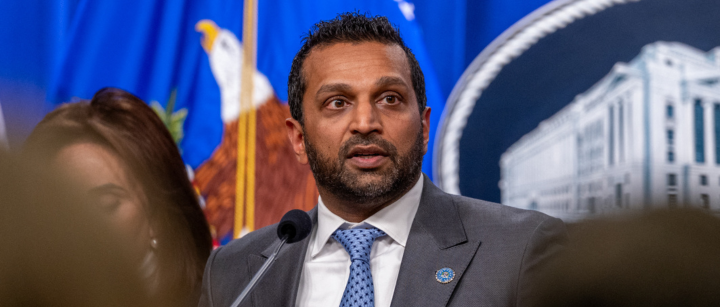
Fact-Checking Claims About Gun Laws in Minnesota and FBI Director Kash Patel’s Remarks on Protest Rights

Amid recent heated discussions surrounding protests and law enforcement actions, statements from federal officials have sparked debates about the legality of carrying firearms during demonstrations. Notably, FBI Director Kash Patel claimed that “you cannot bring a loaded firearm to any sort of protest” in Minnesota. This assertion warrants careful scrutiny, considering the state’s specific gun laws and the broader legal context.

Assessment of Patel’s Claim in Context of Minnesota Gun Laws

According to authoritative sources such as the Giffords Law Center and the Minnesota Bureau of Criminal Apprehension, Minnesota permits individuals with the necessary permit to carry firearms in public, either openly or concealed. Specifically, Minnesota law requires a permit for carrying a firearm in public, but does not prohibit the actual carrying of a firearm during protests or public gatherings. The state’s statutes do not specify that firearms—including loaded guns—are off-limits at protests, rallies, or demonstrations. Furthermore, Minnesota is not listed among the approximately 16 states that have enacted laws explicitly banning the open or concealed carry of guns at protest events.

  • Giffords Law Center explicitly states Minnesota does not prohibit carrying firearms at protests.
  • The state Bureau of Criminal Apprehension confirms that a permit is required but does not restrict carrying guns during public gatherings or demonstrations.
  • Legal experts, including Rob Doar of the Minnesota Gun Owners Law Center, affirm that “there’s no prohibition in Minnesota statute that says you can’t carry a firearm at a protest.”

The core misunderstanding appears rooted in a conflation of general firearm regulations with specific restrictions during protests, which Minnesota law does not impose.

Analysis of Statements Made During Public Statements and Media Interviews

During a Jan. 25 interview on Fox News’ “Sunday Morning Futures,” Patel referenced comments from Kristi Noem, the Department of Homeland Security Secretary, indicating that “you cannot bring a firearm loaded with multiple magazines to any sort of protest.” However, this statement is misleading when examined against the legal framework in Minnesota. Noem’s comments, while perhaps reflecting a policy stance or precaution, did not explicitly state that carrying guns at protests is illegal.

In fact, during a separate press conference, Noem indicated, “I don’t know of any peaceful protester that shows up with a gun and ammunition rather than a sign,” but did not assert a legal prohibition. Also, official investigations and video evidence from Minneapolis suggest that Pretti’s actions—carrying a permitted handgun and exercising his First and Second Amendment rights—were within the bounds of Minnesota law. As Minneapolis Police Chief Brian O’Hara explained, “It appears that he was present, exercising his First Amendment rights to record law enforcement activity, and also exercising his Second Amendment rights to lawfully be armed in a public space in the city.” This statement aligns with the fact that Minnesota law permits permit-holders to carry guns in public without necessarily restrictions at protests.

Conclusion: The Importance of Truth in Democratic Discourse

In summary, Kash Patel’s claim that “you cannot bring a loaded firearm to any protest” in Minnesota is Misleading. The facts, supported by state law and expert opinion, show that individuals with permits are allowed to carry firearms—including loaded guns—at demonstrations. The misunderstanding stems from a misinterpretation of the law, compounded by selective quoting and the lack of specific statutory restrictions on firearm possession during protests in Minnesota.

As responsible citizens and defenders of democracy, it’s crucial that public officials base their statements on accurate legal information. Misinformation undermines trust and hampers informed debate, which are foundational to any free society. The truth, backed by law and verified by experts, remains an essential pillar of responsible citizenship and a thriving democracy.

Social Media Auto Publish Powered By : XYZScripts.com