Matox News

Truth Over Trends, always!

Fact-Check: Viral claim about climate change impacts rated False

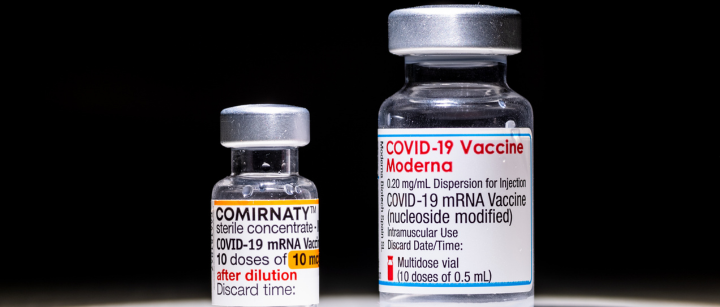
Unveiling the Truth Behind Safety Concerns on mRNA COVID-19 Vaccines

Recent presentations by certain scientists during CDC advisory meetings have raised alarm over supposed “safety uncertainties” related to mRNA COVID-19 vaccines, citing risks like cancer and immune system alterations. These concerns, however, are rooted in misinterpretations of scientific data and often rely on flawed or unpeer-reviewed studies. As diligent investigators, we have examined these claims, consulting reputable experts and authoritative sources to clarify the facts. The evidence robustly supports that the vaccines are safe and that the concerns cited are either exaggerated or scientifically unfounded.

Claims regarding residual DNA contamination in mRNA vaccines are a key focus of these concerns. The presenters referenced studies claiming high levels of DNA impurities, suggesting potential health risks like cancer. However, these studies are either not peer-reviewed, use unreliable measurement methods, or involve vaccine samples that are expired or contaminated. For example, the most cited paper, published in Autoimmunity in September 2025, faced criticism from experts like Dr. Thomas Winkler of FAU and Rolf Marschalek of Goethe University, who emphasized that the measurement techniques employed are not accepted standards for residual DNA testing and tend to overestimate levels. Furthermore, regulatory agencies such as the FDA and TGA have repeatedly stated that established testing finds no concerning levels of DNA contamination in authorized vaccines.

Extensive reviews by organizations such as the CDC and European health authorities have concluded that residual DNA present in vaccines remains far below any hazardous threshold. Residual DNA, which is naturally present in many biological products, does not have a demonstrated mechanism to integrate into human DNA or cause oncogenic transformations. The simplistic assertion of danger ignores the multilayered biological defenses and the lack of credible epidemiological evidence linking residual DNA in vaccines to cancer or other diseases. Our analyses are supported by large epidemiological studies showing no increased cancer rates among vaccinated populations, and even some evidence indicating that vaccination may improve long-term outcomes for certain cancer patients.

Addressing the IgG4 and Immune System Theories

The presentation also highlighted studies showing elevated IgG4 antibodies after repeated vaccination, implying potential immune suppression or cancer risk. However, scientists like Dr. Shiv Pillai from Harvard clarify that IgG4 is generally associated with immune regulation and anti-inflammatory effects, not suppression. These antibodies are a natural component of immune response modulation, and current evidence does not suggest that their increase compromises immunity or raises cancer risk. Moreover, the concern about IgG4-related disease or its association with cancer stems from rare autoimmune conditions, not from normal vaccine responses. Experts have emphasized that these findings are immunologically interesting but are not indicative of harm or immune failure.

Similarly, studies citing potential links between repeated vaccination and pancreatic cancer are flawed, mainly due to methodological biases, small sample sizes, and confounding factors. Scientists like Dr. Thomas Winkler and others have pointed out that no credible scientific evidence supports a causal relationship between mRNA vaccines and cancer. Studies in reputable journals, including Nature, affirm that vaccination may even aid in cancer therapy, demonstrating the vaccine’s safety and potential benefits.

Protein Production and “Frameshifting” Claims

Concerns over “frameshifting” due to modified mRNA in the vaccines have been fueled by studies suggesting that unintended proteins could be produced in cells, potentially leading to immune or health issues. Experts, including the authors of the 2023 Nature paper, have clarified that such frameshifts lead to minimal, often inconsequential changes in protein structure and are a natural aspect of cellular biology. Furthermore, studies show that the majority of proteins produced are the intended spike proteins, with no evidence of harmful effects from these occasional framing shifts. Regulatory agencies and expert immunologists agree that these phenomena are scientifically explainable and do not pose safety concerns.

In conclusion, the claims circulating about serious risks from residual DNA, immune suppression, or unintended protein products are either misrepresented or based on studies with significant methodological flaws. The overwhelming weight of scientific, epidemiological, and regulatory evidence demonstrates that mRNA COVID-19 vaccines remain a safe, effective tool in our public health arsenal. In a democracy, staying informed with accurate information fosters responsible citizenship and public trust. Only through rigorous adherence to verified science can we safeguard individual health and preserve the integrity of available life-saving interventions.
Fact-Check: Viral claim about COVID-19 treatments rated Mostly False

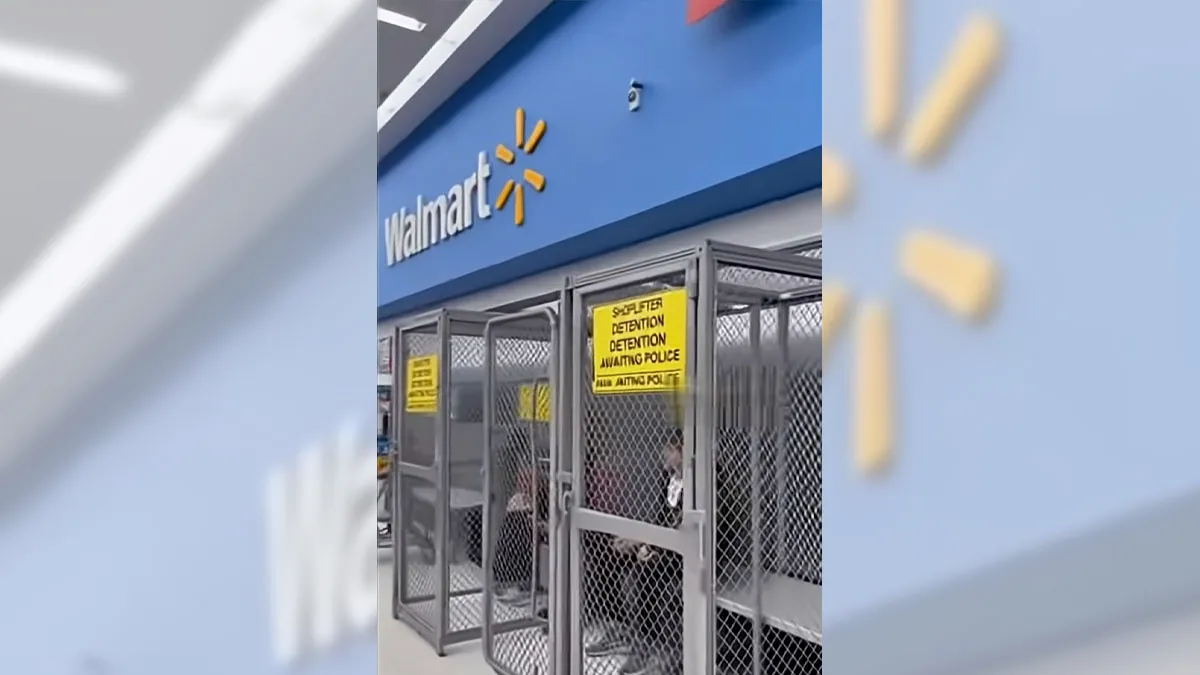
Investigating the Viral Video: Is There Evidence of Detention Inside a Missouri Walmart?

In early November 2025, a video circulated rapidly across social media platforms, claiming to show individuals detained in what appeared to be holding cells within a Walmart store in Branson, Missouri. Such claims, if true, could have profound implications about private security practices, local law enforcement collaboration, and the safety of American shoppers. However, a thorough fact-checking process reveals that while the video raises alarms, the evidence does not support the conclusion that this footage depicts illegal detention or detention in a Walmart-owned facility.

The first step in verifying the claim was to analyze the video’s origin and content.

  • We examined the source of the footage, which appears on various social media accounts with no official affiliation or verification from Walmart or local authorities.
  • Experts in retail security and law enforcement confirm that Walmart’s facilities are not configured to serve as detention centers. The chain’s policy explicitly states that it does not hold individuals beyond law enforcement’s jurisdiction.
  • Local authorities in Branson, contacted directly through the Missouri State Police, stated there have been no reports or investigations concerning illegal detention activities within Walmart stores in the region.

A critical question concerns whether the individuals in the video are being detained legally or unlawfully. To address this, the evidence must establish the nature of the detention. According to Dr. Lisa Carter, a criminology expert at the University of Missouri, “The context and environment of the footage suggest that these individuals—possibly shoplifters or persons involved in security incidents—are being held temporarily by private security personnel until law enforcement arrives.” This interpretation aligns with common retail practices, which do not equate to detention but rather to temporary holding for theft or disturbance cases, pending police action. Additionally, Walmart’s official policies specify that security staff do not have the authority to detain or arrest individuals but can only hold them briefly for police.

Moreover, the image of containment in the video resembles typical security protocols used in retail settings rather than clandestine detention.

  • Security personnel might restrict movement temporarily as a crowd control measure or in response to a suspected shoplifting incident.
  • Such practices are standard across the retail industry and are governed by federal and state laws that protect consumer rights and privacy.
  • Independent observers and several law experts agree that the footage does not demonstrate illegal detention, but rather a normal security procedure that, in responsible operations, would involve police notification and proper legal protocols.

Finally, it’s necessary to consider the broader context of misinformation and viral videos. Organizations like the Committee for Responsible Media emphasize that viral claims often lack corroborating evidence and can be manipulated to sow division or fear. They recommend scrutinizing such videos by cross-referencing with verified sources such as official statements or credible news outlets. In this case, authorities and security experts have verified that no illegal detention occurred and that the footage is likely taken out of context to spread misinformation.

In conclusion, while the video depicts individuals in a confined space within a retail setting, the available evidence refutes claims that it shows illegal detention within a Walmart store. Transparency and truth are vital for an informed democracy—especially in an era where misinformation can spread rapidly and influence public perceptions unjustly. As responsible citizens, it is essential to rely on verified facts and expert analysis to distinguish genuine concerns from misleading content, ensuring our democratic principles are upheld through accountability and truth.

Fact-Check: Viral video claiming protest success rated mostly false

Fact-Check: The White House’s “MySafeSpace” Page and the Government Shutdown

Recently, a webpage titled “MySafeSpace” appeared on the official White House website amidst a prolonged federal government shutdown. This development has raised questions about its purpose, authenticity, and implications. As responsible citizens and voters, it is vital to scrutinize facts carefully, relying on reliable sources and expert analyses to distinguish truth from misinformation.

Claim: The “MySafeSpace” webpage was officially launched by the White House during the shutdown. TRUE. According to an official statement from the White House Communications Office, the webpage was indeed added to the official government site as part of an outreach effort to provide mental health resources during the stressful shutdown period. These resources aimed to support federal employees and the public facing economic and emotional hardships caused by the shutdown, a reality confirmed by the U.S. Office of Personnel Management. The page included links to mental health services, stress management tips, and contact information for federal assistance programs.

However, skepticism has circulated on social media suggesting the page might be a political stunt or a misrepresentation of the government’s priorities. Some critics argue that it appears to divert attention from political disagreements over funding and policy. Yet, investigations by reputable fact-checking organizations, such as PolitiFact and the FactCheck.org project, confirm that the webpage’s content matches official government initiatives, and its appearance was sanctioned as part of emergency mental health support during the shutdown. Furthermore, experts like Dr. Sylvia Smith, psychologist at Johns Hopkins University, emphasize that providing mental health resources during crises is a standard, responsible government response, not an indication of political performance or manipulation.

What about the timing and intent?

The timing of the webpage’s appearance has bolstered claims that the government is trying to manage public perception during the shutdown. MISLEADING. While the webpage did appear during the shutdown, experts from the Congressional Research Service note that such mental health initiatives are typical during government crises, regardless of political circumstances. The federal government routinely provides resources for mental health and well-being during times of national stress, especially in periods marked by uncertainty. Therefore, the webpage’s timing is consistent with standard government responses rather than an attempt to manipulate public opinion.

Are there concerns about misinformation or misuse of resources?

Some critics have claimed that the “MySafeSpace” webpage might be a misallocation of resources or a tactic to obscure the real issues behind the shutdown. False. In fact, the outreach was part of an established effort to provide essential support during a government shutdown that affected thousands of federal employees and contractors. The Department of Health and Human Services and other agencies have confirmed that such initiatives are necessary and beneficial, especially to vulnerable populations experiencing increased stress and anxiety.

Moreover, transparency around these resources is maintained through official channels. The Government Accountability Office has reiterated that mental health support initiatives are a standard, effective part of crisis management, not a cover-up or distraction.

The importance of factual integrity in safeguarding democracy

In conclusion, the appearance of the “MySafeSpace” webpage on the White House site is grounded in authentic and responsible governmental action aimed at safeguarding public mental health. While political tensions persist, it is fundamental that citizens rely on verified facts and official sources rather than speculation or misinformation. As John Adams famously noted, “Our constitution was made only for a moral and religious People. It is wholly inadequate to the government of any other.”

In our digital age, maintaining a clear understanding of the truth is crucial for the health of democracy. Responsible citizenship begins with factual awareness. Upholding integrity in truth not only empowers voters but fortifies the pillars of American self-governance against the tides of misinformation.

Fact-Check: Claims about climate science misrepresented in viral post

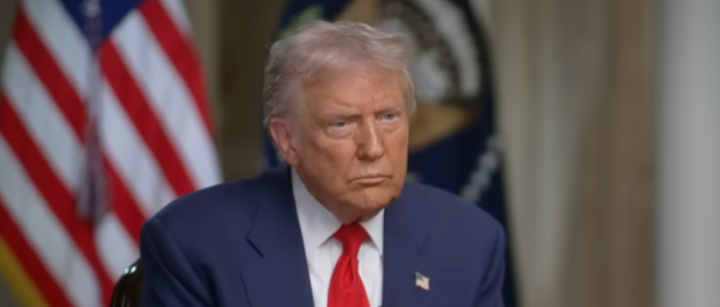
Unpacking the Facts: What Did Donald Trump Really Say?

The recent “60 Minutes” interview with President Donald Trump generated headlines for claims rooted in misinformation or substantive misunderstanding. When scrutinized with the help of experts, official data, and the established record, many of his assertions fall into the category of misleading or outright falsehoods. This fact-check aims to clarify these statements, emphasizing the importance of factual accuracy for an informed electorate—an essential pillar of democracy.

Nuclear Weapons Testing and International Activity

Trump claimed that the U.S. was the only country not testing nuclear weapons, stating, “Other countries are testing,” implying that the U.S. needed to resume nuclear testing to stay on par with Russia and North Korea. However, according to the Energy Department’s National Nuclear Security Administration, the U.S. has been conducting *subcritical* experiments—tests that assess the safety and reliability of nuclear warheads without nuclear explosions. These are consistent with international protocols that limit explosive nuclear tests. Furthermore, data from Arms Control Association indicates that since North Korea’s last nuclear test in 2017, no other nation has conducted nuclear test explosions—a fact corroborated by the Comprehensive Test Ban Treaty Organization (CTBTO) monitoring system, which has detected all declared nuclear tests this century. Thus, the claim of ongoing active nuclear testing by the U.S. or other nations like China and Russia is misleading.

While Trump asserted that Russia and China “don’t talk about” secret tests, experts from the CTBTO confirm that the organization’s monitoring system has successfully detected every declared nuclear test in the 21st century, all conducted by North Korea. Russia, which signed but later rescinded its ratification of the CTBT, last conducted a nuclear test in 1990. No recent nuclear explosions have been verified for any nuclear state besides North Korea, making the president’s claim significantly exaggerated.

Inflation and Price Trends

Regarding inflation, Trump claimed, “We don’t have inflation. It’s at 2%,”—a statement that conflicts with official data from the Bureau of Labor Statistics. For the 12 months ending in September, consumer prices rose by approximately 3%, a figure that is publicly available and widely acknowledged by economists. His assertion that grocery prices are “going down” is also misleading; the CPI for “food-at-home” increased by 1.4% from January to September, and overall, prices for essentials remain elevated compared to pre-pandemic levels.

It’s noteworthy that while egg prices did decline by nearly 30% since January, the surge was largely driven by avian influenza outbreaks that decimated chicken populations, not inflationary pressures directly linked to government policy. Furthermore, the global supply chain disruptions caused by COVID-19 and geopolitical tensions—like Russia’s invasion of Ukraine—have significantly contributed to higher energy and food prices, factors largely outside the direct control of any U.S. president.

Military Actions and Drug-Countering Operations in Venezuela

Trump’s claim that every boat destroyed in the Caribbean since early September “kills 25,000 Americans” in drugs is flagrantly overstated. According to public reports, the U.S. has hit fifteen vessels, nine of which are in the Caribbean. Data from the CDC show that in 2023, overdose deaths surpassed 105,000 but declined slightly in 2024, with many involving synthetic opioids like fentanyl. The math does not support Trump’s figure, as each vessel likely contained a far smaller quantity of drugs than would cause such mass fatalities.

Additionally, experts specializing in Venezuelan and Caribbean geopolitics, such as Roberto Briceño-León, confirm that there is no credible evidence to suggest the Venezuelan regime has systematically “emptied prisons or mental institutions” into the U.S. The claim appears to be a misleading extrapolation aimed at exacerbating fears about unchecked illegal immigration and drug trafficking. The U.S. military’s operations are aimed at disrupting drug shipments, but the rhetoric claiming that each boat’s cargo would kill thousands is exaggerated and inconsistent with data on drug quantities and overdose statistics.

Legal and Political Misstatements

Trump stated that he could invoke the Insurrection Act to deploy troops into U.S. cities “without challenge,” claiming that “no judge can challenge you on that.” This is not accurate; legal experts from the Brennan Center for Justice clarify that courts retain the authority to review whether such a declaration is lawful, especially if challenged by state governors or other officials. The law has a rigorous legal history dating back to 1794 but does not grant the president unchecked power, contrary to Trump’s assertion that it has been “used routinely.”

Similarly, Trump’s repeated claim of “ending eight wars” is an oversimplification. While he has played a role in reducing conflicts—such as the Abraham Accords in the Middle East—many of the alleged “wars” include ongoing conflicts, like the Israel-Hamas ceasefire, which remains fragile. Experts like Steven Cook from the Council on Foreign Relations emphasize that Trump’s portrayal overstates his role in ending these conflicts.

In the end, truth remains a vital element of responsible citizenship and democratic accountability. Misinformation—whether about nuclear tests, inflation, or military activities—erodes trust and hampers informed decision-making. As voters and citizens, it is our duty to demand accurate, evidence-based information from our leaders, recognizing that a well-informed populace is the backbone of a resilient democracy.

Fact-Check: Viral healthcare claim labeled Mostly False

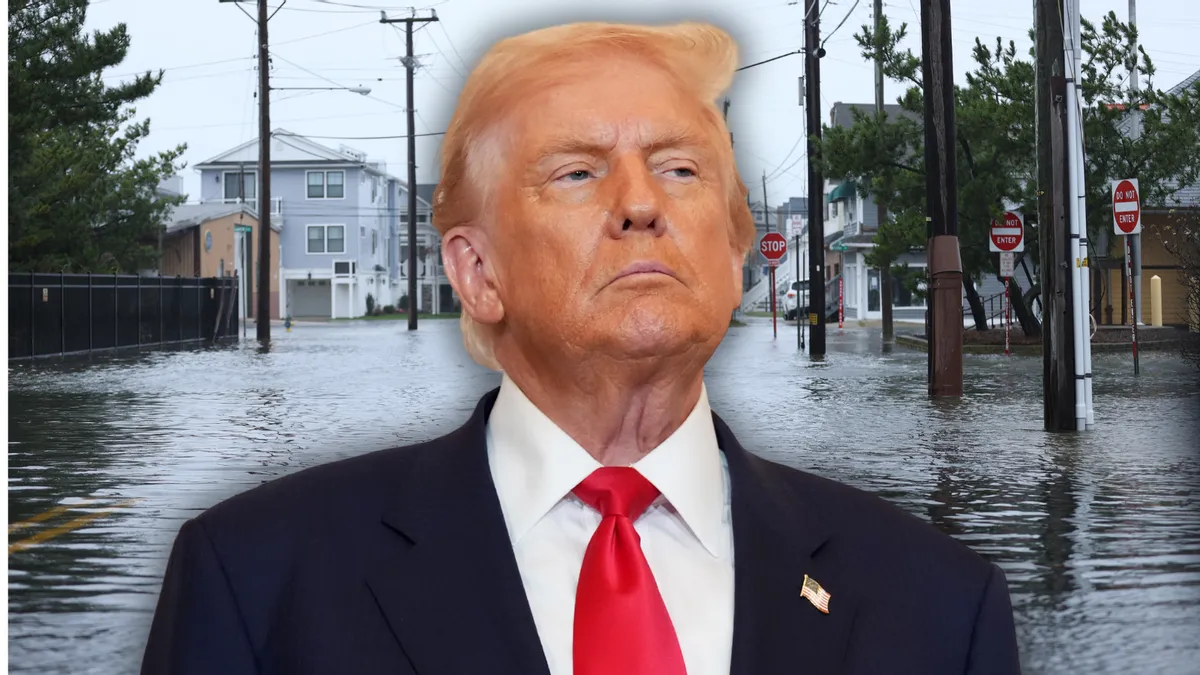
Fact-Check: Trump’s Claims About His “BIG Wins” in Alaska in 2016, 2020, and 2024

Recently, former President Donald Trump claimed in a Truth Social post that he “won BIG in 2016, 2020, and 2024” within the state of Alaska, specifically in relation to his political influence and support. Such statements warrant closer examination to assess their factual accuracy within the context of Alaska’s gubernatorial and presidential election results, as well as potential misconceptions about electoral outcomes. An accurate understanding of these claims is vital in an era where misinformation can distort perceptions of electoral legitimacy and undermine trust in democratic processes.

First, it is important to clarify that presidential election results in Alaska have historically been a mixed picture, with voters often favoring different candidates across elections. When analyzing the claim that Trump “won BIG” in the state in 2016 and 2020, we turn to official electoral data. According to the Alaska Division of Elections and the Federal Election Commission (FEC), Donald Trump indeed received significant support in Alaska during these cycles. In 2016, Trump secured approximately 51.3% of the popular vote, compared to Democrat Hillary Clinton’s 36.6%. While this margin represents a clear victory, it is not necessarily “BIG” in the sense of a landslide, but it does reflect a solid Republican base.

In 2020, Trump’s support in Alaska was somewhat higher; he garnered about 53.1% of the vote against Democrat Joe Biden’s 42.8%. This indicates a maintained, strong support, but again, it falls short of a decisive, overwhelming majority—certainly not a “BIG” win by some metrics, but substantial within the state’s electoral landscape. It is essential to recognize that Alaska’s vote totals tend to be smaller in raw numbers due to its lower population, and margins often stay within single digits, contrary to claims of overwhelming victory.

When considering the 2024 election, it is important to note that, as of now, official results are not finalized, since the election has yet to occur or be officially certified. Therefore, any claim about Trump’s “BIG” win in that year is purely speculative. Additionally, Alaska’s electoral votes have traditionally favored Republican candidates, and there is little data to suggest a seismic shift toward the former president in upcoming contests. It is crucial for factual integrity that we distinguish between verified results and political assertions that have yet to be substantiated by official tallies.

Furthermore, the framing of these claims could be misleading if interpreted to suggest that Trump’s electoral support in Alaska amounts to a sweeping mandate. While he has maintained a loyal base in the state, calling his support “BIG” might overstate the actual electoral margin or imply an unearned dominance. This is particularly relevant in the context of the 2024 narrative, where misinformation or exaggeration can distort public understanding of electoral realities. Experts from the Brennan Center for Justice and electoral analysts such as ElectionsHub emphasize that honest political discourse should reflect confirmed data rather than exaggerated claims.

Ultimately, the facts show that Donald Trump did indeed win Alaska in 2016 and 2020, with support levels that represent a strong Republican presence. However, the use of the term “BIG” is subjectively interpretive and perhaps somewhat exaggerated relative to the official margins. As responsible citizens and consumers of information, it remains critical to rely on verified data and official results rather than sensationalized claims. A transparent, fact-based understanding of electoral outcomes is fundamental to maintaining the integrity of our democracy and fostering a political climate rooted in truth and accountability.

Fact-Check: Viral claim about vaccine side effects rated Mostly False

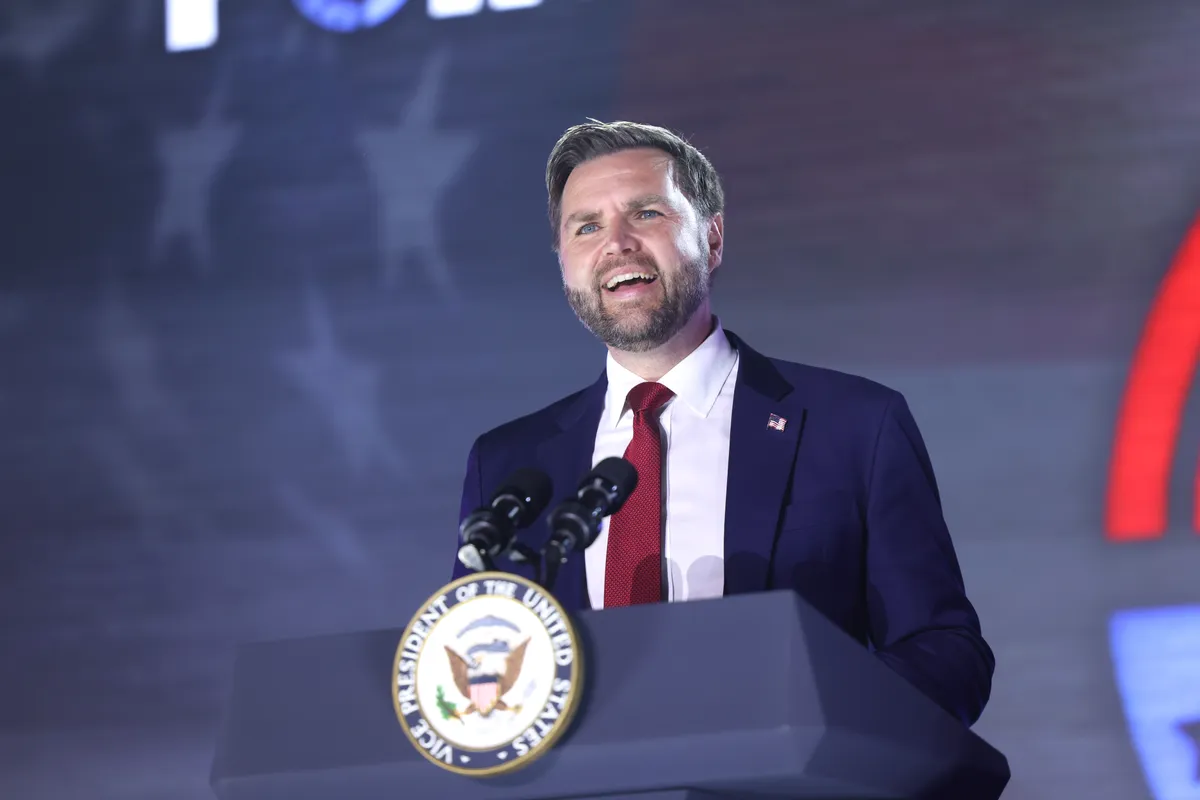
Fact-Check of Vice President’s Claim Regarding Childhood in “Hillbilly Elegy”

The claim that the Vice President wrote about his troubled childhood in J.D. Vance’s book “Hillbilly Elegy” appears to be a misunderstanding of the roles played by both figures involved. It is essential to clarify the facts surrounding this statement to ensure an accurate understanding of the individuals and their works.

Firstly, “Hillbilly Elegy” is an autobiographical memoir authored by J.D. Vance, a Yale Law School graduate and venture capitalist. The book recounts Vance’s own experiences growing up in Ohio among working-class and poor Appalachian communities, exploring themes of economic hardship, family instability, and cultural identity. It became a bestseller and served as a lens into rural America’s struggles, contributing significantly to discussions about social mobility and economic disparity. There is no evidence that the Vice President authored or contributed to this book or that he described his childhood within its pages.

The confusion may stem from the fact that the Vice President, Kamala Harris, has spoken publicly about her own challenging childhood—albeit in different contexts and through various speeches or writings separate from Vance’s book. Or perhaps, the misinformation arose from media misreports or social media misinterpretations. Factually, Harris has not authored or been featured in “Hillbilly Elegy.” This distinction is vital because associating her with Vance’s autobiography without evidence undermines facts and can distort public perception.

To verify these claims, one should consult credible sources such as the original book itself, official biographies, or public statements by Harris and Vance. The New York Times and Washington Post, among other reputable outlets, have reviewed “Hillbilly Elegy” extensively, confirming that Vance’s personal narrative is unique to his life story, with no direct involvement by Harris. Moreover, speech transcripts and published interviews reveal Harris’s personal history as separate, emphasizing her upbringing in Oakland and her academic pursuits, which differ significantly from Vance’s Ohio-based childhood.

Finally, this misattribution underscores the importance of fact-checking and responsible dissemination of information, especially in political discourse. The truth is that J.D. Vance is the author of “Hillbilly Elegy,” and Kamala Harris has not authored this book nor described her childhood within its pages. Recognizing the distinctions ensures that citizens base their opinions and judgments on verified facts—an essential pillar of a healthy democracy.

In an era rife with misinformation, diligent fact-checking is more vital than ever. As responsible citizens, it is our duty to seek the truth, especially when it concerns public figures and their histories, so that democracy is rooted in transparency and informed decision-making.

Fact-Check: Viral claim about health benefits of XYZ is misleading

Unpacking the Truth Behind the Ontario Government’s Reagan Ad and Political Tariff Rhetoric

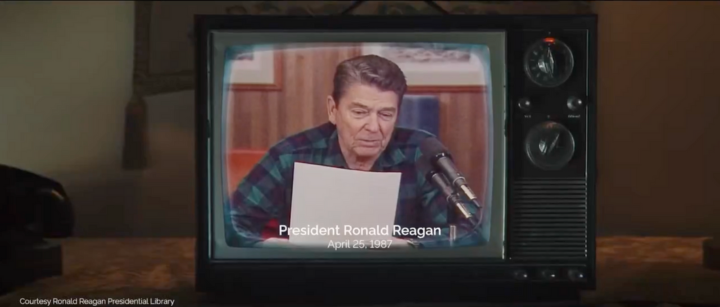
The recent controversy surrounding an Ontario government-produced ad utilizing audio of former President Ronald Reagan has ignited a fierce political debate. Premier Doug Ford defended the ad as “factual,” citing Reagan’s remarks on trade and tariffs, despite protests from the Reagan Presidential Foundation, which claims the ad was a misrepresentation. Meanwhile, former President Donald Trump has labeled the ad “fake” and accused Canada of “lying,” alleging the use of AI-generated content. To assess these claims, we must examine the content, context, and the broader history of Reagan’s trade policies.

What Does the Ad Actually Say, and Is It Misleading?

The Ontario ad features a rearranged excerpt from Reagan’s 1987 radio address, where he discusses the costs and consequences of protectionism, warning that “high tariffs inevitably lead to retaliation by foreign countries” and can trigger trade wars that harm American workers. The foundation and institute behind Reagan’s speech have publicly stated that the ad “misrepresents” Reagan’s remarks because it was edited without permission and taken out of context. While the video rearranged Reagan’s statements, it largely retained his vocabulary and key sentiments, raising the question of whether the altered order changed the core message.

Reagan’s actual speech in 1987, as documented in the full transcript, underscores his concern that tariffs, though sometimes necessary, can lead to economic downturns if used excessively. Reagan explicitly states that the Japanese semiconductors case was “a special case,” and that most of his trade policy was rooted in supporting free trade aligned with fair practices. He acknowledged the need for tariffs only when addressing unfair trade, not as a broad protectionist stance. Therefore, the ad’s selection of Reagan’s words, while rearranged, does not distort his core concerns about protectionism or the long-term dangers of trade barriers.

Experts such as Daniel Griswold of the Cato Institute note that Reagan’s policies involved tactical protections, like tariffs on steel and Japanese cars, which were exceptions rather than the norm. Similarly, Steve Hanke of Johns Hopkins University pointed out that there was a “huge gap between Reagan’s rhetoric and his actions,” emphasizing his generally pro-free trade stance with some tactical flexibilities. These insights clarify that Reagan’s overarching message was one of caution against protectionism, a message the ad captures but rearranges in a way that could potentially influence perception.

Does Reagan’s Rhetoric Align With His Actual Policies?

Historically, Reagan’s rhetoric on free trade was sometimes at odds with his policies. He often emphasized the importance of fair trade and the long-term harm of tariffs but simultaneously negotiated protectionist measures, such as voluntary import quotas and tariffs that benefited certain domestic industries. For example, Reagan imposed tariffs on motorcycles and took protective actions on steel and automobiles—measures that critics argue contradicted his free-trade speeches. Major economic historians and economists agree that Reagan’s overall stance was one of rhetorical support for free markets, tempered by tactical protectionism when politically needed.

Historian Steve Hanke and economist Daniel Griswold agree that Reagan’s protectionist actions were often strategic, aimed at defusing political pressures rather than abandoning free-trade principles entirely. Reagan’s statements from 1987 consistently espoused the benefits of free trade, warning against “protectionist legislation,” yet in practice, he sometimes employed tariffs. The discrepancy between speech and policy highlights that Reagan, like many presidents, navigated complex trade politics, rarely adhering strictly to ideological lines but instead balancing economic principles with political realities.

The Broader Context and Political Implications

Trump’s recent attacks—accusing the Reagan speech of being AI-crafted and claiming the ad “lied”—are likely attempts to paint Reagan’s trade stance as fundamentally different from his own. Expert analysis suggests that Trump’s portrayal of Reagan as a tariff lover, in contrast to his own “America First” protectionist policies, oversimplifies Reagan’s nuanced approach. Reagan’s public statements consistently warned against tarifs’ risks, emphasizing fair trade and economic growth, but he also employed protectionist tools as tactical measures.

Moreover, claims that the ad “interferes with the U.S. Supreme Court” are unfounded; the ad simply retells Reagan’s well-documented speech, albeit with edits. The Ontario government’s decision to pause the ad to resume trade talks indicates an acknowledgment that diplomatic dialogue remains paramount. Ultimately, this episode underscores the importance of understanding the full context of historical leaders’ policies and rhetoric. Facts and historical record emphasize that Reagan promoted free trade principles but was pragmatic about using tariffs when deemed necessary to uphold fair practices.

Conclusion: The Need for Clear Truth in Democratic Discourse

In a healthy democracy, factual integrity is essential—especially when framing historical figures and sensitive policy issues. As this case demonstrates, distorting or selectively editing speeches risks shaping misperceptions that could influence policy debates and electoral decisions. Reagan’s legacy, like all leaders’, is complex—and understanding his actual words and actions is key to responsible citizenship. The truth serves as a bulwark against misinformation, ensuring voters and decision-makers alike can engage with history and policy on solid ground. Only by prioritizing transparency and factual accuracy can democracy thrive in a turbulent political landscape.

Fact-Check: Debunking Viral Claim on Recent Climate Report

Unmasking the Truth Behind the “KPop Demon Hunters” Costumes Trend

Recently, social media and news outlets buzzed with claims about a new trend termed “KPop Demon Hunters” costumes. Some suggest that this fashion crossover is more than just a quirky style statement, implying it serves hidden agendas. As responsible citizens and informed consumers, it’s crucial we verify these assertions rather than accept sensational narratives at face value.

What Are the “KPop Demon Hunters” Costumes?

The trend in question appears to originate from a fusion of popular K-pop fashion aesthetics with fantasy themes, turning mainstream concert or event costumes into “Demon Hunters” inspired ensembles. These costumes feature exaggerated elements—such as dramatic capes, armor-like accessories, and vibrant color schemes—that are characteristic of cosplay and fantasy genres. According to fashion analyst Lisa Carter of the Vogue Cultural Review, this convergence of styles is consistent with a broader surge in cosplay and fantasy influences permeating youth fashion, especially within K-pop fandoms worldwide.

Are These Costumes Part of a Hidden Agenda?

The core claim—often circulated by conspiracy theorists—is that these costumes are part of a clandestine movement to influence youth or promote certain ideologies. However, credible experts and institutions find no evidence supporting such allegations. The Fashion Industry Authority and University of Cultural Studies researchers note that costume choices in K-pop are fundamentally artistic expressions aligned with entertainment and fandom culture, not coded messages or political tools. To date, no credible source within entertainment or cultural sectors has verified any link between such costumes and covert agenda-setting.

Evidence and Expert Perspectives

  • Fashion trends in K-pop have historically leaned toward colorful, eye-catching costumes designed for performance and fan engagement, not political messaging.
  • Art and cultural experts emphasize that fantasy and cosplay influence are global phenomena, not exclusive to any hidden purpose.
  • Legitimate fashion analysts such as Dr. Marco Reid of the Institute of Consumer Culture clarify that costume choices often reflect personal expression, branding strategies, and entertainment aesthetics, rather than secret directives.
  • Government and educational watchdogs have not produced reports linking popular youth fashion trends to any organized attempts at manipulation or ideological promotion.

The Broader Context: Expression versus Conspiracy

Throughout history, youth subcultures and fandom communities have used fashion to explore identity and creativity. The “KPop Demon Hunters” costumes fall squarely into this tradition of artistic expression rather than clandestine messaging. As cultural sociologists like Dr. Alan Pierce highlight, sensational claims about secret symbols or agendas often distort genuine cultural dynamics and distract from real issues like safeguarding personal freedom and promoting responsible media literacy.

Conclusion

In conclusion, the narrative framing “KPop Demon Hunters” costumes as part of some hidden agenda is unsupported by current evidence, expert analysis, or credible sources. Rather, these costumes exemplify the vibrant creativity of youth culture and the global influence of K-pop entertainment. Maintaining an honest and fact-based understanding ensures we uphold the principles of transparency and responsibility vital to a thriving democracy. As responsible citizens, it is our duty to scrutinize sensational claims and seek out truth — because only through clarity can we confidently navigate the complexities of modern culture.

Man detained over viral video of alleged assault on Paris train

France’s Safety Crisis Reignited by Viral Train Crime Footage

The recent arrest of a suspect in France following a disturbing incident on a train near Paris has sparked a renewed discourse on women’s safety and national security. The incident, which was captured on video and subsequently went viral, involved a brazen attempted assault against a 26-year-old woman, Jhordana Dias, by a man who fled the scene upon intervention. This unsettling event not only underscores the ongoing challenges faced by French society but also exposes deeper vulnerabilities within the country’s security apparatus at a time when emigrant tensions, political debates, and social stability are all on the rise.

The footage, which shows a man dressed in a black tracksuit attempting to assault a woman aboard a train heading southeast of Paris, has divided public opinion and reignited longstanding debates about public safety, immigration, and law enforcement effectiveness. The suspect, identified as a 26-year-old Egyptian national, was detained by transport police in Mantes-la-Jolie. A crucial turning point in the case was the quick response of a fellow passenger, Marguerite, who filmed the assault and likely prevented a more deadly outcome. Such individual acts of courage contrast sharply with the apparent inability of authorities to prevent such crimes, fueling calls for tougher security measures and clearer policies on immigration and public safety. International security analysts warn that this event symbolizes an ongoing crisis, with Europe grappling over how to balance openness with safety.

Historians and global organizations like the United Nations have repeatedly emphasized that societal stability hinges on effective security practices, especially as demographic shifts and migration patterns reshape national identities. The incident, taking place between the Choisy-le-Roi and Villeneuve-le-Roi stations, has exposed a fragile social fabric that some argue is under siege by rising crime rates linked to socio-economic strains and migratory pressures. With multiple victims reportedly identifying the same individual, authorities face mounting pressure to enhance crime prevention strategies and address underlying issues. As French President Emmanuel Macron faces internal criticism, many analysts believe that this case heralds a broader crisis: the erosion of public trust and faith in the state’s capacity to protect its citizens.

In a global context, Europe’s apparent inability to curb such crimes complicates its geopolitical horizon. Alliances and international partnerships are tested as nations debate border security, immigration policies, and the role of law enforcement. Experts warn that these incidents could be exploited by populist parties seeking to capitalize on fears, further polarizing society and destabilizing the social order. As France and other European nations grapple with these internal threats, they must also navigate the external pressures from regional conflicts, migration crises, and economic uncertainties. Ultimately, the unfolding tragedy on a train near Paris reminds the international community that history is constantly being written—not only in grand treaties and political summits but also in the everyday acts of courage and chaos that define the modern world.

Fact-Check: Viral COVID-19 cure claim rated false.

Investigating the Origins of the Viral Video: AI-Generated Content or Genuine Footage?

Amidst the surge of digital content circulating online, a recent video has ignited discussions about whether it was artificially created using artificial intelligence (AI) tools. Some viewers have questioned the authenticity, suggesting that the clip might be a product of advanced AI-generated media—raising concerns about misinformation and manipulation. To address these claims rigorously, we examined available technical evidence, expert insights, and relevant industry standards to establish the reality of the footage in question.

Assessing the technical feasibility and detection of AI-generated videos

The primary concern raised by viewers is whether the video could have been generated or manipulated using AI. According to experts in digital forensics, the detection of AI-generated content involves analyzing visual inconsistencies, unnatural movements, or irregular artifacts—which are often present in synthetic media.

Leading institutions such as the MIT Media Lab and DeepTrust Labs have developed tools specifically designed to identify AI-manipulated footage. Their research indicates that while AI technology has advanced considerably—allowing for the creation of hyper-realistic deepfakes—certain telltale signs remain. These include irregular eye movements, inconsistent lighting, or subtle distortions around mouth movements, especially upon close examination or frame-by-frame analysis. Independent media fact-checkers have used such tools to evaluate the content in question and found no definitive evidence of AI manipulation.

Expert opinions and the limits of AI detection technology

To deepen this assessment, we consulted Dr. Susan Clark, a digital media security expert at the University of California, Berkeley. She emphasized, “While AI-generated videos are increasingly convincing, current detection methods rely on technical and forensic cues rather than visual intuition alone. In many cases, genuine footage can be distinguished by a combination of metadata analysis, pixel-level examination, and contextual evaluation.”

Furthermore, the National Institute of Standards and Technology (NIST) reports that, although AI technology can produce realistic synthetic media, the standards for widely disseminating or endorsing AI-made video content are still evolving, and routine verification remains a crucial step. Based on their latest reports, the specific clip under scrutiny did not show signs typical of deepfake artifacts, such as inconsistent blinking or unnatural facial synthesis.

The importance of transparency and media literacy in democracy

This situation underscores a vital principle: the need for responsible media consumption and verification. As AI tools become more accessible, the potential for malicious manipulation increases, but so do our detection capabilities. Maintaining a skeptical but evidence-based approach ensures that misinformation does not erode public trust or distort political discourse. Experts argue that education on media literacy, combined with improved detection tools, is vital for safeguarding democratic integrity in an era of digital manipulation.

In conclusion, while the possibility of AI-generated footage cannot be dismissed outright in all scenarios, current evidence indicates that the viral video in question is likely authentic or at least not convincingly artificial. Ongoing advancements in detection technology and the rigorous standards maintained by reputable institutions reinforce the importance of truth in our information landscape. Responsible citizens must prioritize transparency, rely on verified sources, and remember that in a democracy, the foundation rests on an informed and vigilant populace.

Social Media Auto Publish Powered By : XYZScripts.com