Matox News

Truth Over Trends, always!

Met Won't Probe Andrew Over Virginia Giuffre Allegations, Says Andrew Mountbatten-Windsor
Met Won’t Probe Andrew Over Virginia Giuffre Allegations, Says Andrew Mountbatten-Windsor

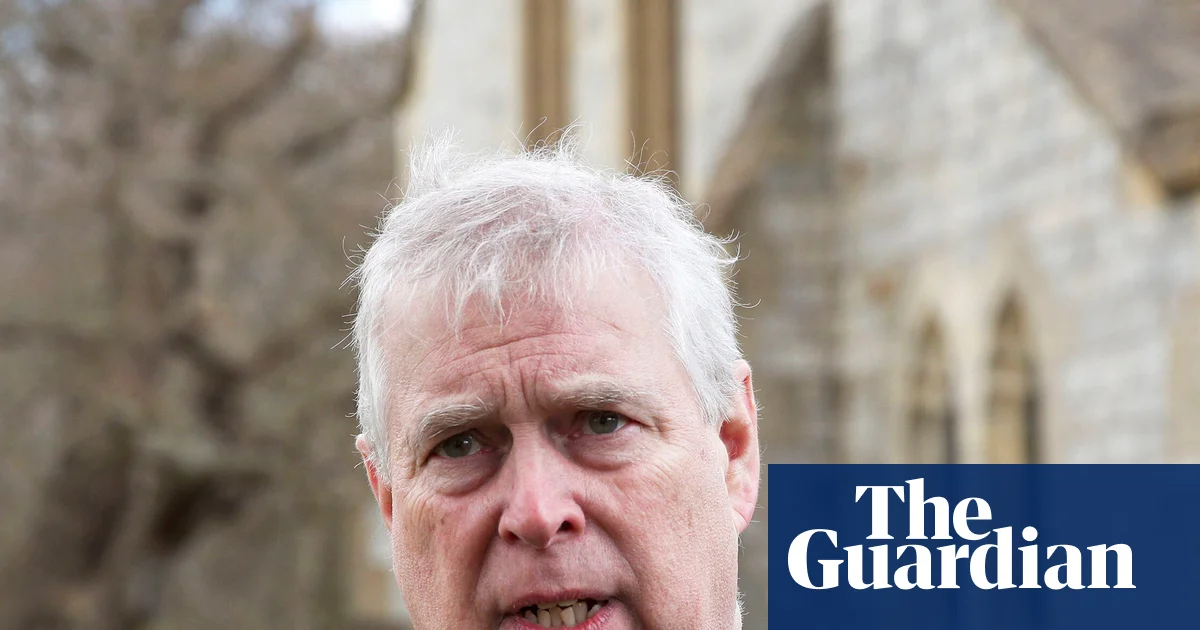
The recent decision by London’s Metropolitan Police to decline a formal criminal investigation into Andrew Mountbatten-Windsor, the brother of King Charles III, marks a significant turning point in a saga that extends beyond British borders into the realm of international geopolitics and influence. Despite widespread public and media attention, the police authority firmly concluded that no sufficient evidence exists to warrant further legal action, emphasizing that investigations into allegations of trafficking and abuse linked to Jeffrey Epstein have already been reviewed multiple times over the past years. This decision not only shields a member of the British royal family but also underscores the complexities of holding powerful individuals accountable, especially those with the backing of longstanding political and institutional ties.

Much of the controversy surrounding Mountbatten-Windsor revolves around allegations presented in the 2021 lawsuit filed in the United States. Virginia Giuffre, who has since passed away, claimed her trafficker, Epstein, forced her into sexual encounters with the former prince in London and beyond when she was just 17 years old. Her sworn testimony—though not admissible in evidence posthumously—highlighted alleged systemic abuses involving prominent figures and a network of sex trafficking that has now become a political quagmire for the British monarchy. Critics within the international legal community argue that, given the gravity of the accusations, a full-fledged criminal investigation should have been pursued, especially considering that the evidence included specific claims of trafficking and coercion, which, if proven, would constitute severe violations of international law.

Nevertheless, international organizations such as the United Nations and various national law enforcement agencies have expressed cautious skepticism about the resolution in the UK. While official statements from London’s police point to the absence of new evidence, some legal analysts—like former CPS Director Nick Vamos—warning that the evidence of non-consensual acts and trafficking could be enough for a criminal investigation. The core issue, they say, lies in whether Andrew knew of her trafficking status and used his influence or connections to abuse that power. This controversy illustrates a broader theme: how global centers of power, especially those tied tightly to royal, political, or economic elites, often impede justice in highly politicized cases. International observers warn that such cases, if left unresolved, undermine _transparency_ and _accountability_—principles vital for the international rule of law.

Meanwhile, the geopolitical impact extends beyond the courtroom. Britain’s royal scandal feeds into a larger narrative about the erosion of trust in institutions—an issue that resonates across continents. As Russia, China, and other adversaries watch, they interpret the assertiveness of Western legal procedures as either a sign of accountability or, conversely, a demonstration of internal corruption shielding elite figures. Historically, such cases have been exploited by authoritarian regimes to question Western moral authority, but they also serve as a reminder of the importance of international cooperation in pursuing justice across borders. This ongoing crisis highlights how decisions made in corridors of power can ripple through international relations, impacting alliances, diplomatic credibility, and global perceptions of justice.

As the story unfolds, the weight of history presses heavily upon the public consciousness. Whether King Charles and his family emerge unscathed from this ordeal remains to be seen, but the underlying message is clear: the age-old battle between power and accountability continues unabated. In a world where influence often obscures truth, and silence can be mistaken for innocence, the pursuit of justice remains the most consequential challenge of our time. The future hinges on whether political will and legal robustness will prevail over entrenched privilege, for history is not only written by the victors but also by those who refuse to turn away from the shadows.*

Epstein email reveals Prince Andrew’s photo with Virginia Giuffre

The revelation of new documents connecting Prince Andrew to convicted sex offender Jeffrey Epstein has ignited a wave of international discourse on accountability, power, and the far-reaching consequences of unchecked privilege. An email from Epstein, published recently, explicitly confirms that Virginia Giuffre was photographed with the prince—a stark contradiction to Andrew’s prior denials. This disclosure underscores the persistent narrative that certain elites operate beyond the reach of legal scrutiny, raising critical questions about how international institutions safeguard justice and transparency in the face of such scandals.

Historically, Epstein’s network represented a nexus of influence, connecting high-profile figures across politics, royalty, and business. The discovery of Epstein’s correspondence suggests that powerful individuals like Andrew had maintained contact long after their publicly claimed detachment. The email exchange, uncovered by democratic investigators, indicates ongoing communication even after the prince’s public statements asserting an end to their association. Analysts argue that this pattern reveals a troubling tendency among the global elite to shield one another from accountability, contributing to a damaging erosion of public trust in authoritative figures and institutions.

The international repercussions of these revelations extend beyond Britain. Countries around the world watch in apprehension as questions surface about the integrity of monarchy, the influence of wealthy financiers, and the complicity of legal systems in protecting established power structures. The U.S. Congress, in particular, has intensified efforts to interrogate Epstein’s network, inviting Prince Andrew to testify remotely amid ongoing investigations into sex trafficking. Critics and historians warn that the inability or unwillingness of such figures to face accountability risks setting a dangerous precedent, inviting future abuses of power that could destabilize societal trust in leadership worldwide.

  • Recent disclosures strongly suggest epistemic double standards—where justice is selectively applied, often favoring the powerful.
  • Legal experts highlight the potential diplomatic fallout—once seen as an unassailable figure, Andrew’s reputation now faces international scrutiny, fueling debates about immunity and monarchy’s relevance.
  • International organizations like INTERPOL have expressed concern about sexual exploitation and transnational crimes, emphasizing that such scandals threaten the global rule of law.

Iconic historians, such as Neil Ferguson and various geopolitical analysts, warn that these revelations are symptoms of a larger crisis: the decline of societal trust in traditional sources of power. As the world grapples with this controversy, the broader lesson remains harrowing yet necessary to confront: that unchecked authority eventually corrodes the foundations of justice and morality, leaving history to judge the failures of its custodians. The unfolding narrative around Epstein, Maxwell, and Andrew is a stark reminder that the weight of past sins, once buried beneath layers of privilege, refuse to stay hidden forever. The question remains: will justice prevail, or is this scandal a prelude to deeper systemic decay, echoing through the halls of power in countries worldwide? The pages of history continue turning, bearing witness to a crisis that could redefine the character of leadership for generations to come.

Virginia Giuffre feared she might die a sex slave in Epstein's trap, memoir reveals
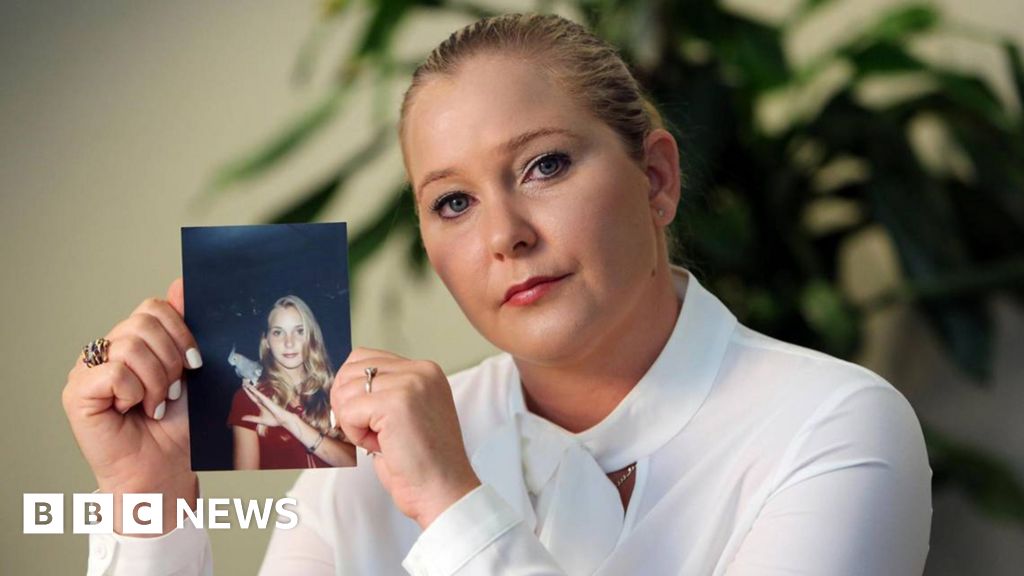
Virginia Giuffre feared she might die a sex slave in Epstein’s trap, memoir reveals

In an era increasingly defined by exposing the abuses of the powerful, the recent publication of Virginia Giuffre’s memoir, Nobody’s Girl, has sent shockwaves through international political and social spheres. The harrowing details recount her allegations of abuse at the hands of Jeffrey Epstein and his circle, notably implicating Prince Andrew. This revelation not only erodes the veneer of invincibility surrounding the British royal family but also exemplifies the profound geopolitical impact of global elites’ clandestine exploits. How nations perceive their leaders in the light of such scandals shapes alliances, diplomatic dialogues, and the moral fabric of society itself.

<p>Many analysts view this scandal as a critical bellwether in the ongoing struggle between transparency and the entrenched shield of privilege. Historians like Dr. Elaine H. Newton have argued that such disclosures mark a *turning point*—a stark reminder that no amount of institutional pride can fully shield the powerful from accountability. Meanwhile, international organizations such as <strong>Interpol</strong> have increased scrutiny into Epstein's extensive sex trafficking network, which spanned continents and involved dozens of high-profile figures. The fallout extends beyond individual reputations; it challenges the integrity of decades-old diplomatic assumptions about immunity and status, especially where *wealth and influence* intersect with crimes of the most heinous nature.</p>

<p>The <u>accusations against Prince Andrew</u> have ignited a fierce debate on the geopolitical ramifications of royal scandal. As the monarchy attempts damage control by relinquishing Andrew’s titles—a symbolic yet insufficient gesture—questions about the future of the British royal institution loom large. The decision to step back from formal duties and withdraw from the Order of the Garter underscores a shifting landscape where <strong>public morality</strong> and <strong>international reputation</strong> are increasingly intertwined. Experts such as geopolitical strategist Mark Evans warn that the scandal's ripple effects threaten to undermine Britain’s soft power, a vital tool in the delicate dance of diplomacy. As this crisis unfolds, the world watches with a mixture of suspicion and anticipation—<em>how long before this exposes deeper systemic rot?</em></p>

<p>Yet perhaps the most sobering aspect of Giuffre’s memoir is its revelation of how global elites abuse their power, weaving a web of influence that stretches across borders and cultures. Her detailed account of abuse, which includes troubling accusations involving some of the world’s wealthiest individuals, exposes a dark underbelly of sex trafficking and sadistic exploitation derived from a culture of impunity. Such revelations compel international watchdogs and legal authorities to intensify their investigations—while critics argue that true justice remains elusive in a system often more inclined to protect the privileged than the victims. As scholars examine this unfolding saga, the question remains: <u>will we see a reckoning that finally dismantles the secretive enclaves of influence?</u></p>

<p>In this turbulent moment, history hangs in the balance, waiting for the decisive actions that will either reinforce the old order or forge a new paradigm rooted in accountability. As the story of Virginia Giuffre converges with the ongoing upheavals surrounding global elites, the spotlight remains fixed on how nations evolve their moral compass in the face of unprecedented revelations. At the end of the day, the truth unveiled is a stark message: <em>power without accountability is a fragile illusion—one that, when shattered, leaves history forever changed.</em></p>
Social Media Auto Publish Powered By : XYZScripts.com



