Matox News

Truth Over Trends, always!

U.S. Cancels Tourist Visas for Top Costa Rica Newspaper Leaders—Security First

The recent actions taken by the United States against Costa Rica’s leading newspaper, La Nación, mark a new chapter in the geopolitical chess game that defines our era. In a move that has stunned many international observers, over half of La Nación’s board members have had their US visas revoked, an unprecedented action that signals the growing influence of Washington in shaping political landscapes in Central America. This crackdown comes amidst a backdrop of escalating tensions between the US and the Costa Rican government, highlighting how decisions made in Washington ripple across smaller nations, affecting local media, political opposition, and societal freedoms.

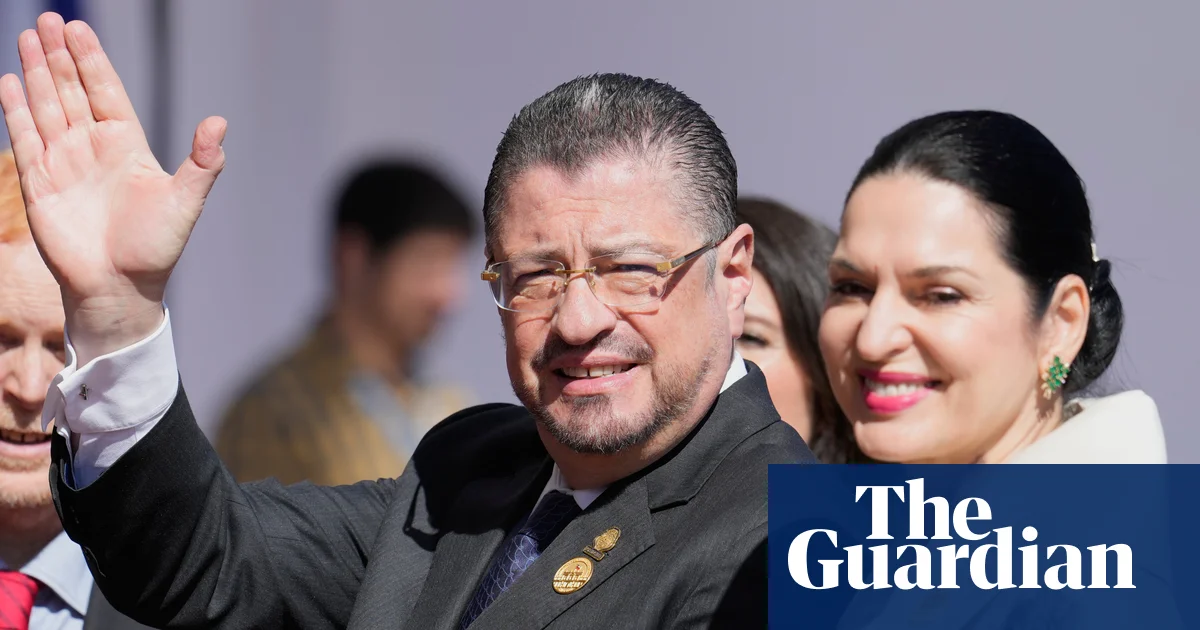
At the heart of this crisis is Rodrigo Chaves, Costa Rica’s current president and a close ally of the US. During his 2022 presidential campaign, La Nación’s investigative journalism exposed allegations of sexual harassment against Chaves—claims that previously forced him out of his role at the World Bank. The paper’s reporting on allegations of illegal campaign financing further deepened tensions, with Chaves condemning the outlet as “despicable press” and “political assassins.” Since assuming office, the president’s rhetoric has grown hostile, culminating in financial sanctions against the newspaper’s parent company and the recent visa revocations targeted at its board members—an attack on press freedom that critics argue is orchestrated to silence dissent in a strategic move aligned with US interests.

The geopolitical impact of this escalation extends beyond Costa Rica. Analysts argue that the US’s intervention signals an alarming erosion of democratic institutions in the region. “It’s a blatant attempt to intimidate independent press and suppress opposition voices,” warned Felipe Alpízar from the Observatory of American Politics at the University of Costa Rica. Historically, the US has used visa restrictions as tools to influence political figures—yet the targeting of a major media outlet’s board members marks a dangerous escalation, eroding not only media independence but also how nations resist external influence and protect societal freedoms. Past instances involving Nobel laureate Óscar Arias and other Costa Rican figures illustrate a pattern where US policies leverage visa controls to exert political dominance, often under the guise of security concerns or strategic economic interests.

Furthermore, the recent US actions come on the heels of diplomatic overtures, including praise for Chaves’s stance against Chinese 5G infrastructure, instigated by Secretary of State Marco Rubio. Washington’s support for hardline policies—such as Costa Rica’s agreement to accept US deported migrants and the closure of embassies—are perceived by many as deliberate moves to assert control in a region historically characterized by its quest for sovereignty. Critics contend that such measures serve US geopolitical aims under the pretext of promoting stability, but ultimately threaten to destabilize Costa Rica’s fragile political equilibrium. The fear remains: how long before the US’s influence extends further, reshaping society and politics across neighboring nations?

The unfolding narrative leaves a haunting sense of fragile sovereignty amidst the shifting sands of global influence. As Laura Fernández prepares to assume power, replacing Chaves, international analysts warn that the targeted suppression of opposition voices is unlikely to cease. Instead, they suggest, this episode is part of a larger, ongoing effort to realign regional power—an effort that could redefine the fabric of Costa Rican society for generations to come. History, it seems, is still in the making, and the global community watches with bated breath as the story of a small nation grapples with the heavy hand of a superpower in its quest for influence and control.

Government clamps down on study visas from four countries amid abuse concerns

Government Ends Study Visas for Several Countries Amid Concerns of Abuse

In a decisive move, the government has announced the termination of study visas for nationals from Afghanistan, Cameroon, Myanmar, and Sudan. This policy shift is ostensibly driven by concerns over alleged abuses that compromise the integrity of the immigration system. While such measures may appear necessary from a security perspective, they raise profound questions about how social issues intertwine with family stability, educational access, and community cohesion.

Critics argue that these policy decisions disproportionately impact families and young people. Many of those affected are students pursuing education as a pathway to brighter futures, yet face potential barriers that threaten their aspirations. For families, such policies can lead to fragmentation and uncertainty. Children and youth, already navigating the challenges of adolescence, may find their educational journeys disrupted or halted altogether. These students serve as living bridges between cultures, fostering understanding and diversity within our communities. When they are pushed away, it is not just individuals at risk but the social fabric that suffers.

Historically, social commentators such as sociologist James Coleman have emphasized the role of inclusive education in promoting social cohesion and economic development. By restricting access based on national origin, society risks deepening divisions that threaten to erode the foundational values of openness and fairness. Additionally, the ripple effects extend beyond individual students, impacting local communities, educational institutions, and the workforce of tomorrow. These youthful populations bring vitality but also require the support of effective policies that embrace inclusion, not exclusion.

  • Policy implementations that target specific national groups can lead to social marginalization and rise in community tensions.
  • Families may face financial hardship and emotional strain due to disrupted educational pathways.
  • Educational institutions lose diverse perspectives, which are essential for fostering a globalized learning environment.
  • Communities may become more insular if policies appear to discriminate based on ethnicity or nationality.

The challenge lies in balancing security concerns with the ethical responsibility to uphold human rights and promote societal integration. Many social commentators, including historians like Howard Zinn, have argued that history shows us the importance of compassionate policies that recognize the inherent dignity of every individual. Now, more than ever, it is crucial to develop solutions that address abuse without resorting to blanket bans that stigmatize entire communities.

Ultimately, society faces a critical crossroads. As families struggle with uncertainty, and educational institutions grapple with maintaining diverse environments, the hope rests in building bridges rather than walls. The strength of a society is measured by its capacity for resilience and remembrance of its moral commitments to human dignity. Turning adversity into an opportunity for reform, communities can forge a future where education becomes a unifying force that elevates rather than divides. As reflective social thinkers remind us, it is through understanding and compassion that society finds the true blueprint for lasting progress.

Gaza Palestinians with Australian visas stuck as Israel tightens borders—what's happening to our immigration commitments?
Gaza Palestinians with Australian visas stuck as Israel tightens borders—what’s happening to our immigration commitments?

Gaza’s Humanitarian Crisis Sparks Global Reflection on Geopolitics

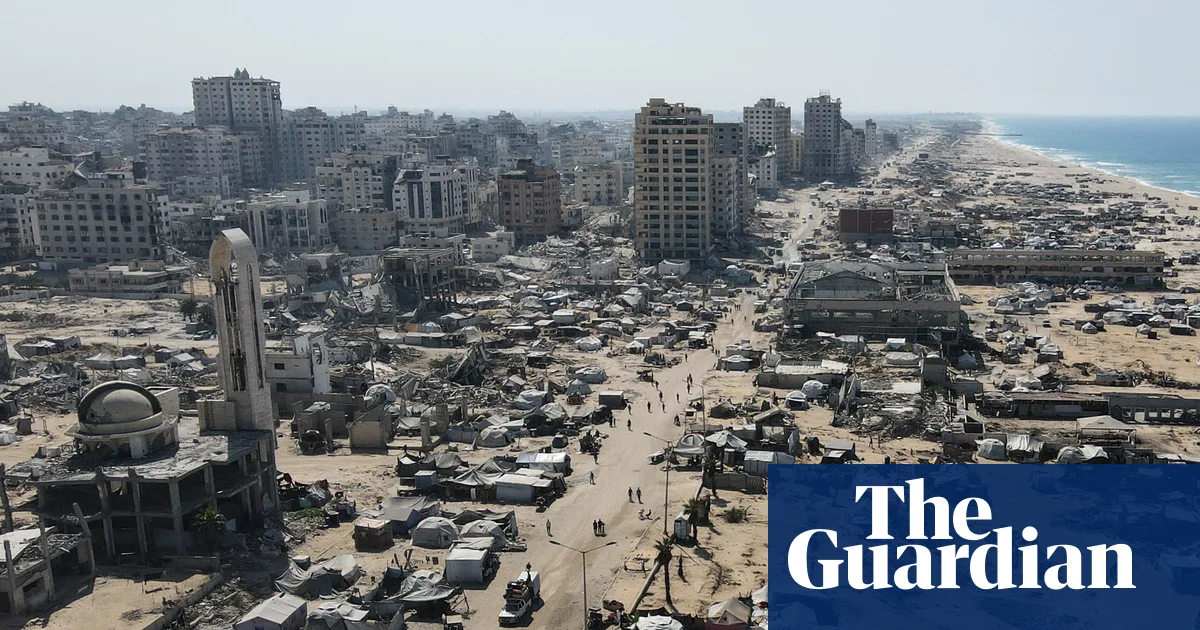
The conflict in Gaza continues to cast a shadow over international stability, revealing a complex web of humanitarian and geopolitical tensions. Despite a tentative ceasefire, the region remains a battleground of broken borders and unfulfilled promises. Notably, Australian visa holders trapped within Gaza epitomize the international system’s fractured response to the ongoing conflict and displacement crisis. As borders remain sealed and evacuation efforts stagnate, the situation underscores how decisions made in distant capitals — or inaction— deeply affect vulnerable societies and reshape regional alliances.

Since the outbreak of violence, an estimated 600 to 700 individuals with Australian-issued visas remain stranded in Gaza amid a deadly stalemate. Their plight is a stark illustration of the failed international mechanisms to safely evacuate civilians from war zones. The Australian government claims it is doing “all it can” to support its citizens and their families, yet the reality on the ground paints a different picture. Many, like Ahmed Abumarzouq, a Palestinian-Australian living in Perth, see their relatives—particularly teenagers and those in split-family situations—caught in a cycle of bureaucratic limbo, unable to escape the chaos and destruction wrought by escalating military operations.

How international decisions shape refugee flows and societal fractures

Analysts warn that international diplomacy is at a crossroads. The ceasefire agreement has merely provided a fragile pause in hostilities, not a resolution. As the U.N. and regional powers debate the long-term stability of peace accords, families in Gaza face relentless hardship. The refusal or inability of border crossings—primarily controlled by Israel—to reopen hampers evacuation efforts, fostering a humanitarian crisis that threatens to spill into neighboring regions. Historicians like Mark LeVine caution that prolonged exposure to war will deepen societal divisions and embolden radical factions, reshaping the geopolitical landscape for generations. Meanwhile, Australian officials admit that the “difficulties” of exit highlight flaws within political and diplomatic frameworks designed to protect citizens abroad.

The world’s failing response: a test of international morality

Palestinian organizations and refugee advocates emphasize that many in Gaza are unwillingly displaced—forced from their homes by relentless violence and the strategic might of powerful states. Rasha Abbas, founder of Palestine Australia Relief and Action, reflects this sentiment: “It’s forced displacement. Israel has taken away all security, all safety, and there’s nothing in terms of basic life needs.” With hospitals destroyed, food supplies exhausted, and safety absent, the conflict has become a battleground for global morality. Countries like Australia, the United States, and European Union grapple with their responsibilities and the perception that geopolitical interests often override humane considerations. International organizations warn that, unless collective action is taken, the entrenched suffering will entrench regional instability and fuel future conflicts—destined to echo through history’s corridors as a failure of moral leadership.

The plight of Gaza’s displaced and stranded exemplifies how international decisions—whether to engage, to support, or to turn away—*shape societies*. The current crisis challenges the international community’s capacity to uphold humanity amidst the chaos. As nations weigh strategic interests against moral imperatives, history continues to unfold — a narrative where hope flickers, shadows deepen, and the weight of unresolved conflicts remains heavy upon the pages of history.

Social Media Auto Publish Powered By : XYZScripts.com