Matox News

Truth Over Trends, always!

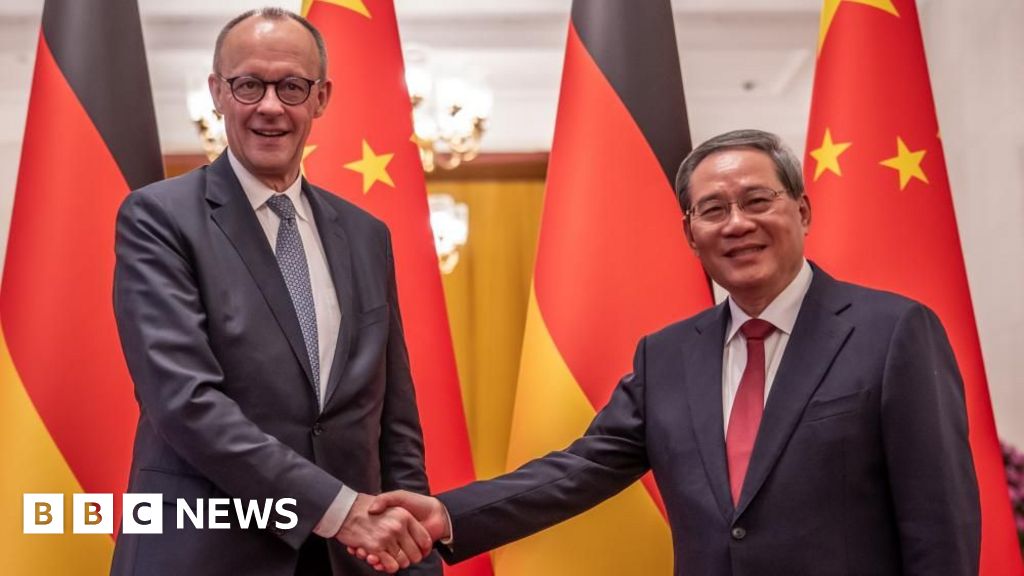
German Chancellor warns of growing trade gap with China on first Beijing visit

In a significant development amid shifting international trade dynamics, German business groups have issued a pointed appeal to Friedrich Merz, demanding a clear and decisive stance towards China’s economic practices. This move underscores growing concerns within Europe about the strategic risks posed by China’s expanding influence in global markets and the need for coherent policies to safeguard national interests. As tensions over trade competition, export controls, and technological sovereignty escalate, the call from industry leaders signals a potential turning point in Europe’s approach to balancing economic relations with China.

Under Germany’s increasingly complex geopolitical landscape, business sectors are warning that ambiguous or lenient policies could underminet the competitive edge of European firms, particularly in key sectors such as technology, manufacturing, and telecommunications. Analysts suggest that the European Union’s future approach may be pivotal in shaping global power dynamics. The pressure on Merz, the leader of the opposition, reflects broader debates within Germany—Europe’s economic powerhouse—about how to maintain a strategic and independent stance amidst rising U.S.-China tensions. Moreover, this call aligns with European efforts to reinforce export controls, safeguard technology, and counteract economic coercion, which many see as essential in preventing China’s market dominance from eroding Europe’s technological sovereignty.

Historically, decisions on trade and diplomacy have an enduring impact on national security, societal stability, and international rankings. The stance taken by Germany’s politische and business elites will likely influence the broader European Union’s foreign policy direction. Recent reports from international organizations, including the World Trade Organization, suggest that such moves could provoke retaliatory measures from Beijing, adding risk to European export-dependent economies. Meanwhile, U.S. policymakers, keen on coalition-building with European allies, are watching these developments with a mix of interest and apprehension, recognizing that the collective stance will shape how the Western bloc resists China’s strategic ambitions.

As critics warn of the potential for economic decoupling and diplomatic rupture, the words of historians and analysts carry increasing weight. Many caution that reckoning with China’s rise involves more than tariffs and export controls; it requires a deliberate, principled strategy that considers the societal and geopolitical repercussions for generations to come. The decisions made today could determine whether Europe remains a unified, resilient power or whether it succumbs to fragmentation and dependency. With Merkel’s legacy fading and a new chapter in global diplomacy emerging, the weight of history presses upon leaders to act decisively. In this unfolding saga of power, influence, and sovereignty, the future hangs in the balance—a testament to the enduring importance of strategic foresight in a rapidly changing world.
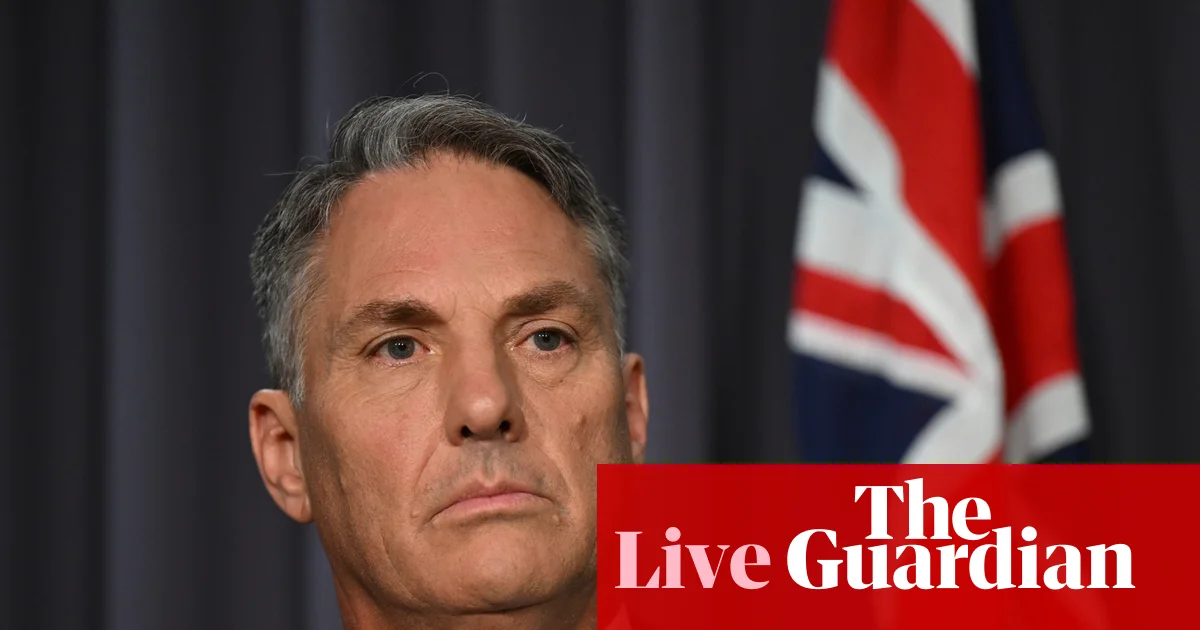
Australian Politics Live: Marles Boosts Herzog’s Visit, Vows Strong Security Measures

The geopolitical landscape of Australia is currently undergoing a complex transformation, influenced by domestic political upheavals and significant international diplomacy. The recent visit of Israeli President Isaac Herzog to Australia has ignited fierce debate within the country’s political circles, highlighting the _deep divisions_ over Australia’s role on the global stage and its domestic policies. This visit, officially sanctioned by the Prime Minister and Governor General, is seen by many as a move to reaffirm alliances in a shifting international climate. Yet, critics—particularly from Labor factions—express profound _concerns_ about the implications of such diplomatic gestures, especially given the ongoing tensions in the Middle East and the internal fractures over Israel’s actions in Gaza.

High-profile critics like Ed Husic, a Labor MP, have voiced _deep concerns_, questioning the moral and strategic wisdom of extending diplomatic warmth to President Herzog amidst the backdrop of Israel’s recent military operations. Husic’s reservations are echoed by various international legal and human rights organizations, such as the UN commission of inquiry on Palestinian territories, which have urged the Australian government to reconsider the invitation in light of the _controversy and violence_. In the corridors of power, Richard Marles, Australia’s Deputy Prime Minister, has defended Herzog’s visit, emphasizing its _importance_ for security and diplomatic relations. Nonetheless, this move exposes Australia’s delicate balancing act—maintaining strong bilateral ties while managing domestic divisions and international scrutiny.

The decision to host President Herzog is not made in isolation but is intertwined with wider strategic concerns. The government has underscored its commitment to _security_ and _diplomatic engagement_, yet this stance arrives amidst criticisms that Australia is _aligning too closely_ with Western allies at the expense of marginalized voices concerned with human rights and justice. Simultaneously, the ongoing political struggles within Australia’s Parliament—most notably, the leadership dispute involving Sussan Ley and the right faction—signal a nation in ideological flux. Analyst voices from global institutions warn that these internal conflicts risk _undermining_ Australia’s credibility and strategic coherence in the Indo-Pacific and beyond.

  • The Australian government has publicly maintained that its _foreign policy_ remains consistent, with Minister Marles affirming, “there haven’t been any changes or shifts in our strategic or tax arrangements.” However, the political maneuvering behind the scenes indicates a nation grappling with _intergenerational_ challenges, especially around housing affordability and tax reforms like the _capital gains tax discount_.
  • Amidst these tensions, the Australian Council of Trade Unions has called openly for _reform_ of property taxes, citing the _”deep unfairness”_ in housing inequality exacerbated by policies enacted over decades—particularly the _discount introduced in 1999_ under John Howard, which has significantly fueled investment in existing housing—further widening disparities and impeding the dream of homeownership for younger generations.
  • On the international stage, figures such as Chris Sidoti, an UN inquiry commissioner, have urged the Australian government to _reconsider_ its diplomatic commitments related to Israel, emphasizing the _moral_ and _strategic_ stakes involved. This internal dialectic — between diplomacy, domestic politics, and societal values — underscores a pivotal question: How will Australia’s leadership navigate this volatile terrain without losing its footing in a rapidly changing geopolitical order?

As history continues to unfold, the weight of these decisions will resonate far beyond today’s headlines. With the internal pressure mounting from within and the global community watching critically, Australia stands at a crossroads—its choices rippling across the Indo-Pacific and shaping the future of international diplomacy. Will it persist in steadfast alliances and domestic policies that favor strategic stability, or will the _internal divisions_ and _international controversies_ fracture its resolve? The coming days will reveal whether this nation can uphold its sovereignty and sense of justice, or if it inevitably becomes entangled in a web woven by shifting alliances and internal discord. In this moment, history’s pen is poised, and the story of Australia’s future is still being written—each decision a stroke in the vast canvas of a nation seeking its place amidst a tumultuous world.

Trump warns UK: Don’t Prioritize China Over Our Alliance—Starmer’s Beijing Visit Sparks Tensions

Global Power Dynamics Shake as UK Navigates China and US Tensions

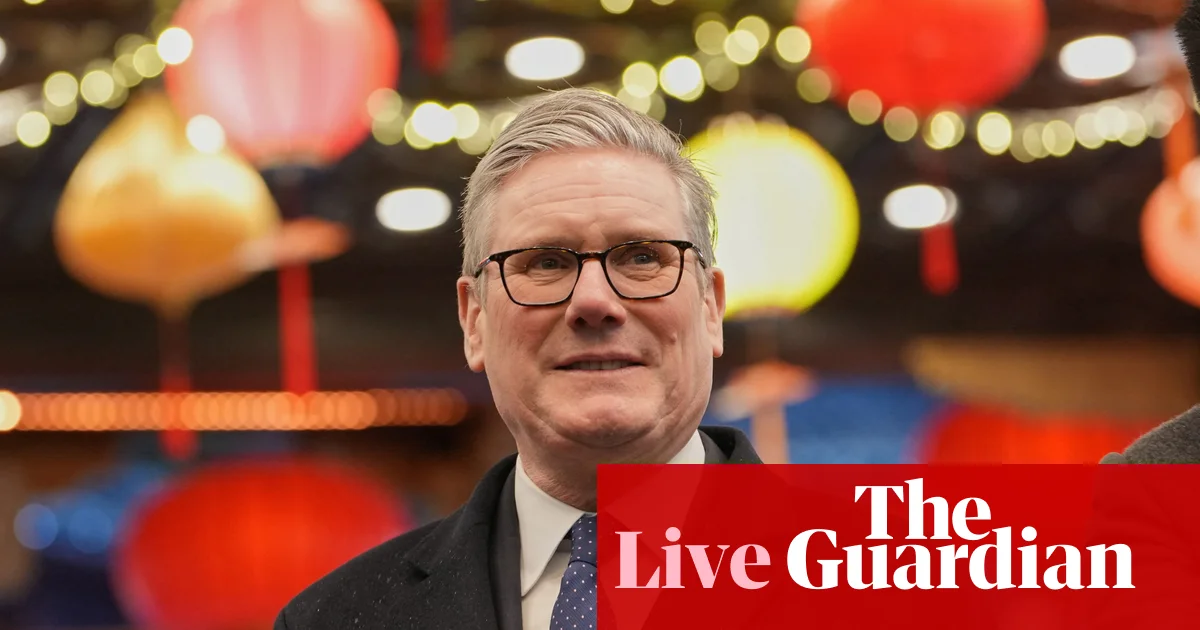
The international stage witnesses a new wave of geopolitical tension centered on the United Kingdom‘s evolving relationship with China. This shift, under the leadership of Sir Keir Starmer, reflects a nuanced attempt at forging a “more sophisticated” partnership with Beijing, diverging from the confrontational stance traditionally favored by Western allies. During his visit to Beijing, Starmer secured agreements that include visa-free travel for UK citizens and reduced tariffs on Scotch whisky—measures aimed at revitalizing trade ties with one of the world’s most influential powers.

However, this diplomatic overture has not gone unnoticed. Former US President Donald Trump swiftly condemned the move, warning that such dealings are “very dangerous.” His comments echo a broader concern among Western nations about China’s expanding geopolitical influence and its implications for national security and economic sovereignty. Trump’s high-profile criticism underscores a growing divide within the global community—where some nations prioritize pragmatic engagement, while others, led by figures like Trump and U.S. policymakers, advocate for a tougher stance against Beijing’s strategic maneuvers.

The geopolitical impact of these shifting alliances is profound. Scientists, historians, and analysts warn that the UK’s efforts to balance economic interests with cautious diplomacy could set a precedent for other nations caught between the strategic ambitions of China and the security concerns of the United States. The UK’s moves are linked to a larger wave of diplomatic realignment whereby countries may have to choose between deepening economic ties or adhering to a collective Western front aimed at counteracting China’s influence. The implications reach across societies, affecting everything from trade policies to immigration, forging a new terrain of international relations that will ultimately shape the fabric of global stability—or instability—for decades to come.

The diplomatic dance continues as Starmer prepares to meet with Sanae Takaichi in Tokyo, further signaling the UK’s strategic pivot towards key Asian allies. While the cost of these diplomatic shifts remains uncertain, what is clear is that history is once again carved by decisive, high-stake decisions that could redefine the balance of power. As nations grapple with whether to forge ahead or pull back from this complex web of alliances, the weight of history presses heavily, reminding the world that these negotiations are more than politics—they are the defining moments that will determine the future of global order.

Pope Prays for Lebanon at Beirut Port Blast Site on Final Day of Visit

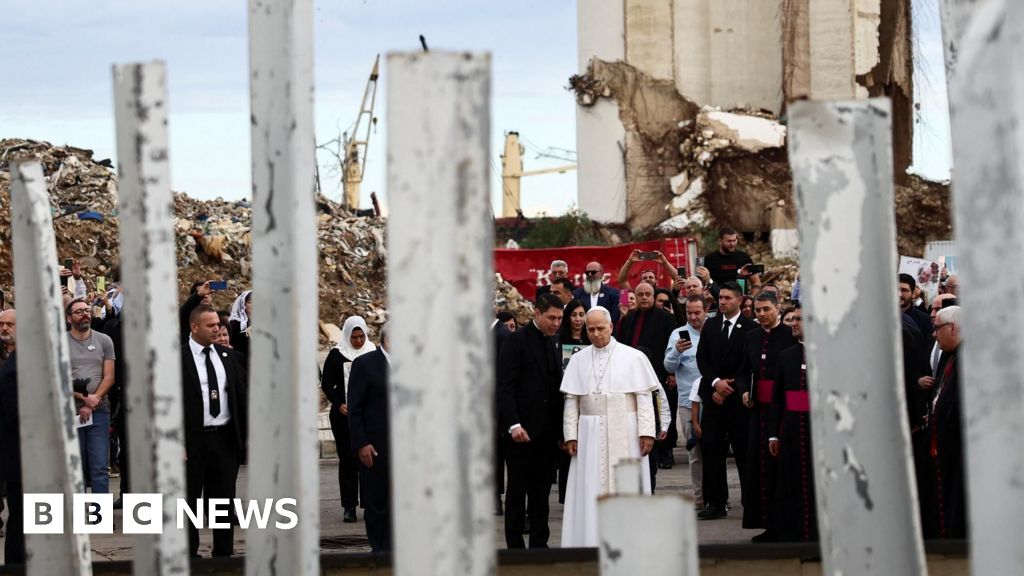
In a poignant act of remembrance and call for justice, Pope Leo XIV concluded his recent visit to Lebanon with a silent prayer at the site of the devastating Beirut port explosion. This tragedy, which struck in August 2020, claimed 218 lives and left an indelible scar on the city’s fabric. The Pope’s failure to condemn the gross negligence involved in storing nearly 2,750 tonnes of ammonium nitrate without proper safety measures highlights the worldwide concern over accountability and governance in fragile states. Derided by critics as symptomatic of endemic corruption, this disaster exemplifies how failed leadership can escalate into humanitarian crises that ripple across borders, affecting regional stability and international perceptions of Lebanon.

The ongoing struggle for justice reflects a broader crisis of governance that continues to undermine Lebanese sovereignty and social cohesion. Victims’ families, such as Cecile Roukoz and Tatiana Hasrouty, are voicing frustrations that their pleas have fallen on deaf ears, hindered by a political elite more intent on self-preservation than addressing structural failures. Analysts from the International Crisis Group warn that such impunity not only erodes public trust but also emboldens regional actors with vested interests in Lebanon’s instability—an issue impacting neighboring countries and international peace efforts. The failure to prosecute those responsible redefines the crisis as one of moral decline and lost opportunity for reform, which risks devolving into an enduring cycle of chaos and despair.

Meanwhile, Lebanon remains under the shadow of division and conflict. Since the last papal visit in 2012, the nation has been battered by compounded crises including an unprecedented economic depression that plunged millions into poverty, widespread protests, and the aftermath of a lengthy war involving Hezbollah and Israel. A fragile ceasefire now holds, but persistent Israeli strikes targeting alleged Hezbollah rearmament threaten to unravel these diplomatic gains. How the Lebanese political system navigates these unresolved issues will decisively shape their future, and perhaps, their very survival. The international community is calling for structural reforms and renewed efforts at reconciliation, but their requests are often dismissed or delayed, fueling skepticism about real change.

This turmoil is not isolated; it embodies a broader geopolitical contest, with Iran backing Hezbollah and Israel defending its borders, all within a region where external powers jockey for influence. As security analysts warn of a potential escalation, the stability of Lebanon becomes a litmus test for regional peace, with the global implications of unchecked conflict growing starkly evident. The echoes of history are loud, and the delicate balance of power teeters on the brink—each decision made by leaders has profound consequences for the daily lives of Lebanese citizens and the wider Middle Eastern landscape. Today, as Lebanese households grapple with economic hardship and uncertainty, the weight of geopolitics looms heavy, reminding the world that the pages of history continue to turn—sometimes silently, sometimes with the ominous roar of war.

Pope Leo Makes Historic Visit to Istanbul's Blue Mosque
Pope Leo Makes Historic Visit to Istanbul’s Blue Mosque

Global Diplomacy and Faith: Pope Leo XIV’s Historic Journey to Istanbul and Lebanon

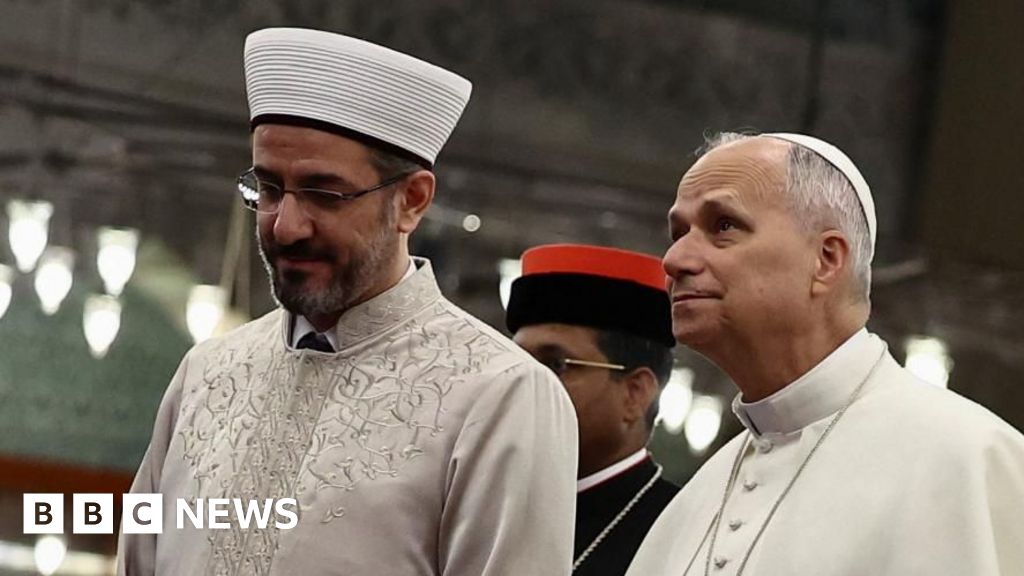
In a move that underscores the renewed importance of *interfaith dialogue* and *geopolitical stability*, Pope Leo XIV embarked on his first official visit to a *Muslim place of worship* by touring the Sultan Ahmed Mosque, popularly known as the Blue Mosque, in Istanbul. This historic gesture, aligned with his predecessor’s acts of spiritual outreach, offers a potent symbol of *bridging divides* amidst a rapidly evolving global order. The church’s leader, who entered with a bow, refrained from performing prayers—an act that emphasizes both respect and the delicate balance of religious diplomacy. The Vatican publicly stated that the visit was “in a spirit of reflection and listening,” signaling an understanding that *building trust and mutual respect* between faiths remains a cornerstone for global stability.

This visit is part of a broader four-day pilgrimage to *Turkey and Lebanon*, regions that have become flashpoints for wider geopolitical shifts. The purpose extends beyond the spiritual, serving as a diplomatic gesture aimed at fostering dialogue between Christians, Muslims, and other faith communities. In Beirut, Pope Leo will meet with *faith leaders and youth*, and pay homage at a site scarred by the devastating 2020 port explosion—an act symbolizing resilience and hope in a zone often defined by conflict and fragility. Such gestures naturally ripple through the international sphere, influencing perceptions of *Western influence* and *interfaith cooperation*, especially in a time marked by *heightened global tensions*.

Geopolitical Ramifications and International Alignments

  • The Pope’s engagement in Istanbul and Beirut underscores the complex reality of *Islamic-Christian diplomacy*, vital in a world where geopolitical alliances are shifting rapidly. European and Middle Eastern nations observe with keen interest, recognizing that religious gestures often carry layers of geopolitical messaging. Historians and analysts note that the history of papal visits—from John Paul II’s historic trip to Damascus in 2001 to Pope Benedict XVI’s prayers at the Blue Mosque in 2006—demonstrates an evolution from purely spiritual acts to strategic diplomatic endeavors. These moments act as *soft power tools* designed to influence regional stability, counter extremism, and bolster alliances rooted in shared values.
  • The visit also demonstrates that *Western religious institutions are re-engaging with the Middle East* as a means of diplomatic influence, particularly in nations where faith remains intertwined with national identity. This increasing involvement can be viewed as an effort to counterbalance *regional conflicts*, such as the ongoing tension between *Turkey* and *Kurdish groups* or Lebanon’s fractured political landscape. Leaders and organizations like the European Union and the United Nations are closely monitoring these movements, which could either catalyze peace or exacerbate existing divides if mismanaged.
  • Furthermore, the thematic focus on *building bridges* is a stark reminder that *global conflicts often transcend borders*, demanding collective efforts rooted in mutual understanding. The timing is especially critical, as *rising geopolitical instability*—from the Taiwan Strait to Ukraine—threatens the fragile fabric of peace. The Vatican’s overtures are seen by some as a subtle assertion of moral leadership amid a world increasingly divided along ideological lines.

Implications for Nations and Societies

The decisions made during this diplomatic voyage are not without consequence. For **Turkey**, a nation balancing its Muslim identity with aspirations for European Union accession, the Pope’s visit signals a *potential softening of relations* with Western institutions and Christian communities. For **Lebanon**, a country suffering economic collapse and internal strife, the presence of the Pope and the orchestrated events serve as a rallying call for *unity and resilience*. As analysts warn, these acts of interfaith diplomacy may steer *domestic politics* and societal attitudes—either fostering *hope and cooperation* or exposing *divisions* exploited by radical factions.

International bodies like the Vatican and *religious organizations* are increasingly viewed as *alternative power brokers* capable of influencing *regional stability*. According to experts, such moves could either serve as *catalysts for peace* or, if missteps occur, deepen the divides they aim to bridge. With history watching from the sidelines, the significance of these gestures extends beyond the spiritual to encompass *geopolitical influence*—a reminder that in the chess game of global power, faith is often a pawn, a bishop, or a king.

As Pope Leo XIV’s journey concludes in Beirut, the weight of history presses heavily upon this unfolding chapter. *Will these acts of diplomacy herald a new era of cooperation?* Or will they become fleeting memories in a world where conflicts often outpace reconciliation? The answer remains unwritten, yet the echoes of these moments will undoubtedly resonate through the annals of history—reminding us that in the relentless tide of change, the pursuit of peace remains humanity’s most profound and perilous endeavor.

Ronaldo Set to Visit White House Amid Saudi Crown Prince Visit Day

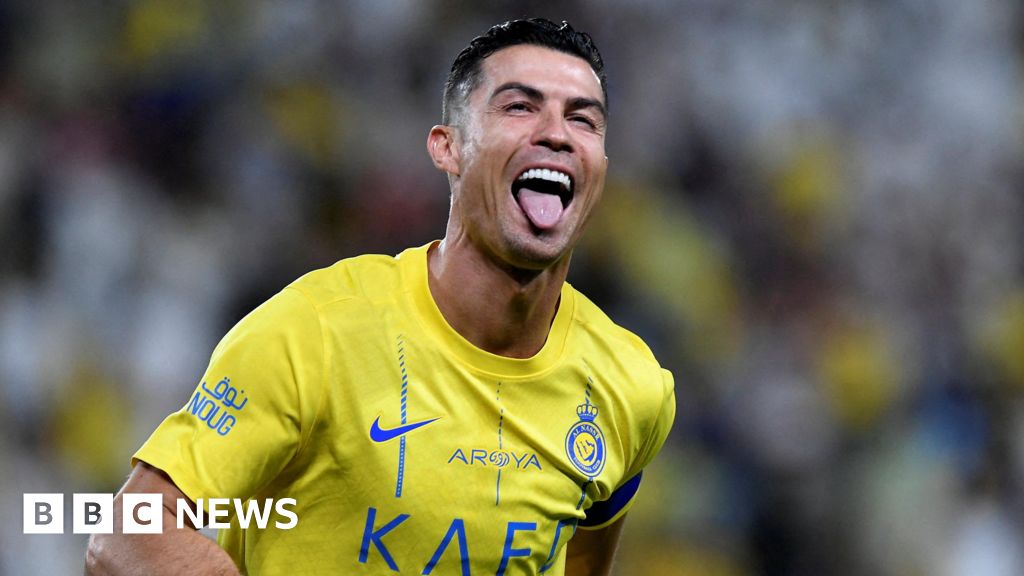
The anticipated visit of Cristiano Ronaldo to the White House, confirmed by a US official, underscores the shifting landscape of global influence in the early 21st century. Set against the backdrop of Ronaldo’s recent engagements in Saudi Arabia, this visit symbolizes more than a sports celebrity’s diplomatic move; it reflects the intricate web of geopolitical power plays orchestrated by nations vying for prestige and strategic advantage. Ronaldo, whose presence in the Saudi Pro League has become emblematic of the kingdom’s ambitious modernization drive, now steps into a geopolitical spotlight that transcends the football field.

  • Ronaldo’s historic visit to the US marks a rare return since 2016, a period that has seen him embroiled in controversy over allegations of sexual assault, which he has vigorously denied. Although US prosecutors decided in 2019 not to pursue charges, the allegations continue to cast shadows over his public image, illustrating how personal reputation intersects with international diplomacy in the modern era.
  • Meanwhile, Ronaldo’s role in Saudi Arabia’s strategic initiatives, under Crown Prince Mohammed bin Salman, underscores a deliberate effort by the kingdom to diversify away from oil dependence by leveraging global icons like Ronaldo to boost tourism, sports, and cultural soft power. His lucrative contracts—reportedly totaling over $600 million—highlight a broader trend of nations using high-profile deals to elevate their standing in the global arena.

Experts such as Sanam Vakil from Chatham House have emphasized Saudi Arabia’s intensive investment in high-profile figures and sporting events as an aggressive move toward international engagement and soft power diplomacy. This strategic pivot aligns with the kingdom’s vision for a 21st-century identity that balances traditional values with modern spectacle. Ronaldo’s endorsement of this vision—calling Prince Mohammed “our boss” and advocating for Saudi development projects—embodies the use of sports as a diplomatic tool. His expressed support for hosting the 2034 FIFA World Cup exemplifies how nations are increasingly leveraging global sporting events to project influence.

Meanwhile, the diplomatic dance involving United States and Saudi Arabia remains complex. The White House’s decision to host Ronaldo, whether as a guest or a symbolic envoy, signals a subtle recalibration of American engagement with regional powers. As analysts observe, these moves are not merely about entertainment but represent a strategic layer in the ongoing redefinition of alliances and influence. The significance of the shift towards multi-nation diplomacy—where personal prominence intersects with national interests—indicates a world that is less binary and more interconnected, yet riddled with rivalries and ambitions.

It is in this evolving geopolitical theater that history continues to unfold—an intricate mosaic of power, influence, and the unyielding pursuit of national prestige. As Ronaldo’s footsteps echo from the White House to Riyadh, it leaves behind a stark reminder: in today’s international arena, societal values, personal legacies, and state strategies are increasingly intertwined. The next chapters are yet to be written, but one thing is certain—these moments will be remembered as the catalyst for a new phase of global influence, where cultural icons become ambassadors of international chess moves, shaping the destiny of nations.

UN lifts sanctions on Syrian leader as White House visit looms

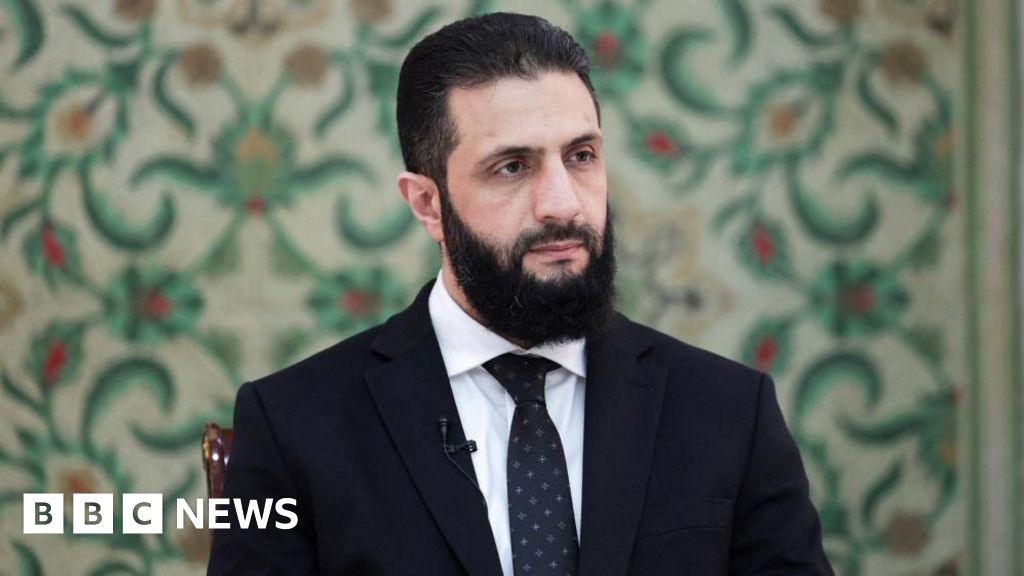
The geopolitical landscape in the Middle East has reached a pivotal juncture, as recent developments signal a significant shift in international recognition and diplomatic engagement with Syria. The United Nations Security Council has voted in favor of a US resolution to lift sanctions on Syrian President Ahmed al-Sharaa, setting the stage for his upcoming White House visit next week. This move marks not only a change in policy but also underscores a broader recalibration among global powers regarding Syria’s future. Once considered a pariah state during its prolonged civil war, Syria now finds itself at the center of a new geopolitical narrative—one that privileges stability and regime consolidation over decades of Western-led isolation.

  • The US has officially recognized the shifting power dynamics by removing Hayat Tahrir al-Sham (HTS) from its list of foreign terrorist organizations, a group that was once linked to al-Qaeda and whose leader, Ahmed al-Sharaa, was previously sanctioned as a terrorist. The decision reflects a strategic pivot in Washington’s approach—viewing Syria through a lens of pragmatic diplomacy rather than exclusively ideological confrontation. Alongside sanctions on Syrian Interior Minister Anas Khattab, the move signals a recognition of the evolving landscape of influence and control within Syria’s borders.
  • The UN’s decision, hailed by Syrian officials as a gesture of appreciation and acknowledgment, underscores a broader shift that has cautious analysts pondering whether the tide of international support has turned decisively in favor of Bashar al-Assad’s regime or, as in the case of Sharaa, an alternative leadership figure emerging from the ashes of conflict.

The symbolism of Sharaa’s upcoming visit to Washington cannot be understated. His first address to the UN General Assembly since the civil war’s peak foreshadows a more concerted effort by Syria to reintegrate into the global community. “Syria is reclaiming its rightful place among the nations of the world,” Sharaa proclaimed, emphasizing his aspirations for legitimacy and influence. Meanwhile, U.S. President Donald Trump has acknowledged the “good progress” made by Sharaa toward peace—a stark departure from past isolationist policies. This shift suggests that the United States and its allies are recalculating their strategic priorities, choosing diplomacy over confrontation in hopes of stabilizing a region long characterized by chaos and conflict.

This latest episode in Syria’s complex narrative raises profound questions about how decisions made in international rooms resonate on the ground. By lifting sanctions and engaging with Syrian figures who have been branded terrorists in the past, the global community’s stance underscores an emerging acknowledgment: alliances are volatile, and today’s enemies can become tomorrow’s partners. Historians and analysts warn that such shifts carry risks—reconciliation may threaten to overshadow justice, and the re-emergence of strongman rule could deepen existing societal divides. Yet, how nations adapt to these fast-evolving geopolitics will indelibly shape the future of the Middle East and beyond.

The story of Syria stands as a testament to the relentless pursuit of power, influence, and stability amidst a landscape of shifting allegiances. As Sharaa steps into the diplomatic arena with Washington, it is clear that the region remains a theater of strategic chess—a place where the weight of history presses heavily upon each move. Future chapters will determine whether these diplomatic gestures herald a new era of peace or mask deeper struggles that threaten to ignite anew. The unfolding drama in Syria reminds the world that history is a relentless witness—watching, recording, and waiting for the moment when an already tense story takes an unforeseen and irreversible turn.

Social Media Auto Publish Powered By : XYZScripts.com