Matox News

Truth Over Trends, always!

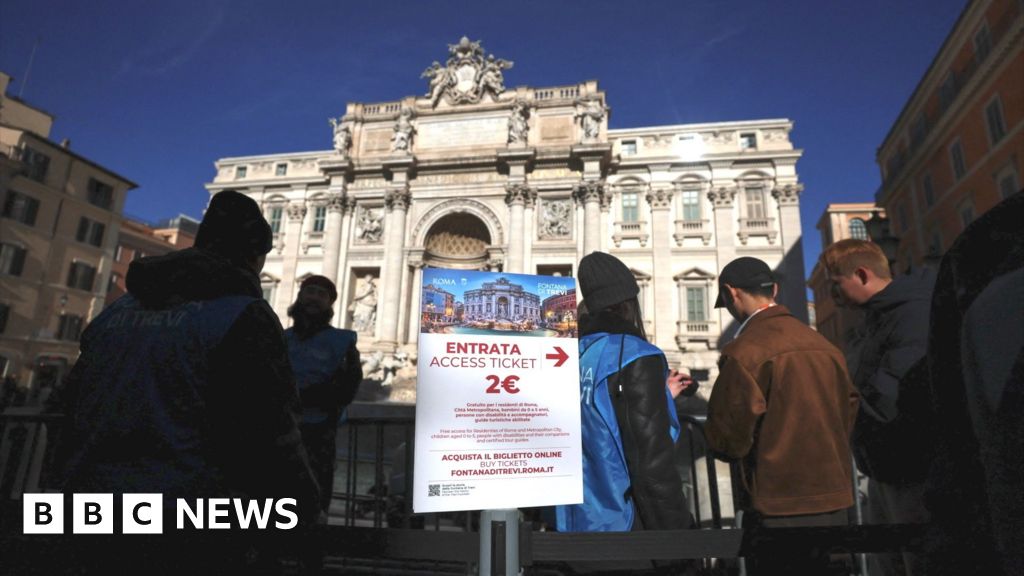
Rome hits visitors with Trevi Fountain fee: pay up or miss the magic

In a move that underscores the shifting landscape of urban tourism and cultural preservation, Rome has introduced a €2 fee for visitors to access the iconic Trevi Fountain. Once a freely accessible symbol of Italy’s rich heritage, the fountain now joins a growing list of global monuments adopting entrance fees in a bid to finance maintenance and manage surging tourist numbers. This decision reflects a broader trend among nations seeking sustainable ways to balance economic benefits with preservation needs amidst increasing international visitor flows.

Proponents argue that such fees are necessary for the upkeep of historic sites, which face mounting pressures from mass tourism. According to international conservation organizations and urban planners, the financial inflow can help prevent decay and allow for modernized preservation efforts. In this context, Italy’s initiative aligns with global strategies seen in cities like London, Paris, and Venice, where local governments are recalibrating their approach to tourism through monetization and regulation. This development has been lauded by some, who believe that a paid access system could reduce overcrowding, enhance visitor experience, and contribute significantly to the local economy.

However, critics raise concerns about the socio-cultural implications of such measures. A skeptical tourist from Sicily expressed resignation, remarking that travelers will now have to “pay and smile,” highlighting a growing frustration among many who view these charges as commodification of cultural landmarks. Economists and cultural historians warn that this trend might lead to a further divide—favoring wealthier tourists and potentially diminishing the accessibility of shared historical heritage. Such debates resonate across Europe and beyond, with analyst Dr. Lucia Romano warning that “many nations risk transforming their cultural identity into a commercial commodity, diluting the essence of community and shared history.”

The geopolitical impact of this shift extends beyond tourism economics, influencing broader international relations. Countries opening spaces for tourism revenue are increasingly facing pressure to balance economic gains with cultural integrity. Furthermore, international organizations, such as UNESCO, have expressed concern, cautioning that commercialization might threaten World Heritage sites if not managed carefully. The intricate dance between preservation, economic necessity, and social equity reflects a deeper, often misunderstood global struggle over identity and authority. As Europe’s traditional art and architecture are monetized in new ways, the cultural landscape is being reshaped—sometimes at the expense of authenticity and accessibility.

History has shown that decisions made today carve the contours of tomorrow’s cultural and political terrain. As nations like Italy adapt to a changing world, the reverberations of these choices will be felt across generations. Will these initiatives serve as a blueprint for sustainable preservation, or will they herald a new era of cultural commodification? The unfolding narrative leaves the world at a crossroads—one where the echoes of the past must be weighed against the relentless march of modernity, and where the true cost of what we choose to safeguard remains an open question, awaiting the verdict of future history.
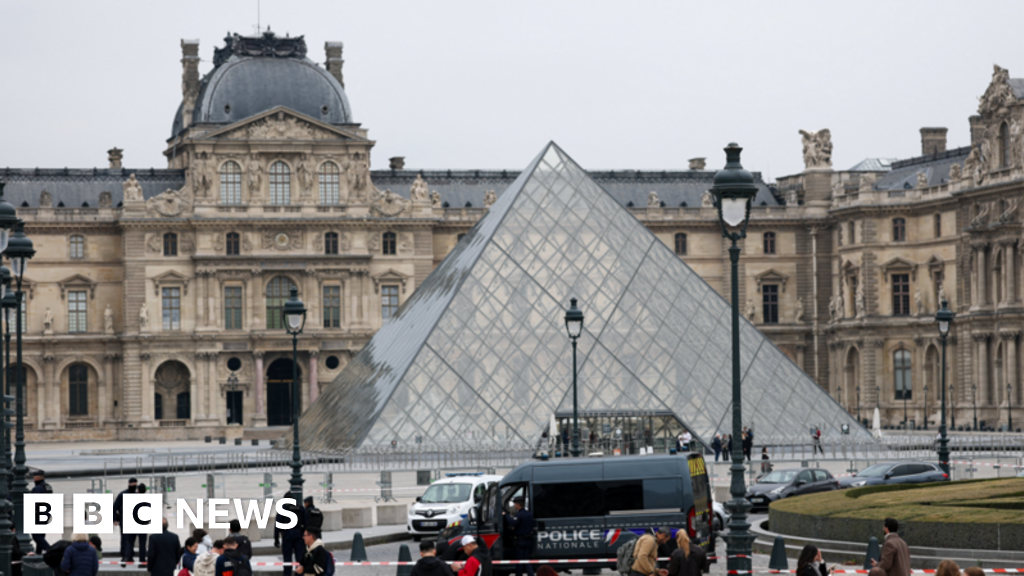

Louvre shutters gallery over safety concern, protecting visitors first

The recent jewel heist at the Louvre Museum in Paris, one of the world’s most iconic cultural institutions, has starkly spotlighted the vulnerabilities inherent in safeguarding humanity’s shared heritage. Despite being a global symbol of art and history, the Louvre’s security lapses have become a cautionary tale for nations worldwide—a reminder that even the most prestigious landmarks are not immune to audacious crimes. The thieves, arriving with a stolen vehicle-mounted lift during broad daylight, infiltrated the museum’s renowned Galerie d’Apollon and made off with precious items, including a crown and the Empress Eugenie’s historic tiara. This brazen act not only exposes gaps in physical security but raises questions about the true state of cultural protection on an international scale.

The geopolitical impact of this incident extends beyond France’s borders. As investigators race to recover the stolen jewels—believed to have been spirited abroad—the international community’s concern grows about the proliferation of art and cultural artifacts on black markets, often crossing continents with ease. Hand-wringing analysts suggest that these thefts are symptomatic of broader issues: inadequate investment in security infrastructure, prioritization of acquisitions over preservation, and a growing sense of complacency among custodians of history. Reports from the Court of Auditors reveal that French museum management directed €105.4m toward new acquisitions and €63.5m into exhibitions, while maintenance a mere €26.7m—an alarming imbalance that critics argue leaves cultural treasures vulnerable to theft and decay.

Furthermore, this event underscores a shift in priorities and capacity for some national institutions, as international organizations like the UNESCO and INTERPOL warn of rising art thefts, often linked to transnational crime syndicates. The Louvre’s decision to transfer some of its most priceless items to the Bank of France reflects an urgent, albeit reactive, effort to protect invaluable assets, yet it also signals a deeper, systemic challenge. Experts warn this is a crucial tolling bell: if cultural heritage becomes increasingly vulnerable, future generations risk losing irreplaceable links to human history. The historian Dr. Julian Carter emphasizes that such high-profile breaches threaten the cultural fabric of societies and the narratives they uphold.

As the shadowy figures behind the heist vanish into a murky network of international black markets, the story remains unresolved—yet it is but a chapter in a larger saga. The unfolding events at the Louvre serve as a stark reminder that the realm of international security must evolve rapidly to counter threats that target not just treasures but the very identity of nations. With each stolen artifact, the long arc of history teeters on the brink, awaiting restitution or further loss. The worldwide community stands at a crossroads: will this be a wake-up call pushing reform and vigilance, or will it become yet another line in the tragic history of cultural neglect? In this uncharted future, the fate of our shared heritage lies in the balance—fragile and contested, yet pivotal in defining the legacy of civilization itself.

Mali Sets $10,000 Visa Bond for U.S. Visitors in Response to Biden Policies

Recent developments in Mali reveal a shifting landscape of international diplomacy and regional stability, illustrating the complex interplay of sovereignty, security, and geopolitical influence. The West African nation, historically beset by unrest and coups, has announced a unilateral decision requiring US nationals visiting Mali to post bonds of up to $10,000 (£7,500) for business and tourist visas. This move mirrors recent policies enacted by the Trump administration and signals Mali’s assertion of sovereignty against perceived external pressures. The official explanation from Mali’s foreign ministry underscores a desire to establish an “identical visa programme” as a response to Washington’s demands, emphasizing a growing tendency among African nations to push back against Western dominance in international affairs.

Despite attempts to bolster diplomatic relations—highlighted by recent high-level visits to discuss economic and security cooperation—the underlying tensions remain palpable. In July, US officials traveled to Mali with aims to promote cooperation, especially in accessing natural resources like gold and lithium, crucial to global markets. However, the recent visa restriction highlights a deeper geopolitical rift, linked to Mali’s internal political shifts and its pivot towards Russia and other regional actors. Since the 2021 coup led by Gen. Assimi Goïta, Mali’s leadership has sought to reduce Western influence, expelling French troops and bringing in mercenaries from Moscow’s Wagner Group. This controversial move has raised alarms from Western powers and international observers, emphasizing a strategic shift that challenges Western dominance in Africa.

The broader geopolitical impact of these developments extends beyond Mali’s borders, echoing across the Sahel and West Africa. Countries like Burkina Faso have mirrored Mali’s stance, refusing to accept deported migrants from the US—an act of defiance that underscores regional resistance to Western diplomatic and immigration policies. The recent suspension of US visa issuance in Burkina Faso, coupled with local government officials questioning diplomatic intentions and calling US proposals “blackmail,” indicates a new era of sovereign assertion. Analyzing this trend, analysts suggest that African nations are increasingly asserting control over their own geopolitical destinies, rejecting external interference, particularly under the guise of security or economic cooperation.

Looking ahead, the significance of this diplomatic tug-of-war is undeniable. It not only reshapes how African states engage with Western powers but also signals a momentous shift in global alliances. The decisions made today—be it Mali’s visa restrictions or Burkina Faso’s refusal to cooperate—are more than mere policies; they embody a larger struggle for geopolitical influence and control over regional narratives. As history continues to unfold, the world must reckon with a new era where sovereign nations challenge traditional power brokers, driving a wedge into the established order and rewriting the rules of international engagement. The weight of history presses heavily on the present, a stark reminder that in this interconnected world, every decision echoes beyond borders, shaping the future for generations to come.

Social Media Auto Publish Powered By : XYZScripts.com



