Matox News

Truth Over Trends, always!

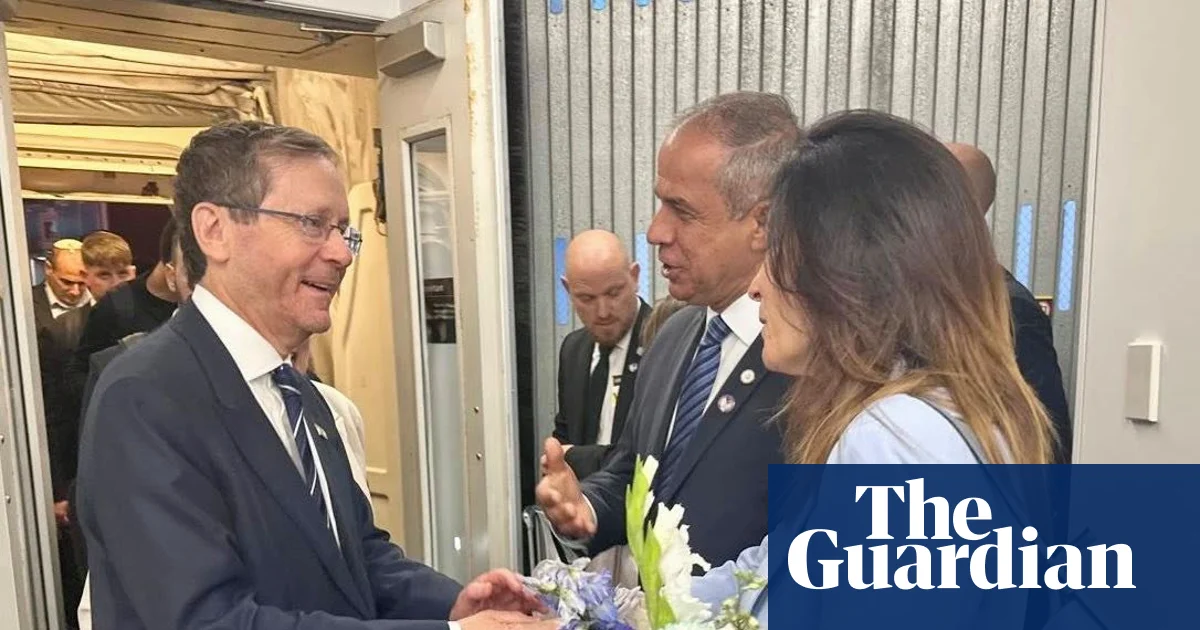
Isaac Herzog visits Bondi to stand with terror attack survivors amid heavy security

Geopolitical Tensions Flare as Israel and Australia Navigate Sensitive Diplomatic Terrain

The recent diplomatic visit of Israel’s President Isaac Herzog to Australia marks a pivotal moment in the ongoing transnational diplomacy surrounding the Israel-Palestine conflict. Herzog’s four-day trip, primarily aimed at engaging with Jewish communities and advocating for bilateral relations, has ignited both support and fierce opposition across the Australian political landscape. While the Australian government, led by Prime Minister Anthony Albanese, positioned the visit as a step toward forging greater unity amidst regional tensions, critics within and outside of the Jewish community viewed it as a provocative act that risks deepening existing divisions.

The visit’s implications extend far beyond symbolic gestures. Herzog’s meetings with top Australian officials, including the prime minister and representatives from across political spectrum, are seen as strategic steps to bolster international support for Israel, especially in the wake of recent violence and antisemitic incidents. The Bondi terror attack, which served as a catalyst for Herzog’s visit, underscored the delicate atmosphere of the Jewish diaspora in Australia, prompting expressions of solidarity from the government and community leaders alike. Yet, the response of sections of Australia’s Jewish community—particularly those critical of Israel’s government—highlight the ethnic and political rifts that continue to challenge cohesion among diaspora populations.

Controversies and the Path Toward International Diplomacy

  • Australia’s Jewish community remains deeply divided, with over 600 members explicitly voicing opposition through full-page ads, criticising Herzog’s visit as a betrayal to multicultural values and Palestinian human rights.
  • Herzog’s international standing has come under scrutiny, with some human rights organizations and analysts accusing him of inciting violence, and even drawing parallels to a “blood libel” by denying allegations of genocide.
  • Adding complexity, recent findings by a UN commission—albeit unofficial and contested—have accused Herzog and Israeli leaders of incitement, a claim that Israeli officials vehemently dismiss as politically motivated propaganda aimed at undermining Israel’s national integrity.

This controversy underscores the geopolitical impact of Israel’s international diplomacy, especially as it navigates accusations of war crimes and genocide in global courts. Such assertions threaten to isolate Israel further on the world stage, forcing the government to rehearse diplomatic responses while managing domestic and diaspora pressures. Meanwhile, Australian authorities, keen to avoid escalation, have been engaged in tense negotiations concerning a planned protest march by pro-Palestinian groups. Prime Minister Albanese and NSW Premier Chris Minns seek a careful balance—preserving the right to assemble while maintaining public order.

The Broader Global Ripple Effect

The Herzog visit occurs within a broader context of shifting international alliances and increasing polarization over Israel’s policies. Historically, Australia has maintained close ties with Israel, often siding with Western allies, yet recent domestic unrest reveals the fragile undercurrents within Australian society regarding Middle Eastern politics. Experts from institutions like the International Crisis Group warn that such diplomatic moves—when coupled with domestic protests and global accusations—could fracture alliances and hinder collaborative efforts in peacekeeping or security initiatives across the Indo-Pacific.

Underlying these developments is a new generation of leaders and analysts who warn that decisions made in these tense moments will echo through history, possibly shaping Australia’s future role on the world stage. As protests flare and diplomatic language tightens, the weight of history presses down, reminding all involved that the decisions taken today may fuel the flames of division or sow seeds for reconciliation. In an era where geopolitics is marked less by clear alliances and more by complex, often contradictory motives, the enduring question remains: How will nations navigate the perilous waters of justice, loyalty, and international diplomacy when history itself continues to unfold before their eyes?
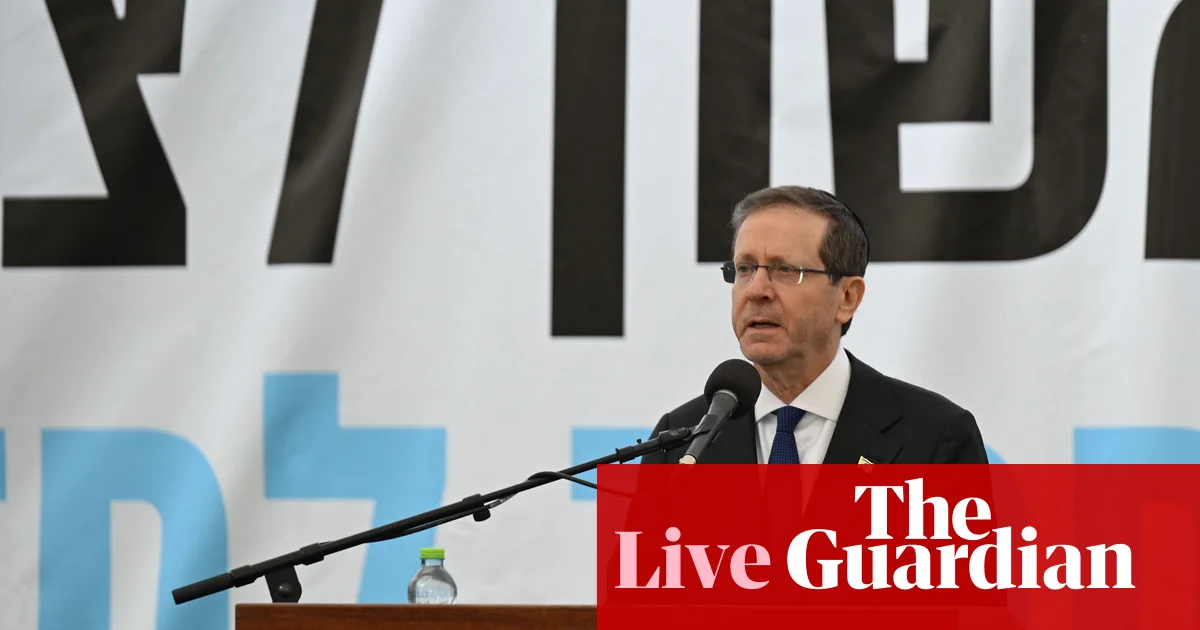
Australian Politics: Israeli President Visits Sydney; Ley Boosts Support Amid Coalition Reboot

In a climate marked by mounting international conflicts and shifting alliances, recent events highlight the profound geopolitical impact that decisions on the global stage are exerting on nations and societies worldwide. Israeli President Isaac Herzog‘s arrival in Sydney underscores both diplomatic outreach and the contentious atmosphere surrounding Israel’s latest regional and international engagements. His visit aims to address survivors of the Bondi terror attack but has ignited a wave of protests and legal challenges, exemplifying the deep divisions that recent international lines of conflict have fostered.

  • Herzog’s four-day tour includes meetings with Australian officials and gatherings with local communities, emphasizing Israel’s intent to bolster its international relations amid ongoing tensions.
  • Controversy has erupted globally—demonstrations and legal disputes threaten to overshadow diplomatic efforts, reflecting how decisions made by leaders influence societal perceptions and domestic harmony.
  • Within Australia, the political landscape is also turbulent, with the ruling Labor government navigating its own internal and external challenges—highlighted by recent defense pacts with Indonesia and consequential shifts in foreign policy focus.

Analysts like Dr. Miriam Cohen from the International Institute of Geopolitical Studies suggest that Herzog’s Australian visit is more than ceremonial; it is a strategic move amidst broader regional destabilization. Meanwhile, domestic politics are shadowed by electoral despair, with the Coalition facing dire polling results—an 18% primary vote—embodying a broader decline in conservative influence. This collapse indicates not just a political crisis but a societal one, where citizens’ disillusionment is fueled by perceived internal disunity and policymaking.

Back home, Australia’s political arena mirrors global chaos. The Liberal-National coalition’s recent reunification comes amidst a wave of internal splitting and leadership speculation. Sussan Ley and David Littleproud are under pressure to craft a resonant message that can reverse dwindling fortunes, but polling indicates they remain in an increasingly untenable position. As former officials like Jane Hume articulate, a need for a comprehensive reset looms—a phrase that echoes across many nations facing political drift. Historians warn that such internal instability can have *long-term ramifications* on the societal fabric.

Simultaneously, the ongoing debate over Herzog’s visit exemplifies the complex intersection of international diplomacy and domestic activism. The anticipated protests and court challenges highlight how policy decisions echo within communities, often igniting fierce debates about morality, sovereignty, and national identity. These protests aren’t mere disruptions; they are visceral symbols of society’s struggle to reconcile international realities with domestic values, marking a moment in history where global conflict isn’t just a matter of policy but an intensely personal battleground.

As the world stands at this multipolar crossroads, the weight of history presses down—each diplomatic gesture, each political maneuver, shaping the future amidst uncertainty. Will nations find common ground in this storm, or will internal discord turn to open conflict? The answers remain unwritten, but the unfolding story of international alliances, domestic upheaval, and international conflicts continues to cast its shadow. The stage is set for a tense chapter of history—one where the choices of today could determine the destiny of nations and the very fabric of global society.

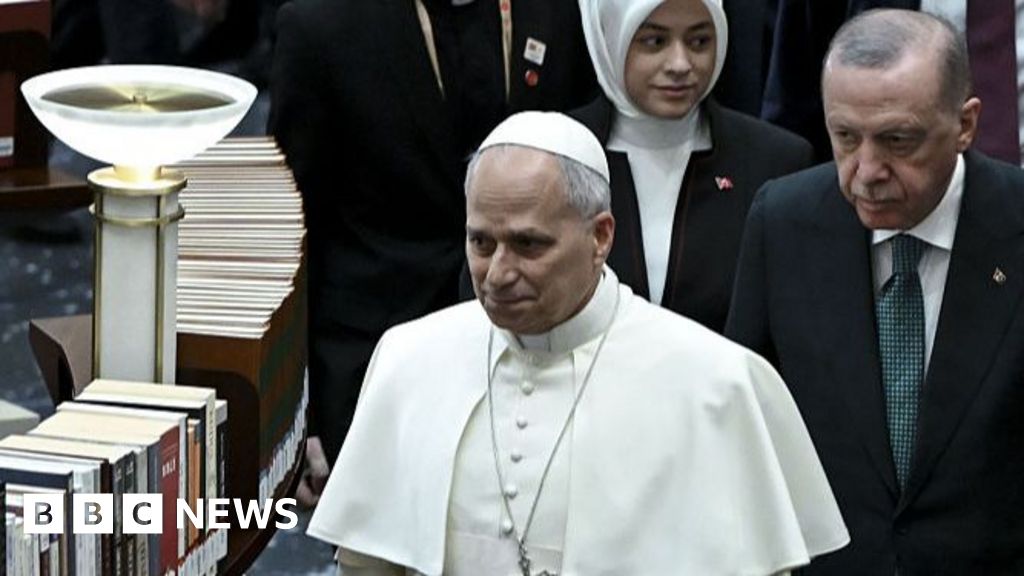
Pope Leo Visits Turkey, Warns Humanity’s Future Hangs in the Balance amid Rising Conflict

Global Implications of Pope Leo XIV’s Historic Diplomatic Trip

Amid mounting global tensions and an accelerating geopolitical chess game, Pope Leo XIV has embarked on a trip that carries significant weight beyond religious corridors. His visit to Turkey and Lebanon represents a conscious effort to foster interfaith dialogue, regional stability, and unity across fractured Christian communities. As he was welcomed by President Recep Tayyip Erdogan in Ankara, the pope issued a stern warning against “a heightened level of conflict on the global level,” emphasizing the importance of dialogue in shaping humanity’s future. This move is not just diplomatic window dressing; analysts suggest it could influence the shifting alliances and tensions that threaten to destabilize the Middle East and beyond.

This trip carries a weight of historical significance, highlighting the Pope’s desire to heal ancient schisms within Christianity while acting as a moral anchor amid regional turmoil. One of the pivotal moments took place in Iznik, the site of the ancient Council of Nicaea. There, amidst relics of early Christian unity, leaders of various traditions gathered to mark the 1,700-year anniversary of the Nicene Creed—an anchor point for Christian doctrine. In the current climate, where regional conflicts are increasingly entangled with religious identity, the pope’s call for “messages of togetherness and healing,” aims to remind the world of the enduring power of unity. Leaders and historians, including those from the Vatican and international think tanks, see this as a decisive attempt to rekindle dialogue and possibly curb future conflicts rooted in doctrinal divisions.

Meanwhile, in Turkey, Pope Leo’s visit to iconic sites such as the Blue Mosque symbolizes an effort to promote inter-religious dialogue. His meetings with other faith leaders are viewed by many analysts as strategic acts of soft diplomacy, aimed at fostering mutual respect in a region often scarred by religious tensions. This approach reflects a broader shift toward *practical engagement* amidst a sea of instability—particularly as regional alliances shift in response to rising conflicts and international disputes. The Pope’s cautious diplomacy continues to shape the *geopolitical landscape*, signaling a nuanced effort to prevent escalation and promote peace. The significance lies in how such gestures, often overlooked in the realm of geopolitics, can ripple outward and inspire societal resilience or, conversely, deepen fractures if misinterpreted.

The regional context has been further complicated by recent Israeli airstrikes on Beirut, an act that critics argue underscores the fragility of Lebanon’s stability. Despite this, the Vatican has affirmed that Pope Leo XIV’s plans for his Lebanon visit remain unchanged. He plans to meet with civic leaders and voice support for Lebanon’s besieged Christian community—an influential minority struggling for recognition amid chaos. His final Mass at the Beirut waterfront, on the anniversary of the 2020 port explosion, is expected to serve as a powerful act of remembrance and a plea for peace. International observers, including strategic analysts from NATO and the World Council of Churches, note that this act—and the overall trip—may be subtly pushing back against the rising tide of regional instability, seeking to remind global powers of their moral responsibility.

As the world watches this carefully calibrated diplomatic dance, the weight of history presses heavily upon each step. Pope Leo XIV’s trip is more than spiritual outreach; it is an act of moral diplomacy that may influence the geopolitical currents shaping future decades. The decisions made in these quiet corridors of dialogue will echo through generations, dictating whether nations can build bridges over centuries-old divides or descend further into chaos. The world remains poised at a crossroads, and history, ever-watchful, continues to unfold its story—an enduring saga of hope, conflict, and the relentless pursuit of peace amid chaos.

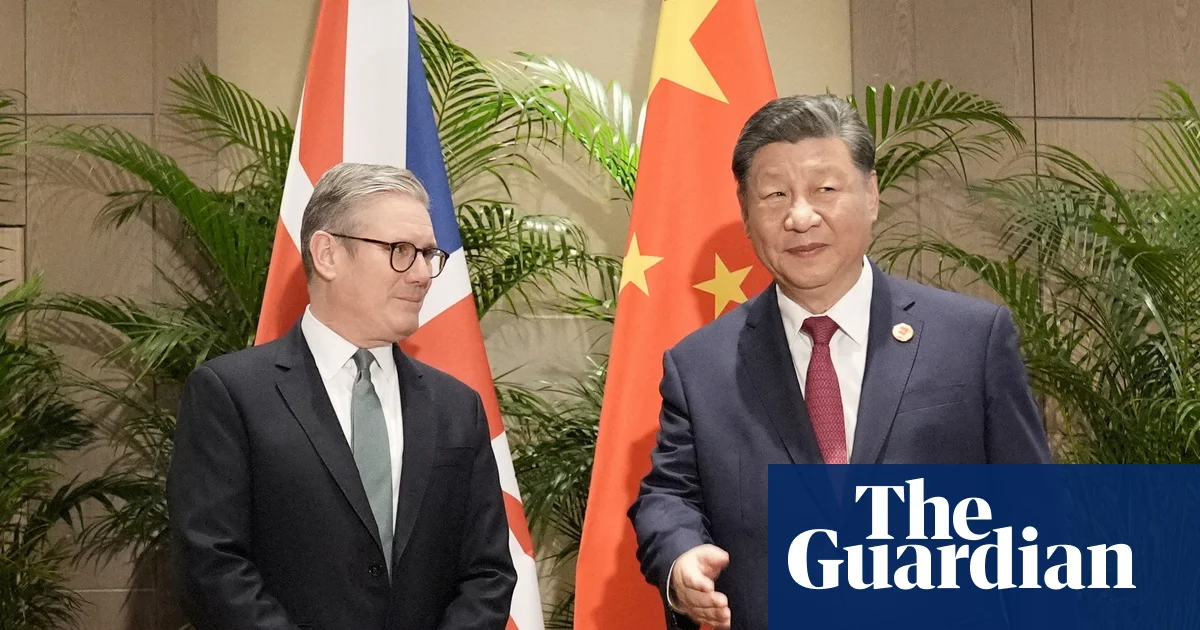
Ministers gear up for China visits amid spying trial backlash, Labour critics warn

The United Kingdom is charting a precarious course in its renewed engagement with China amidst the turbulence of global power shifts and internal controversy. Despite simmering tensions sparked by the recent abandonment of espionage charges against two individuals accused of spying for Beijing, UK ministers have signaled a strategic intention to resume high-level talks before the year’s end. This includes plans for Jonathan Powell, the national security adviser, to visit Beijing in November—an effort aimed at fostering a “long-term and strategic” relationship, as emphasized by government officials. Such moves are not merely diplomatic gestures but carry profound geopolitical impact, signaling the UK’s attempt to balance economic interests with national security concerns amid China’s global rise.

This renewed diplomatic pursuit comes at a critical juncture. While official statements insist that engagement is rooted in “UK interests,” critics argue that this signals a recalibration—possibly a capitulation—to Beijing’s influence. Notably, the recent controversy involving the dismantling of charges against individuals linked to espionage suggests a possible diplomatic *trade-off*. Leaders like Keir Starmer are navigating a complex landscape, balancing the desire to reopen channels with fears of China’s expansionist reach and surveillance overtures. Many analysts, including security experts and historians, warn that this strategy risks emboldening Beijing at a time when U.S.-China tensions are intensifying. Global institutions such as the IMF and diplomatic commentators have voiced concerns that the UK’s embrace could undermine the collective effort to contain China’s geopolitical ambitions, thereby threatening regional stability.

Furthermore, these diplomatic overtures extend beyond government talks. Key figures like Rachel Reeves and Oliver Robbins have undertaken visits to China, promoting economic investment and revitalizing bilateral ties. Reeves’s recent involvement in unveiling £600 million of Chinese-backed investments underscores Britain’s attempt to capitalize on economic opportunities—yet such moves are fraught with risks. Chinese officials have openly communicated their displeasure over UK restrictions targeting their security apparatus, warning of potential retaliation that could destabilize diplomatic efforts. As international organizations track this evolving saga, they emphasize that decisions made today will shape the future of global power dynamics, with the UK caught squarely in the crossfire of a new Cold War landscape.

The unfolding developments evoke reflections from foreign policy analysts and historians who see this as a defining moment in 21st-century geopolitics. The last British Prime Minister to visit ChinaTheresa May in 2018—once spoke optimistically about a “golden era,” yet recent events reveal how swiftly that narrative has unraveled. The proximity of Kemi Badenoch and other senior officials to the Chinese government indicates a profound shift, perhaps towards a pragmatic yet perilous engagement policy. As Starmer’s alleged plans for a bilateral visit in February and Trump’s own sudden interest in China demonstrate, the global chessboard is realigning rapidly, with the UK positioning itself delicately amidst the rising tide of Chinese influence.

In the shadow of these high-stakes negotiations, history warns that such pivotal moments are often fraught with unforeseen consequences. The decisions taken in Parliament’s chambers and diplomatic suites will resonate through decades, shaping the balance of power in the Indo-Pacific and beyond. As the world watches, the UK’s future hinges on whether these diplomatic gambits will uphold sovereignty and security or succumb to the seductive allure of economic gains at a perilous geopolitical cost. The pages of history are turning once more, and the weight of global destiny hangs in the balance—an intricate dance of strategy, influence, and power, with the world on the edge of a new epoch.”

Social Media Auto Publish Powered By : XYZScripts.com