Matox News

Truth Over Trends, always!

Protecting autonomous midwifery is vital for our society's future
Protecting autonomous midwifery is vital for our society’s future

Amid the ongoing debates on social and healthcare policies, one issue that often remains under-discussed but holds profound significance is the diminishing respect and access to autonomous midwifery. Once a pillar of respectful, individualized care, midwifery has increasingly been marginalized, replaced by a model that, critics argue, erodes the dignity and safety of mothers and families. The shift from experienced, autonomous midwives—who offer emotional support and vigilant care—to obstetric nursing within institutional frameworks reflects a societal move towards bureaucratic control. This change affects families’ trust in maternal care, undermines community bonds, and risks turning childbirth into a mere medical procedure devoid of the human connection essential to human dignity.

The historical role of midwives, rooted in centuries of cultural and community practice, underscores their importance not only in physical health outcomes but also in fostering a supportive environment for women during one of life’s most vulnerable moments. Sociologists, like Dr. Sarah McMillan, have emphasized that the loss of autonomous midwifery signifies more than a professional shift; it symbolizes a societal attitude that undervalues the moral significance of care rooted in respect and autonomy. As medical institutions streamline childbirth—mainly driven by cost-efficiency and regulatory standards—the emotional and cultural dimensions of birth are often sacrificed. This reality manifests in increased obstetric violence, a troubling phenomenon that infringes on women’s rights and dignity, and in the rise of unsafe practices such as ‘free birthing’—a dangerous consequence of limited professional support and accessibility.

For communities, the consequences are tangible: fractured trust in healthcare, increased disparities for marginalized groups, and a growing sense of alienation during a crucial life event. As historian Dr. James Ortega notes, “When societies undercut their own cultural practices and community-based care, they risk losing a vital connection—one that sustains the social fabric for generations to come.” To address these challenges, advocates call for restoring accessible and respectful autonomous midwifery services—an approach that emphasizes experience, human connection, and informed choice. Proposed solutions include policy reforms that recognize midwives as primary caregivers, investments in community-based training, and legal protections that uphold their autonomy. Implementing these changes can ensure that birth remains a sacred, empowering journey rather than a clinical, impersonal ordeal affecting families’ well-being and societal cohesion.

As society faces these escalating social issues, it is vital to reflect on the moral and ethical implications of our collective choices. Childbirth, an event woven into the very fabric of family life and cultural identity, must be approached with the respect and dignity it deserves. When communities embrace the full spectrum of care—grounded in tradition, experience, and human empathy—they sow the seeds for a future where families feel supported, women are empowered, and social bonds are reinforced. The challenge ahead is daunting, yet within it lies the potential for profound social transformation—one that places humans and communities at the heart of healthcare. Ultimately, society’s resilience will be measured by its capacity to honor and sustain the enduring human connection that birth symbolizes, nurturing hope amid social change and guiding future generations with compassion and respect.
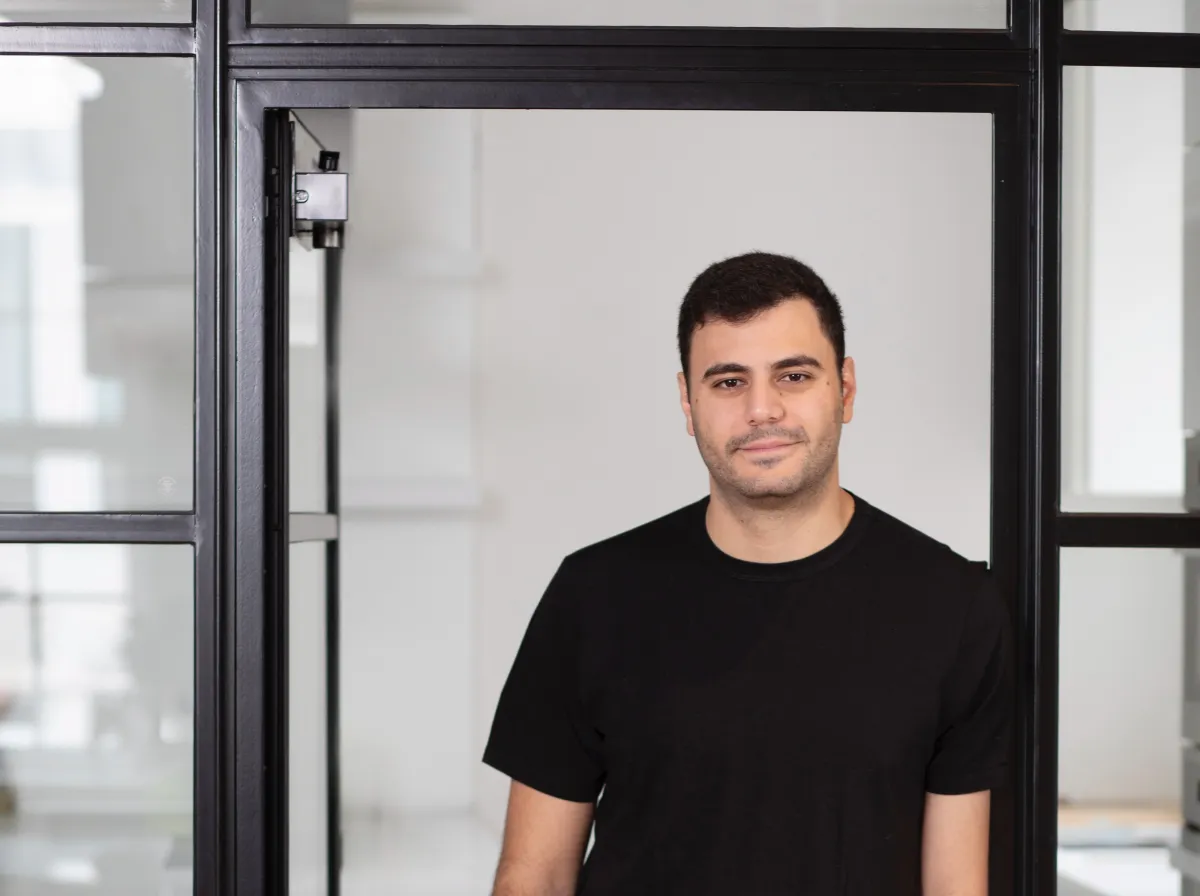
Scale AI vet secures $9M to power AI innovations for vital MENA sectors

Innovative Disruption in Infrastructure Management: 1001 AI Secures $9 Million Seed Funding

The burgeoning startup 1001 AI is positioning itself at the forefront of AI-driven infrastructure modernization across the Middle East and North Africa (MENA), unveiling a bold vision to revolutionize how critical industries operate. Led by visionary entrepreneur Bilal Abu-Ghazaleh, who brings nearly a decade of experience from the U.S. tech scene—including a key role at the robotics data company Scale AI—the firm is pioneering decision-making AI solutions designed to optimize complex and high-stakes environments such as airports, ports, and construction sites. This emerging wave of disruptive AI technology promises to send ripples through traditional sectors long plagued by inefficiencies, slipping schedules, and budget overruns.

In a recent funding round totaling $9 million led by investment giants CIV, General Catalyst, and Lux Capital, 1001 AI’s innovative approach attracted notable angels including industry experts such as Chris Ré and Amjad Masad. This influx of capital marks a significant milestone, providing the leverage for rapid deployment and scaling. The company’s flagship product, scheduled for release by the end of the year, exemplifies its disruption strategy: AI models that integrate seamlessly with existing software platforms to automate decision-making processes, effectively transforming manual operations into real-time orchestrated workflows.

Beyond mere automation, 1001 AI emphasizes its strategic focus on physical-world problems — a critical gap in many sectors where legacy infrastructure and manual oversight dominate. Through sophisticated data modeling, the AI system can optimize the movement and allocation of resources—vehicles, crews, and equipment—eliminating idle times and reducing operational bottlenecks. According to Abu-Ghazaleh, this translates into tangible cost savings, especially in megaprojects that frequently face delays and budget overruns. Industry analysts, including those at Gartner, underscore that such intelligent orchestration not only enhances efficiency but also sets the stage for a new era of infrastructure resilience and profitability.

The broader implications of this technological disruption extend far beyond regional borders. As Abu-Ghazaleh aims to establish the Gulf as a global hub for AI-enabled infrastructure solutions, the potential for a transformative impact on the global supply chain and construction sectors is immense. By embedding AI deeply into physical operations, 1001 AI is challenging existing paradigms and tipping the industry toward a future where real-time data-driven automation becomes the norm, not the exception. With plans to launch its initial deployments within construction before expanding into logistics and aviation, the company anticipates becoming the regional backbone for operational orchestration. Such a shift could recalibrate entrenched models, making them more agile, cost-effective, and responsive.

As we look ahead, the urgency to embrace this wave of innovation grows—industries resistant to digitization risk falling behind in a hyper-competitive landscape. The combination of regional market opportunities and global technological trends signals that the next decade will see innovations in infrastructure management define the economic and strategic landscape. Companies that fail to adapt will likely face irrelevance, while those like 1001 AI are set to lead the charge, harnessing AI to unlock unprecedented levels of operational efficiency and disruption. The race for AI dominance in critical industry infrastructure is underway — and the clock is ticking for industry leaders to respond.

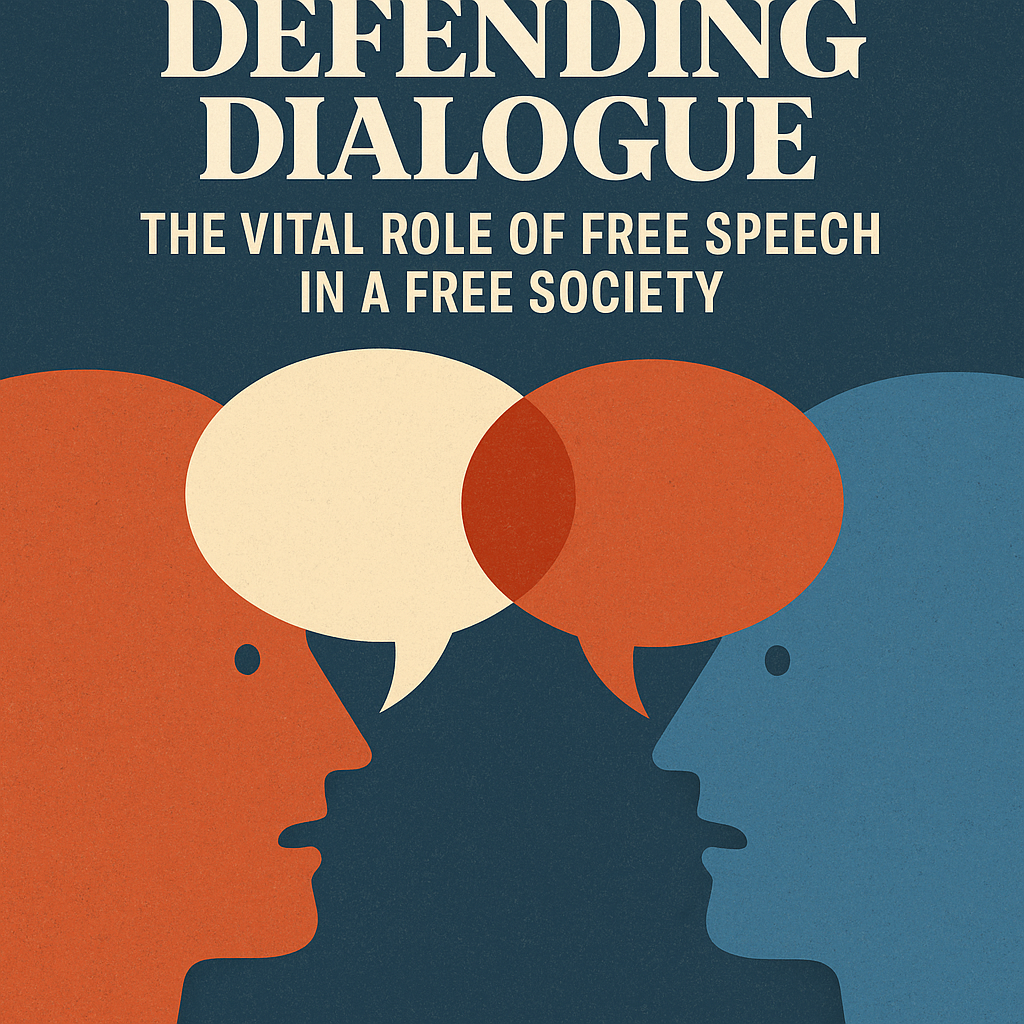
Defending Dialogue: The Vital Role of Free Speech in a Free Society

In an era marked by digital interconnectedness and rapid information exchange, the fundamental importance of free speech in maintaining a vibrant, healthy society cannot be overstated. Critics often posit that unchecked dialogue can foster divisiveness or misinformation, but history and empirical evidence suggest otherwise. John Stuart Mill, in his seminal work On Liberty, argued that the free exchange of ideas is essential not only for discovering truth but for preventing tyranny of the majority. When societies impose undue restrictions on speech, they risk silencing dissent, which can stifle innovation, suppress minority views, and erode the very foundations of democracy. The challenge lies in safeguarding open discourse without allowing harmful content to proliferate, a balancing act that underscores the importance of free and fair dialogue.

Supporters of free speech emphasize that censorship often backfires by driving controversial ideas underground, where they become more difficult to address openly. Economists like Friedrich Hayek have pointed out that free markets of ideas require safeguarding to foster societal progress. Moreover, the digital age has amplified the reach of individual voices, allowing youth-led movements and marginalized communities to challenge entrenched narratives effectively. Nevertheless, critics argue that platforms must moderate content to prevent harm; yet, overreach risks transforming these spaces into echo chambers. Protecting free speech entails constructing boundaries that deter abuse without curtailing authentic debate, a nuanced pursuit that defies simple solutions but remains central to societal resilience.

From a historical perspective, societies that champion liberty of expression tend to experience greater innovation and social cohesion. When citizens are empowered to voice dissent, governmental abuses are held accountable, and policies are scrutinized more effectively. Analysts suggest thatn an environment of robust debate fosters a culture of critical thinking—vital for adapting to complex challenges like technological change or global crises. Limiting speech, on the other hand, can cultivate a climate of conformity, where fear suppresses dissent and free inquiry diminishes. As thinkers like Alexis de Tocqueville observed, “Democratic societies flourish when the individual feels free to speak and think for themselves, even if their views are unpopular.”

Yet, amid the noise and chaos of our digital age, it is essential to remember that free speech is more than a right; it is a moral obligation. It demands responsibility—both from those who exercise it and from societies that protect it. If the future of free societies depends on anything, it is on their ability to defend this sacred space where ideas collide, challenge, and evolve. The weight of this responsibility is immense, for within the marrow of free speech lies the future of human progress itself—an enduring testament to our collective resilience and boundless aspiration, echoing through time as an unbreakable chorus that calls us to remain vigilant and unwavering in the pursuit of truth and liberty.

Social Media Auto Publish Powered By : XYZScripts.com