Matox News

Truth Over Trends, always!

Which European nations are beefing up with mandatory or voluntary military service?

In a clear response to Russia’s full-scale invasion of Ukraine in 2022 and the lingering specter of renewed geopolitical conflict, many of Europe’s NATO member states are recalibrating their military strategies. Across the continent, nations are mobilizing efforts to bolster their armed forces—either by reintroducing conscription, expanding volunteer schemes, or modernizing their professional armies. This surge in military recruitment signifies a fundamental shift in Europe’s defense posture, driven by the perceived threat of Russian aggression and a broader assertion of sovereignty amidst geopolitical instability.

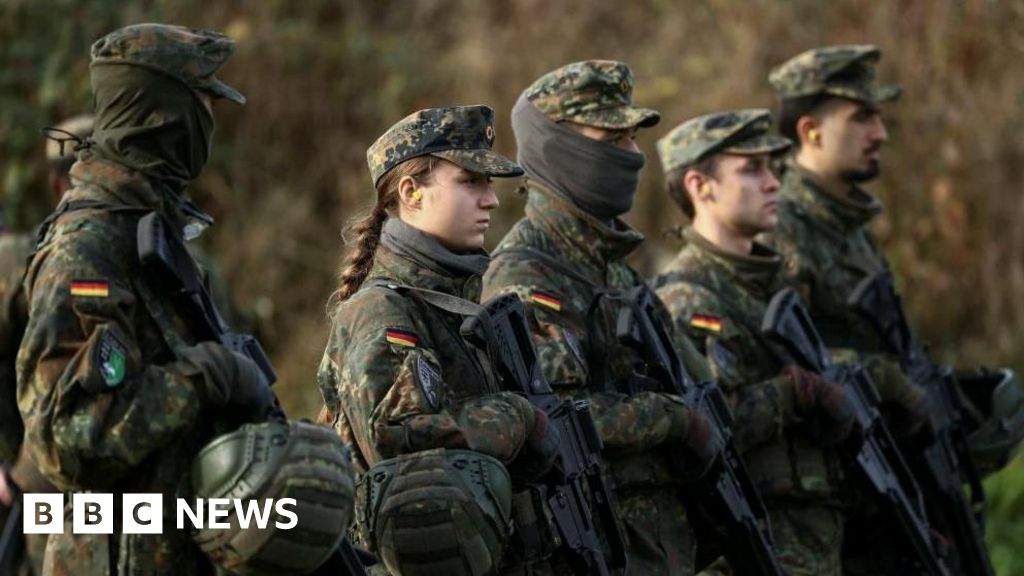
Countries like Germany and France are leading this transformation. Germany has returned to a strategy of voluntary military service, with a legislative move aimed at creating Europe’s “strongest conventional army” by 2035. Parliament has approved a law requiring all 18-year-old men to fill out recruitment questionnaires and undergo medical exams—potentially enabling a future return to compulsory service if circumstances demand. Chancellor Friedrich Merz has articulated a vision of expanding the military from 183,000 to 260,000 active troops, an initiative that has sparked protests among young Germans who fear becoming “cannon fodder.” Historians and defense analysts warn that such militarization, while pragmatic, risks stoking societal divisions and reigniting memories of Europe’s turbulent past.

Meanwhile, France is pioneering a voluntary national service program aimed at attracting the youth—primarily 18- and 19-year-olds—offering €800 per month for 10 months of military training. President Emmanuel Macron emphasized the importance of mobilizing the nation to defend itself, invoking nationalist themes to rally support. This shift reflects a broader European trend: while Norway and Estonia maintain conscription policies, others like Belgium and Poland have launched targeted voluntary schemes to increase their reserve forces. Global institutions such as NATO have voiced cautious optimism, viewing these moves as necessary for collective security, yet critics argue such efforts could exacerbate tensions and escalate regional conflicts.

In the broader context, Turkey continues its longstanding conscription policy, with men aged 20-41 obligated to serve for 6-12 months, reinforcing its military strength as it faces regional security challenges. Meanwhile, Croatia plans to reintroduce conscription next year, mandating two months of military training for young men aged 19 to 29. As Germany and France work towards expanding their armies, other nations like Austria and Switzerland maintain compulsory military duties for their populations—highlighting a continent in flux, balancing traditional conscription with modern volunteerism. The common thread is evident: European nations are actively adjusting their defense doctrines to reflect a new era where the threat landscape remains unpredictable, and the weight of history whispers ominously in the background.

As Europe stands at this crucial juncture, the decisions taken today—whether to conscript or to rely solely on volunteers—will shape societies for generations. The unfolding narrative is more than a matter of military logistics; it is a story intertwined with national identity, sovereignty, and the collective security of freedom itself. In the quiet before the next storm, history watches silently—its pages yet unwritten, its voice echoing with the weight of uncertainty. The continent’s future hinges on choices made now, daring to confront or evade the shadows cast by the past—an enduring testament to the fragile yet resilient fabric of civilization, still awaiting the next chapter of its destiny.
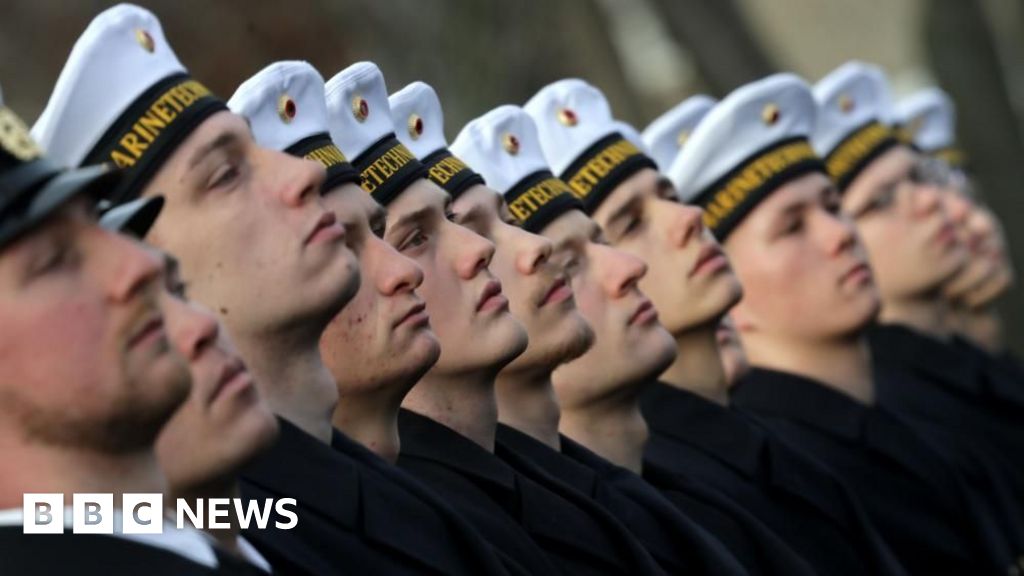

Germany pushes for voluntary military service for 18-year-olds, shaping a stronger future youth force

Germany Revamps Its Military Policy in Response to Rising Geopolitical Tensions

The recent decision by Germany’s Bundestag to introduce voluntary military service marks a pivotal moment in European defense policy. In a close vote of 323 to 272, the German parliament approved the measure, signaling a strategic shift amidst swirling uncertainties stemming from Russia’s full-scale invasion of Ukraine. Chancellor Friedrich Merz has made rebuilding the Bundeswehr into Europe’s strongest conventional army a central goal, aligning himself with a broader NATO push to bolster collective defense capabilities. This decision comes at a time when European nations grapple with existential threats that threaten to reshape the continent’s security landscape.

Historian and defense analysts underscore that this move signifies more than just military expansion; it signals Germany’s acknowledgment of a changed geopolitical reality. Historically, Germany has maintained a pacifist stance since ending compulsory service in 2011, but the current threat environment has compelled a reevaluation. The new policy envisions raising the standing army by 20,000 personnel over the next year and increasing the reserve forces to about 200,000—aiming to meet NATO’s evolving force standards. The decision to implement voluntary service is reportedly designed to maximize recruitment incentives, offering approximately €2,600 per month to volunteers—an attractive proposition in contrast to neighboring France, where volunteers will receive at least €800 monthly.

How Decisions Shape Nations and Societies

The widespread protests from German youth reflect a significant societal divide about the nation’s renewed militarization. Many young Germans oppose the move, citing personal and moral reservations about military service. As student protests erupt across 90 cities like Hamburg, critics argue that the shift toward militarization risks igniting a generational rift—raising concerns about the long-term societal impact of increased recruitment and training. The protest organizers warn that war offers “no prospects for the future” and could threaten the livelihoods of young Germans already wary of a return to a militarized society, illustrating how **domestic opinion** can influence, and sometimes hinder, strategic national policies.

By aligning with NATO strategies and increasing its defense spending, Germany demonstrates an intent to shift from a peaceful, post-Cold War stance to a more assertive military posture. The move also signals a broader European response, with France recently announcing voluntary military training for 18- and 19-year-olds, emphasizing a continent-wide recognition of the escalating threats from Russia and other geopolitical adversaries. International organizations, such as the European Union and NATO, now watch closely as the policies taken by Berlin unfold, with many analysts warning that these steps could trigger a renewed arms race and further destabilize an already fragile geopolitical order.

The Long Shadow of History and an Uncertain Future

As Germany prepares to reintroduce a form of conscription—initially voluntary, but with the potential for future mandatory service—history looms large. The Cold War army of nearly half a million starkly contrasts with today’s force of 182,000, illustrating decades of demilitarization and peace-oriented policy shifts. Yet, the current trajectory reflects a ©reversal of practice, motivated by concerns that in a crisis, time would be wasted determining who is operationally capable of defending the homeland. It is a stark reminder of how international conflicts can swiftly recalibrate national priorities, transforming internal debates into urgent questions of sovereignty and security.

As the world watches, the weight of history presses heavily on Germany’s shoulders. The nation’s future, now entangled with questions of military readiness, societal values, and international stability, hangs in a delicate balance. Each decision echoes through the corridors of power, shaping the course of Europe’s security architecture. The current moves may be seen as definitive steps towards renewed strength, but they also carry the unpredictable risks of reigniting old conflicts on a continent scarred by war—reminding the global community that in the theater of geopolitics, history’s unfinished story remains perilously open-ended.

Social Media Auto Publish Powered By : XYZScripts.com


