Matox News

Truth Over Trends, always!

Hong Kong Votes Amid Tragedy: City Still Reeling from Deadly Blaze

Hong Kong’s Electoral Drama Unfolds Amidst Tragedy and Tightened Grip

As Hong Kong gears up for its latest election for the Legislative Council (LegCo), the city finds itself caught in a confluence of political control, societal tension, and recent tragedy. The election, slated for 26 November, serves as a crucial barometer of public sentiment—yet, beneath the surface lurks a deeper story of Beijing’s tightening grip on the former British colony. Since Beijing’s sweeping electoral changes in 2021, orchestrated to cement pro-Chinese loyalty, participation has plummeted, with just 30% voter turnout last cycle—a reflection not merely of apathy but of targeted suppression of dissenting voices.

A Response to National Security and a Suppression of Dissent

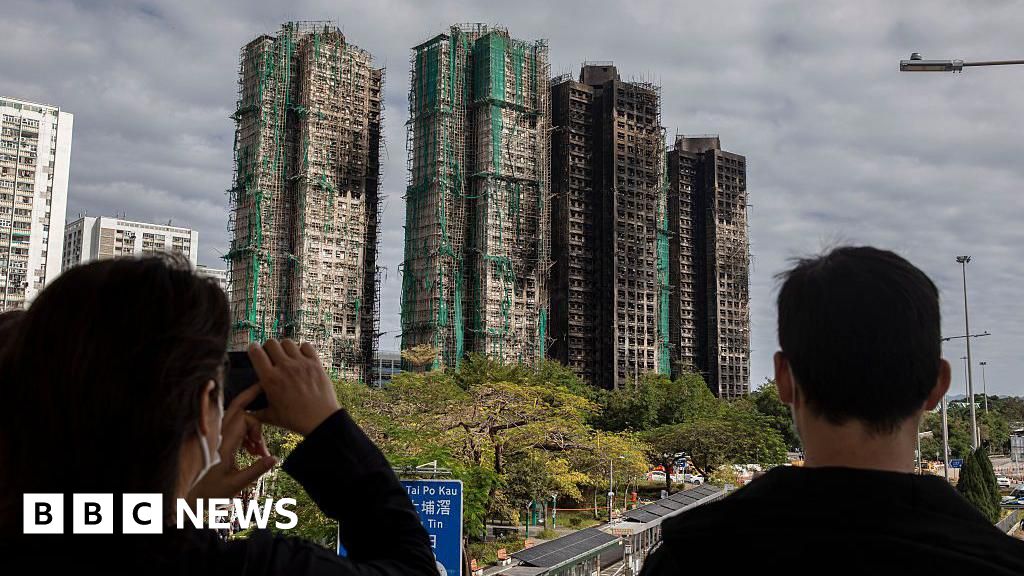
All candidates contesting this year’s LegCo have been strictly vetted, ensuring only those loyal to China are permitted to stand, effectively marginalizing opposition parties and pro-democracy advocates. According to analysts from international think tanks and statements from Beijing’s officials, the reform was deemed essential to restore “stability” following the tumult of the 2019 protests. Yet critics interpret this overhaul as a deliberate neutering of Hong Kong’s semi-autonomous institutions, undermining democratic principles and silencing protests. The recent crackdown following the Tai Po fire—Ironically, a disaster that claimed nearly 160 lives—exemplifies this approach. Authorities have detained those seeking independent inquiries and taken swift measures such as banning public dissent, further entrenching the narrative of an unyielding, if not increasingly authoritarian, regime.

The Fire, the Aftermath, and the Political Repercussions

The devastating fire at the Wang Fuk Court—Hong Kong’s worst in over 70 years—has reshaped the political landscape. Rescue efforts spotlighted deficiencies in building safety standards, exposing the vulnerabilities of aging infrastructure and igniting anger among residents. In response, authorities created an independent committee to investigate and have already made arrests, including those of suspected manslaughter, ostensibly to demonstrate accountability. However, the swift move to clamp down on dissent—detaining a petition signer for sedition and removing related internet content—illustrates how even tragedy is politicized to serve the regime’s interests. The incident has temporarily suppressed electoral campaigning, with protests and carnivals canceled, as the government seeks to mold public perception and demonstrate control.

Government Messaging and the Future of Hong Kong

Despite the turmoil, the government, led by Chief Executive John Lee, insists that the elections will proceed as planned. The narrative promoted by Beijing and Hong Kong’s authorities hinges on framing participation as a patriotic duty—an act of love and responsibility for the city’s future. State propaganda, including animated mascots and a catchy campaign theme, aims to rekindle voter enthusiasm, especially among pro-establishment supporters. Yet many analysts, including Hong Kong-based political scholars, predict the vote will reflect resignation rather than genuine support. The significant departure of seasoned lawmakers—particularly those over 70, like Regina Ip, nicknamed the “Iron Lady”—further signals an erosion of traditional political resistance. Pressure from Beijing has unofficially encouraged these retirements, consolidating an already tightly controlled political arena.

In this moment, as Hong Kong navigates the aftermath of tragedy and political repression, the city’s story remains fluid—an unresolved chapter shaping an uncertain future. The balancing act between suppression and the silent yearning for true autonomy leaves the world watching, with history bearing witness to whether Hong Kong can forge a new path or capitulate entirely to the evolving grip of a command-driven empire. The weight of these decisions stretches across generations, and the outcome will undeniably echo through the annals of history, leaving a question hanging in the air: What kind of future will emerge from these ashes?
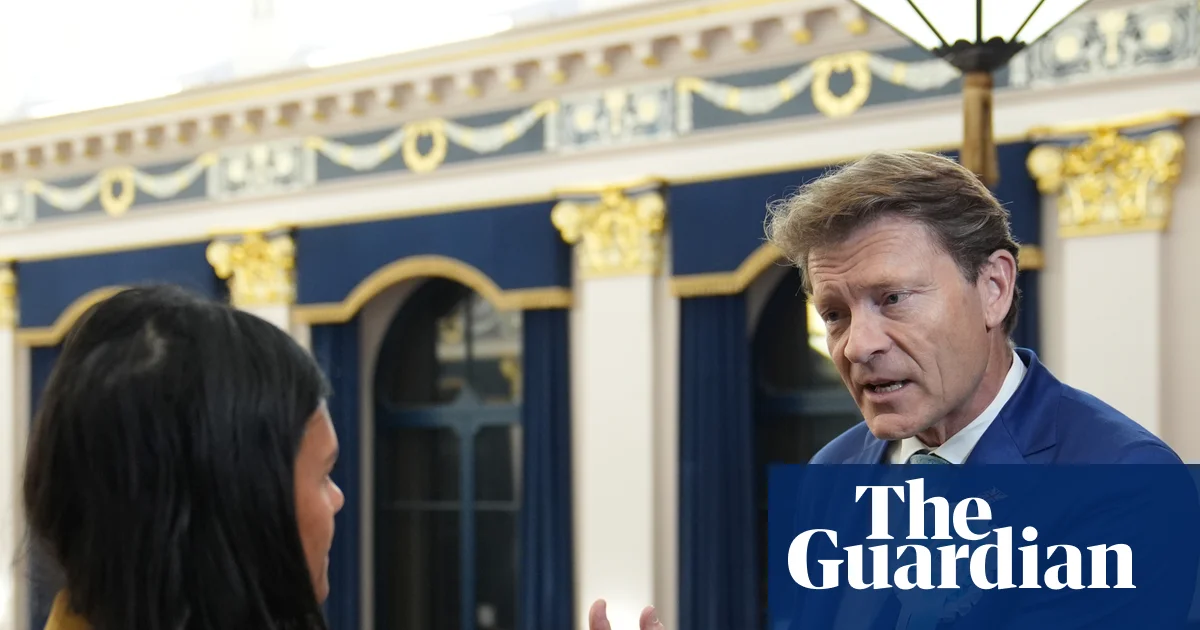
No 10 delays four England mayoral votes, sparking claims of undermining democracy

Society Reacts to Postponement of Key Local Elections in England

The recent decision by the government to delay mayoral elections in four regions of England—namely Greater Essex, Norfolk and Suffolk, Hampshire and the Solent, and Sussex and Brighton—has ignited a firestorm of controversy. Originally scheduled for this year, these elections have been pushed back until 2028, ostensibly to allow more time for local government reorganization. Critics, however, argue that this move is less about administrative efficiency and more an overreach that undermines democratic principles. The postponement threatens to disenfranchise approximately 7.5 million voters, raising serious questions about the integrity of local governance and the foundational right to democratic participation.

Social commentators, including sociologists and historians, express concern that such postponements could set a dangerous precedent for the erosion of democratic accountability. They warn that in societies where local elections are deferred or canceled, it often signals a drift towards authoritarianism or at least an undermining of the collective voice. Opposition parties, such as the Liberal Democrats and Reform UK, have condemned the move as a blatant attempt by the ruling Conservative government to hijack the democratic process. Richard Tice, Reform UK’s deputy leader, likened the cancellation of elections to practices seen in dictatorial regimes, asserting that “7.5 million people are now going to be denied the opportunity of voting in mayoral elections.” This rhetoric underscores the fears that such delays may further polarize communities and weaken the social fabric that holds them together.

At the heart of this debate is the impact on families, local communities, and the quality of education. Many argue that postponing elections disrupts community engagement and stifles voices, especially as the government claims the delays are necessary for “getting it right,” yet critics contend that the true motivation is political self-preservation. Meanwhile, the moral and human implications of this delay are profound: it deprives residents of the opportunity to shape policies that directly affect their livelihoods, from education funding to social services. As *sociologists like Seymour Martin Lipset* have noted, “democracy involves not just the process of voting but the ongoing engagement and empowerment of communities.”

  • Postponement affects approximately 7.5 million voters
  • Delays aim to facilitate local government reorganization
  • Opposition parties argue it undermines democratic rights
  • The move coincides with a surge in Reform UK’s local electoral success

As society grapples with these challenges, the overarching question remains: will democracy’s voice be silenced in the pursuit of political expediency, or will communities find renewed strength to demand accountability?

In the silent corridors of local councils and in the bustling streets of communities left waiting, the answer will decide the moral compass of the society we are forging. Society stands at a crossroads—where the true measure of a nation’s strength is not in its institutions alone but in the resilience of its families and the hope that even in the darkest hours, transformative change can be born from the collective will of its people.

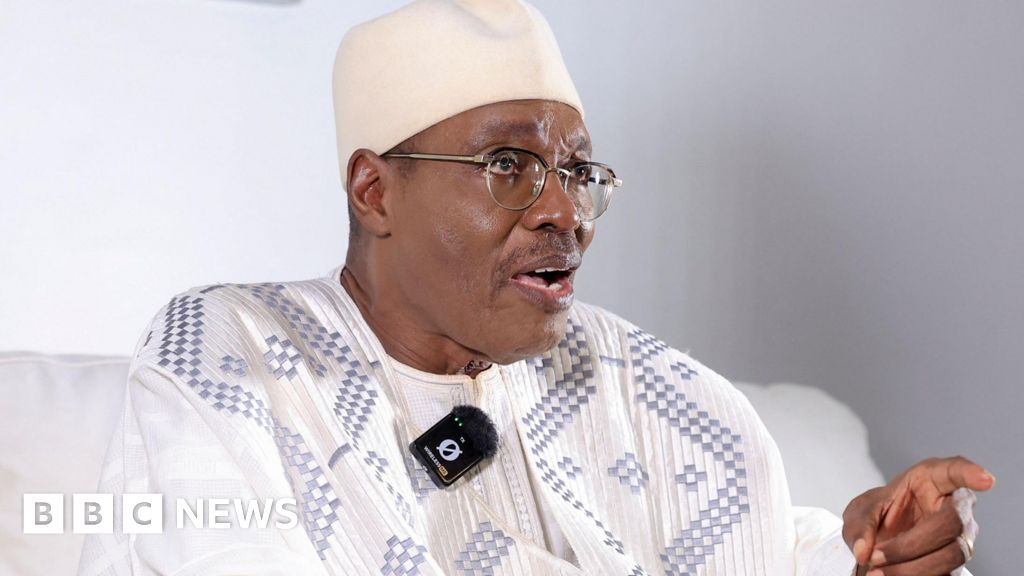
Issa Tchiroma Bakary vows to defend legitimate votes against theft

Cameroon’s Election Crisis Sparks International Concern

In Cameroon, a nation grappling with multiple internal conflicts, the recent presidential elections have plunged the country into a tense political crisis. Opposition leader Issa Tchiroma Bakary, who has audaciously declared himself the winner of the 12 October vote, presents a fierce challenge to President Paul Biya, who has maintained power for over four decades. Tchiroma Bakary’s claims are anchored in an assertion that he and his team have meticulously compiled results from individual polling stations, demonstrating a clear victory margin. However, the ruling party dismisses these allegations, emphasizing that only the Constitutional Council has the authority to declare official election outcomes, underscoring the deep divisions within Cameroon’s political landscape.

Historically, Cameroon has faced the complex goal of balancing internal stability with democratic processes. Analysts warn that the current situation, marked by contested results and accusations of ballot-stuffing, threatens to ignite fresh waves of unrest. Tchiroma Bakary, a former government minister who has broken ranks with long-serving President Paul Biya, has openly challenged the legitimacy of the electoral process. His declaration of victory and call on supporters to defend their votes drift dangerously close to undermining constitutional order. As Tchiroma Bakary boldly states that he has already won and urges the public to resist perceived election theft, fears escalate over potential violence or even a breakdown of law and order—especially considering the country’s ongoing separatist conflict in the Anglophone regions and Boko Haram insurgency in the Far North.

The International Response and the Road Ahead

Global observers and international organizations, such as the Economic Community of Central African States (ECCAS) and the United Nations, monitor the escalating crisis closely. Their warnings emphasize that peaceful resolution depends on a transparent and constitutional process, rather than unilateral declarations that threaten fragile stability. The highly respected Catholic Church in Cameroon has issued a cautious appeal for calm, urging the authorities to ensure that the final results genuinely reflect the will of the people. Their intervention highlights how societal institutions can serve as buffers amid chaos, but also how easily faith in the electoral process can be fractured when claims of illegitimacy are publicly expressed.

As constitutional lawyers and historians analyze the unfolding events, some argue that the integrity of electoral institutions is paramount for safeguarding citizenship rights and national cohesion. Others warn that dismissing official results may delegitimize the entire democratic process, risking a cycle of unrest that could spiral beyond Cameroon’s borders into the broader Central African region. The international community remains divided, with some calling for calm and adherence to legal channels, while others hint at possible sanctions or diplomatic pressure to prevent further destabilization. The critical question remains: can Cameroon navigate this turbulence without descending into chaos, or will these contested elections become a catalyst for a deeper crisis?

The Weight of History and the Unfolding Future

Cameroon’s current election turmoil echoes a broader trend seen across the continent—where prolonged leadership, perceived electoral manipulation, and ethnic and regional tensions converge to threaten fragile nations. As historians and political analysts warn, history often repeats itself when citizens lose trust in their electoral institutions and resort to force or rebellion. With the specter of violence looming, the question arises: how will Cameroon’s leaders, societal institutions, and international allies act in the coming days?

While the political rhetoric surges and the streets remain tense, the true test lies ahead: will the voice of the ballot be respected, or will history record yet another chapter of contested power and broken promises? The future of a nation at a crossroads hangs in the balance, waiting to see whether this crisis can be a turning point for genuine democratic reform or only the prelude to a new epoch of instability—a chapter still being written by the relentless march of history.

Social Media Auto Publish Powered By : XYZScripts.com