Matox News

Truth Over Trends, always!

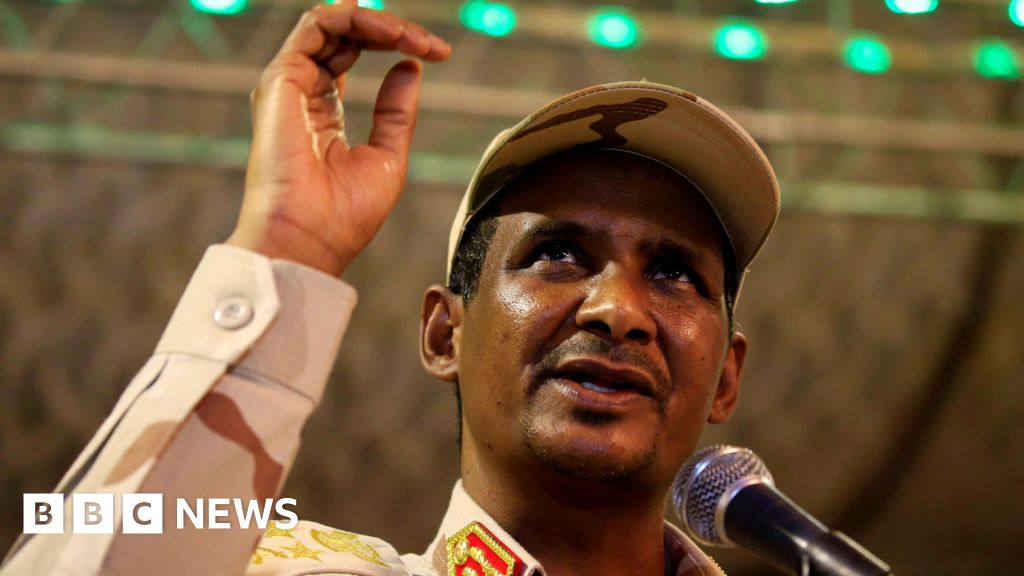
RSF Leader Vows Probe as Youth Fury Grows Over El-Fasher Killings

Sudan’s Escalating Crisis: A Grim Turning Point in Africa’s Last Civil War

The conflict in Sudan has reached a devastating new phase, with widespread reports of violence that threaten regional stability and expose the profound failures of international diplomacy. The recent seizure of el-Fasher by the Rapid Support Forces (RSF)—a paramilitary group led by Gen Mohamed Hamdan Dagalo—marks a severe escalation in a civil war now in its third year. An investigation into human rights violations has been announced, but mounting evidence confirms the brutal reality on the ground: mass killings, ethnic targeting, and a humanitarian catastrophe that few in the international community can ignore. The United Nations Security Council is convening amidst growing outrage, exemplifying the crisis’s bipartisan concern but also underscoring the international community’s limited leverage in halting the bloodshed.

Eyewitness accounts and verified footage reveal a disturbing pattern of violence—particularly in the besieged city of el-Fasher. Reports from the WHO and humanitarian agencies depict scenes of chaos, with over 460 civilians shot dead at the last hospital alone, many of them unarmed and vulnerable. Social media videos, analyzed by BBC Verify, show RSF fighters executing civilians—an atrocity that compounds long-standing fears of ethnic violence and targeted killings of non-Arab populations. The RSF denies these accusations, claiming their actions are not ethnically motivated, but discrepancies between official statements and documented evidence deepen suspicions. As analysts warn, such denials only delay acknowledgment of a crisis rooted in deep-seated societal divisions and decades of failed state governance.

The geopolitical impact of the Sudanese conflict extends beyond its borders, igniting fears of regional destabilization and broader humanitarian fallout. Egypt and Ethiopia, along with other neighbors, monitor the chaos as refugees flee in the hundreds of thousands, many trapped in limbo, suffering violence, starvation, and disease. The role of external actors has come under scrutiny—most notably the United Arab Emirates (UAE), which faces persistent accusations of supplying military aid to the RSF despite official denials. This involvement signifies a dangerous tilt toward proxy conflicts that threaten to ignite a broader regional crisis, reminiscent of the chaos that engulfed Libya and Yemen in recent years. International organizations, including the African Union, call for urgent humanitarian corridors and neutral investigations to prevent further atrocities, but the challenge lies in enforcing these efforts amidst entrenched factional rivalries.

Historically, Sudan’s fragile statehood has been marred by persistent *exclusion* and tribal tensions—issues that the AU, UN, and regional powers have repeatedly failed to resolve. Analysts such as Dr. Mohamed Ibn Chambas emphasize that without addressing these root causes, military solutions are futile. The ongoing splintering of the country’s geography—control now divided between the RSF in the west and the Sudanese army in the capital—foreshadows a prolonged, possibly genocidal conflict that risks engulfing the entire region in chaos. As history watches silently, the narrative of Sudan remains a stark reminder: when societies are fractured by exclusion and power struggles, the true cost is paid by the innocent. The weight of history presses heavily, and the question remains—will the international community muster the resolve to prevent this crisis from spiraling into a new chapter of African hell, or will it be yet another chapter written in silence?
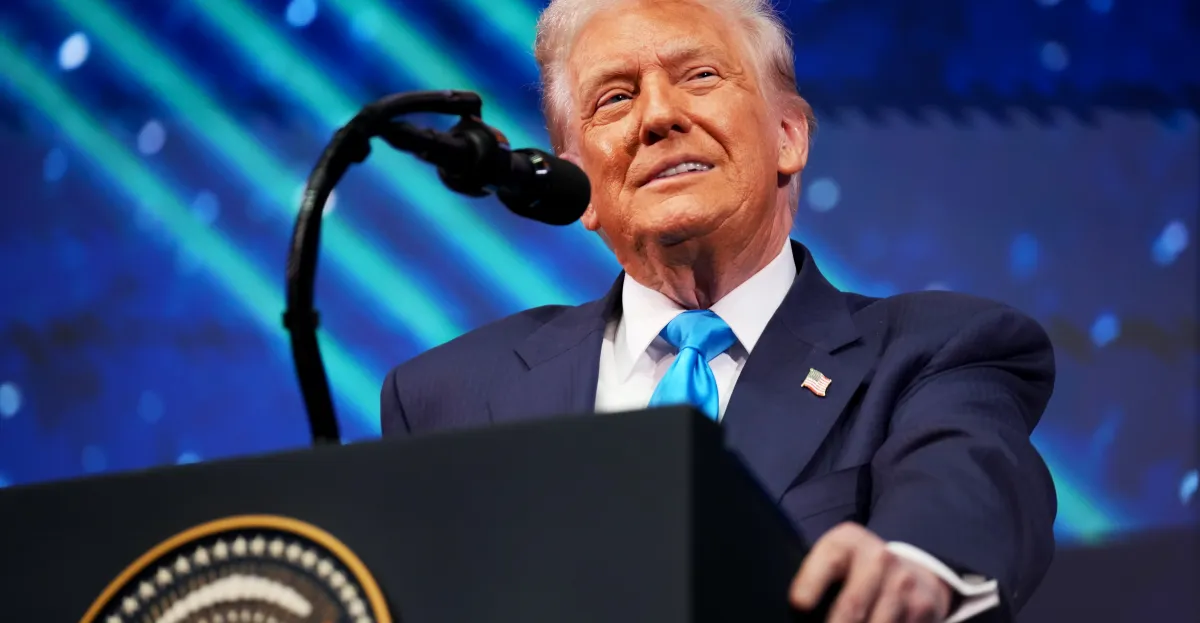
Trump vows to revive U.S. nuclear tests to boost national strength

President Trump’s Nuclear Posture Shift Signals Potential Disruption in Global Security and Tech Sectors

In a bold and controversial move, President Donald Trump has directed the Pentagon to resume testing nuclear weapons, citing the necessity to match other nations’ testing programs. This decision marks a significant departure from the longstanding post-Cold War nuclear testing moratorium, which has largely shaped global strategic stability over the past three decades. While few details have been disclosed, the announcement signals a possible new phase in military innovation, pushing the boundaries of nuclear capabilities and their associated tech ecosystems. The immediate implications could be profound, affecting international diplomacy, defense industries, and technological innovation in related sectors.

This move comes at a complex geopolitical juncture. Just before a high-stakes summit with China’s Xi Jinping, Trump’s statement appears to upend decades of American policy. Historically, the US maintained a strategic restraint on nuclear testing, aligning with global efforts for non-proliferation. However, Trump’s directive suggests a strategic pivot, possibly aimed at reasserting US military dominance amidst rising geopolitical tensions and global technological competition. But experts warn that such actions could destabilize existing treaties; the US, a signatory of the Comprehensive Nuclear-Test-Ban Treaty, has yet to ratify it. Meanwhile, Russia, which possesses the world’s largest nuclear stockpile, continues modernization efforts, injecting an element of disruption into the balance of global nuclear deterrence.

From an industry perspective, this escalation may act as a catalyst for innovation within the defense sector. Companies specializing in nuclear physics, materials science, and simulation technologies could see surges in demand. Emerging players in advanced warhead design and system delivery technologies might accelerate R&D investments or even disrupt existing supply chains. Yet, these innovations are fraught with ethical and regulatory challenges, complicating long-term business models. As analyst Peter Thiel might argue, disruption in high-stakes defense tech requires a careful balance between innovation, security, and international diplomacy.

The announcement also exposes the vulnerabilities of global non-proliferation efforts. With the US potentially resuming nuclear tests, other countries could follow suit, destabilizing the delicate international security architecture. This collapses the normative framework that discouraged nuclear tests for decades, and may incentivize rogue states or emerging powers to pursue clandestine programs. The ripple effect could further accelerate technological arms races, pushing industries toward more sophisticated satellite surveillance, advanced monitoring, and cyber capabilities—areas where innovation may be both a boon and a threat. As Gartner warns, the erosion of norms around nuclear testing could precipitate a broader disruption across defense and technology industries.

Looking ahead, this development underscores a pivotal juncture for global stability and technological advancement. The potential resumption of nuclear testing not only signifies a geopolitical gamble but also a catalyst for industry disruption in defense tech and international security. Fast-moving innovators and investors must now navigate this landscape with increased urgency, as the future of nuclear deterrence, international diplomacy, and technological progress hangs in a delicate balance. As authorities, companies, and nations grapple with these shifts, the imperative for strategic foresight becomes clear—those who proactively adapt to this new era of high-stakes innovation will be the ones to shape the trajectory of global security and technological dominance in the years to come.

Government vows to remove RAAC from schools by 2029 to safeguard future generations

Rising School Safety Crisis Sparks National Debate on Social Responsibility

Across England, a pressing social issue threatens the foundations of our educational system and, consequently, the future of our families and communities. The alarming presence of reinforced autoclaved aerated concrete (Raac) within school buildings has resulted in the closure of 70 schools in Essex alone, forcing students into temporary classrooms and disrupting the continuity of education. These structural concerns, rooted in post-World War II economic choices, expose deeper issues of longstanding neglect and underinvestment. As social commentators warn, this is a stark reminder of how public resources meant for maintenance have been chronically underfunded, leaving vital infrastructure vulnerable and our children unsafe.

The government has pledged to eliminate Raac from all affected institutions by 2029, a timeframe viewed by critics as overly ambitious and morally troubling. Education Minister Josh McAllister announced that every school containing Raac would either be completely rebuilt or undergo extensive remediation. However, experts like Prof. Chris Goodier from Loughborough University underline that each building must be individually inspected to guarantee safety, emphasizing how years of deferred maintenance have compounded the crisis. This systemic neglect highlights a broader societal failure: neglecting the safety and well-being of future generations in favor of short-term fiscal prudence, which ultimately costs lives and hampers community cohesion.

The social repercussions of this crisis extend beyond structural safety. Families are being torn apart as parents grapple with the reality of their children learning in makeshift classrooms or being kept at home amid safety concerns. The instability jeopardizes not only academic progress but also the emotional and moral fabric of communities. Local authorities are under immense pressure to accelerate repairs, with figures such as Mark Francois claiming that most schools could have foundations stabilized “if enough resources were committed.” Yet, the underlying challenge remains: how to reconcile the urgent need for restoring educational infrastructure with the societal tendency to underfund essential services, thus perpetuating cycles of neglect that weaken societal resilience.

While the Conservative government vows to eradicate Raac within this decade, critics like the Liberal Democrats argue that delay constitutes a form of social betrayal. They call for emergency action and increased public investment to swiftly remove these hazardous materials. Meanwhile, organizations such as the Association of School and College Leaders urge a long-term strategy—one that goes beyond quick fixes and addresses the root causes of underfunding. As the debate unfolds, the overarching moral question endures: do we prioritize our children’s safety today or continue to gamble with their futures in the name of fiscal austerity?

The challenge of remaking a society that neglects its most vulnerable is immense, yet not insurmountable. With societal recognition that public safety and investment in infrastructure are moral imperatives, there lies hope for a renewed collective resolve. As society stands at this crossroads, it is vital to reflect on the power of community action and political will—reminding us that safeguarding our children’s schools is not merely about bricks and mortar, but about building a society where safety and dignity are universal. Perhaps, in the silent classrooms waiting for renewal, there exists a quiet promise: that society’s true strength is measured not by its wealth, but by its willingness to nurture and protect its future—including its youngest, most vulnerable members, and the families that depend on them.

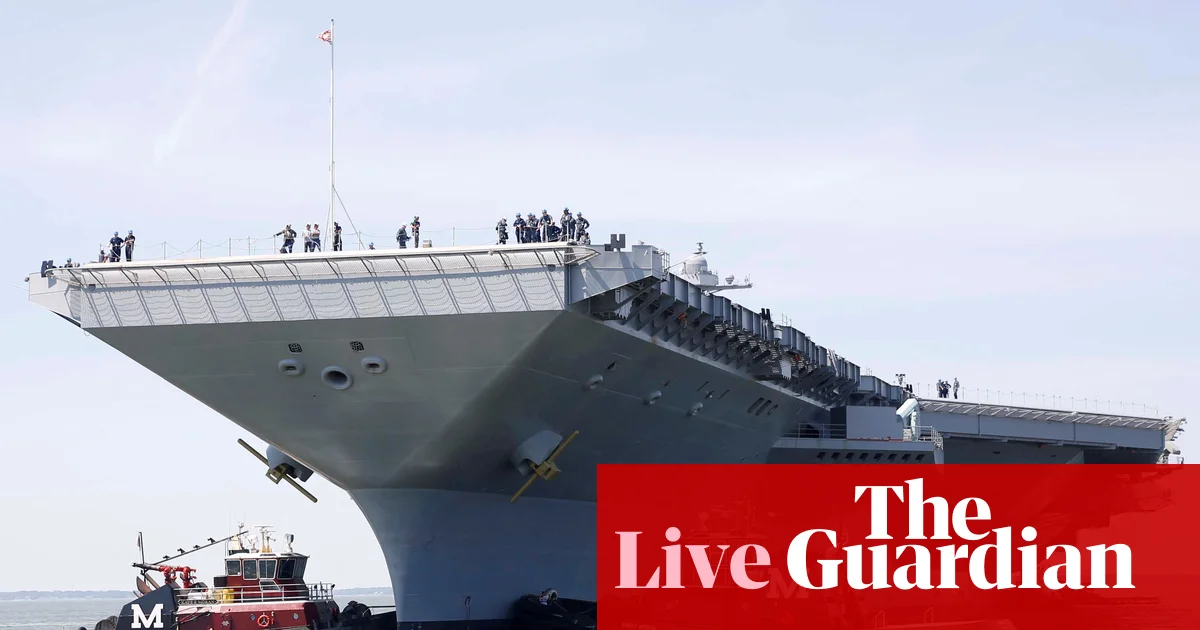
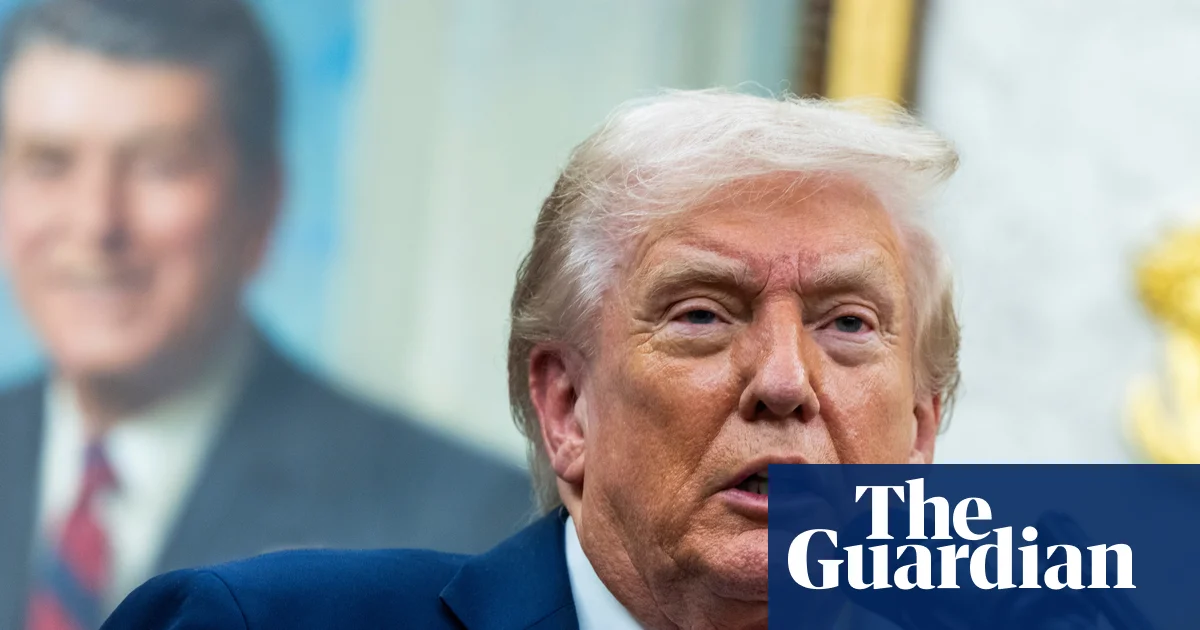
Pete Hegseth vows to strike back: “We will hunt and kill them” in crackdown on drug-smuggling vessels — US politics live | US news

As the 2025 geopolitical landscape unfolds, a pattern of strategic escalation and international jockeying becomes increasingly evident, reflecting the enduring quest for dominance in a world fraught with tension and shifting alliances. From military operations against drug cartels in Central America to high-stakes diplomatic meetings involving Donald Trump and Central Asian leaders, the global stage is echoing with decisions that will shape the future of nations and societies. The American administration’s recent embrace of a ‘war on cartels’ signals an aggressive stance, equating narcotics traffickers with terrorists, and promising lethal force in operations that claim lives in the Caribbean and beyond.

Meanwhile, the United States prepares for a possible diplomatic revival in its relations with Shavkat Mirziyoyev, president of Uzbekistan, highlighting an intensified focus on Central Asia—a region rich in resources and geopolitically pivotal. The meeting between Trump and Central Asian presidents could mark a turning point in U.S. strategy, seeking to secure energy partnerships and counterbalance China’s rising influence. Experts articulate that such engagement, especially with nations like Uzbekistan, magnifies America’s push to reassert influence in a critical crossroads of Eurasia, transforming regional dynamics and complicating the strategies of rivals like Russia and China.

Notably, in a move that underscores the ongoing domestic upheaval, political figures on both ends of the spectrum are maneuvering with unorthodox moves that threaten long-standing norms. A GOP legislator is calling for the deportation of Zohran Mamdani, a New York City mayoral candidate, over allegations of naturalization fraud—an episode that exposes the ideological battle over America’s immigrant narrative and national identity. On the legal battlefield, Donald Trump is fighting to overturn his criminal conviction for business fraud, claiming that key evidence was improperly admitted, and signaling a persistent challenge to the judicial system’s authority. Such disputes are not only domestic spectacles but are emblematic of the intensifying polarization shaping American society.

The international community watches as alliances evolve and old certainties give way to confrontations that could redefine regional stability and security. As Japan’s first female Prime Minister, Sanae Takaichi, gains Trump’s praise for her military ambitions, the U.S.-Japan relationship appears poised for a recalibration, with potential investments soaring and defense commitments accelerating. Yet even as diplomacy dances on the surface, the threat of China’s assertiveness in Asia looms large, prompting Japan to pledge a swift defense spending increase and reaffirm its strategic partnership with the U.S. Despite this, critics warn that such displays of unity may mask underlying tensions that could erupt into broader conflict, as historic rivalries and geopolitical ambitions collide.

This confluence of military, diplomatic, and legal actions echoes a larger narrative, one where history’s pen is still writing the chapters of a tumultuous and transformative era. The bold moves—whether the US’s lethal crackdown on drug cartels, the high-level meetings with Asian powers, or internal political battles—are shaping a future that remains uncertain. As the world stands at this geopolitical crossroads, the echoes of these decisions will resonate through generations, reminding us that history waits for no one and that the true contest for influence is still underway, with humanity’s collective destiny hanging in the balance.

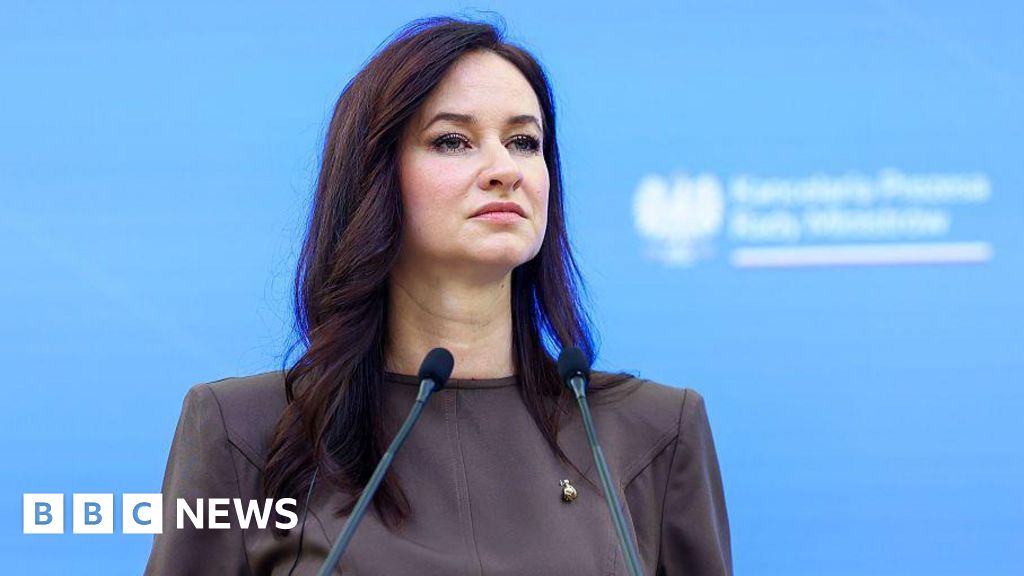
Lithuania vows to shoot down smuggling balloons, PM warns of tough crackdown

In a bold and resolute move, Lithuania has announced it will begin shooting down balloons believed to be used in smuggling cigarettes from Belarus. This decision comes amid a series of unsettling incidents where weather balloons encroached on Lithuanian airspace, forcing the closure of Vilnius Airport multiple times over the past week. The Lithuanian government has responded with strict measures, including an indefinite closure of border checkpoints with Belarus, signaling a serious escalation in the ongoing hybrid conflict along this tense border region.

The Lithuanian Prime Minister, Inga Ruginiene, declared in a press conference that the Lithuanian military is prepared to take “all necessary measures” to protect sovereignty and airspace integrity. She emphasized that the government’s response aims to send a clear message that no hybrid attack—be it through balloons or other clandestine means—will be tolerated. These provocations, while seemingly trivial to some, have serious geopolitical impact—they highlight a broader struggle over influence, sovereignty, and security between Lithuania, a staunch NATO member, and its eastern neighbor. Lithuania’s move also underscores the increasingly contentious atmosphere in the region, with analysts warning that such incidents could escalate into more overt forms of hybrid warfare, including cyberattacks or even military provocations.

Since October, Lithuanian authorities have recorded over 544 balloons entering from Belarus in 2023 alone, a significant number that has affected commercial air traffic and raised alarm about orchestrated efforts to destabilize. European airports—such as those in Copenhagen and Munich—have also reported drone sightings and air incursions linked to similar tactics from Belarusian sources. International organizations like NATO are closely monitoring these developments, contemplating the activation of Article 4 of the NATO Treaty—a formal consultation triggered when a member perceives its security to be threatened. Lithuania’s consultation with allies needs to be swift, considering how these seemingly minor balloon infiltrations carry the weight of a strategic challenge aimed at testing the resilience of Western security commitments in the face of hybrid tactics.

Historians and security analysts warn that such provocations are part of a larger pattern of hybrid warfare, as Russia and Belarus continue to challenge the West’s eastern flank. The situation remains volatile; Lithuania’s actions represent a stand against what many see as a dangerous shift towards unconventional warfare that blurs the lines between peace and conflict. As Lithuania fortifies its borders and prepares for further escalation, the shadows of history warn us that these small skirmishes—though seemingly insignificant—can ignite larger conflicts. The weight of unfolding history presses down on the region, reminding all nations that in this new era of hybrid warfare, even weather balloons carry the potential to alter the course of nations’ futures—an ominous prelude to conflicts still waiting just beneath the surface.

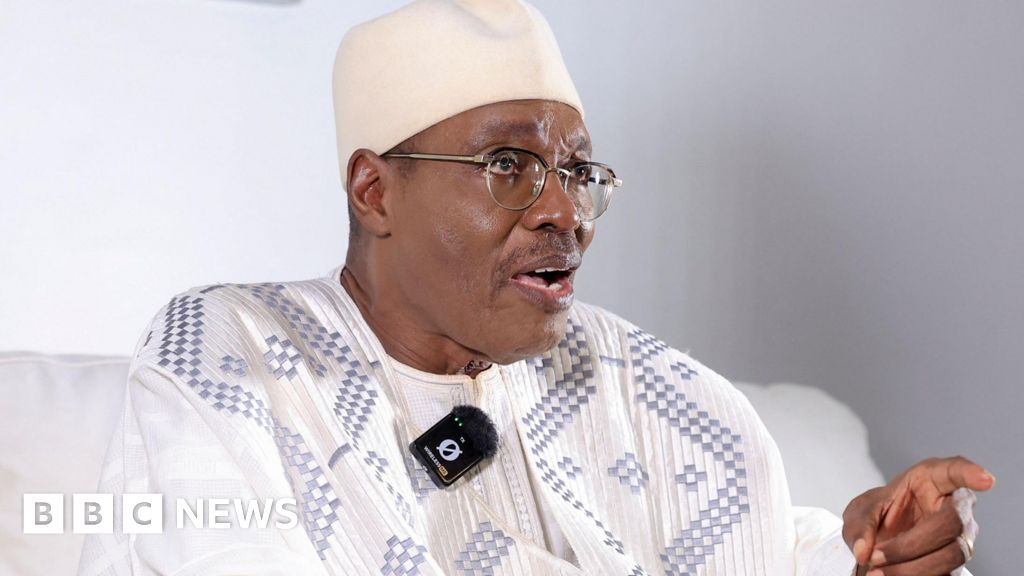
Issa Tchiroma Bakary vows to defend legitimate votes against theft

Cameroon’s Election Crisis Sparks International Concern

In Cameroon, a nation grappling with multiple internal conflicts, the recent presidential elections have plunged the country into a tense political crisis. Opposition leader Issa Tchiroma Bakary, who has audaciously declared himself the winner of the 12 October vote, presents a fierce challenge to President Paul Biya, who has maintained power for over four decades. Tchiroma Bakary’s claims are anchored in an assertion that he and his team have meticulously compiled results from individual polling stations, demonstrating a clear victory margin. However, the ruling party dismisses these allegations, emphasizing that only the Constitutional Council has the authority to declare official election outcomes, underscoring the deep divisions within Cameroon’s political landscape.

Historically, Cameroon has faced the complex goal of balancing internal stability with democratic processes. Analysts warn that the current situation, marked by contested results and accusations of ballot-stuffing, threatens to ignite fresh waves of unrest. Tchiroma Bakary, a former government minister who has broken ranks with long-serving President Paul Biya, has openly challenged the legitimacy of the electoral process. His declaration of victory and call on supporters to defend their votes drift dangerously close to undermining constitutional order. As Tchiroma Bakary boldly states that he has already won and urges the public to resist perceived election theft, fears escalate over potential violence or even a breakdown of law and order—especially considering the country’s ongoing separatist conflict in the Anglophone regions and Boko Haram insurgency in the Far North.

The International Response and the Road Ahead

Global observers and international organizations, such as the Economic Community of Central African States (ECCAS) and the United Nations, monitor the escalating crisis closely. Their warnings emphasize that peaceful resolution depends on a transparent and constitutional process, rather than unilateral declarations that threaten fragile stability. The highly respected Catholic Church in Cameroon has issued a cautious appeal for calm, urging the authorities to ensure that the final results genuinely reflect the will of the people. Their intervention highlights how societal institutions can serve as buffers amid chaos, but also how easily faith in the electoral process can be fractured when claims of illegitimacy are publicly expressed.

As constitutional lawyers and historians analyze the unfolding events, some argue that the integrity of electoral institutions is paramount for safeguarding citizenship rights and national cohesion. Others warn that dismissing official results may delegitimize the entire democratic process, risking a cycle of unrest that could spiral beyond Cameroon’s borders into the broader Central African region. The international community remains divided, with some calling for calm and adherence to legal channels, while others hint at possible sanctions or diplomatic pressure to prevent further destabilization. The critical question remains: can Cameroon navigate this turbulence without descending into chaos, or will these contested elections become a catalyst for a deeper crisis?

The Weight of History and the Unfolding Future

Cameroon’s current election turmoil echoes a broader trend seen across the continent—where prolonged leadership, perceived electoral manipulation, and ethnic and regional tensions converge to threaten fragile nations. As historians and political analysts warn, history often repeats itself when citizens lose trust in their electoral institutions and resort to force or rebellion. With the specter of violence looming, the question arises: how will Cameroon’s leaders, societal institutions, and international allies act in the coming days?

While the political rhetoric surges and the streets remain tense, the true test lies ahead: will the voice of the ballot be respected, or will history record yet another chapter of contested power and broken promises? The future of a nation at a crossroads hangs in the balance, waiting to see whether this crisis can be a turning point for genuine democratic reform or only the prelude to a new epoch of instability—a chapter still being written by the relentless march of history.

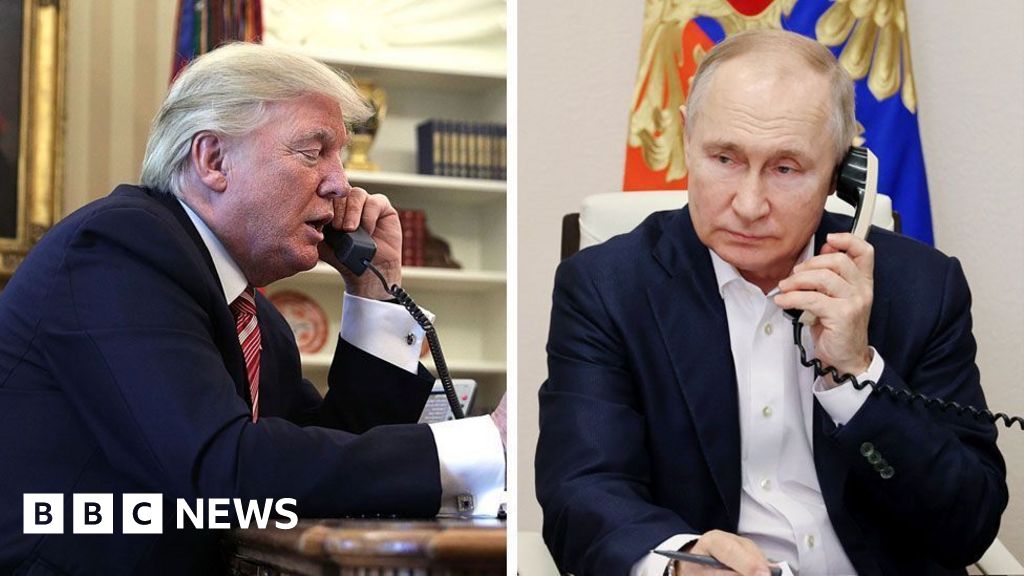
Trump vows to meet Putin again after promising call advances U.S.-Russia relations

In a series of high-stakes diplomatic maneuvers, the United States and Russia are embroiled in a complex game of strategic brinkmanship at a critical juncture in global affairs. This latest development follows President Donald Trump‘s recent exchange with Vladimir Putin, marked by a phone call described by Washington as “very productive” and the anticipation of a face-to-face summit in Hungary. The geopolitical impact of these conversations reaches far beyond bilateral relations, affecting not only Ukraine but also the broader European and international stability. In a world seeking avenues for peace, the specter of renewed conflict looms large, driven by decisions made in backroom negotiations and public posturing.

  • On Thursday, Trump and Putin engaged in their first significant dialogue since mid-August, concluding with an agreement to convene more detailed discussions next week. The Kremlin highlighted that work on the summit would commence “immediately” after what they called an “extremely frank and trustful” call. This marks a notable shift from previous tensions and underscores how key leaders are maneuvering in the shadows of war, attempting to influence the geopolitical landscape with limited transparency.
  • Meanwhile, Ukrainian President Zelensky faces mounting pressure as the Biden administration contemplates arming Kyiv with advanced Tomahawk missiles, capable of deep strikes into Russia. Zelensky’s statement that Moscow is “rushing to resume dialogue” as soon as it perceives these weapons underscored the fragile, volatile nature of the ongoing conflict. The decision to supply Ukraine with such capabilities could drastically alter the war’s dynamics, leading to a potential escalation or stalemate, depending largely on how Russia perceives these moves.

Analysts and historians are warning that the recent diplomatic activities signal a shift toward greater unpredictability in an already volatile region. International organizations like the United Nations have cautioned against the escalation of hostilities, while European leaders such as Viktor Orban of Hungary advocate for diplomacy over confrontation—calling for patience, strength, and dialogue as the only viable path to peace. But the question remains: are these overtures genuine attempts at resolution, or just tactical steps in a broader chess game designed to influence the post-conflict order?

As Washington and Moscow continue to clasp onto their divergent visions for global dominance, the potential repercussions extend to economic spheres. Trump’s insistence that high-level advisors from both nations will meet to discuss trade “when the war is over” reflects the deep interconnection between geopolitics and economic strategy. Conversely, on the battleground, Russian missile strikes amid diplomatic talks serve as a grim reminder that peace remains elusive, and the path to stability is fraught with peril. Domestically, these developments are resonating among young people worldwide, keenly aware that the decisions made today will shape the future they inherit.

Indeed, the thread of history is being woven with each diplomatic encounter, each missile launch, and each negotiation. The world watches with bated breath as world leaders navigate a landscape where old alliances are tested and new rivalries emerge. In this relentless pursuit of power and peace, the curtain has yet to fall on the drama that will determine whether the 21st century will be remembered as an era of harmony or chaos. The weight of these choices, forged in the crucible of conflict and diplomacy, echoes through generations, reminding us that the unfolding story is far from over — it is only just beginning.

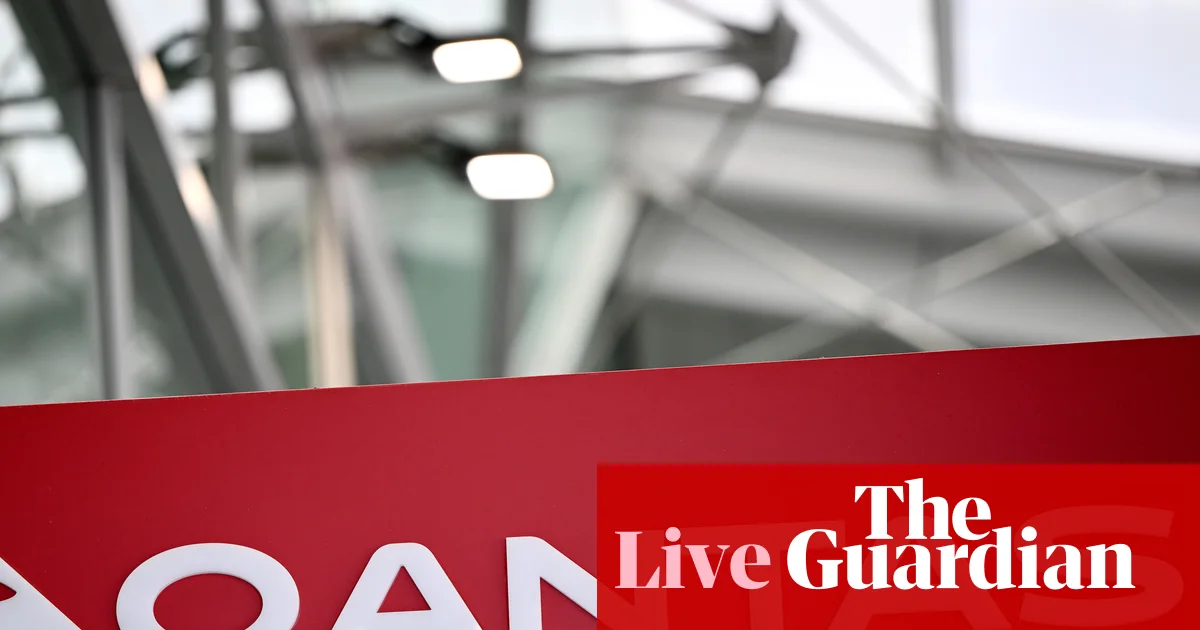
Australia News Live: Qantas Data Leak Sparks Scammer Alert, NSW Vows Pothole Fixes

In an era defined by rapid digital transformation and shifting geopolitical alliances, recent events in Australia underscore the global implications of national security, corporate responsibility, and technological regulation. The reckless leak of data from Qantas Airlines, which exposed the personal information of up to 5.7 million customers, signals a profound challenge for international cybersecurity protocols. Hackers associated with the entity Scattered Lapsus$ Hunters made good on their ransom threats, releasing data that includes full names, addresses, and sensitive financial details. The incident has prompted Tony Burke, Australia’s minister for cybersecurity, to vow the full extent of governmental legal power will be used to hold the airline accountable and to safeguard its citizens’ privacy in the digital age.

The Australian breach is emblematic of the fragile cybersecurity landscape confronting nations worldwide. Analysts warn that these breaches are not isolated but part of an ongoing campaign expanding across borders, targeting corporate and public infrastructure. The leak originating from offshore call centers operated with Salesforce software underscores the vulnerabilities posed by outsourcing sensitive operations without stringent security controls. As historians and international organizations observe, such incidents have the potential to destabilize trust in multinational corporate entities and challenge the very notion of sovereignty in cyberspace. Meanwhile, governments such as Australia face increased pressure to enforce legal frameworks that compel corporations to prioritize national security over profit before the damage becomes irreversible.

Simultaneously, Australia‘s government is taking proactive steps beyond cybersecurity. The impending landmark social media ban slated for implementation on December 10 to protect under-16s signals a broader push to control the influence of digital platforms on youth. The eSafety commissioner, Julie Inman Grant, has scheduled critical meetings with global giants like Meta, Snapchat, YouTube, and TikTok—a move that reflects a national approach to social-media regulation aimed at curbing predatory algorithms and harmful content. According to policy experts, this position underscores an international shift where governments increasingly demand accountability from big tech and assert sovereignty over digital spaces, challenging the unregulated dominance these platforms once enjoyed. This move could redefine global norms on digital oversight, indicating that even the most embraced platforms are within the crosshairs of state control.

Yet, in the broader context, these domestic steps and cybersecurity challenges reverberate on the geopolitical stage. The United States, China, and Russia watch closely, recognizing that the battle for digital supremacy and security influence extends beyond borders. The United Nations, along with NATO members, warn that cyber warfare and data sovereignty are now intrinsic to national security, threatening to redraw alliances in an interconnected world. As analysts warn, incidents such as Qantas’ leak could embolden state-sponsored actors to escalate their aggressive campaigns, destabilizing entire regions and undermining institutions that rely heavily on tech infrastructure. The fate of nations is, increasingly, being decided within the networked battleground of cyberspace, where data breaches become the new frontlines of geopolitical conflict.

As history continues to unfold, the protection of data, control of social media, and the assertion of sovereignty over digital spaces will serve as defining markers of the 21st-century geopolitical landscape. These layered conflicts—rooted in technology, security, and societal influence—are shaping the future of international relations, leaving an indelible mark on the fabric of global order. The weight of this ongoing story demands vigilant attention, for the decisions made today may well determine the balance of power in the digital age—an epoch where the battle for hearts and minds is waged through data, policies, and the unyielding march of progress.

Trump vows military pay despite government shutdown—stand strong for America's defenders
Trump vows military pay despite government shutdown—stand strong for America’s defenders

The recent federal government shutdown in the United States marks a pivotal moment in American politics, revealing the underlying fissures between the executive branch and Congress. President Donald Trump claimed on Saturday that he had devised a plan to pay US military personnel despite the shutdown, instructing his defense secretary, Pete Hegseth, to release funds and ensure active-duty troops receive their paychecks. This move underscores how leadership attempts to navigate a fractured legislative landscape, seeking to leverage executive authority to mitigate immediate fallout but risking broader constitutional and geopolitical consequences. As the shutdown extends into its second week, the impact on national security and international reputation becomes increasingly profound, revealing how internal discord can influence a nation’s global standing.

Established by partisan impasse, the shutdown has already begun to exert tangible effects, furloughing over 750,000 federal employees and delaying paychecks for more than 1.3 million military personnel. Historically, such shutdowns have exposed vulnerabilities in the U.S. federal system, with expert analysts highlighting the danger of prolonged stalemates on the country’s ability to project power and maintain stability. During the 2018-2019 impasse, broad legal protections ensured that federal workers received back pay once operations resumed; however, the current crisis flags a broader erosion of political comity. The Senate, still deadlocked over legislation to reopen government services, has seen Democrats, led by Chuck Schumer, confidently oppose efforts by the White House to bypass congressional approval—highlighting ideological divides that threaten to deepen and embolden partisan disputes.

The geopolitical impact of internal U.S. conflicts cannot be underestimated. While the world watches a superpower embroiled in internal strife, other nations are recalibrating their strategies, aware that American credibility hinges on the stability of its institutions. US foreign policy and military commitments risk disruption if ongoing discord hampers decision-making or operational capacity. Critics warn that such crises weaken America’s global deterrence and embolden adversaries, reminding allied nations of vulnerabilities inherent in its political system. International organizations and strategic analysts warn that continued instability could shift the balance of geopolitical power, emboldening rival powers like China and Russia to test U.S. resolve in key regions across Asia, the Middle East, and Eastern Europe. The tumult in Washington thus echoes far beyond borders, illustrating how internal political dynamics directly shape external security realities.

History’s lens makes clear that moments of internal crisis often serve as turning points with lasting consequences. Though President Trump’s administration seeks to utilize executive authority to assert control, experts warn of the dangers of such unilateral measures in a fragile democratic fabric. Scholars and international observers caution that persistent dysfunction threatens long-term stability and exposes vulnerabilities that adversaries may exploit. As the nation teeters on the brink of a precipice, the decisions taken today will echo through history, revealing whether the United States can withstand internal discord or falter, revealing cracks in its global dominance. In this unfolding narrative, the weight of history hangs heavy, foreshadowing a future shaped as much by internal betrayal as by external challenges—an uncertain chapter for a superpower still grappling to define its destiny amidst the chaos of its own making.

Social Media Auto Publish Powered By : XYZScripts.com