
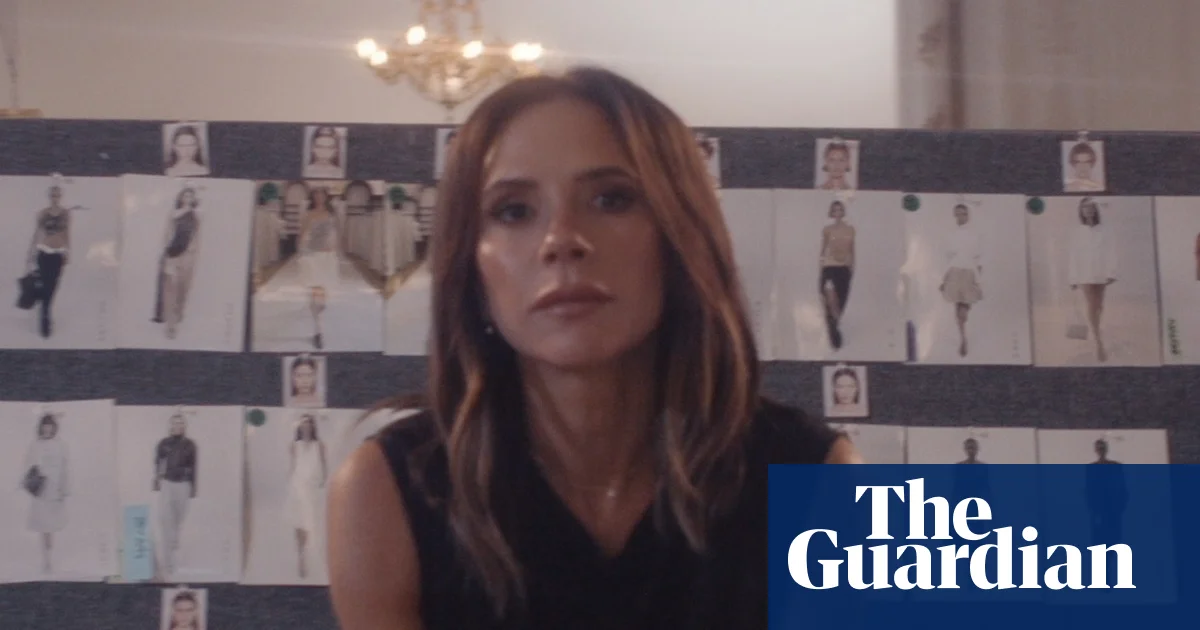

The Beckhams continue to demonstrate that their social influence extends far beyond footballs and pop lyrics into the realm of lifestyle and societal trends. Their recent public appearances and candid moments reveal more than just celebrity gossip — they signify a larger shift in how the modern elite approaches personal branding and social relevance. Victoria Beckham’s increasingly curated habits, from her exclusive choice of drinkware to her carefully orchestrated public image, underscore a move toward a calculated minimalism that resonates strongly with today’s youth. Gone are the days of cluttered kitchen cabinets filled with questionable novelty mugs; instead, Victoria seems to embrace a less-is-more ethos, sipping from sleek sippy cups and monogrammed glass straws, signals of a subtle yet deliberate redefinition of luxury and authenticity.
This behavior highlights a bigger societal trend among the young, affluent, and aspirational — a push toward authenticity, simplicity, and personalized branding. Influencers like Kim Kardashian and Harry Styles have popularized a style of self-presentation that aligns with this shift, emphasizing curated minimalism and individual expression over ostentation. For sociologists and analysts, such as Dr. Lisa Buchanan, this transition indicates a broader cultural pivot: the image of effortless, almost mundane luxury that speaks to a generation eager to reject excess but still crave exclusivity. Victoria’s subtle walk-through of her daily rituals—such as her strategic positioning beside David for camera optics or her choice to “bury her boobs” for sleek elegance—emphasize her mastery at blending high fashion with relatable authenticity. This is an era where celebrity is crafted through nuanced behavioral cues.
And let’s not overlook her cultural power plays. Her interactions with legendary designers like Donatella Versace and media icons such as Anna Wintour serve as deliberate signals of her influence and credibility within the fashion world. Even her unconventional fashion choices — like her decision to customize her wardrobe by shortening dresses or altering runway pieces — challenge traditional notions of authority in the industry. Meanwhile, her home life, including a £70,000 investment in plants and the construction of a mansion dubbed “Beckingham Palace”, showcases how her identity now extends into her personal habitat as an extension of her brand. These seemingly superficial details actually function as social signals, reinforcing her status as a mogul who can blend lifestyle trends with cultural authority.
Yet, beneath the polished veneer lies a compelling question: as Victoria and David continue to navigate their personal narratives — from playful teasing about modestly-sized “magnificent” assets to tearful tears over fashion mentorship — we are left to wonder what the next evolution of this celebrity lifestyle will be. Will the rising generation of young influencers and entrepreneurs embrace this curated simplicity as a new form of luxury? Or are these carefully constructed images destined to be replaced by authentic, raw expressions that challenge the very notion of celebrity as a constructed identity? The future of celebrity lifestyle trends remains a fascinating conversation — one that blurs the line between authentic individuality and calculated social positioning. As we watch Victoria Beckham redefine elegance, the core question for tomorrow’s tastemakers might just be: how much authenticity can this curated minimalism sustain in a world obsessed with genuine connection?






