Matox News

Truth Over Trends, always!

Netflix drops the Warner Bros. bid, handing studios, HBO, and CNN to Ellison’s Paramount — a bold move in the streaming game

The ongoing wave of disruption within the entertainment industry has reached a new crescendo with the high-profile acquisition of Warner Bros. Discovery by Paramount. This deal, orchestrated amidst a fierce bidding war, consolidates significant media power in a landscape increasingly defined by innovation and strategic disruption. Notably, Paramount—backed by the financial might of billionaire Larry Ellison, whose net worth exceeds $200 billion—embeds itself into a sector ripe for transformation, signaling a new era of corporate consolidation aimed at competing with streaming giants and tech disruptors.

At the core of this deal is a masterstroke in leveraging financial innovation. Paramount’s acquisition involves assuming roughly $33 billion in Warner Bros. Discovery’s debt, a move facilitated by a $57.5 billion debt commitment from financial heavyweights such as Bank of America Merrill Lynch, Citi, and Apollo Global Management. This strategic leveraging echoes the practices of top-tier institutional investors, positioning Paramount for aggressive expansion while stoking risks associated with rising debt levels in an increasingly volatile media market. The deal’s structure underscores the shifting paradigm wherein industry giants deploy complex financial engineering to consolidate power and push ahead in a rapidly evolving tech-driven content landscape.

Critically, the dynamics surrounding Paramount’s ownership involve a contentious mix of political influence and media strategy. With Larry Ellison’s significant political donations and his son David Ellison’s ownership of Paramount, the deal is under close scrutiny regarding its potential impact on content polarization and market influence. The acquisition also includes a $2.8 billion termination fee payable to Netflix to dissolve prior contractual agreements, reflecting a readiness to navigate aggressive market repositioning. Analysts like those at Gartner emphasize that such high-stakes moves are indicative of a broader disruption in traditional media models, with legacy companies aggressively positioning themselves for an anticipated post-streaming revolution.

Looking ahead, this merger points to a possible consolidation of media assets that could significantly influence the industry’s future trajectory. As disruptive technologies continue to challenge conventional distribution channels, entertainment companies are doubling down on vertical integration and strategic partnerships. With technology companies such as Tesla and Elon Musk pushing the boundaries of AI and content delivery, and industry analysts warning about the potential for increased market concentration, the urgency for established players to innovate has never been greater. The winner in this race will be those who harness cutting-edge tech, strategic capital deployment, and political navigation—making the next chapter of media history one to watch with keen anticipation.
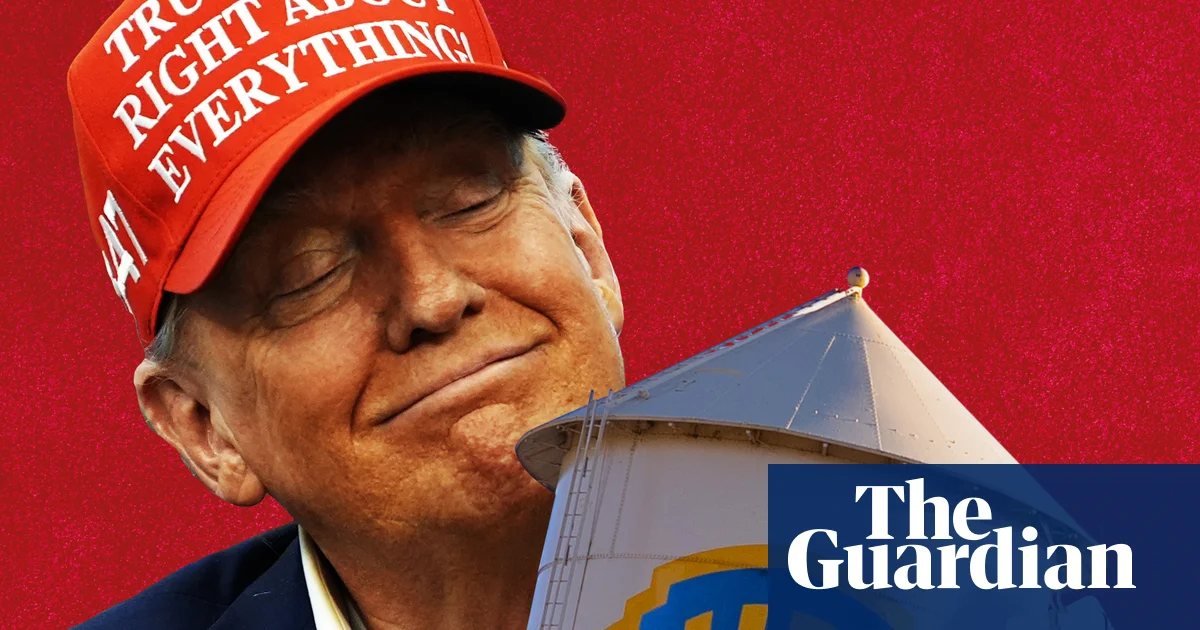
Warner Bros Showdown: Trump’s Fight for the Future — Deal or No Deal?

U.S. Media Moguls and the Geopolitical Landscape

The recent upheaval in the international media industry reveals a profound shift that could redefine the global power balance. At the heart of this shift is President Donald Trump’s controversial influence over an impending mega-merger involving Netflix, Warner Bros Discovery (WBD), and other media giants. The $82.7 billion acquisition deal by Netflix for WBD’s extensive portfolio, which includes iconic assets like Batman, Casablanca, and CNN, is now complicated by political interference that extends beyond mere market competition to the very fabric of free enterprise and democratic process. As the world watches, the potential for a shaping of global media narratives by a single nation’s government looms large, threatening to tilt the scales of international diplomacy and news dissemination.

Political Puppeteering and a Dangerous Precedent

Trump’s involvement, or at least his declared interest, highlights a disturbing trend — one where the White House’s hand is being seen as an arbiter in big corporate deals. Historically, horizontal mergers—especially ones of this magnitude—are subject to vigorous antitrust scrutiny from independent agencies that seek to prevent monopolistic consolidation. However, the current administration’s apparent willingness to entertain direct presidential influence risks undermining decades of established legal standards. Renowned legal scholar Tim Wu from Columbia University pointed out that such interference in merger reviews is “not how the system was designed,” expressing concern that the White House’s new approach could erode the independence of antitrust regulators. Analysts warn that if the deal proceeds amid political meddling, it may set a precedent where government officials deploy influence as a weapon to favor certain corporate interests, fundamentally threatening market competition and consumer choice on a global scale.

Who Holds the Power: Society or State?

Paramount Skydance’s aggressive $108 billion bid, backed by Trump supporters, underscores a critical geopolitical chess game. The bid’s significance extends beyond simple corporate rivalry; it symbolizes a tug-of-war over media sovereignty and control of narrative powers that shape societal perceptions worldwide. Critics, including Senator Elizabeth Warren and other democrats, emphasize that such consolidation raises profound concerns about the erosion of diversity in media voices and the potential suppression of dissenting views. With Hollywood historically a potent tool for ideological influence, the possible monopolization of entertainment and news outlets in the hands of a few — especially with political operatives blurring the lines — threatens to limit the very fabric of open discourse.

Disturbingly, this potential merger involves not only American firms but also international actors. As analysts warn, the culmination of these moves could deepen the crisis of global media neutrality, with powerful alliances aligning to endorse or oppose mergers based on geopolitical agendas. The danger is clear: when political influence seeps into the mechanism of market regulation, the result can be a shadow empire of propaganda— a space where dissent is quashed, and national interests dominate the narrative worldwide. The international community, including independent think tanks and watchdog groups, must remain vigilant against such threats to democracy and free enterprise.

The Weight of History and the Unfolding Future

As Trump’s recent statements and actions continue to raise alarms, the global stakes become ever clearer. This contentious collision of corporate interests, political ambitions, and international values of free speech underscores a pivotal moment in history—one where the consequences extend beyond the borders of the United States. The unfolding drama echoes echoes from past eras of conflict, where media control often predates or catalyzes larger geopolitical upheavals. Will the independent mechanisms designed to shield markets from monopolistic powers endure, or will they be subsumed by the ambitions of a single nation’s leadership? As the world teeters on the edge of this new frontier, the real question remains: who will shape the stories of tomorrow—the free societies or the shadowy interests pulling strings behind closed doors? The answer, like history itself, is still being written.

Paramount Skydance throws down a bold new bid to outshine Warner Bros Discovery—are the studios gearing up for a new Hollywood showdown?

In the ever-evolving landscape of entertainment, the power dynamics among industry giants continue to shape our cultural lives and influence our personal well-being. Recently, we witness an intense showdown as Paramount Skydance makes a bold move to acquire Warner Bros Discovery. Their intentions? To outflank a rival plan from Netflix, the titan of streaming, in what could be a seismic shift for media ownership. As these corporate maneuvers unfold, they remind us that the pathways we choose—whether for leisure, career inspiration, or family entertainment—are profoundly tied to the media landscape’s future.

This ongoing saga is more than a corporate chess match; it reflects broader trends of personal impact in our daily lives. Netflix, with over 300 million subscribers worldwide, has revolutionized how audiences consume content. Meanwhile, traditional studios like Warner Bros, with its iconic HBO and beloved franchises such as Harry Potter and Looney Tunes, showcase a legacy of creative excellence that keeps millions inspired and engaged. The proposed acquisitions spotlight the significance of maintaining a diverse media ecosystem—one that fosters wellness through varied storytelling, cultural representation, and the freedom to craft authentic voices. These corporate moves trigger questions about who gets to tell what stories, how they influence our worldview, and ultimately, how they impact our mental and emotional health.

Industry experts and cultural commentators have expressed mixed views about the ramifications. According to financial analysts, the escalating merger bids reflect a strategic push towards scale—a necessity to compete in a saturated market dominated by companies like Disney and Amazon. Yet, as Ben Barringer of Quilter Cheviot notes, “Paramount needs this deal more than Netflix,” implying that smaller players recognize the value of consolidating their assets to build competitive strength. For young viewers seeking meaningful entertainment, this race for dominance underscores the importance of supporting diverse content and channels, which in turn supports a vibrant culture of creative independence. The challenge lies in ensuring that these power shifts don’t diminish the quality and authenticity of the stories we cherish, but rather, enhance their capacity to inspire and educate.

In a broader reflection, the moves by giants like Paramount, Warner Bros, and Netflix are emblematic of a deeper cultural evolution. As the media landscape consolidates, the responsibility falls on both creators and consumers to foster an environment where well-being and truthful storytelling remain at the forefront. These corporate battles can be viewed as a metaphor for our own personal journeys—navigating the complex web of influences to find our authentic voice and purpose. Ultimately, just as industry leaders seek to shape the future of entertainment, each individual has the opportunity to craft a lifestyle rooted in inspiration, resilience, and a commitment to truth. In embracing this journey, we are reminded that the most compelling stories are those that uplift, challenge, and ultimately, help us become the best versions of ourselves.

Netflix set to snag Warner Bros.: The 5 hottest properties joining the streaming giant

Netflix’s $82.7 Billion Power Play: Redefining the Cultural Landscape of Entertainment

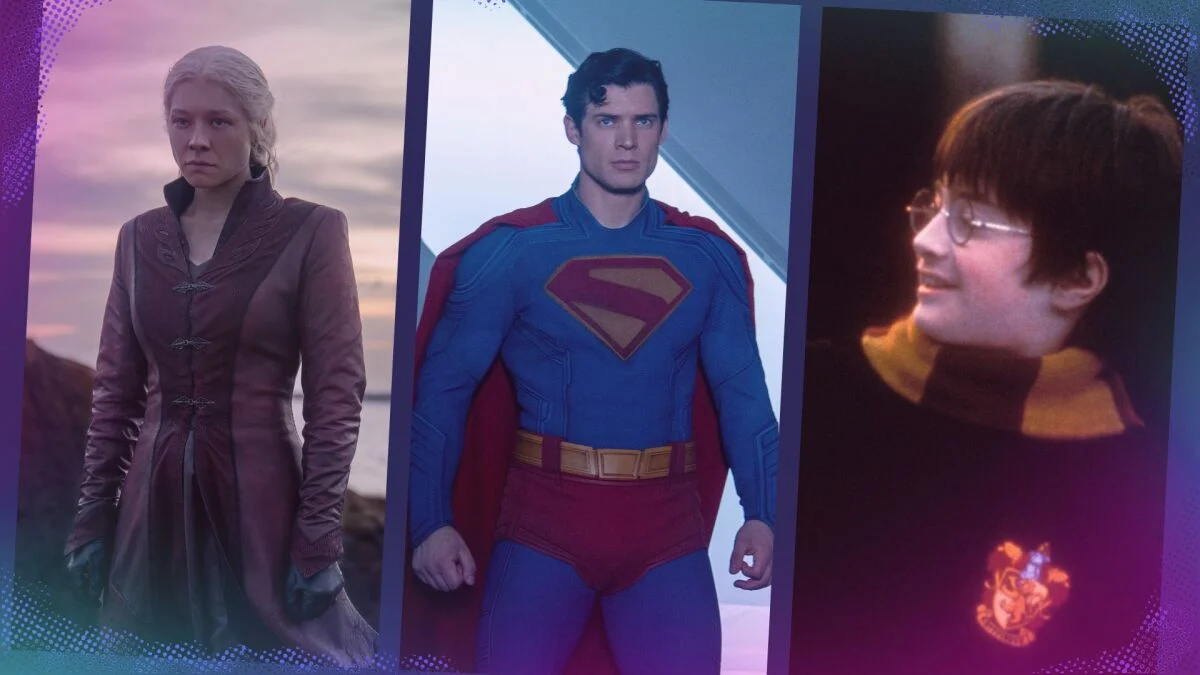
In an unprecedented move that’s sending shockwaves through the entertainment industry, Netflix recently announced the acquisition of Warner Bros. for a staggering $82.7 billion. This strategic buyout grants the streaming giant ownership of a vast array of media assets, including legendary film and TV studios, as well as iconic franchises like Harry Potter, DC Comics properties, Game of Thrones, and Looney Tunes. This deal signifies more than just a business maneuver; it marks a pivotal shift in how youth culture consumes and interacts with entertainment, blending nostalgia with emerging digital trends.

One of the most immediate impacts of this acquisition is the consolidation of beloved franchises into a single digital ecosystem. The Harry Potter saga, which has enchanted generations for decades, will now be under Netflix’s umbrella, securing the rights to all eight movies and the upcoming HBO series scheduled for 2027, which continues to stir debate amid J.K. Rowling’s controversial social statements. This move not only promises to revitalize Harry Potter’s cultural footprint but also raises questions about the power dynamics of fandom and cancel culture, as critics and fans alike grapple with the creator’s complex legacy. Meanwhile, the DC Universe and Game of Thrones—with their massive, dedicated audiences—are poised to be reimagined, tested, or expanded on Netflix’s platform, potentially turning the streaming service into the new Iron Throne holder.

The Cultural Resonance of Iconic Franchises

This move is more than just a business strategy; it’s a reflection of the shifting sands of pop culture, where franchises shape social identities. Young viewers now consume content that blurs the lines between entertainment, nostalgia, and social activism—sometimes in conflicting ways. For instance, the Harry Potter series remains a cultural touchstone, but the ongoing controversy surrounding J.K. Rowling’s comments has intensified debates about authenticity versus responsibility in fandom. Similarly, the Game of Thrones universe continues to expand, offering fresh narratives within Westeros that are likely to influence social discourse, identity politics, and fan engagement for years to come.

With this merger, Netflix isn’t just expanding its catalog; it’s redefining the social relevance of these franchises. These stories now serve as platforms for cultural conversation, where issues of representation, legacy, and social responsibility intersect with blockbuster entertainment. Experts like media sociologists suggest that in this era of digital activism, franchises wield substantial social influence, acting as both escapism and catalysts for societal change. The question that looms, however, is whether Netflix can succeed as a steward of these cultural icons—preserving their integrity while also innovating them for new generations.

The Next Chapter in an Evolving Ecosystem

While the acquisition cements Netflix’s status at the top of the streaming hierarchy, it also invites a profound question about the future of entertainment consumption: Will this convergence of old and new media signal a shift toward a more unified cultural experience, or will it intensify competitive fragmentation as other players seek to carve out their own legacy? As Netflix becomes the custodian of these the stories that shaped much of modern youth culture, the next big challenge lies in navigating how to keep these franchises relevant in a rapidly changing digital landscape. Will they serve as enduring cultural touchstones, or will they be co-opted and commercialized to an unsustainable degree?

As the landscape continues to evolve, one thing remains clear: this acquisition is not just a business transaction but a cultural realignment that questions the very future of entertainment, legacy, and social relevance. The next big question for both creators and consumers is whether these iconic stories will be used to foster genuine cultural dialogue or simply become commodities in a relentless pursuit of streaming dominance.

Netflix Nears Deal with Warner Bros., Big Win for Streaming Giants

Netflix Eyes Major Acquisition in the Battle for Global Entertainment Dominance

In a move that could reshape the geopolitical landscape of international media, Netflix is reportedly nearing a deal to acquire the film and streaming assets of Warner Bros Discovery. This potential acquisition, which includes iconic franchises such as Harry Potter and Game of Thrones, as well as the streaming service HBO Max, signals a strategic shift in the global entertainment market. As competition intensifies among streaming giants, analysts warn that this industry consolidation may have profound consequences for media sovereignty and cultural influence worldwide. The deal’s outcome will undoubtedly influence how entertainment is produced, consumed, and regulated on a scale that extends beyond individual markets, affecting societies and national policies alike.

The dynamics of this proposed acquisition have sparked a fierce debate among industry stakeholders and international regulators. Paramount’s legal representatives have publicly questioned the fairness of Warner Bros’ sale process, hinting at potential bias that favors certain bidders. A letter reviewed by CNBC accused Warner Bros of conducting a “myopic process with a predetermined outcome,” raising concerns that the sale might be manipulated for the benefit of a single corporate player. Such allegations reflect broader fears about monopolistic behaviors—fears that are resonant far beyond Hollywood, echoing anxieties about media concentration’s impact on diversity of content and global information flow. The United States Federal Trade Commission and other international authorities are likely to scrutinize this deal closely, weighing the potential for a media monopoly to stifle competition and limit consumer choice on a global scale.

How Industry Power Plays Redefine Global Cultural Politics

Industry experts like Emma Wall, chief investment strategist at Hargreaves Lansdown, argue that the bidding war is about more than just profit margins—it’s about wielding cultural influence. She noted that Paramount’s bid included parts of Warner Bros with ongoing profitability challenges, whereas Netflix’s proposal focused solely on its strongest assets. “You’re sort of tainting your offer if you go into a spat,” she remarked, implying that strategic acquisitions are being driven by complex, behind-the-scenes negotiations that involve international regulators and geopolitical considerations.

The potential creation of a *“global media mega-power”* has alarmed critics who warn of regulatory challenges. According to CNBC, legal representatives from Paramount suggest that Warner Bros’ sale process may be skewed in favor of a single bidder, leading to broader implications for international media regulation. If such a conglomerate emerges, it could result in an entrenchment of cultural hegemony, with a handful of corporations controlling the narrative and access to entertainment across continents. Historians and analysts warn that such concentration mirrors other periods of monopolistic dominance, where unchecked corporate power can distort political and social development.

Implications for Hollywood and the Global Audience

The ramifications extend beyond the realm of media business models; they threaten the very fabric of cinema and cultural expression. As Tom Harrington of Enders Analysis warns, should Netflix’s acquisition succeed, the Hollywood industry would face a *“reorientation,”* with the creative jewelHBO—becoming deeply intertwined with a platform historically at odds with traditional cinema. This potential fracture in the relationship between streaming services and traditional filmmaking could accelerate the decline of cinema as a cultural pillar, reshaping artistic narratives and societal storytelling paradigms.

Operational and regulatory challenges loom large, with international watchdogs poised to examine whether such a merger would violate principles of fair competition. As global audiences become increasingly polarized in media preferences, the consolidation of power in the hands of few conglomerates could lead to a homogenization of culture, eroding the diversity that once fueled creative innovation. Historians argue that this moment might be remembered as a defining juncture in the transformation of global media, where the clash between corporate ambition and cultural integrity reached its zenith. The stakes are high, and the course of history continues to be written with every negotiation, every deal, and every decision made behind closed doors—reminding us that in this new era, entertainment is no longer just a product but a weapon in the relentless pursuit of geopolitical dominance.

Netflix secures victory in Warner Bros. bidding war—tech giants shake up the entertainment game

Netflix’s Strategic Push into Hollywood: A Paradigm Shift in Content and Business Models

In a move that could redefine the entertainment landscape, Netflix is reportedly considering acquiring Warner Bros. and its associated assets, including HBO Max. While the deal faces imminent regulatory hurdles, notably opposition from the Department of Justice, industry insiders suggest that if approved, this acquisition could trigger a seismic shift in how streaming giants operate within traditional Hollywood frameworks. Such an integration would place Netflix at the helm of one of the oldest and most influential film studios, fundamentally altering existing distribution, production, and theatrical paradigms.

From an innovation perspective, this move signals a disruption of the conventional content supply chain. Historically, Netflix has prioritized digital-first distribution, avoiding involvement in theatrical releases and traditional studio operations. The potential transition into studio management would allow Netflix to leverage its data-driven approach to content creation while integrating theatrical releases into its ecosystem. This strategic positioning could enable the company to compete directly with legacy studios by controlling more of the content lifecycle—from production to consumer. Such vertical integration aligns with industry trend forecasts from Gartner and MIT, which emphasize the importance of disruptive consolidation as a way to leverage big data and cutting-edge AI for content optimization and personalized marketing.

The implications for the broader industry are profound. A successful acquisition not only disrupts the traditional Hollywood power balance but could accelerate the consolidation of media assets across emerging digital platforms, forcing competitors to adapt or face obsolescence. Analysts like Peter Thiel have long argued that such disruptive business models fuel innovation by creating new avenues for revenue and consumer engagement. If Netflix can integrate large-scale theatrical content, it may gather a significant competitive advantage—offering consumers a seamless experience that combines the best of traditional cinema and digital streaming, accelerating the metamorphosis of the entertainment industry.

Business Implications and Future Outlook

The potential acquisition underscores how disruption in the tech and entertainment sectors is accelerating, with major players seeking to reinvent their roles within the evolving ecosystem. While regulator concerns and antitrust scrutiny are significant hurdles, industry insiders suggest that the strategic value of owning a legacy studio—combining creative control with data-driven insights—could outweigh regulatory obstacles in the long term. This move may also set a precedent for vertical integration, inspiring other tech giants, such as Apple and Amazon, to pursue acquisitions that further blur the lines between content creation and distribution.

Looking ahead, the industry faces an imperative to innovate rapidly in response to consumer demand for high-quality, multi-platform content. Executives, investors, and creators must recognize that disruption is now a strategic necessity. As Netflix potentially steps into a new role as a Hollywood studio powerhouse, the entire media landscape remains on the cusp of profound transformation—one that demands agility, strategic foresight, and an unwavering commitment to pushing the boundaries of entertainment technology. The future belongs to those who can harness the power of innovation amidst regulatory challenges, seizing opportunities to reshape cultural consumption in ways previously thought impossible.

Social Media Auto Publish Powered By : XYZScripts.com