

Power, Policy, and the Fate of a Nation: Analyzing the Latest Political Dynamics in 2026
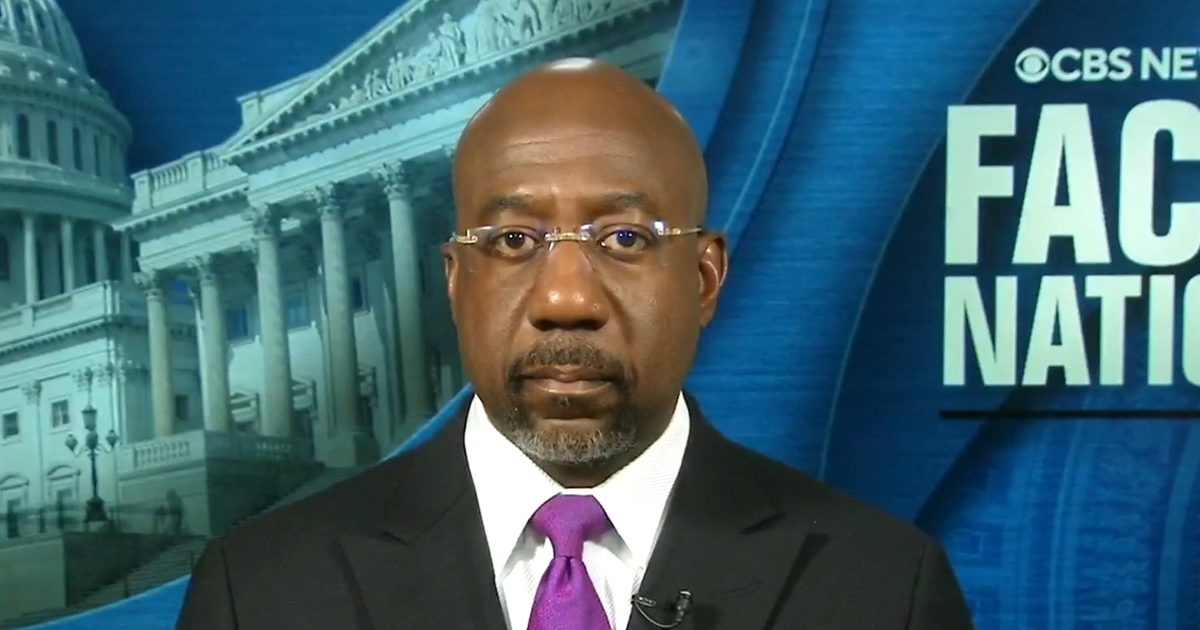
In the tumultuous landscape of 2026, the recent interview with Senator Raphael Warnock of Georgia on “Face the Nation” illuminates more than just the individual stances of a senator; it exposes the larger power struggles shaping the destiny of the United States. As the political arena continues to be defined by seismic shifts in party ideologies and policy priorities, Warnock’s discourse offers a window into a broader ideological clash—one that hinges on the very soul of American democracy. The fact that this interview garners national attention underscores how each political maneuver and rhetorical flourish becomes a piece in the chess game for control, influence, and historical legacy.
Within the interview, Warnock’s positions encapsulate the ongoing tension between progressive reforms and conservative resistance. While he advocates for expanded social programs and electoral reforms, these initiatives are often met with fierce opposition from the conservative bloc—led by figures aligned with the “looking to preserve constitutional structures” camp. The opposition’s defenders of the status quo frequently invoke historical precedent, arguing that rapid reforms threaten fundamental constitutional principles. Yet, critics—drawing parallels with the New Deal era or even more recent judicial battles—contend that modifications to the social fabric are imperative for the nation’s survival in an era of unprecedented economic and geopolitical turbulence. This ongoing conflict over reform and resistance reflects a classic power struggle over who controls the nation’s narrative and policy direction.
More significantly, the interview reveals how decisions made today will **shape the lives of generations to come**. Warnock’s emphasis on voting rights and social justice points to an understanding that political victory extends beyond abstract policy discussions—it’s about wielding power to mold society’s future. Political theorists like Machiavelli and modern constitutional scholars warn that such moments define the trajectory of a nation; history, after all, shows how decisively the course of democracy can turn on the control of institutions and narratives. The ongoing contest for control over the legislative apparatus exemplifies a broader struggle: whether the government remains a tool to empower the people or becomes a mechanism for entrenched elites. The decisions made now are not mere policy choices but **battlegrounds where the future of liberty and justice are contested**.
In this chess game of power, the stakes are high. The political elite—whether custodians of tradition or champions of reform—understand that their success or failure can resonate for decades. Whether one views these developments through the lens of constitutional safeguards or reformist ambition, there is no denying that this is the arena where true sovereignty is exercised. As history continues to write itself in the corridors of power, the closing lines remind us that politics is not just a reflection of current battles but the script where the destiny of nations is ultimately penned—each decision a stroke on the canvas of history, each leader a figure in the story that will echo through eternity.






