Matox News

Truth Over Trends, always!

US Marines and warships mobilize to the Middle East amid tensions

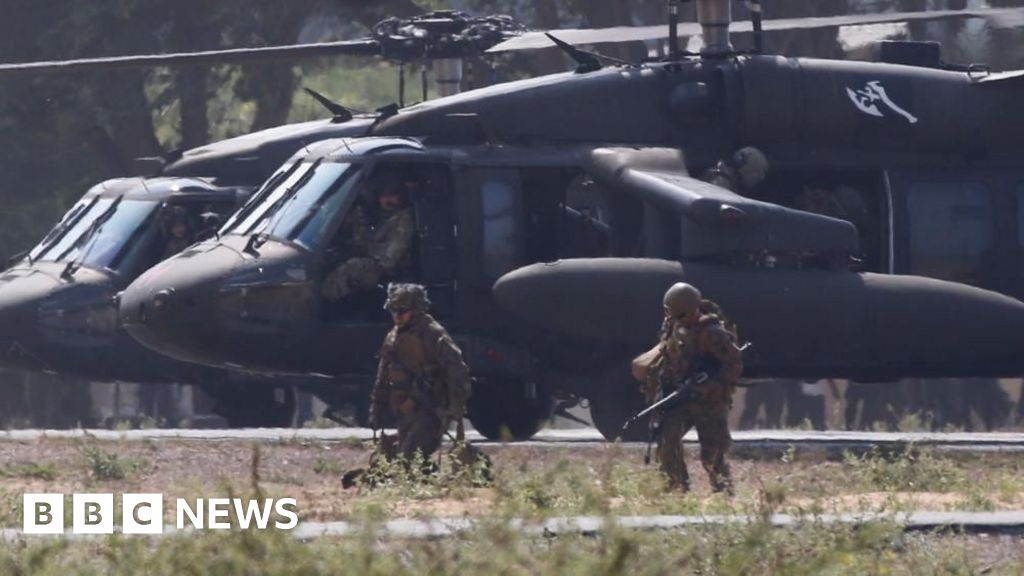
In a development that has sent shockwaves across global geopolitics, the United States has reportedly moved additional military personnel into the Middle East. According to The Wall Street Journal, which first broke the story, the deployment was authorized following a request from U.S. Central Command (CENTCOM), the branch of the military responsible for operations in the vital region. The approval came directly from Defense Secretary Pete Hegseth, signaling an unmistakable escalation in U.S. military posture amidst ongoing regional unrest.

This shift comes at a particularly sensitive juncture in Middle Eastern affairs, where tensions are already running high. Analysts warn that such troop movements may signify an increased risk of broader conflict, especially as regional actors prepare for unpredictable responses. Historically, military reinforcements often serve as both a deterrent and a signal of imminent force, and in this case, they represent a clear message to all parties: the U.S. is prepared to take decisive action to protect its interests and allies. International organizations, regional powerhouses, and local governments alike are scrutinizing these developments, aware that the further escalation could reshape regional stability and influence the global order.

Many geopoliticians and historians interpret this move through the lens of a broader strategic calculation. Some warn that the decision risks fueling an arms race or provoking unintended clashes. The increased presence may also embolden U.S. allies to push forward their agendas, while adversaries may view it as a move towards wider confrontation. As James R. H. Goodby, a prominent international relations expert, notes, “The deployment reflects a shift from reactive to proactive military strategies in a region long renowned for its volatility.” The consequences for vulnerable societies are profound, as civilians bear the brunt of geopolitical disputes that threaten to spiral into broader conflicts.

The international community remains divided in response. While some nations urge restraint, others see the troop movements as necessary to safeguard stability and counterbalance regional threats. The United Nations and other multilateral bodies have called for diplomatic efforts, yet the reality on the ground suggests a persistent drift towards conflict escalation. Historically, such military bolstering often precedes significant upheavals, and commentators warn that the coming weeks may trigger a pivotal point in Middle Eastern and global history. As history’s pages turn, a new chapter is being inscribed with each decision—and the world watches, waiting for the moment when the emerging narrative will either forge a path toward peace or plunge into chaos. The weight of history remains heavy, and the future hangs precariously in the balance, echoing lessons learned from conflicts past that warn of the unpredictable consequences of military escalation in an already volatile region.

US ramps up military presence with warships and fighters near Iran

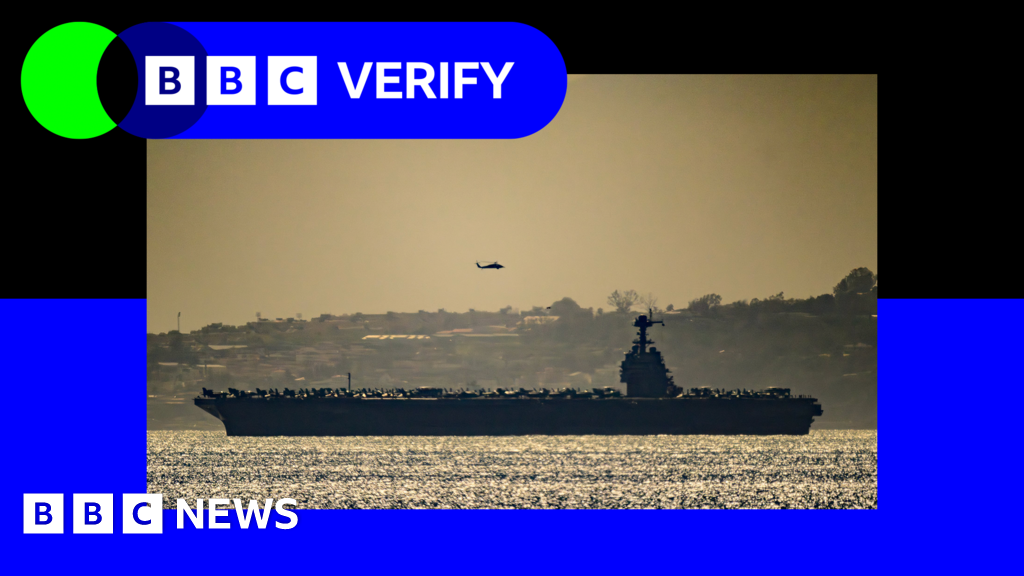
Recent international maritime activity underscores a significant shift in the geopolitical landscape, illustrating the readiness of the United States to project power amid mounting global tensions. Ship-tracking data confirms the movement of key naval assets, including the USS Mahan, a prominent destroyer in the US Navy’s strike group, which recently transited the strategic Strait of Gibraltar. This passage is not merely routine navigation but a clear signal reinforcing America’s military posture, particularly as the Gerald R. Ford aircraft carrier was observed off the coast of Morocco, suggesting a rapid redeployment towards an increasingly volatile Middle Eastern theater.

The U.S. military escalation was further evidenced by the tracked movement of another aircraft carrier, the USS Abraham Lincoln, earlier this week. Experts and analysts highlight that these movements are indicative of a broader strategic pivot, possibly in response to regional conflicts or emerging threats that threaten the stability of global order. Such naval deployments are often interpreted as signals to rival states, including Russia and China, as well as regional actors embroiled in complex conflicts. The active deployment of these formidable warships, capable of projecting air and sea dominance, underscores the U.S.’s commitment to maintaining freedom of navigation and safeguarding allied interests in strategically vital corridors.

International organizations, including NATO and the United Nations, have expressed cautious interest in these developments, with some analysts warning that such show-of-force maneuvers could escalate existing tensions or ignite new flashpoints. Historians warn that rapid naval movements by superpowers often precede larger confrontations, emphasizing the importance of diplomatic restraint. Yet, the current troop and asset mobilizations suggest that the calculus has shifted; the era of cautious diplomacy may be giving way to a more assertive posture. Countries in the Middle East and North Africa watch closely, aware that these demonstrations of military strength could influence regional alliances and political calculations.

This ongoing strategic ballet emphasizes how decisions at the highest levels of government ripple through societies worldwide, affecting not just geopolitics but the lives of millions. As these mighty warships cut through the Atlantic and reposition near tense hotspots, the world faces a critical juncture: a confrontation, a compromise, or an unpredictable turn in history. The unfolding narrative remains uncertain, but what is clear is that the great powers are once again aligning their ships and interests, shaping a future fraught with danger yet ripe with the potential for unforeseen change.

Social Media Auto Publish Powered By : XYZScripts.com


