Matox News

Truth Over Trends, always!

Swatch MoonSwatch Earthphase Moonshine Gold: Price, Specs & How to Get It

Swatch’s MoonSwatch Continues to Disrupt Traditional Watch Industry, Signals a Tech-Driven Future

The watch industry is experiencing a seismic shift driven by innovation and disruption, with Swiss giant Swatch once again leading the charge. The company’s MoonSwatch collection, a remarkable fusion of horological craftsmanship and mass-market savvy, has revolutionized how consumers perceive and purchase high-end timepieces. Despite its playful, affordable appeal—priced at just $285—MoonSwatch is netting hundreds of millions of dollars in sales, threatening traditional luxury brands’ dominance. This strategic move exemplifies how industry giants are leveraging unique collaborations and branding to harness a new era of consumer engagement.

The product itself is a testament to innovative market disruption. The collection melds Swatch’s bioceramic materials—a sustainable, lightweight composite—with design elements inspired by Omega’s iconic Moonwatch, creating a hybrid product that appeals to both nostalgia and modern sensibilities. Features such as

  • Playful hidden messages revealed under UV light
  • Customizable straps and aesthetic variants
  • Limited editions with unique moon phase displays

highlight Swatch’s strategic use of innovation not just in product design but in consumer experience.

Current industry leaders, like Gartner analyst Dr. Lisa Lopez, underscore the impact on the traditional luxury watch sector. She notes that this disruption is driving a wave of business model innovation, where quick-to-market collaborations and digital appeal threaten the long-standing exclusivity of haute horology. Additionally, Elon Musk’s ventures into mass-market wearables and MIT’s research into smart accessories further illustrate the trend toward integrating technology seamlessly into daily fashion. These developments push the market towards a landscape where disruption and innovation are no longer optional but essential for survival.

Despite the playful aesthetic, the MoonSwatch’s success with younger demographics signals a broader market shift. Industry shifts towards accessible luxury, combined with emphasis on sustainability and technological integration, are redefining the horizon. Swatch’s recent release of the Moonshine Gold Cold Moon model, featuring intricate moon phase mechanics with golden snowflake accents, exemplifies this trend. The release not only demonstrates technological innovation but also highlights the importance of timely, culturally resonant products that generate buzz and brand loyalty. As Peter Thiel often emphasizes, the pace of innovation is accelerating, and companies that fail to adapt risk being left behind in the dust of incumbents driven by tradition.

The future of the watch industry rests on how well brands can blend disruption, innovation, and consumer-centric strategies. Market watchers and tech innovators alike agree that the upcoming decade will be pivotal, with rapid advancements in materials science, smart tech, and augmented reality poised to redefine what a watch can be. The critical takeaway? In an era marked by unprecedented technological disruption, remaining passive is a path to obsolescence. Forward-looking companies must harness the full potential of technological innovation, disrupt traditional paradigms, and stay ahead of the consumer curve—because the next wave of market leadership hinges on their ability to do so.
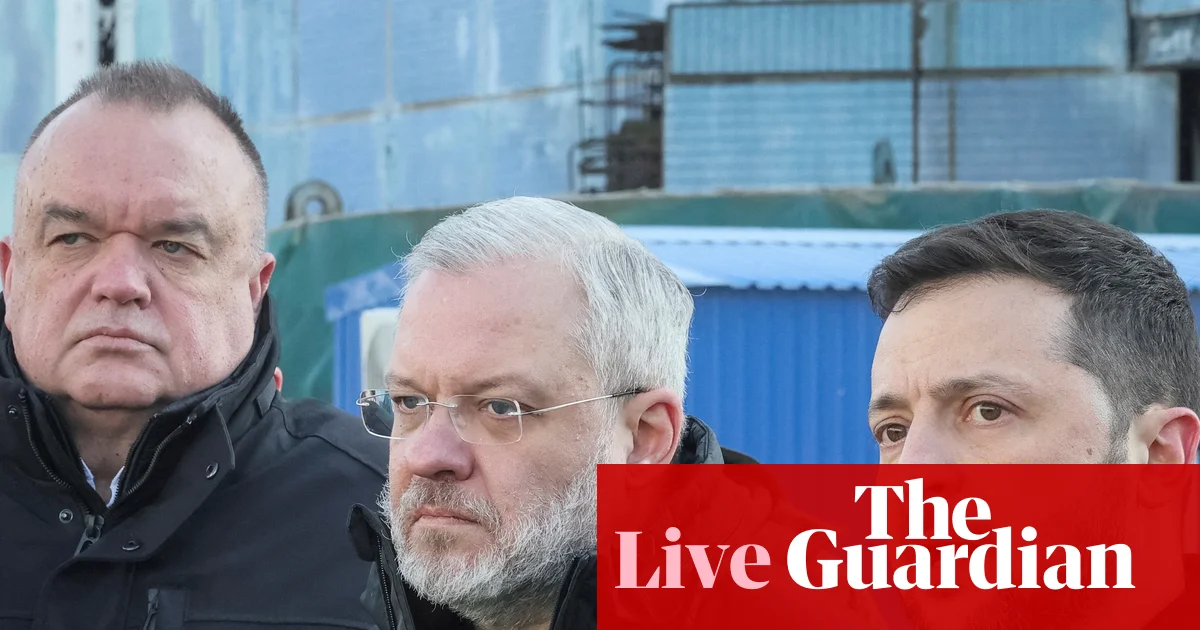
Ukraine suspends justice minister over energy corruption scandal—EU watches closely

Ukraine’s Unfolding Crisis: Corruption Scandal and Its Global Impact

In a development that threatens to rattle the foundations of Ukraine’s government and influence the broader geopolitical landscape, Ukrainian justice minister German Galushchenko has been suspended amidst an emerging corruption scandal involving Ukraine’s energy sector. This scandal, unveiled by the Specialised Anti-Corruption Prosecutor’s Office (SAPO), points to an alleged scheme involving a staggering $100m. The implicated figure, Timur Mindich, an associate of President Volodymyr Zelenskyy, is accused of orchestrating the plot, with reports suggesting that Galushchenko might have personally benefited. Such accusations come at a time when Ukraine is grappling with ongoing Russian attacks on critical energy infrastructure, complicating its ability to prepare for upcoming harsh winters.

International analysts, including senior officials from the European Union, have expressed concern over the implications of this scandal. The EU has highlighted that corruption remains a critical obstacle in Ukraine’s bid to join the bloc, a process now further hampered by domestic instability. The internal strife was amplified by recent protests over SAPO’s independence, seen as a rare dissent against President Zelenskyy’s leadership. This incident signals more than domestic political crisis; it underscores the fragile state of Ukraine’s governance structures and the widening gap between reform commitments and implementational reality. Historians warn that such internal disarray may embolden external adversaries while eroding international support.

The Geopolitical Impact Watch: How Kyiv’s turmoil influences the broader East-West tension

Ukrainian Prime Minister Yulia Svyrydenko confirmed a swift response, with the government appointing Deputy Justice Minister Lyudmila Suhak to temporarily assume Galushchenko’s duties. The suspended minister, in his defense, called the move a “civilized and appropriate” response, vowing to prove his innocence in the legal arena. Nevertheless, the scandal’s wider consequences may prove to be a turning point in Ukraine’s fight against corruption—a critical prerequisite for EU accession and international aid. Declining transparency could jeopardize military and economic aid, giving Russia or other malign actors an opportunity to exploit Kyiv’s vulnerability.

For observers, this crisis underscores a broader, foreboding trend: the collapse of Western-backed reform efforts and the rise of entrenched corrupt networks within Ukraine’s political elite. Critics argue that Zelenskyy’s government risks losing the moral high ground amid accusations of backsliding on reform commitments. The European Commission’s recent concerns reflect a growing impatience from Western allies, who now demand concrete actions rather than mere promises. As history has shown, such internal discord in nations fighting for sovereignty often serves as fertile ground for aggressive geopolitical moves by Russia—who remains firmly committed to destabilizing Ukraine and reasserting influence over the region.

Destined to be an epoch of struggle

As the world watches the unfolding saga in Kyiv, the weight of history presses heavily on the shoulders of Ukrainian leaders. The scandal is more than a mere political misdemeanor—it symbolizes the fragile hold on reform, sovereignty, and the rules-based international order. The coming days will reveal whether Ukraine can withstand the internal tremors threatening its stability or whether this wave of corruption will deepen existing divisions. As the winter looms and external pressures mount, the resilience of Ukraine’s institutions and the resolve of its people will determine how history remembers this pivotal moment—either as the beginning of a hard-fought recovery or a descent into chaos.

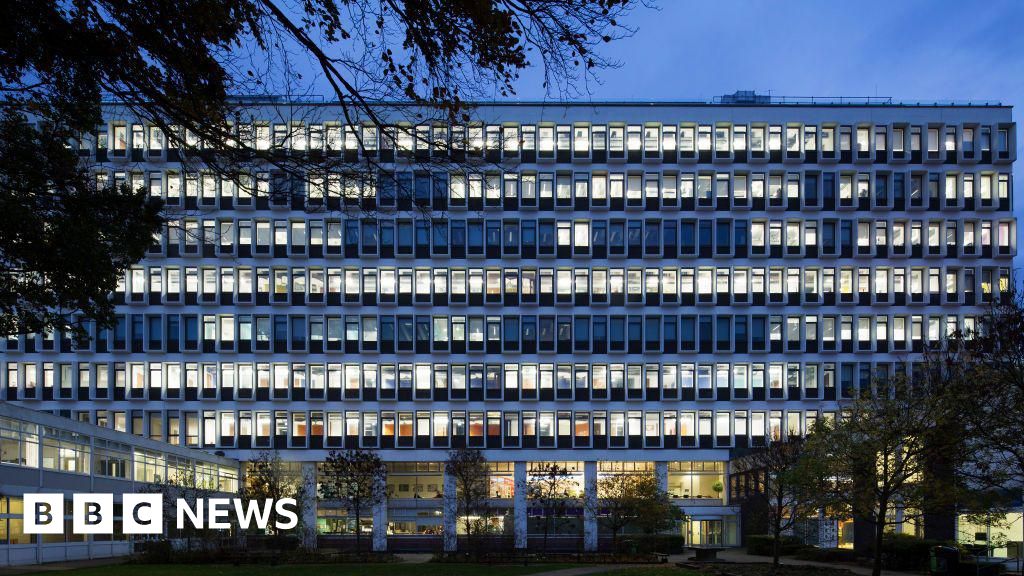
UKHSA Watches Closely as Brighton University Meningitis Cases Emerge

Rising Concerns Over Meningitis Among Students Highlight Societal Challenges

The recent diagnosis of two students at the University of Brighton with meningitis has reignited concerns over public health vulnerabilities and social awareness. The UK Health and Security Agency (UKHSA) has emphasized its vigilance, closely monitoring the situation as the community grapples with this potentially fatal yet often misunderstood disease. While the university reports that both students are recovering and that those who had close contact are receiving precautionary treatment, the incident underscores a broader societal issue: the lack of widespread awareness about early symptoms of serious illnesses and the social dynamics that may hinder prompt medical attention, especially among youth.

Social Tensions and Cultural Shifts in Health Vigilance

Health sociologists have pointed out that young adults often dismiss early warning signs of illnesses as mere inconveniences or minor ailments. Charlotte Flynn, a health protection consultant at UKHSA South East, notes that symptoms like fever, headache, and fatigue can be easily mistaken for more benign conditions such as hangovers or flu. This dangerous confusion is compounded by cultural shifts that prioritize resilience and independence, leading many students to ignore symptoms until medical intervention becomes urgent. Such delays not only threaten individual lives but also place strain on healthcare resources and community health programs.

Underlying this issue are social factors like patterns of communal living, peer influence, and a sometimes dismissive attitude towards health concerns. Historically, sociologists such as C. Wright Mills have highlighted how societal norms and power structures influence health behaviors. In the context of student communities, the social pressure to appear resilient or unaffected can discourage early reporting of symptoms, further complicating containment efforts. The university’s assertion that meningococcal bacteria do not spread easily—but only through prolonged, close contact—serves as a reminder that habits within these communities can either mitigate or exacerbate health risks.

Implications for Families, Education, and Society

  • Families face emotional stresses when a loved one falls ill, often feeling helpless amid the ambiguity of early symptoms. This distress can be compounded by imperfect knowledge or access to healthcare, particularly among socio-economically disadvantaged families.
  • Educational institutions bear the burden of balancing academic continuity with health vigilance, implementing measures that include information dissemination and contact tracing. As Brighton’s administration states, they have “gone above and beyond” in guiding students, yet the challenge remains to foster a culture of proactive health engagement.
  • Communities are tasked with fostering environments where health awareness is normalized and stigma surrounding illness is reduced. The incident raises questions about how to cultivate younger generations’ sense of personal responsibility while ensuring they do not feel overwhelmed by fears or misinformation.

As social commentators and sociologists like Zygmunt Bauman have argued, society’s capacity to adapt and respond to such challenges hinges on collective consciousness and moral commitments. The hope is that through improved education, community engagement, and responsible health practices, society can rebuild a culture that values early intervention and collective well-being. The tragic irony remains that, in a time of unparalleled technological and informational access, the very youth most vulnerable may be the least prepared to recognize the signs that could save their lives. Society stands at a crossroads—where understanding, vigilance, and compassion could turn today’s crisis into a catalyst for societal resilience and transformation.

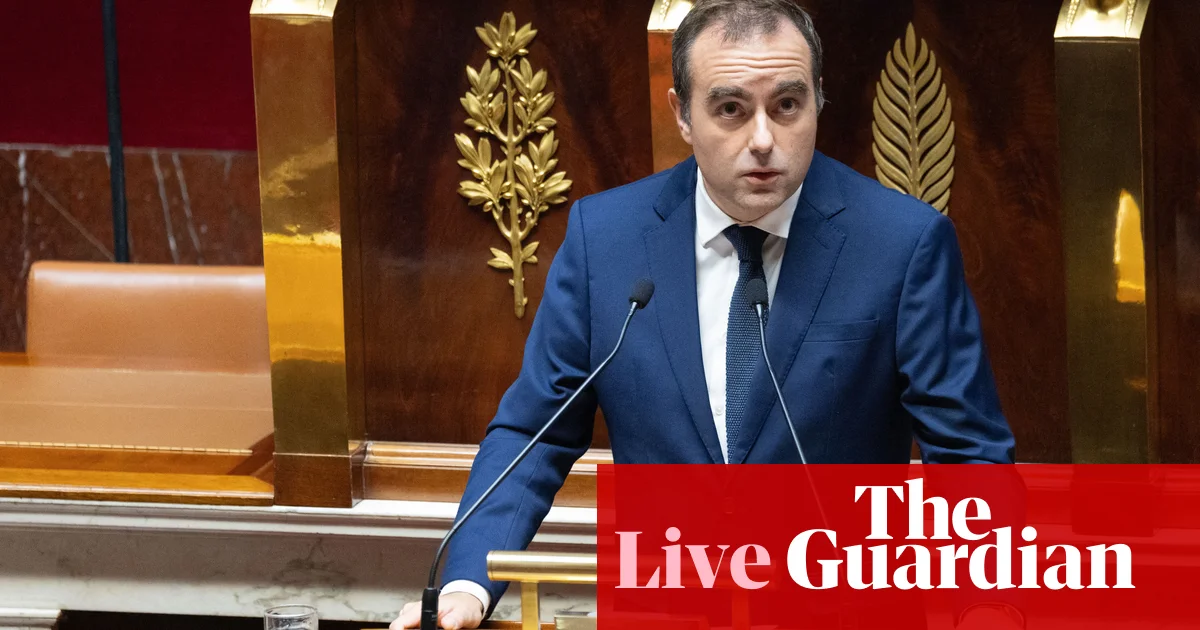
French PM survives no-confidence vote—Europe watches as new chapter begins

France’s Political Turmoil: A Look at Yesterday’s No-Confidence Votes

In a tumultuous turn for France, the government narrowly escaped a series of high-stakes no-confidence votes that threaten the stability of Emmanuel Macron’s leadership amid unprecedented legislative fragmentation. The recent votes in the French parliament highlighted a nation grappling with deep ideological divides and a strained economic landscape, with the veteran president’s political legacy hanging in the balance. The episode underscores geopolitical impact not just domestically but across Europe, as the continent watches a proud democracy teeter on the brink of upheaval.

Yesterday’s no-confidence votes—initiated by opposing factions—brought to light an intense confrontation between Macron’s centrist policies and the fragmented opposition bloc. A total of 271 MPs voted to topple the government, falling short of the required majority of 289. Notably, Sébastien Lecornu, Macron’s prime minister, faced potential resignation but survived narrowly after he proposed delaying a cornerstone pension reform that would raise France’s retirement age to 64. This move was a calculated attempt to buy time amid a crisis rooted in the nation’s perennial resistance to reforms that threaten the social safety net cherished by many citizens. Such decisions have profound societal consequences, affecting the collective well-being and shaping future policies that will decide the country’s direction.

Moreover, the political landscape remains fragile. The Socialist Party, despite refusing to support the no-confidence motions directly, is preparing to leverage the upcoming budget debate to push for a “Zucman tax,” a targeted levy on the ultra-rich, aiming to raise revenue from France’s most affluent—affecting a mere 0.01% of taxpayers. Analysts suggest that this reflects a broader strategy by the left to capitalize on Macron’s economic challenges, including a $30 billion squeeze involving tax reforms and social welfare adjustments. On the other flank, Marine Le Pen’s National Rally has struggled legally, with her legal challenges to electoral rules decisively rejected by France’s highest administrative court. With a conviction and subsequent ban on running for office, her capacity to lead the far-right in the 2027 presidential race remains uncertain—yet her rhetoric and support base continue to influence the political discourse, adding layers of complexity to France’s impending leadership choices.

The international ramifications of France’s internal crisis are manifold. As historians and international agencies warn, political instability in France ripples through the European Union, potentially undermining markets and amplifying regional geopolitical uncertainties. Since Macron’s controversial decision to dissolve parliament amidst the crisis, the country faces a constitutional „permacrisis“, marked by a dangerous stalemate over budget and policy reforms. Meanwhile, France’s neighbors—Poland, Estonia, Germany, and Denmark—have recorded incidents of breaches and drone activity, underscoring that the continent’s peace is increasingly fragile amidst rising tensions between NATO and Russia. This upheaval occurs at a critical juncture, as global powers navigate conflicts and alliances, with European stability vital for broader geopolitical balance.

History is watching, and the course of France’s future remains unpredictable. As political leaders scramble for control and societal factions clash over reforms and ideology, France’s destiny seems poised on a knife’s edge, as the weight of history presses upon the nation’s shoulders. In this unfolding saga, each parliamentary vote, legal decision, and policy debate not only shapes France’s future, but also echoes across a geopolitically sensitive world where the tides of democracy and authoritarianism collide—reminding us all that, in politics, as in history, the only certainty is uncertainty.

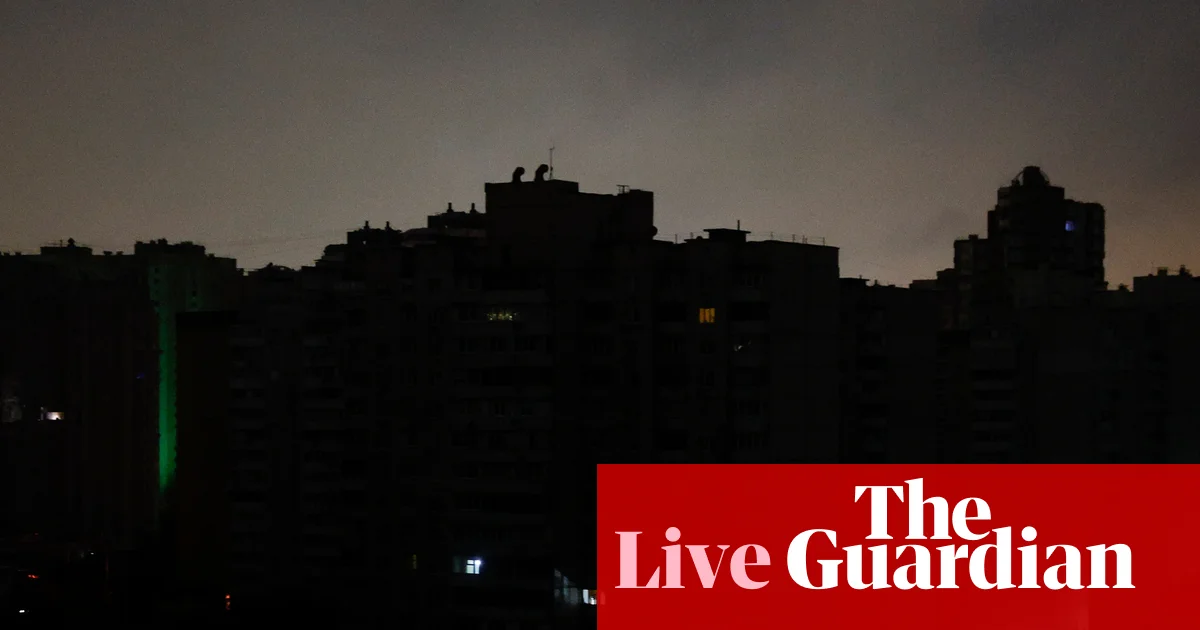
Kyiv hit hard by Russia’s large-scale strike on Ukraine’s energy grid—Europe watches as power is cut back

Global Power Dynamics in Chaos: Russia’s Assault on Ukraine and Europe’s Political Turmoil

In a stark demonstration of geopolitical instability, the recent escalation of attacks against Ukraine by Russia has plunged Kyiv into darkness and chaos, compelling the international community to reassess the delicate balance of power. Early Friday morning, Kyiv was hit by what the Ukrainian Air Force called a “massive attack,” involving over 450 drones and 30 missiles, targeting critical infrastructure and energy supplies across the country. These relentless assaults resulted in power outages in nine regions and ignited fires in residential buildings, including a high-rise in Kyiv, exemplifying Russia’s strategic effort to weaken Ukraine’s resilience amidst ongoing conflict.

The Ukrainian President Volodymyr Zelenskyy condemned the attack as a blatant act of aggression aimed at undermining Ukraine’s sovereignty and destabilizing its fragile infrastructure. The attack’s scale, which included ballistic missiles and strike drones, marks a significant escalation in Moscow’s campaign to cripple Ukraine’s energy grid, which the energy minister Svitlana Grynchuk described as “a massive strike.” This attack not only disrupts daily life but also signals Russia’s intent on prolonging the conflict, further testing Kyiv’s capacity for resilience and its allies’ support. Analysts from the International Atomic Energy Agency (IAEA) have indicated efforts are underway to restore power to the Zaporizhzhia nuclear plant, which has been isolated from external power sources for over two weeks—highlighting the dangerous brinkmanship and the persisting threat of nuclear instability in the region.

How These Decisions Shaped a War’s Turning Point

  • Russia’s deployment of hundreds of strike drones and missiles explicitly aims at crippling Ukraine’s infrastructure, forcing widespread blackouts and mounting civilian casualties.
  • Kyiv desperately seeks international support, especially advanced air defense systems, to counter such relentless aerial assaults, emphasizing the international stakes of Ukraine’s sovereignty.
  • Within Russia, Kremlin strategists, historians, and military analysts debate the limits of this new escalation, as Moscow’s rhetoric remains unwaveringly aggressive, signaling the possible extension of hostilities into broader European territory.
  • The international community, led by voices such as NATO officials and United Nations representatives, warn that these acts could push the region toward a new Cold War era, with global repercussions and strained alliances.

Amid the chaos, Europe faces internal contractions among its political fabric. French President Emmanuel Macron convened an emergency meeting of mainstream political parties to navigate a crisis rooted in fragile governance, as the country grapples with persistently low growth and a fractured parliament. Meanwhile, in Belgium, authorities uncovered a plot to ignite drone-mounted explosives targeting politicians, including the Prime Minister, reflecting the growing shadow of radical extremism in the continent’s security landscape. These security risks, coupled with Europe’s increased defense investments—most notably Sweden’s billion-crown plan to expand anti-drone systems—highlight a continent awakening to new aerial threats with Eurasian powers as central players.

New Alliances and Shifting Borders: A Clash of Empires

Meanwhile, on the international stage, US President Donald Trump has reignited long-standing tensions by suggesting that NATO should consider expelling Spain over its lagging military expenditures in the face of the European security crisis. Trump’s demands underscore an ongoing push for European nations to shoulder more responsibility, aligning with a broader, more confrontational American stance on European defense matters. Conversely, NATO nations are contemplating the rising threat of aerial violations; Sweden’s €367 million investment in anti-drone technology exemplifies a continent-wide recognition of hybrid warfare’s evolving landscape, with accusations of Russian involvement in drone sightings rattling European skies.

As the whirlwind of violence in Ukraine and the shifting sands of European political stability threaten to ignite a broader conflagration, the weight of history hangs heavy. The decisions made in the coming weeks—whether Ukraine’s allies strengthen their resolve or Russia escalates further—will determine whether this is merely a preamble to a larger war or the dawn of a new era shaped irreversibly by the choices of powerful nations. The pages of history are turning swiftly, and amid the shadows of conflict, the world holds its breath, gazing toward an uncertain horizon where the currents of geopolitics continue to carve their indelible marks into the fabric of history.

Social Media Auto Publish Powered By : XYZScripts.com