Matox News

Truth Over Trends, always!

Waymo gears up for $16B boost in major funding round

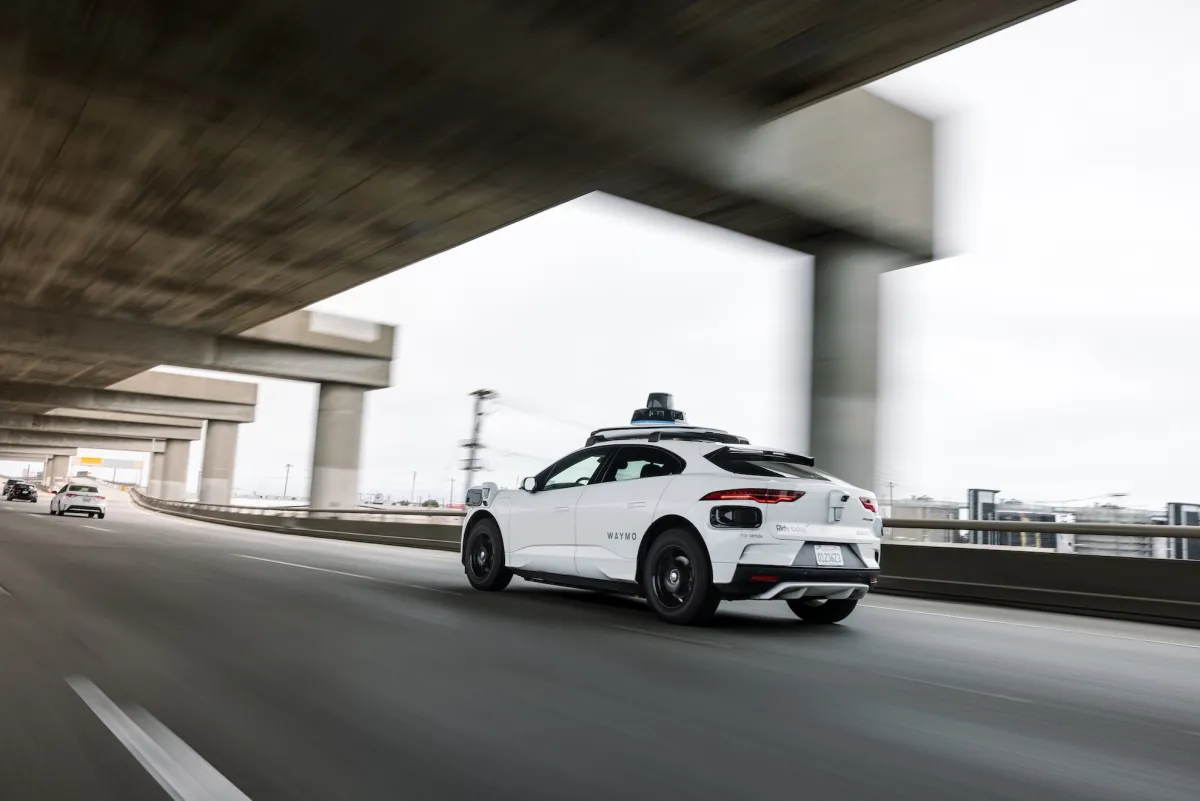
In a remarkable demonstration of disruption and innovation, Waymo, the pioneer in autonomous vehicle technology, is on the verge of closing a colossal $16 billion funding round, which positions the company at an impressive $110 billion valuation. Backed heavily by Alphabet, the parent company of Google, this funding underscores the strategic importance of AI-powered mobility as a critical frontier for tech giants vying for dominance in the future of transportation. With significant investment from venture powerhouses like Sequoia Capital, Dragoneer, and DST Global, Waymo is clearly positioned not just as a leader but as an industry disruptor set to redefine urban mobility.

This influx of capital signifies more than just financial backing; it reflects confidence in autonomous vehicle technology as a game-changing force. The company’s rapid expansion, exemplified by its recent launch in Miami, marks a strategic pivot to urban environments where demand for safe and reliable autonomous taxis is surging. However, technological hurdles remain, as the company has faced setbacks—such as instances of robotaxis stalling during significant blackouts—highlighting the challenges inherent in scaling next-gen transport systems for real-world urban settings.

  • High-growth trajectory with over 20 million trips completed
  • Existing annual recurring revenue exceeding $350 million
  • Recent Series C fundraise valued at $45 billion

The strategic investment landscape reveals a clear message: autonomous vehicle technology is no longer just a niche innovation but a cornerstone of future urban infrastructure. As MIT researchers and tech analysts like Gartner emphasize, the combination of advanced AI, real-time decision-making algorithms, and scalable infrastructure will make autonomous mobility the primary solution for urban congestion and pollution concerns. This trend indicates a tectonic shift towards a mobility ecosystem driven by disruption, where traditional automotive giants will face intensifying competition from autonomous-first startups backed by elite venture capital.

Industry insiders warn that while the technological breakthroughs from companies like Waymo and others will revolutionize the landscape, they also introduce new markets of political, regulatory, and safety challenges. Yet, the momentum remains unstoppable—investors and industry leaders are betting heavily on a future where these autonomous platforms become dominant. The scale of this latest funding round marks a turning point; it is a wake-up call for established automakers and a clarion call for startups aiming to accelerate their autonomous solutions. Time is running out for incumbents to adapt, innovate, and capture the transformative potential of autonomous mobility before the industry is reshaped completely.

In conclusion, Waymo’s aggressive push into new cities, backed by monumental funding and strategic partnerships, reflects a high-stakes race for supremacy in the autonomous vehicle domain. As the industry hurtles toward widespread deployment, only those capable of pioneering disruptive innovations and navigating complex regulatory landscapes will survive. The future belongs to those who can harness this wave of technological revolution—markets must brace for a new era where autonomous mobility becomes the backbone of modern urban living, and the stakes have never been higher.
Waymo Scores Green Light to Expand Deep into Bay Area and SoCal

Waymo’s Autonomous Expansion Signals a New Era in Urban Mobility

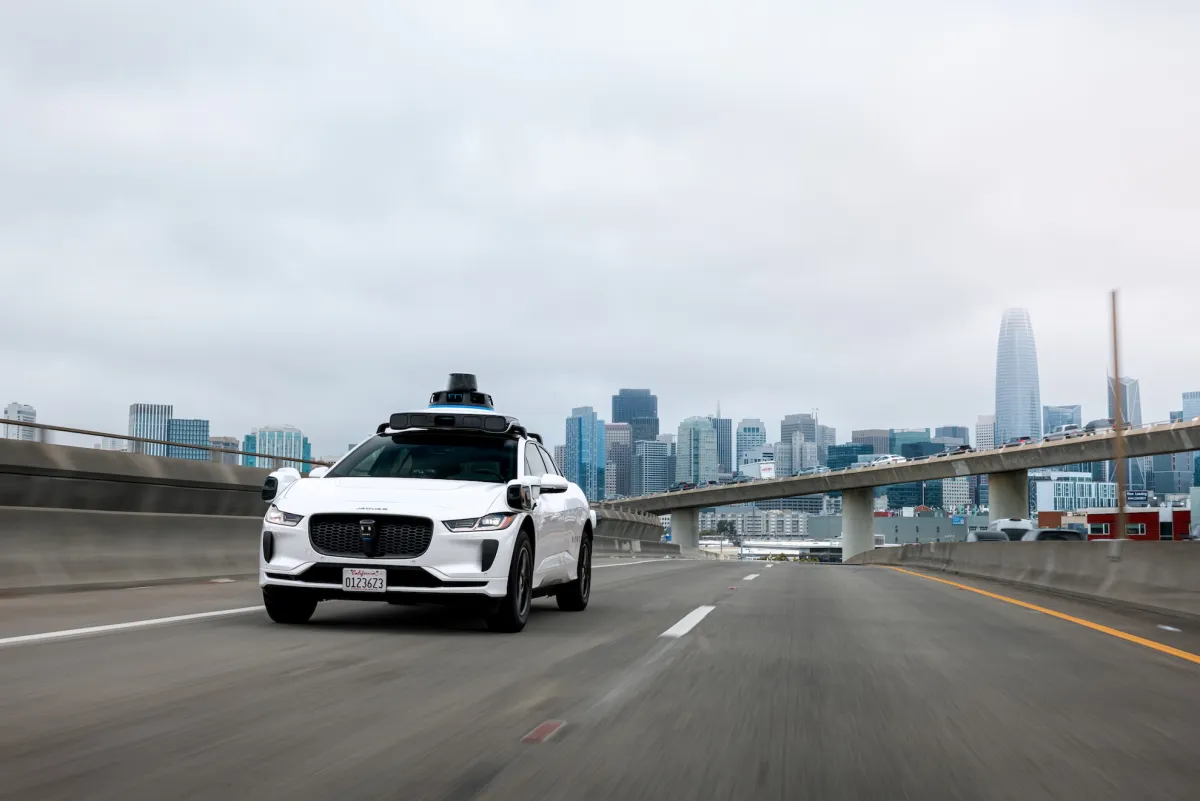
Waymo, the front-runner in robotaxi innovation, has announced a major step forward in its autonomous vehicle (AV) deployment strategy. The company has received official approval to operate fully autonomous vehicles across a significantly broader region in California, including key areas like the East Bay, North Bay (Napa/Wine Country), and Sacramento, as well as extending its territory in Southern California from Santa Clarita up to San Diego. This territorial boost not only exemplifies relentless innovation but also underscores the disruptive potential of autonomous mobility to reshape urban transportation paradigms.

While regulatory hurdles remain—since additional permits are required for commercial passenger services—Waymo’s recent expansions demonstrate industry confidence in AV technology. Targeting a mid-2026 launch in San Diego, the company’s strategic timeline aligns with broader industry expectations for large-scale autonomous deployment. This timeline reflects the urgency to capitalize on technological advances, as other players like Tesla, Uber, and emerging startups accelerate their own autonomous initiatives. The push into new markets is further amplified by Waymo’s recent announcements to expand into Minneapolis, New Orleans, and Tampa, alongside plans to eliminate safety drivers in Miami ahead of commercial launch, signaling a paradigm shift in the traditional ride-hailing model.

Business implications of these developments are profound. As disruption accelerates, traditional taxi and ride-sharing industries face existential threats, while new entrants with agile autonomous fleets could dominate urban mobility markets. Major corporations such as Google’s parent company Alphabet (which owns Waymo) are positioning themselves as long-term players, banking on AVs becoming the dominant form of city transit. The deployment of AVs on freeways—now operational in Los Angeles, San Francisco, and Phoenix—further enhances their viability by addressing long-haul efficiency issues, making shared autonomous rides a practical alternative to personal vehicles.

Experts at institutions like Gartner and MIT emphasize that this wave of innovation might redefine business value propositions, emphasizing technological disruption that could make private car ownership less relevant. However, the rapidly evolving regulatory landscape and safety concerns pose risks, especially as the industry grapples with potential safety pitfalls and public acceptance. As Elon Musk and Peter Thiel have long argued, the key to winning the autonomous revolution lies in rigorous testing, robust infrastructure, and a daredevil willingness to challenge conventions.

Looking ahead, the trajectory of Waymo and other autonomous pioneers indicates an urgent race to dominate the mobility landscape. With new markets opening and regulatory frameworks evolving quickly, the next few years promise an unprecedented transformation where innovation and disruption converge to redefine how millions move within urban environments. Investors, policymakers, and tech innovators must stay alert to this impending upheaval—those who adapt swiftly will shape the future of mobility, while laggards risk obsolescence in a rapidly shifting landscape.

San Francisco’s cherished cat’s passing sparks new Waymo scrutiny

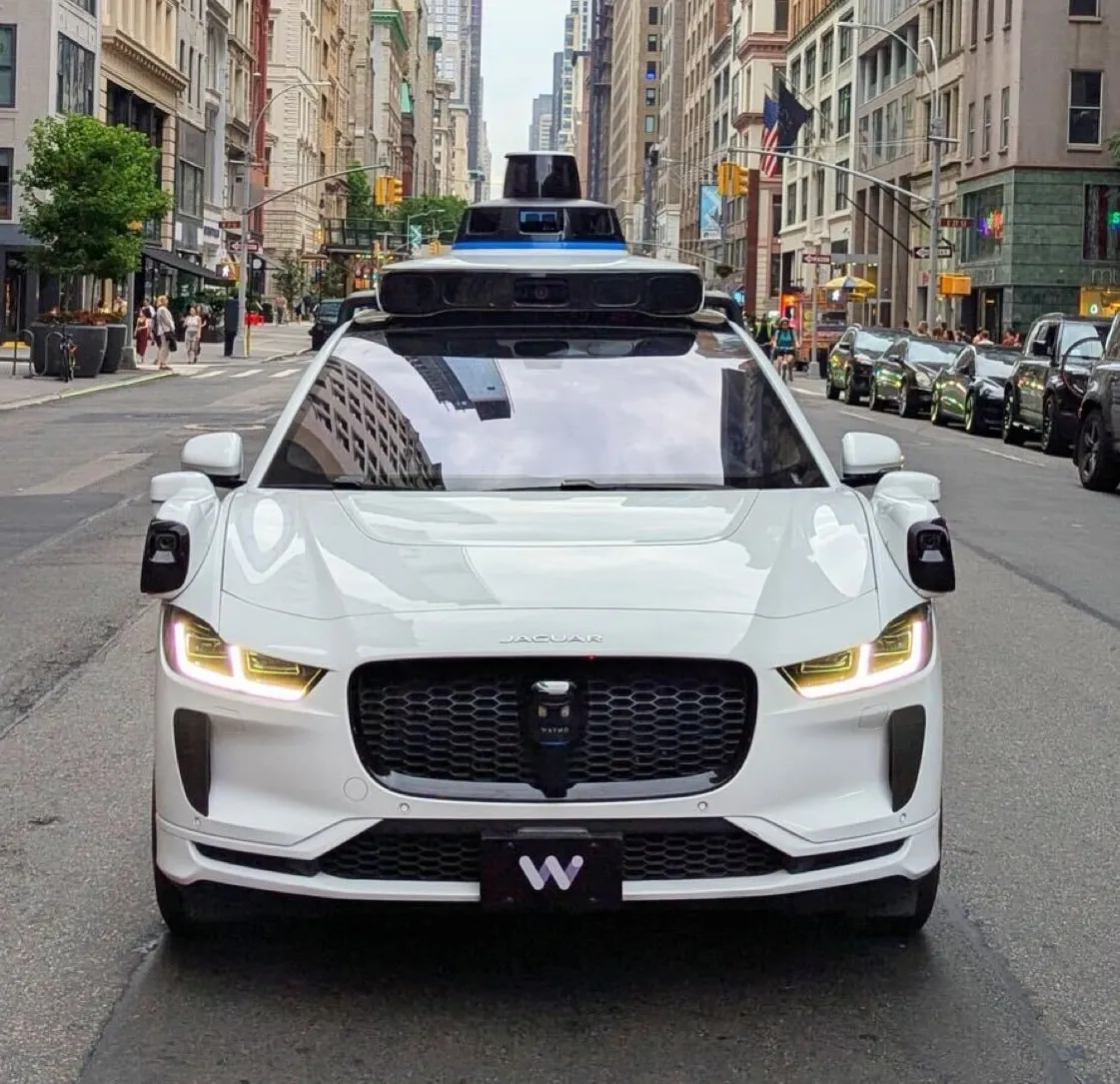
In a stark reminder of the disruptive wave of autonomous vehicle technology, the recent death of a beloved neighborhood bodega cat named Kit Kat in San Francisco’s Mission District has ignited a fierce debate about the safety, accountability, and societal implications of driverless cars. The incident involved a Waymo robotaxi that ran over the feline, prompting community protests, memorials, and calls for regulatory reevaluation. This event underscores the urgent need for robust safety protocols and local or regional oversight in the emerging era of autonomous mobility.

Waymo, a major player in the autonomous vehicle ecosystem and a symbol of disruption in transportation, responded cautiously, citing that the incident was caused by a cat “darting under our vehicle as it was pulling away.” This explanation, however, has not assuaged community concerns, especially as local officials like Jackie Fielder advocate for a voter referendum on autonomous vehicle deployment. Fielder argued that the lack of human accountability in these self-driving systems creates significant risks—particularly for vulnerable populations—and emphasizes that regulatory gaps could have dire consequences for society. Her stance highlights a broader industry challenge: balancing technological innovation with urban safety and community trust.

This incident serves as a wake-up call for industry leaders and investors alike, emphasizing the pressing need for technological innovation in safety features. Experts predict that the future of autonomous mobility will hinge on integrating advanced sensors, AI-driven behavioral analysis, and fail-safe mechanisms to minimize accidents and deaths — especially in densely populated urban environments. Industry analysts at Gartner warn that failure to addressing these issues rapidly could hinder mainstream adoption, risking a potential backlash from regulators and the public. Companies like Waymo and rivals must accelerate their push into Disruptive safety technologies, which could redefine the entire industry landscape and unlock new business markets by establishing AI ethic standards and regulatory compliance frameworks.

Looking ahead, the transformation of urban transportation through autonomous vehicles promises unparalleled opportunities for disrupting traditional traffic paradigms, reducing emissions, and enhancing mobility. Yet, the incident in San Francisco illuminates a need for urgent innovation – not just in AI capabilities but also in societal and regulatory adaptation. As Elon Musk and Peter Thiel have long predicted, the next decade will determine whether autonomous tech becomes a societal enabler or a flashpoint for conflict and risk. Industries and policymakers must act swiftly—harnessing the potential of breakthroughs like real-time AI safety monitoring and accountability mechanisms—to ensure that urban mobility evolves responsibly. The future of autonomous vehicles will be written on this battleground of trust, innovation, and governance, and it is clear that the stakes have never been higher.

TechCrunch Mobility: Bold Move, No Hostility – The Future of Mobility Looks Different

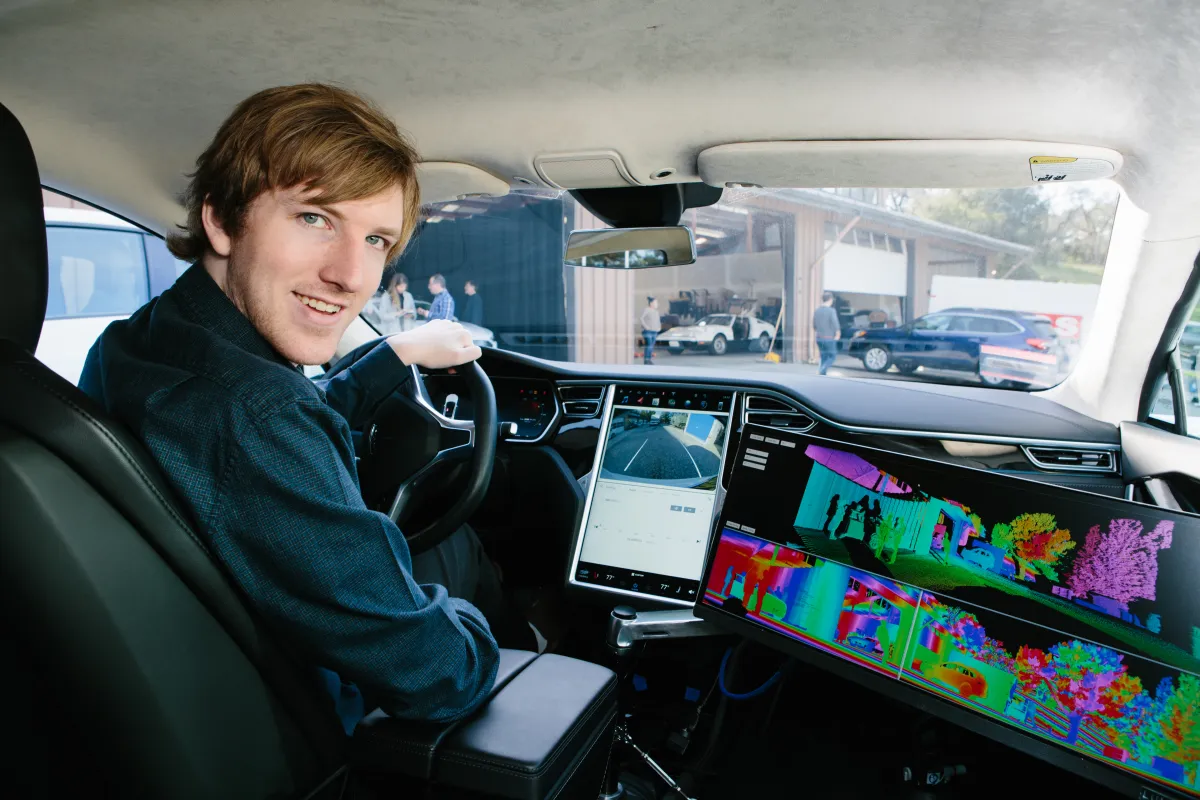
In the rapidly evolving landscape of transportation technology, autonomous vehicles (AVs) and electric mobility stand at the forefront of a disruptive wave that promises to overhaul traditional industry paradigms. Recent developments highlight how pioneering companies are leveraging breakthrough innovations to challenge incumbents and reshape economic opportunities. Notably, Luminar, a leader in lidar technology, is embroiled in a dramatic internal power struggle that could have far-reaching implications for the autonomous vehicle sector. The bid by Austin Russell, Luminar’s founder and former CEO, to acquire the company underscores an ongoing narrative of disruption from within, as visionary entrepreneurs seek to redefine competitive advantage amid tumultuous boardroom politics.

Russell’s return to the scene with a new venture, Russell AI Labs, signals a strategic pivot that could catalyze industry-wide innovation. The proposed bid involves acquiring or merging with other automotive tech entities, hinting at a broader trend of consolidation and diversification aimed at accelerating autonomous and sensor technology integration. This move coincides with key market shifts, as Gartner and other research institutions emphasize the importance of business model agility for AV success. Companies willing to disrupt entrenched supply chains and pivot toward value-driven services will dominate the next decade, with startups like Russell AI Labs poised to challenge established giants.

Simultaneously, the electric aviation sector exemplifies how disruption extends beyond ground mobility. Lilium, once considered a disruptor in vertical takeoff and landing (VTOL) aircraft, has transitioned its assets to Archer Aviation after ceasing operations. The acquisition of all 300 patents for €18 million underscores a strategic move driven by a desire to capitalize on legacy tech and optimize urban air mobility. While the industry is still embryonic, this deal exemplifies the potential for patent consolidation as a weapon against incumbent transportation giants, actively shaping urban mobility’s future.

  • Emerging startups like Airbound and Dexory are receiving significant funding—$8.65 million in seed capital and $165 million in Series C, respectively—highlighting investor confidence in automation and logistics innovation as markets mature and infrastructure demands escalate.
  • International expansion continues unabated, with Pony.ai and WeRide gaining regulatory approval to list on the Hong Kong Stock Exchange, signaling a burgeoning Chinese presence in global autonomous markets.

As the industry accelerates, *strategic partnerships* are becoming vital. Stellantis’ collaboration with Pony.ai aims to deploy robotaxis across Europe, threading together traditional automakers’ market reach with cutting-edge AV software—setting a precedent for legacy automakers to embrace disruption proactively. Meanwhile, automakers like Stellantis are reorienting their investment strategies; despite betting big on AVs, Stellantis plans to scale back electrification investments in favor of strengthening manufacturing capacity—highlighting a broader industry tension between supply chain resilience and innovation acceleration. Furthermore, companies like Waymo exemplify the trend of international expansion, with plans to operate robotaxi services in London, and strategic collaborations such as with DoorDash, to explore driverless delivery solutions—an indicator of the industry’s push toward multifaceted mobility ecosystems.

The future belongs to those who move fast and innovate relentlessly. With regulatory landscapes shifting rapidly, technological advances accelerating, and bold entrepreneurs pushing boundaries, the industry is poised for transformative change. Stakeholders who understand the importance of disruption, strategic agility, and disruptive business models will shape the mobility of tomorrow. The race is on, and incumbents who hesitate risk ceding their market dominance to new wave innovators. For investors, policymakers, and technologists alike, one thing is clear: the time to be bold and adapt is now. The next few years will define the trajectory of transport, and those who act decisively will reap the rewards in the decade ahead.

Social Media Auto Publish Powered By : XYZScripts.com