
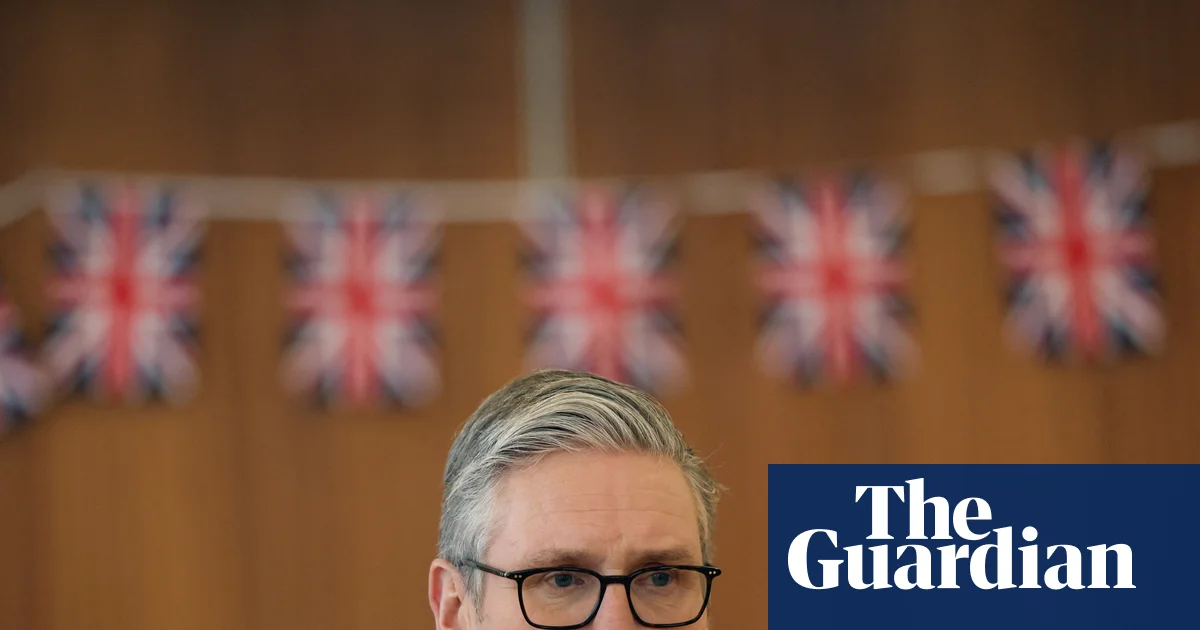

UK Leadership Crisis: The Fight for Political Survival in Westminster
The recent turmoil within the United Kingdom government exposes more than just internal party conflicts; it signals a broader geopolitical shift that reverberates far beyond the island nation’s shores. Focusing on Prime Minister Keir Starmer’s ongoing struggle to maintain authority, political analysts observe that his leadership’s fragility is emblematic of a wider crisis of confidence in Western political centers. As the opposition Labour Party confronts historic lows in polling and internal divisions, the international community risks underestimating the potential for this domestic upheaval to destabilize the UK’s role on the world stage.
This British political volatile environment follows a familiar pattern seen in recent history, where leadership challenges sprout amidst crises, yet often result in significant geopolitical consequences. Recall the fate of Boris Johnson, who faced mounting pressure from within his own ranks before ultimately resigning. Such shifts send ripples across the North Atlantic Treaty Organization (NATO), affecting the UK’s commitments and strategic posture. International diplomats and analysts warn that political infighting, particularly when driven by internal scandals or leadership doubts, could weaken the UK’s alliances and its capacity for global influence at a critical juncture, especially with tensions rising over Ukrainian security and Pacific alliances.
Significantly, the internal debates over the direction of Labour and the Conservative parties reflect deeper societal divisions rooted in economic dissatisfaction and generational shifts. As historians and policy analysts note, momentum for drastic political change often accelerates when governments appear disconnected from the core issues facing their populations. The upcoming byelection in Gorton and Denton on 26 February will serve as a barometer for public sentiment—a vote that could see Labour languishing in third place, risking further disillusionment. This electoral duel highlights how decisions within Westminsternot only determine domestic governance but also influence international perceptions of stability in an era marked by geopolitical unpredictability.
As international organizations monitor these developments, there is a consensus that the UK’s internal politics are a mirror for broader global uncertainties. Critics suggest that Starmer’s leadership may hinge on whether he manages to leverage this moment of crisis into a reset—a chance to reinvent Labour with a more progressive, globally aligned agenda. Yet, the potential for internal upheaval to spiral into wider instability remains real. Much like the collapsing dominoes of past geopolitical crises, the task ahead is fraught with risks—risks that could see the UK’s influence diminish if weak leadership persists.
Conclusion: History’s Unfolding Drama
With the shadows of opportunity and disaster converging in Westminster, the weight of history presses down on the present. The decisions made by UK politicians today will resonate through the corridors of power and shape the global order tomorrow. As the world watches, the question remains—not merely, “Is it over?” but whether this chapter will be remembered as the dawn of renewed strength or the twilight of a waning empire.





