Matox News

Truth Over Trends, always!

Robots with weapons hit the battlefield in Ukraine—showing innovative defense in action

In a decisive move that signifies a profound shift in the landscape of modern warfare, Ukraine has announced the deployment of armed robotic units on the battlefield against Russian forces. This development marks an unprecedented step in the ongoing conflict, reflecting Kyiv’s strategic adaptation to new technological frontiers and the increasing importance of unmanned combat systems in contemporary military doctrine. As conflicts increasingly intertwine with advancements in artificial intelligence and robotics, the outcome of this deployment could redefine power dynamics not only regionally but across the global geopolitical spectrum.

The Ukrainian government’s initiative signals a broader trend among nations with vested interests in technological superiority. According to defense analysts and military strategists, this move underscores a deliberate effort to minimize human casualties while maximizing operational efficiency. The use of armed drones and autonomous systems could serve as a force multiplier, allowing Ukrainian troops to target enemy formations with precision that diminishes the risks associated with traditional combat. However, such developments are not without controversy; they raise significant concerns over ethical standards, escalation risks, and the potential for unintended consequences. International organizations such as the United Nations have issued cautious statements, urging restraint and emphasizing the need for clear international regulations governing autonomous weapon systems.

The geopolitical impact of Ukraine’s decision resonates far beyond its borders. This technological leap could inspire other nations to accelerate their own military modernization programs, particularly in regions where ongoing conflicts threaten regional stability. Historically, the proliferation of autonomous weapons has been contentious, with critics warning against a future where machines could operate independently in lethal scenarios. Yet, proponents argue that such advancements are essential for maintaining strategic parity, especially against adversaries who continue to modernize their forces. These developments could provoke a new arms race, further complicating diplomatic negotiations and sowing seeds of instability in an already fragile international order.

As international institutions grapple with the implications of autonomous weaponry, a pivotal question emerges: how will the shift towards robotic warfare influence the fabric of society, sovereignty, and ethical warfare? Debates among historians and strategists emphasize that technology alone does not determine the outcome of conflicts; it is the underlying political will, public support, and adherence to international law that ultimately shape history. Looking ahead, the unfolding of Ukraine’s robotic battalions stands as a stark reminder that the course of geopolitics is often dictated by innovation—an ongoing saga where humanity teeters on the edge of a new frontier. As the world watches, the echoes of this bold step will reverberate through history, leaving future generations to grapple with the true meaning of victory and the cost of technological dominance.
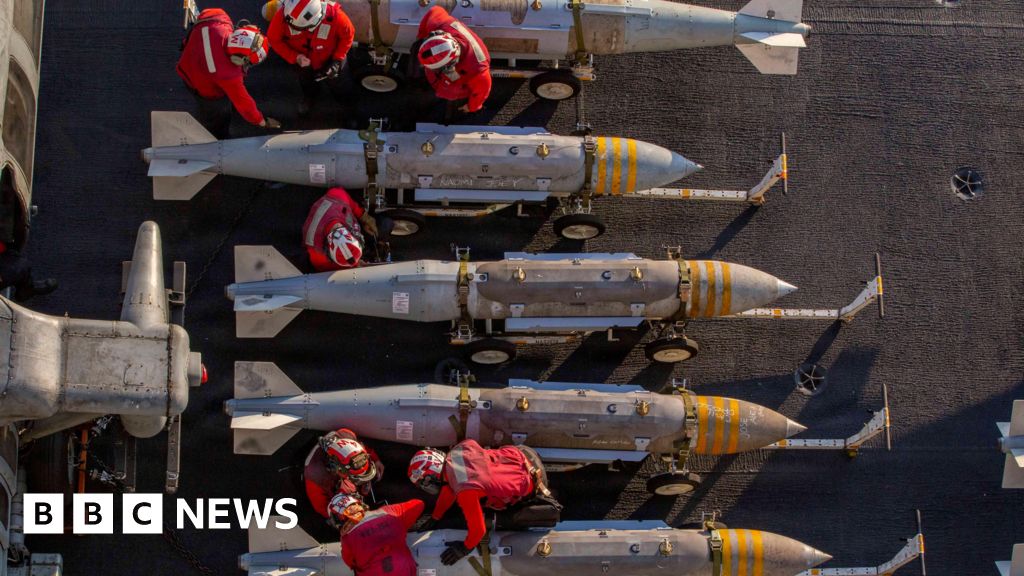

Depleted Weapons Stockpiles Could Threaten U.S. Stance in Iran Zone

As the world watches tensions escalate across several key regions, weapons stocks continue to emerge as a critical yet insufficient determinant of conflict outcomes. While many analysts acknowledge that military capability can shape battlefield success, the broader geopolitical landscape reveals a complex interplay of diplomacy, economic power, and strategic alliances. In this delicate balance, the capacity to mobilize and sustain armed forces often proves decisive, yet it is not the sole factor shaping history’s next chapter,

In recent developments, nations such as Russia, China, and the United States have increasingly prioritized the accumulation of weapons stockpiles as a demonstration of strength—perhaps more a signal to rivals than a prelude to war. However, according to international military analysts, including those at the Stockholm International Peace Research Institute (SIPRI), volume alone does not ensure military victory or deterrence. The state of preparedness, modernity of equipment, and logistical resilience in deploying these assets are equally crucial. This recognition underscores a nuanced reality: conflict is as much about strategic timing and diplomatic diplomacy as it is about the raw number of weapons possessed.

Furthermore, the international community’s response to ongoing conflicts remains shaped by a web of treaties, economic sanctions, and diplomatic efforts that often overshadow military stockpiles. Recent analyses by historians like Ferguson and global organizations such as the United Nations warn against overreliance on military buildup alone. Their assessments indicate that the true turning point in modern conflicts often hinges on international cooperation, information warfare, and economic resilience. For example, the persistent underfunding of diplomatic channels underlines a dangerous misconception: that guns can buy peace, or at least delay inevitable confrontations.

The geopolitical impact of these military strategies stretches beyond the battlefield. Nations are increasingly aware that stockpiling weapons impacts their relationships with allies and rivals alike, often leading to a security dilemma—where one country’s buildup compels neighbors to do the same, fueling an arms race that jeopardizes stability. How these decisions ripple through societies, influence public opinion, and shape future policy decisions remains a central concern for geopolitical analysts. This is especially true in regions where fragile political coalitions can be fractured by perceptions of insecurity or ambition.

As the weight of history presses on current leaders, the world faces a decisive moment: will military strength alone determine the future, or will diplomatic pursuits and economic agility forge a path toward stability? The answer remains elusive as history continues to be written. The siren call of military might is powerful, yet it is ultimately the complex web of international relations—woven with trust, diplomacy, and foresight—that determines the horizon. In this unfolding drama of power and peril, each decision echoes through the corridors of history, shaping generations yet unborn.

Anduril’s autonomous weapons face setbacks in tests and combat, WSJ reports

Anduril Industries’ Autonomous Weapons Systems Face Setbacks Amid Market Disruption

Anduril Industries, a pioneer in defense automation and autonomous weaponry, is navigating a turbulent period marked by significant testing failures and real-world deployment issues. Founded in 2017 by renowned entrepreneur Palmer Luckey, the company quickly ascended into the defense tech stratosphere, backed by notable investments such as the $2.5 billion Series funding led by Founders Fund. Its ambitious vision for disruptive military technology has captured the attention of government agencies and private investors alike, fueling a paradigm shift in modern warfare. However, recent reports from the WSJ expose critical setbacks that threaten to slow this rapid trajectory.

Technological Disruption Meets Reality Checks

Test data reveal that Anduril’s autonomous systems are currently struggling to meet the rigorous standards demanded by modern combat environments. During a Navy exercise off California in May, over a dozen drone boats malfunctioned, raising immediate safety concerns and risking personnel safety. Additionally, the company’s unmanned jet fighter, Fury, experienced a mechanical failure during a summer ground test which resulted in engine damage. These incidents highlight the daunting challenges faced when pushing the boundaries of autonomous weaponry, especially regarding safety, reliability, and operational readiness.

Furthermore, a significant failure involved the Anvil counterdrone system during an August test in Oregon that triggered a 22-acre fire. Such incidents underscore the unpredictable nature of cutting-edge military tech—paradoxically, the very innovations designed to disrupt traditional warfare are exposed to unpredictable risks that threaten to undermine their deployment. Despite these setbacks, many analysts note that the industry typically goes through growing pains as groundbreaking technologies mature. Yet, the pressure from government contracts, private funding, and geopolitical tensions accelerates the need for breakthroughs without tolerating prolonged development cycles.

Real-World Deployment and Industry Implications

Beyond testing failures, Anduril’s operational experience in Ukraine reveals additional hurdles in battlefield validation. Ukrainian security forces reported that Altius loitering drones repeatedly crashed or failed to hit targets, leading to the cessation of drone deployment in the region. While Anduril maintains that these issues are “typical in weapons development” and emphasizes ongoing engineering progress, the setbacks highlight the critical challenge of translating innovation into battlefield resilience. Such setbacks could prompt military clients to exercise caution, potentially impacting future contract awards and the broader commercial viability of autonomous systems.

The disruptive potential of autonomous defense technology remains immense, with firms like Anduril spearheading a second-wave of militarized innovation. Sector leaders and analysts, such as Gartner and MIT experts, emphasize that the pace of technological disruption will intensify—if these systems can overcome reliability issues.

  • Autonomous systems are poised to redefine modern combat with faster, more lethal, and cost-efficient solutions.
  • Successful deployment could solidify new industry standards and create a rapid influx of advanced government contracts.
  • However, unresolved safety and reliability issues pose significant risks that could delay broad adoption and trigger regulatory scrutiny.

The Road Ahead: Innovation, Risks, and Urgency

As the defense industry accelerates toward a future of autonomous warfare, the urgency for technological refinement becomes unmistakable. Disruption is inevitable in this high-stakes arena, but the pathway to reliable and safe solutions remains narrow and fraught with obstacles. Companies like Anduril are at the forefront, exemplifying the explosive growth and associated risks inherent in military innovation. Industry watchers must stay vigilant, recognizing that the breakthrough moment hinges on resolving current failures and demonstrating battlefield resilience. The coming years will determine whether this new era of warfare innovation can transition from promising prototypes to operational supremacy, or whether ongoing setbacks will slow the disruptive revolution that is transforming the modern battlefield.

Rubio Urges Global Action to Halt Weapons Flow to RSF

In the shadowy corridors of international diplomacy, Sudan has again become a focal point of global concern, revealing how fragile peace can be amidst the relentless tug-of-war for influence. The ongoing conflict between the Sudanese army and the paramilitary Rapid Support Forces (RSF) has spiraled into what the United States and humanitarian groups increasingly describe as a systematic genocide. As fighting persists, especially in the western region of Darfur, the crisis underscores a broader geopolitical chess game involving regional and international powers, with horrific consequences for the civilian populations caught in its crossfire.

During the recent G7 foreign ministers meeting in Canada, US Secretary of State Marco Rubio issued an urgent call for action, condemning the RSF for their brutal atrocities, including mass murders, sexual violence, and ethnic targeting. “It needs to end immediately,” Rubio insisted, emphasizing that the RSF’s violence is not the result of rogue elements but a calculated campaign of systematic brutality. The US has been vocal about the flow of illicit arms fueling the conflict, with evidence pointing toward weapons manufactured in countries such as Russia, China, and Turkey. More troubling still is the role of the UAE, which Sudanese officials and investigative reports identify as a principal backer of the RSF, providing weapons and mercenaries through supposed regional channels. Despite repeated denials from Abu Dhabi, these allegations cast a long shadow over the Gulf state’s intentions, positioning it as a key player in the ongoing bloodshed.

This geopolitical entanglement raises profound questions about international accountability and the balance of influence in Northern Africa. The “Quad” — comprising the United States, Egypt, Saudi Arabia, and the UAE — has been endeavoring to broker peace, proposing a three-month humanitarian truce that has yet to see meaningful compliance. The RSF, having seized control of the city of el-Fasher after an 18-month siege, claims it is willing to consider the ceasefire, yet fighting continues unabated. As the United Nations and international analysts warn about the escalating humanitarian catastrophe, the question remains whether diplomacy can stem the tide of violence, or whether these complex alliances will deepen Sudan’s suffering. The United Nations has long imposed arms embargoes on Darfur, yet the smuggling routes continue to funnel weapons into conflict zones under the radar of global oversight, further entrenching the chaos.

Historians and security analysts emphasize that the Sudanese tragedy is emblematic of modern conflicts where external support and illicit networks sustain internecine wars beyond civil strife. As “one of the largest humanitarian crises of our time” unfolds, the risk of regional destabilization grows. More than 150,000 lives have already been lost, with millions displaced, making Sudan a stark reminder that the decisions of powerful nations ripple outward, shaping societies for generations to come. The international community stands at a crossroads: to act decisively and restore some semblance of order, or to watch as history’s darkest chapters are inked into the region’s collective memory. The weight of history is heavy, and the unfolding story of Sudan’s war may yet redefine the geopolitical landscape for years — perhaps decades — to come.

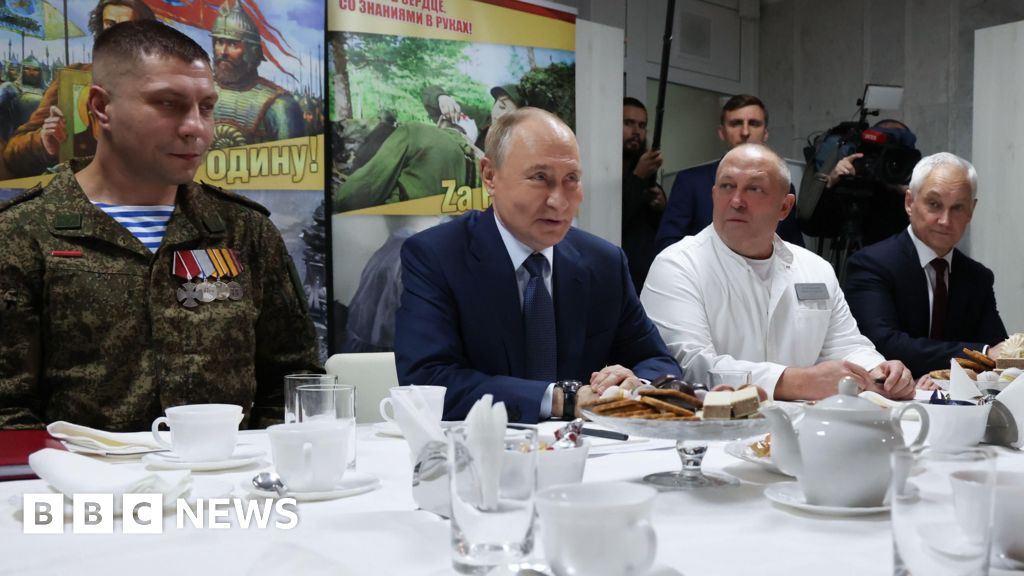
Are Russia’s new nuclear weapons real or just Putin’s bluster?

The recent series of military tests conducted by Russia signals a renewed push by Moscow to project strength amid mounting international tensions. President Vladimir Putin publicly announced the testing of advanced weaponry—namely the Poseidon underwater drone and the Burevestnik nuclear-powered cruise missile—just days apart, a move that analysts interpret as both showcasing technological prowess and strategic signaling. While Russia’s officials tout these weapons as “unmatched in the world,” experts like Mark Galeotti warn that the true military value remains uncertain. Historically, these claims dovetail with Russia’s broader doctrine of deterrence, emphasizing second-strike capabilities designed to uphold Moscow’s strategic ambiguity while testing Western resolve.

From a geopolitical impact perspective, these weapon tests come at a critical juncture. The timing—soon after tentative efforts by U.S. President Donald Trump to de-escalate the Ukraine conflict—appears deliberate. International organizations and security analysts suggest that Moscow’s gambit is meant to remind the West of Russia’s emerging military might, particularly in an era where conventional forces are under strain in Ukraine.

  • Since 2018, Russia has emphasized these weapons as “invincible,” yet their actual operational viability has been questioned, especially after catastrophic failures like the 2019 rocket engine explosion that claimed lives of nuclear engineers.

Despite claims of technological superiority, experts caution that the real capacity of these weapons remains uncertain, mirroring the ambiguity in Moscow’s broader military posture.

Meanwhile, the United States’s response has been notably restrained, with recent developments marking a strategic recalibration. The cancellation of a planned summit between President Trump and President Putin, combined with new sanctions on Russian oil giants, signals Washington’s frustration and wariness. U.S. officials have begun to, explicitly or covertly, prepare for a renewed nuclear arms race, with Trump justified resuming nuclear weapons testing as a means to maintain parity—an alarming sign of escalating tensions. On the international stage, NATO and global security think tanks warn that such displays deepen the risk of miscalculation, as Russia’s provocative tests seem designed not just for technological display but also to bluff against what it perceives as Western hesitation.

This escalation is further compounded by Russia’s strategic stance amidst a muddled battlefield in Ukraine. As David Heathcote of McKenzie Intelligence Services notes, the lackluster performance of Russian conventional forces has prompted Moscow to resort to “overexaggerated sabre rattling,” a bid to inflate its strategic importance while masking vulnerabilities. The announcements about these advanced weapons thus seem to serve a dual purpose: bolstering domestic morale and enticing international allies or adversaries into underestimating Moscow’s true military readiness. As history charts the course of nuclear proliferation, the world now stands at a critical crossroads—where each test, each declaration, shapes the fragile fabric of global security, leaving the future unsettled and the shadows of war looming larger than ever.

Social Media Auto Publish Powered By : XYZScripts.com