Matox News

Truth Over Trends, always!

Group presses forward with legal challenge against South West Water sewage pollution

In a revealing sign of the rising environmental consciousness among grassroots communities, a legal claim against South West Water has extended across the Devon and Cornwall coastlines, reflecting broader societal frustrations over government and corporate accountability in environmental stewardship. Initially confined to Exmouth, the group legal action now spans towns like Dawlish, Sidmouth, Teignmouth, and Cornwall’s renowned beaches, including Newquay and Penzance. This movement underscores a fundamental shift: ordinary citizens are not willing to accept systemic pollution and neglect, especially when it directly harms their health, livelihoods, and natural heritage. Analysts suggest that this grassroots mobilization could serve as a bellwether for similar movements across Europe, where local populations increasingly demand accountability from authorities and corporations over environmental degradation.

The core of the dispute revolves around the ongoing discharge of raw sewage into cherished coastal waters—an issue that has sparked outrage among residents. According to Leigh Day, a prominent law firm specializing in environmental justice, the claim now includes more than 1,400 individuals impacted by South West Water’s alleged failings. Tina Naldrett, a 62-year-old nurse from Dawlish, vividly captured the emotional toll: “The sea is our heritage and sanctuary, yet I see sanitary products, plastic debris, and foam of effluent floating past—more often than not. Water companies do not own the seas; they are stewards of a shared natural resource, and their actions betray a moral and ethical bankruptcy.” When communities witness the continued pollution, especially during the summer months with beach closures and health warnings, it only fuels the perception that corporate interests supersede ecological sustainability and community welfare.

The criminality of these acts is reinforced by official reports from Ofwat, which in 2024 issued a £24 million enforcement penalty against South West Water. An investigation revealed systemic failures dating back to 2017—failings that have resulted in over half of the company’s treatment plants spilling raw sewage into the environment regularly. The length of 544,429 hours of discharge in just that year alone signifies a disturbing trend: the continued prioritization of cost-cutting and convenience over environmental health and public safety. Experts like environmental historians warn that such incidents reflect broader patterns of regulatory negligence and corporate complacency, which threaten to water down the very safeguards meant to protect natural ecosystems and human communities.

  • The legal action highlights the widespread violation of regulations concerning storm overflows, which should only be used during extraordinary weather events but are reportedly deployed excessively—especially during rainfalls when systems are overwhelmed.
  • The impact extends beyond environmental concerns, disrupting local economies reliant on tourism and recreation, and raising questions about the effectiveness of current environmental frameworks in holding corporations accountable.
  • Community voices, represented by campaigners like Oliver Holland, emphasize that these legal actions are crucial in empowering citizens to push for tangible change and to hold polluters responsible for years of neglect.

As international observers peer into this unfolding domestic crisis, many see it as a microcosm of larger trends in governance, corporate ethics, and civil activism. Historians of environmental law warn that ignoring these grassroots demands risks a future where the natural world is irreparably damaged, and societal trust erodes further. The ripple effects could extend beyond Britain, influencing global debates on corporate responsibility and environmental justice. What is at stake is nothing less than the legacy we leave behind—a question of whether communities will stand together to reclaim their shared inheritance or capitulate to a system that values profit over preservation. As the tides of change rise, the outcome remains uncertain, yet the story of a society grappling with its obligations to nature and future generations continues to unfold with relentless urgency, leaving an indelible mark on history’s scrolls.

Zimbabwe vs. West Indies 2026 Live Stream: Catch the T20 World Cup Action for Free!

In recent years, a paradigm shift in how young audiences consume sports has been underway, driven by the proliferation of digital platforms and innovative streaming technologies. The 2026 T20 World Cup exemplifies this wave, offering live streams of matches like Zimbabwe vs. West Indies for free via ICC.TV. This move toward free access has disrupted traditional broadcast models, making high-stakes sporting events more accessible than ever and fueling a surge in viewer engagement among youth who prefer digital over cable. Influencers and social media analysts emphasize that this democratization of content aligns remarkably well with the social habits and technological fluency of today’s generation.

The cultural impact is profound. As media scholars highlight, this shift isn’t just about convenience; it’s redefining the social relevance of sports as a unifying cultural activity. No longer confined to TV screens or expensive subscriptions, young fans across the globe can now tap into live action with a few clicks, often through VPNs to bypass geo-restrictions. This technological democratization has sparked a sense of ownership and participation, turning casual viewers into active supporters. The result? A more inclusive, youth-centered sports culture that champions accessibility and instant gratification, driven by a generation that values \”instant access\” as an extension of their lifestyle.

Major brands and platforms are responding to this cultural shift by integrating social media, mobile streams, and VPN seamlessly into the viewing experience. For instance, ExpressVPN and other providers are now talked about in the same breath as sports fans, as they empower viewers to bypass regional restrictions and access premium content from anywhere. Analysts argue that this convergence of tech and entertainment is transforming not only how we watch but what sports mean socially. Influencers, especially those with millions of followers, are fueling the viral nature of this trend by sharing tutorials, reviews, and hype around exclusive streams, turning digital platforms into the new stadiums for youth engagement.

As the 2026 T20 World Cup demonstrates, this rapid evolution raises an intriguing question about the next frontier of sports consumption. If access becomes increasingly free and personalized through technology, will traditional broadcasting models survive, or are we headed toward an era where digital native platforms completely reshape the sports industry? The answer might lie in how society continues to embrace individualized digital experiences and whether the social fabric woven by shared athletic moments shifts to a more decentralized, on-demand ecosystem. The future of sports consumption — seemingly as fluid as the games themselves — is one to keep a close eye on.

Palestinian-American family calls for justice after West Bank killing

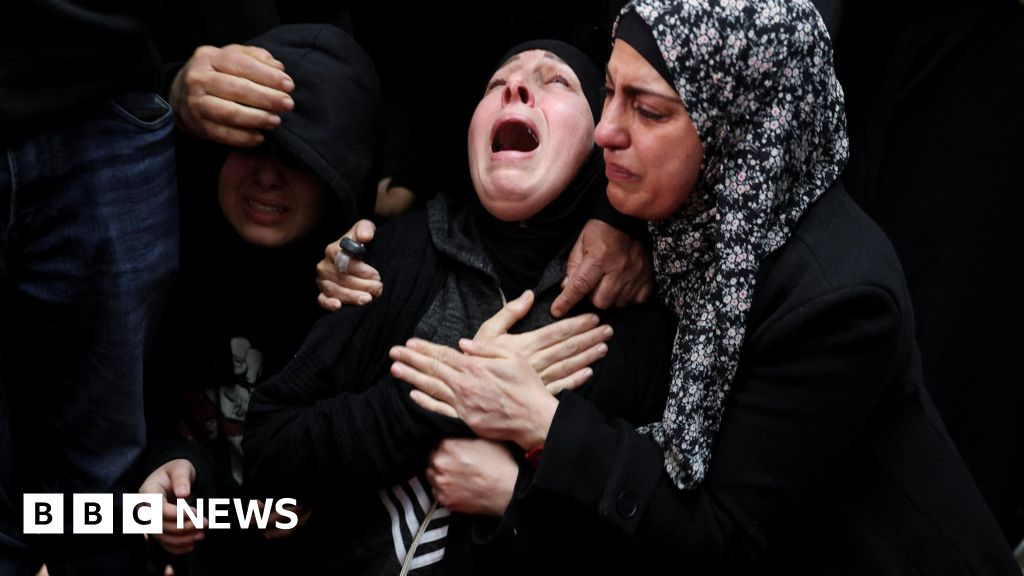
In a troubling development that underscores the persistent volatility in the West Bank, Nasrallah Abu Siyam has become the sixth American citizen to be killed by Israeli settlers or soldiers within the past two years. This tragic event not only highlights the ongoing human toll in the region but also amplifies the geopolitical tensions that continue to shape international discourse and policy. As analysts and international organizations examine this devastating trend, the question arises: what does this portend for Middle East stability and for the United States’ role in U.S.-Israel relations?

The West Bank remains a symbol of protracted conflict, where decades of unresolved disputes over land, sovereignty, and security have resulted in recurrent violence. The incident involving Nasrallah Abu Siyam exemplifies the dangerous complexities at play, where diplomatic efforts often seem gridlocked amid rising tensions. Historically, U.S. policy has oscillated between supporting Israel’s security concerns and advocating for Palestinian rights, yet the recent uptick in violence reveals the fragility of this balancing act. Experts like geopolitical analyst Dr. Emily Carter emphasize that the continuous loss of American lives, especially in a region where American influence is both strategic and moral, exacerbates pressure on U.S. foreign policy and internal political dynamics.

Furthermore, the international community has expressed alarm over these fatalities. The United Nations and European Union have called for renewed dialogue, but reality shows that diplomatic pathways remain blocked by entrenched positions and regional power struggles. This violence is symptomatic of deeper issues, including the expansion of settlements and the persistent inability to implement a comprehensive peace agreement. As Middle East experts warn, each incident like the death of Abu Siyam not only fuels local resentment but also complicates the international effort to bring stability and peace to the region.

From a broad geopolitical impact perspective, these recurring tragedies feed into a narrative of disorder that affects all nations involved—further entrenching divisions, impeding cooperation, and risking broader regional escalation. Nations across the globe are forced to navigate the fallout, which includes rising anti-American sentiments in some quarters and increased pressures on U.S. policymakers to take decisive action. As historians observe, moments like these serve as stark reminders that conflicts rooted in history are often perpetuated by cycles of violence and contested narratives—each one shaping the course of history whether forward or backward. The death of Nasrallah Abu Siyam marks a grievous chapter in this ongoing story, with the echoes of injustice resonating far beyond the borderlines of the West Bank.

As we stand on the precipice of further escalation or potential peace, the weight of history presses heavily. The choices made today in response to such tragedies could either open pathways toward reconciliation or reaffirm the wider forces of chaos and division. With each life lost, the hope for resolving this enduring conflict dims — yet it remains, perhaps, the most urgent challenge of our era. In the shadow of conflict, history continues to unfold, recording the moments when nations either forge a better future or condemn generations to repeating the mistakes of the past.

Palestinian-American teen imprisoned in Israel for 9 months finally released in West Bank

In a recent development that echoes across the geopolitical landscape, Mohammed Ibrahim, a 16-year-old Palestinian-American citizen, was released after nine months of detention in Israeli custody. The young teenager’s ordeal, which captured worldwide attention, underscores the ongoing controversies surrounding Israel’s treatment of Palestinian minors in military courts. Ibrahim’s case not only highlights alleged human rights violations but also signals the fragile state of U.S.-Israel relations, especially when American citizens are caught in the crossfire of regional conflicts. International organizations, including UN human rights agencies and various civil rights groups, have long condemned the systematic prosecution of Palestinian minors, which places Israel under increasing scrutiny for its military justice practices.

This incident arrives at a time of escalating tensions and international debates focused on the treatment of Palestinians under occupation. According to reports from B’Tselem and Defense for Children International-Palestine, hundreds of Palestinian children remain detained by Israeli forces, often subjected to harsh conditions, inadequate nutrition, and limited contact with their families. As of September, approximately 350 minors were in military detention, with allegations of abuses ranging from forced confessions to inhumane treatment. The case of Ibrahim, who lost a quarter of his body weight and contracted scabies, exemplifies the ongoing issues of military justice and human rights violations that continue to stain Israel’s image on the world stage. Critics argue that such practices threaten to undermine the legal norms espoused by democratic standards and fuel international divisions.

Notably, prominent American politicians, including Senators Bernie Sanders and Elizabeth Warren, along with over 100 human rights organizations, have demanded the U.S. government intervene to secure Ibrahim’s release. The U.S. State Department officially became involved when it appointed a dedicated officer to handle the case, reflecting mounting concern over the treatment of American citizens abroad. Yet, the broader geopolitical impact extends beyond individual cases. Many analysts view these incidents as symbols of a deeper conflict—a clash between Israel’s security policies and international calls for accountability. History advises caution, emphasizing that overlooking such abuses risks fostering further resentment and instability in one of the most volatile regions in the world. Furthermore, the international community remains divided, with some nations backing Israel’s security concerns, while others advocate for stronger adherence to human rights standards. Recognized voices like those from Amnesty International warn that ignoring abuses against minors could eventually catalyze wider movements against occupation policies, altering the continent’s geopolitical balance.

The incident involving Ibrahim is more than a mere isolated event; it amplifies the ongoing debate surrounding regional stability, human rights, and international law. The recent cases serve as stark reminders that, amid shifting alliances and renewed geopolitical rivalries, the unresolved Israeli-Palestinian conflict continues to echo with profound consequences. In the grand narrative of history, decisions made here—be it on military justice, human rights, or diplomatic engagement—will shape the future for generations to come. As the world watches, the question remains: will diplomacy and justice prevail, or will history record another chapter filled with injustice and lost opportunities? The weight of these choices bears heavily on the collective conscience, for it is in these moments that the course of history is truly decided.

West Overlooking Key Sanctions That Could Hit Russia’s War Effort

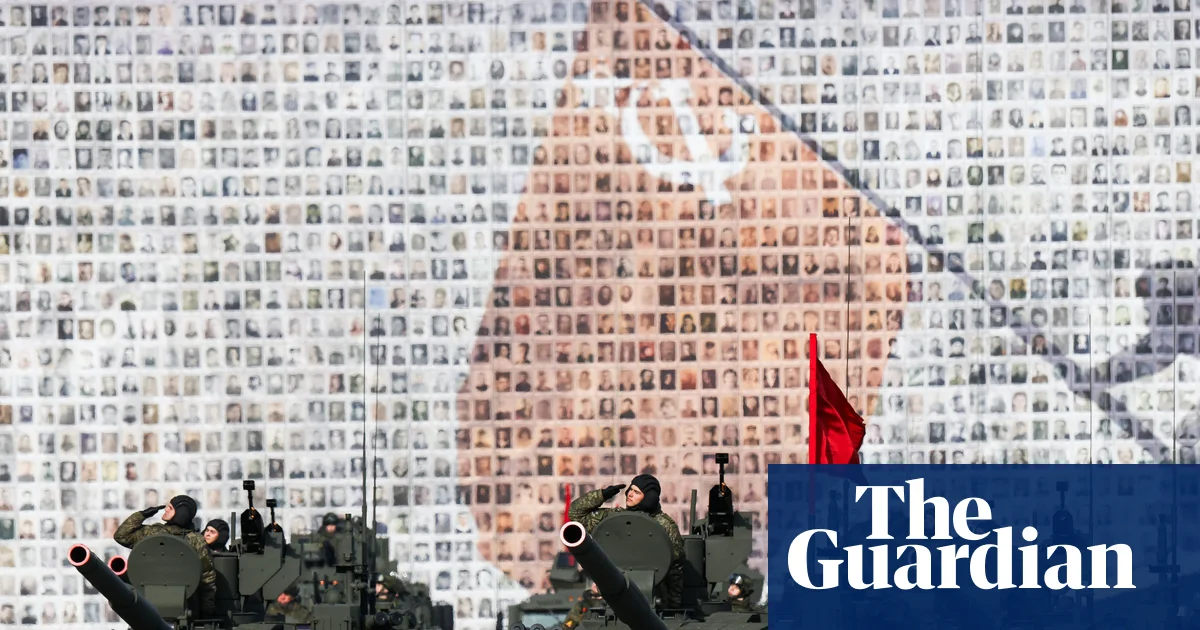
In the ongoing geopolitical struggle surrounding Russia‘s invasion of Ukraine, Western powers continue to adapt their strategies to weaken Moscow’s military and economic capabilities. A recent report by the civil society group Dekleptocracy reveals a series of obscure but potentially devastating vulnerabilities within Russia’s war economy, which could be exploited to further diminish its capacity to sustain the conflict. While previous sanctions targeted Russia’s oil industry, banking sector, and military supply chains, these new findings identify critical chemical dependencies that threaten to disrupt key elements of Russia’s military infrastructure. The analysis underscores how geopolitical decisions impact not just power balances but the very fabric of society within Russia, as shortages in specialized chemicals could lead to logistics failures, reducing its operational effectiveness.

The report emphasizes that the supply chain for specialized chemicals used in manufacturing military-grade tyres and mechanical lubricants remains vulnerable. Despite Russia’s economic resilience, it lacks robust domestic production of these lesser-known yet vital chemicals. For instance, Chinese firm Xinxiang Richful, which supplies up to eight million kilograms of lubricant additives annually, has recently established operations in Virginia, risking U.S. sanctions that could choke off its supply. Experts warn that constraining such suppliers would create immediate mechanical shortages among the Russian military and civilian sectors, ultimately impairing logistical operations. In the words of Tom Keatinge, director at the Royal United Services Institute, “as long as Russia continues procuring essential components for its military, sanctions must evolve and tighten to remain effective.”

However, the challenge extends beyond targeting supplier entities; enforcement of secondary sanctions remains a critical concern. While recent measures have hit major oil producers like Rosneft and Lukoil, gaps in enforcement allow Russia to circumvent restrictions through third-party intermediaries. Keatinge notes that “a successful sanctions regime relies not only on the identification of targets but also on diligent enforcement”—a point that underscores the importance of international cooperation. These measures aim to deny Russia the means to sustain its war effort, but without persistent vigilance, the regime risks unraveling as black markets and illicit procurement networks flourish.

This layered approach to sanctions reflects a broader understanding of Russia’s economic vulnerabilities, which extend into chemical production and other critical sectors. Historians and analysts agree that leveraging these weaknesses could tilt the scales of the conflict. As DeKleptocracy collaborates with agencies like the Biden administration and Ukrainian groups, the strategic goal becomes clear: identify and exploit every fissure within Russia’s supply chain that could hamper its military machine. While Russia boasts a formidable oil industry, the nation’s inability to produce many of the specialized chemicals domestically exposes a chokepoint—a vulnerability that could have long-term consequences for its warfighting capabilities.

Ultimately, these efforts highlight a fundamental truth of modern warfare: victory is increasingly shaped in the shadows of global trade and economic policy. As the weight of history continues to build and shift—every decision to impose, enforce, or relax sanctions—the fate of nations remains intertwined with unseen technical vulnerabilities and strategic oversight. With each targeted disruption, the world edges closer to a new chapter in the ongoing cold confrontation, a chapter written not just in the language of tanks and missiles but in the delicate chemistry of global supply chains. The question remains whether the West’s relentless pressure will succeed in trimming the roots of Russia’s war machine before it’s too late—an epic struggle where every chemical molecule, every sanction, and every policy decision shapes the course of history.

Controversy in Nigeria: Clash Over Benin Bronzes at West African Art Museum

Geopolitical Tensions Escalate as Nigeria’s New Museum of West African Art Becomes a Political Battleground

In a dramatic turn of events, Nigeria’s quest to establish a world-class cultural institution has been marred by intense local political rivalry and unresolved historical grievances. The Mowaa project, a sprawling six-hectare museum in Benin City, intended to showcase West Africa’s rich artistic heritage—including the prized Benin Bronzes—was set to inaugurate a new chapter in Nigeria’s cultural renaissance. Designed by renowned architect Sir David Adjaye, the museum aimed to rival global institutions and reassert regional pride. But the ambitious project faced immediate opposition, reflecting deeper conflicts rooted in history, power, and identity that continue to ripple across Nigeria’s socio-political landscape.

As Mowaa within moments of preparing for its grand opening, protesters stormed the campus demanding it be rebranded as the Benin Royal Museum and placed directly under traditional custodianship of the Oba of Benin. The row highlights a simmering debate about ownership and restitution of Africa’s most treasured artifacts—the Benin Bronzes—looted in 1897 during British colonial expeditions. While international museums such as the British Museum and the Berlin Humboldt Forum have tantalizingly returned some pieces, the core debate persists: Should these artifacts remain in Western institutions or be repatriated to Nigeria? The controversy is not merely about artifacts but touches on national identity, sovereignty, and historical justice. Historians and cultural analysts warn this dispute could further complicate ongoing efforts to restore Africa’s stolen cultural heritage.

Politics, Power, and Cultural Legacy in Nigeria

The political impetus behind the backlash stems from internal power struggles, with local elites vying for control over cultural symbols. The recent upheaval traces back to a conflict between the administration of Nigeria’s current governor—aligned with traditional authority figures—and former political allies. The protesters, many driven by historic loyalty to the Oba and regional rivalries, demanded that the museum be under royal authority, echoing the ancient prestige of the Benin Kingdom. Such tensions exemplify how cultural heritage has become a battleground for broader political authority, with historians noting that this rivalry mirrors Nigeria’s persistent struggles with governance, legacy, and decentralization.

Despite diplomatic efforts by President Bola Tinubu to quell the unrest and preserve Nigeria’s global image, the crisis reveals wider geopolitical implications. The focus on indigenous control over cultural patrimony ties into a larger narrative of decolonization and sovereignty that many African nations are eager to champion. Yet, Western museums remain cautious, citing concerns over the conservation and legal ownership of looted artifacts. The ongoing debate about who should hold the Benin Bronzes threatens to derail Nigeria’s diplomatic push for restitution and complicates international collaborations aimed at cultural repatriation, as highlighted by both regional officials and global institutions.

The Future of Africa’s Artistic Heritage and Identity

Amidst controversy, Nigerian artists and cultural leaders advocate for a new vision—one where contemporary African creativity stands at the heart of national identity. The museum’s broader mission now emphasizes fostering a creative ecosystem that includes film, music, fashion, and visual arts, transcending debates over relics and focusing on living, breathing culture. Prominent artist Yinka Shonibare’s thought-provoking installation, Monument to the Restitution of the Mind and Soul, featuring replicas of the bronzes in clay, symbolizes Africa’s spiritual connection and mourning for its lost treasures. His work underscores a vital theme: how nations can reconcile history with modern identity and reimagine their cultural narrative without losing touch with the past.

As Nigeria grapples with these issues, the Mowaa project symbolizes hope for a future where African voices shape their history and legacy. But the shadows of colonialism, political rivalry, and cultural custodianship loom large, reminding the world that this is not just about art—it is about the soul of a continent still fighting to define itself in the face of history’s forces.

In the unfolding story of Nigeria’s cultural renaissance, the weight of history hangs heavy. The battle for the Benin Bronzes* and the soul of Nigeria’s societal identity continues to evolve. Will this chapter mark a victory for sovereignty and cultural dignity, or will it be yet another lost opportunity amid political strife and international indecision? As history watches silently, the echoes of ancient brass and modern ambition forge an uncertain path forward—an enduring reminder that Africa’s story is still very much being written.

Edo Youths Rally Against New West African Art Hub in Bold Protest

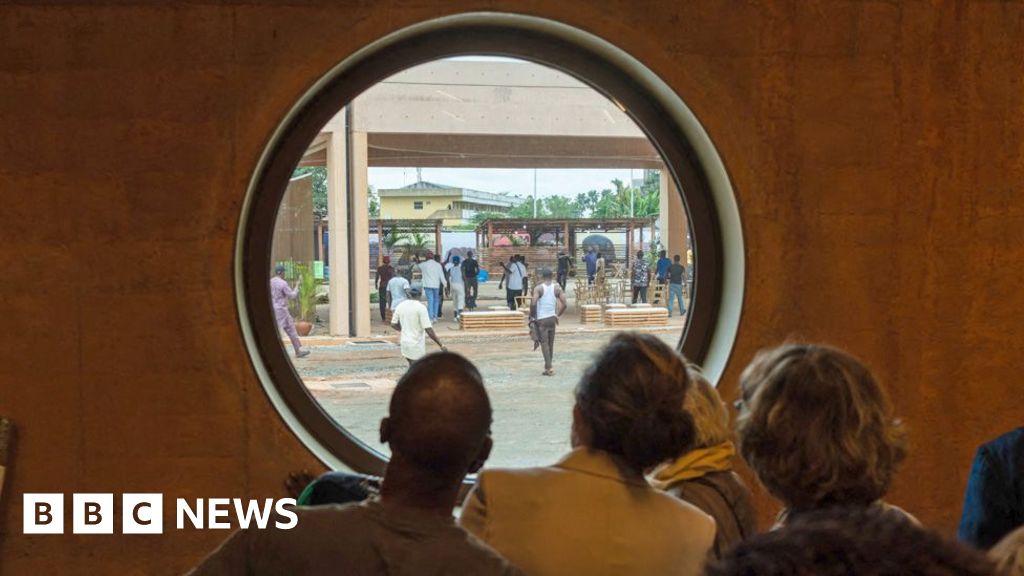
In a development that underscores the persistent tensions between cultural sovereignty and global prestige, Nigeria has faced a disruptive protest at its recently inaugurated Museum of West African Art (Mowaa) in Benin City. The museum, a $25 million (£19m) project designed by renowned British-Ghanaian architect David Adjaye, was intended as a hub for contemporary and historical West African art. However, its launch has been marred by unrest that highlights deeper undercurrents of cultural identity, national pride, and historical claims. Protesters, driven by feelings that the museum is a form of cultural hijacking, forced postponement of its opening and engaged in insulting foreign visitors, revealing underlying domestic discontent regarding cultural patrimony and governance.

This incident is not an isolated event but a strategic flashpoint within the broader dispute over ownership of the Benin Bronzes. These priceless artifacts, looted during British military incursions in the 19th century, have long symbolized colonial exploitation and the ongoing debate over rightful restitution. While the museum’s leadership clarified that they never claimed the Bronzes and focus primarily on modern and contemporary art, the controversy underscores the sensitive nature of cultural symbols in Nigeria’s national consciousness. As historians and analysts interpret these events, they emphasize how cultural controversies fuel *resentment and political leverage*, influencing Nigeria’s internal stability and its diplomatic posture on reparations and cultural sovereignty. The protests reflect a broader dangerous shift: from colonial legacy to sovereign identity, where control over cultural heritage becomes a vital aspect of national legitimacy.

The controversy extends into the realm of political influence and how decisions on cultural institutions impact societal unity. Critics argue that the museum’s development has been hijacked by political actors, with residents claiming that the project’s current trajectory sidesteps local traditions and authority. The Nigerian government, along with traditional rulers—particularly the Oba of Benin—has expressed dissatisfaction, viewing the museum as a symbol of erosion of their cultural authority. The museum’s independent and non-profit status, along with its broad regional scope, has sparked accusations of external interference and a neglect of Benin’s unique heritage. International organizations have weighed in, with some urging Nigeria to prioritize dialogue and respectful reconciliation, recognizing that these conflicts threaten not just cultural preservation but also regional stability. As one prominent analyst notes, “The battle over these artifacts and institutions is ultimately a struggle for national sovereignty.”

As the shadows of history stretch long over Nigeria’s future, the clash at Mowaa serves as a stark reminder of how cultural disputes are intertwined with geopolitics, colonial legacies, and national identity. The unrest signals a possible turning point—where the struggle for control over cultural symbols could either forge a stronger self-determined nation or deepen fissures that threaten regional stability. The weight of these unresolved conflicts hangs heavy, as history continues to unfold on the fragile stage of Nigeria’s evolving narrative—a testament to the fact that nations are often defined as much by their internal struggles as by their place in the international order, and that the outcome of this cultural war could reverberate far beyond Benin City. In the face of ongoing tension, the world remains watchful, knowing that history is at a crossroads—an uncertain path toward either reconciliation or further division.

Mine blast at Cobar claims two lives — a tragic blow to our far west communities

Tragedy Strikes In Australia: Deadly Mine Explosion Raises Safety Concerns and Geopolitical Implications

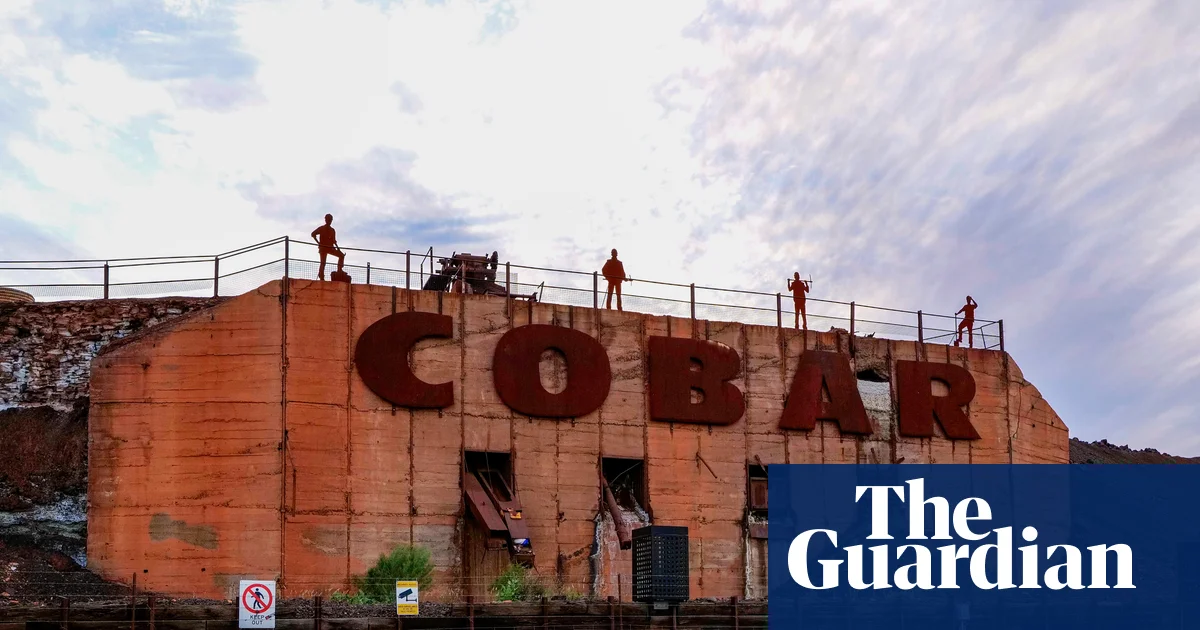
In a devastating incident in the Cobar region of Australia, two workers lost their lives following an underground explosion at the Endeavour Mine. This catastrophe underscores the persistent risks associated with resource extraction industries, even as technological advancements claim to improve safety protocols. According to authorities, emergency services responded swiftly after being alerted early Wednesday morning; however, the magnitude of the explosion resulted in one confirmed death on-site and the subsequent death of a woman who was initially rescued. The incident also left another woman hospitalized with hearing damage and shock, highlighting the ongoing danger faced by miners in hostile underground environments.

How decisions and safety regulations impact nations and societies

This tragedy in Australia resonates beyond local concerns, echoing a broader global discussion on the safety standards within resource-dependent nations. Australian authorities, including NSW Premier Chris Minns and state Minister Courtney Houssos, have expressed their heartbreak and solidarity with affected families. These events serve as a harsh reminder that even in countries with improved safety protocols, vigilance remains vital. As some analyses suggest, the mining sector is a cornerstone of Cobar’s economy, primarily supporting copper, gold, zinc, and lead extraction—industries that are vital for local employment and regional economic stability. Yet, each accident risks not only human lives but also threatens the societal fabric, stirring political debates about regulatory oversight and corporate responsibility.

Geopolitical and economic dimensions of resource security

The incident’s international implications lie in how resource security and safety standards influence global geopolitics. Countries that rely heavily on mineral exports such as Australia find that mining accidents can ripple through global supply chains, affecting industries ranging from electronics to automotive manufacturing. Moreover, Australia‘s role as a strategic resource provider heightens the stakes, especially as global demand for critical minerals surges—driven by alternative energy initiatives and technological innovation. Historically, mining tragedies have occasionally spurred reforms and heightened regulatory scrutiny, but they also underscore the fragility of mining infrastructure amid economic pressures to maximize output.

Experts from international organizations warn that such incidents can undermine critical diplomatic relationships, especially if safety lapses are perceived as neglect or intentional cost-cutting. The World Bank and International Labour Organization have long championed stricter safety standards, but enforcement often falls short amid rising global competition for mineral wealth. While Australia remains a key player in this geopolitical chess game, the incident at the Endeavour Mine might influence future negotiations on trade, labor rights, and environmental regulations, prompting nations to reassess their own resource policies.

Conclusion: The weight of history and the future that remains unwritten

As the dust settles over the incident at Cobar, the broader narrative unfolds—a narrative of human resilience, regulatory challenges, and the relentless pursuit of progress at a cost. History has shown that each tragedy on the frontier of resource extraction leaves an indelible mark on national consciousness and international policy. With the investigation ongoing, the mining industry and governments worldwide are reminded that beneath the surface of prosperity lies a fragile balance, one that must be guarded jealously. In the shadows of these dark events, the true test lies not only in justice for the fallen but in the unwavering resolve to forge safer pathways into the future, lest we forget the lessons written in the scars of history.

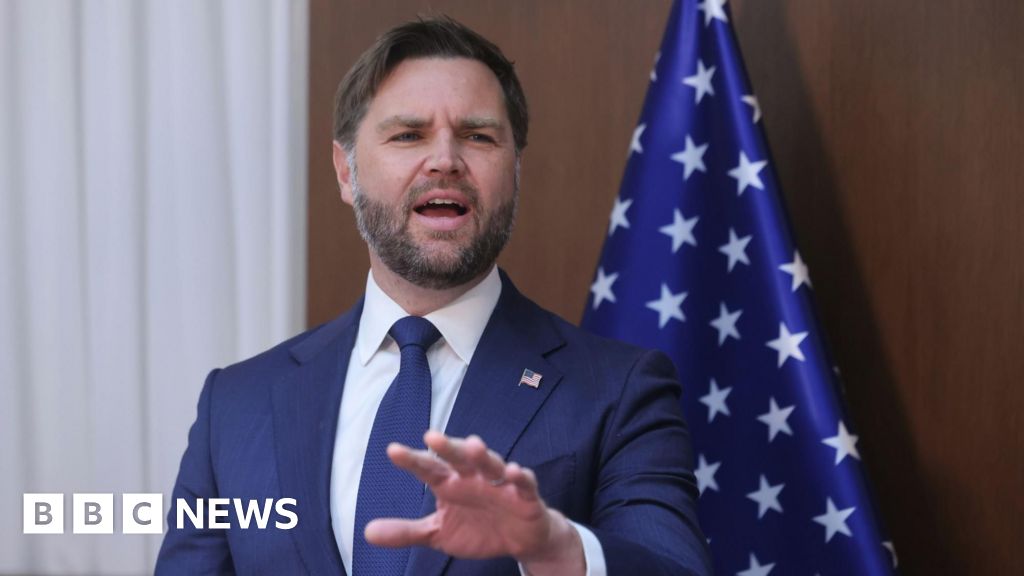
Vance and Rubio Slam Israeli Parliament’s West Bank Annexation Vote

The recent actions within Israel’s parliament have ignited a new wave of diplomatic tension that could reshape the Middle East’s fragile landscape. On Wednesday, far-right factions in the Knesset advanced a bill that grants preliminary approval for applying Israeli law in the occupied West Bank. This territory, captured during the 1967 Six-Day War, is home to approximately 700,000 Jewish settlers amidst a Palestinian population of roughly 3.3 million. International law, supported by an advisory opinion from the International Court of Justice last year, deem settlements illegal—yet Israel continues to bolster its presence, constructing about 160 settlements to date. The bill’s passage, with a narrow 25–24 vote, signals a potential shift in the longstanding policy of maintaining the status quo, a move that critics warn could ignite renewed regional instability.

Global reaction has been swift and unequivocal, especially from the United States. Vice President JD Vance dismissed the bill as a “very stupid political stunt,” underscoring that the move undermines prospects for peace. Secretary of State Marco Rubio also cautioned that annexation could jeopardize President Donald Trump’s efforts to broker peace in Gaza, aligning with the broader U.S. stance against unilateral territorial changes in the West Bank. The U.S. role, perceived by many as Israel’s most vital diplomatic shield, remains pivotal. It highlights how American influence continues to shape the geopolitical balance—where every decision by Israel carries the potential to destabilize or bolster regional security. The stark warnings from Washington reflect the understanding that a shift in control over the West Bank would ripple across borders, potentially reigniting conflicts that have simmered for decades.

Meanwhile, Israel’s Prime Minister Benjamin Netanyahu characterized the bill as a “deliberate political provocation,” emphasizing that his government does not support immediate annexation, citing existing U.S. policy that opposes such measures. Despite ultra-nationalist factions within the coalition pushing for outright annexation, Netanyahu’s cautious stance reveals an attempt to balance domestic factions with international diplomacy. However, the move has drawn sharp criticism from the Palestinian Foreign Ministry, which condemned the bill as a violation of their aspirations for sovereignty. The geopolitical consequences of this maneuver could punctuate the ongoing conflict, possibly pushing the prospects for a comprehensive resolution further out of reach, while intensifying the rhetoric surrounding Israeli-Palestinian tensions.

As the international community watches uneasily, the echoes of history resound—reminding us that bold moves often precipitate deeper chaos. The Middle East remains at a critical juncture, where every decision not only shapes the future of millions but also influences the global balance of power. With the United Nations and other international watchdogs sounding alarms, the possibility of longstanding peace slipping into further disorder underscores a sobering truth: as history unfolds in the corridors of power, the world teeters on the precipice of change that will define generations to come. The question remains—how much longer can the ticking clock of diplomacy hold against the drums of conflict?

West Yorkshire Parents of Neurodivergent Kids Call for Stronger Support System

Society’s Silent Crisis: Neurodivergent Families and the Glaring Gaps in Support

In recent months, families across the UK have sounded a chorus of concern, revealing a systemic failure in supporting neurodivergent children and their families. Underdiagnosis, inadequate post-diagnostic support, and overwhelming waiting times are not just bureaucratic stumbling blocks—they are societal failures that ripple through families, schools, and entire communities. The stories emerging from West Yorkshire and beyond underscore a disconcerting truth: neurodivergent children are often left isolated, and their parents are pushed to their limits without meaningful assistance.

Parents like Louise Moller from Leeds, whose son Noah was diagnosed at age five, describe a distressing pattern. “They gave us a few sessions and some leaflets, then dropped us,” she laments, highlighting an overarching issue where diagnostic processes are quick, and support networks are scarce or non-existent. This abandonment leaves families in a state of helplessness, often forcing them into roles of advocates and caregivers without the necessary resources. Such challenges are exemplified by the case of Kerri-Anne Ball, who began the autism assessment process for her son at age two but received her official diagnosis only at age four. Even then, her query about ongoing support was met with a stark silence—their case file was closed, and support ended at diagnosis. This pattern of minimal engagement fuels feelings of uncertainty and despair that leave many feeling forgotten by the very institutions meant to serve their needs.

More troubling are the prolonged wait times—according to NHS statistics, as of June 2024, over 236,000 individuals in England—including children—wait for autism assessments, while up to 549,000 others are awaiting evaluations for ADHD. These delays are not mere statistics but a representation of families forced to navigate their journey alone, often in silence. As social commentators and sociologists like Dr. Andrew Wills have observed, the waiting game exacerbates social exclusion, especially for vulnerable children whose educational development may be hindered. Furthermore, the social tensions generated by these gaps threaten to deepen divisions, as communities wrestle with the stigma and misunderstanding surrounding neurodiversity. The moral imperative is clear: early diagnosis is crucial, but it must be accompanied by sustained support—something that currently remains elusive for many.

Fortunately, amid the darkness, local charities like Northorpe Hall Child & Family Trust are pioneering efforts to reconceptualize support. Rosa Forrest, the organization’s lead for neurodevelopmental issues, emphasizes the importance of community-based interventions, noting that many parents feel unheard and isolated. Her initiative, Me + My Normal, brings parents into the fold alongside their children, fostering a shared space for understanding and resilience. These efforts, though vital, are only a palliative in a landscape that desperately needs systemic reform. Social commentators, including Dr. Lisa Grant, argue that society must recognize the human toll—*not just in academic or bureaucratic terms but in how families weather a storm of neglect*—and respond with urgent, dedicated funding for both diagnostics and ongoing support services.

In the final analysis, society stands at a crossroads. The stories of Louise, Kerri-Anne, Miriam, and Rosa are not isolated incidents but voices of a larger, systemic crisis—the neglect of our most vulnerable. As society grapples with these social fissures, perhaps hope lies in a collective awakening of empathy and action. The challenge remains: will society recognize that the true measure of our progress is how we support those most in need? In the quiet resilience of families enduring these hardships flickers a light—a hope that society’s conscience can be awakened, transforming neglect into nurture, indifference into advocacy. After all, the real society we build tomorrow depends on how fiercely we fight for the children and families today.

Social Media Auto Publish Powered By : XYZScripts.com