Matox News

Truth Over Trends, always!

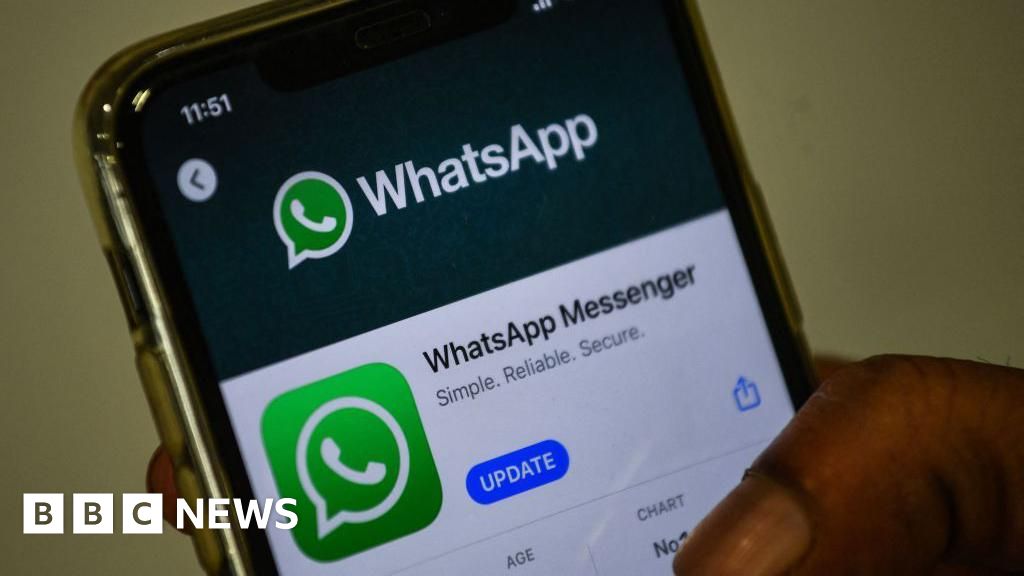
Why is India's WhatsApp privacy policy facing legal backlash?
Why is India’s WhatsApp privacy policy facing legal backlash?

In 2021, Meta, the social media giant formerly known as Facebook, introduced a significant policy update that mandates users to share data specifically for advertising purposes to continue using its platform. This seemingly internal business decision carries far-reaching geopolitical implications, revealing the increasingly intertwined relationship between global corporations and national policies. As governments worldwide scrutinize digital privacy and data sovereignty, Meta’s move underscores a pivotal shift in how firms operate across borders, with their policies echoing through the fabric of international relations.

Major geopolitical actors have responded differently to this shift, highlighting the contest over digital sovereignty. European Union regulators, sensitive to privacy rights and data security, have historically pushed back against such corporate demands, emphasizing strict compliance with the General Data Protection Regulation (GDPR). Governments in North America and parts of Asia, however, have been more permissive, viewing such policies as a reflection of the rapidly evolving digital economy. The policy update, in effect, is a barometer for the broader contest over data control—a resource deemed as vital as traditional commodities in modern geopolitics. Analysts from institutions like the World Economic Forum warn that this could deepen the digital divide, where nations that accommodate corporate data demands may bolster economic growth while others risk being left behind in digital fragmentation.

Furthermore, this policy change has catalyzed intense debates among nations over privacy rights, security, and sovereignty. Historically, data has become the new frontier of power, as seen in recent years’ geopolitical conflicts involving cyber espionage and digital influence campaigns. In a landscape where information control fuels influence and stability, policies like Meta’s serve as flashpoints for international diplomatic discussions. Countries such as Russia and China continue to develop national internet policies that emphasize sovereignty over digital infrastructure, contrasting with Western frameworks that push for open data exchanges. The ramifications extend further, illustrating how decisions by tech giants are now bedrock issues in diplomatic negotiations. The United States and the European Union, guided by institutions like the European Commission, have urged for balanced policies that protect users’ rights without ceding too much control to mega-corporations—a delicate dance that shapes the future of global digital governance.

Historians and analysts emphasize that these developments mark a **turning point** in **digital geopolitics**. As some nations forge ahead with policies emphasizing data independence, others risk becoming dependent on corporate-controlled ecosystems. The informal yet powerful alliances formed around data policies could fundamentally alter alliances, economic power, and societal structures. The concerns articulated by international organizations echo the warning that **how nations regulate and assert sovereignty on these issues will define the global order for decades** to come. The ongoing tug-of-war reflects a broader struggle—one where the lines between corporate interests, state sovereignty, and individual rights are increasingly blurred, forever shaping the course of history.

As the world watches, history continues to unfold in real-time, inscribed in the policies that govern digital space. The decision by Meta in 2021 was more than just a corporate policy—it was a declaration of digital dominance, with consequences rippling far beyond the screen. The outcome of this new digital frontier remains uncertain, yet the message is clear: **the fight for control over information and influence is rewriting the global narrative in ways that no nation can afford to ignore**. Humanity now stands at a crossroads, where every click and data point echo in the halls of power—foretelling a future where the fabric of society itself is woven in the bytes and codes that global giants like Meta now command.
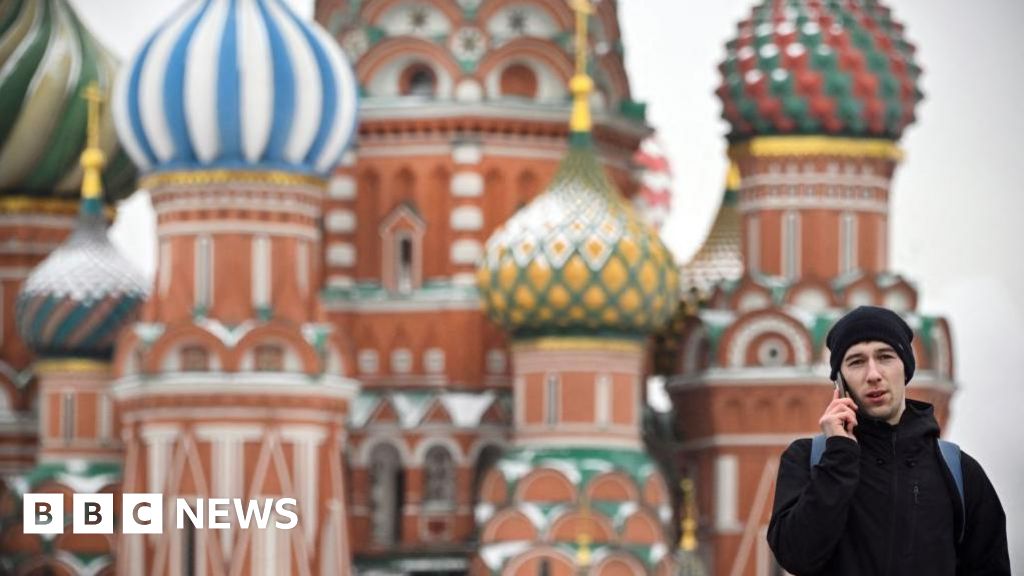

Russia clamps down: WhatsApp blocked amid messaging crackdown

Global Implications of Nation-State Internet Censorship: A Closer Look at Recent Digital Suppression

In a move that underscores the escalating tension between national sovereignty and the unchecked influence of global digital platforms, an unnamed country has significantly increased its control over the online domain landscape. Reports indicate that 13 prominent resources—including YouTube, Facebook, WhatsApp Web, Instagram, the BBC, and Deutsche Welle—have been systematically removed from the National System of Domain Names (NSDI). This act marks a decisive shift towards digital sovereignty, with profound implications for global information flow and individual freedoms.

Observers and analysts highlight that, since these sites’ removal, access is now only possible via a virtual private network (VPN), effectively sealing off the country’s population from the global digital commons. This scenario echoes Cold War-era censorship but now manifests in the modern era’s digital battleground, symbolizing a strategic move to control information and shape perceptions within borders while isolating citizens from international viewpoints. Several independent cybersecurity experts warn that such measures not only hinder citizens’ ability to access international news and social networks but also set a dangerous precedent for digital authoritarianism. By restricting access to platforms like the BBC and Deutsche Welle, which are known for their independent reporting, the ruling regime signals its intent to monopolize information and deter dissent.

Geopolitical Ripple Effects and the Role of Global Institutions

Leading international organizations, including the United Nations and the International Telecommunication Union (ITU), are now under increased scrutiny, as their previous calls for open internet access clash with rising nationalistic pursuits. Historians and geopolitical analysts warn that such censorship acts threaten the delicate balance of international digital cooperation established in post-Cold War decades. When a country isolates itself in cyberspace, it not only diminishes its citizens’ access to global economic opportunities but also risks alienating itself from the collective effort to combat transnational cyber threats.

The geopolitical impact extends beyond individual nations’ borders. Regions with restrictive internet policies risk deepening divides, fueling distrust, and fostering a digital “firmament” that could culminate in a bifurcated world order—one where Western-led norms of open communication coexist with increasingly isolated, national-controlled digital spheres. The warnings from international cybersecurity agencies suggest these developments might embolden other regimes contemplating similar measures, thereby threatening the freedom of information that has underpinned modern democracies.

How Decisions Shape Societies and Future Trajectories

This strategic digital isolation is not merely a matter of technical control but a reflection of broader societal shifts. As social media platforms serve as modern town squares, governments that control access to these spaces directly influence public discourse and social cohesion. The removal of sites like Facebook or Instagram reduces opportunities for civic engagement, especially among youth, who increasingly depend on these avenues for information and activism. Such actions could lead to increased societal polarization and hamper the development of informed citizenry vital for democratic resilience.

International experts warn of the long-term consequences, emphasizing that decisions made now will shape generations. Were this trend to deepen, it could pave the way for digital enclaves—pockets of internet where only state-approved narratives flourish. The danger lies not only in censorship but in the systematic suppression of dissent, ideas, and innovation. As nations grapple with this new reality, the prospects for a free, interconnected world appear increasingly strained, leaving the echoes of history—once peaceful digital exchanges—shattered by authoritarian ambitions.

In the unfolding narrative of the 21st century’s geopolitical theater, the question remains: who will control the digital future, and at what cost for human liberty? The weight of history presses on, as nations continue their silent, yet decisive, moves to define the boundaries of freedom in an era where information is both a weapon and a right. The outcome of this digital clash will indelibly mark the tapestry of international relations, shaping societies and influencing the very fabric of global civilization for decades to come.

Hertfordshire Police Admit Wrongful Arrest Over WhatsApp Message, Payout £20K to Victim

Recent events in Hertfordshire have underscored a troubling shift in societal trust and community cohesion. A couple, Rosalind Levine and Maxie Allen, experienced a wrongful arrest that has cast a shadow over their family life and the broader social fabric. The incident unfolded after the couple expressed concerns about their daughter’s primary school, including questioning staff recruitment practices and criticizing school leadership via a WhatsApp group. This digital dissent, seemingly dismissed as malicious communications by authorities, resulted in their being detained for 11 hours, an ordeal that has ignited debates about the boundaries of parental rights and police intervention.

Such cases reveal a disturbing connection between social tensions and institutional overreach. Sociologists like Dr. Emily Watson warn that when community members feel silenced or wrongly accused, it fosters an atmosphere of mistrust and alienation. Levine and Allen’s case illustrates how the misapplication of law enforcement can devastate families and diminish confidence in local institutions. The couple’s experience was marked not just by the wrongful arrest but also by the emotional toll of seeing their privacy violated, their reputation questioned, and their sense of security fractured—elements that ripple through every facet of family life. When public institutions fail to balance authority with accountability, the result is a fragmented society where conflicts become open wounds rather than opportunities for community growth.

The impact extends beyond individual families to the very heart of education and community relationships. The couple’s ban from Cowley Hill Primary School after raising legitimate concerns about their child’s well-being highlights a dangerous trend of authoritarian silencing of parental advocacy. Critics argue that such suppression not only dampens community input but also hampers the collaborative effort necessary for nurturing inclusive, adaptive learning environments. Social commentators, including historian Dr. Richard A. Lewis, emphasize that family engagement in schools is a cornerstone of social stability. When that engagement is met with punitive measures or misunderstood as threatening, it weakens the societal bonds that foster resilience and shared responsibility.

  • The police justified their actions by citing the unwarranted nature of the arrest, but the broader social issue remains unresolved: the erosion of trust between law enforcement and communities.
  • The school’s response to the protests reveals a prioritization of control over dialogue, risking deepening social tensions.
  • Families affected by these incidents face increased emotional distress, leading to long-term impacts on mental and physical health, and potentially, future generations’ perceptions of authority.

As social commentators and sociologists call for reform, the question remains: how can society rebuild trust and ensure that families are protected rather than persecuted when exercising their rights? It is essential to recognize that the core challenge lies in cultivating a culture of accountability, transparency, and empathy. Policymakers and educational leaders must acknowledge the human impact of their decisions and foster a community environment aligned with democratic ideals—one that respects diverse voices and promotes genuine dialogue. The tale of Levine and Allen leaves us with a haunting reminder that societal harmony depends on our collective capacity to confront injustice and to nurture the bonds that hold communities together.

In this era of social upheaval, where the lines between authority and community are blurred, hope resides in the very act of reflection and renewal. Society’s greatest strength lies in its resilience—the ability to transform adversity into a new foundation of understanding, fairness, and shared purpose. As families like Levine and Allen’s confront the shadows of injustice, they also become symbols of a society yearning for ethical integrity—a society that, if it dares to listen and learn, can build the future anew.

Parents Exonerated After Hertfordshire Police Admit Unlawful Arrest Over WhatsApp Dispute

Unlawful Police Action in United Kingdom Raises Global Concerns on Civil Liberties and Governance

In a recent incident that has galvanized public opinion and drawn international scrutiny, Hertfordshire police admitted that the arrest of Rosalind Levine and Maxie Allen was unlawful after they complained about their daughter’s primary school on WhatsApp. The incident, which resulted in the detention of the couple for 11 hours, underscores potential overreach in law enforcement practices under the guise of maintaining order and public safety. Their case exposes a troubling pattern of government institutions, notably law enforcement agencies, overstepping boundaries—an issue resonant across democracies striving to balance security with personal freedoms.

The couple’s ordeal began with allegations of harassment, malicious communications, and causing a nuisance, but the authorities later conceded that the criteria for their arrest, as outlined in the Police and Criminal Evidence Act 1984, were not met. Consequently, the police force acknowledged the arrest was unlawful and agreed to a payout of £20,000—a figure seen by legal analysts as both an apology and a stark reminder of the force’s misjudgments. Such admissions serve as a catalyst for wider debates: how many similar cases are ongoing silently, and how many citizens are being unjustly targeted for exercising their rights to free expression and scrutiny of local authorities?

Global Implications: When State Power Meets Civil Disobedience

This incident in Britain echoes a broader trend observed in various nations where governments confront dissent through administrative and sometimes aggressive law enforcement actions. International institutions like The United Nations and Amnesty International have repeatedly warned against the erosion of civil liberties, emphasizing the importance of safeguarding free speech—especially when directed at public institutions such as schools and local authorities. Historian Mary Beard and political analysts have cautioned that, as governments tighten control amid societal tensions, the risk of authoritarian drift increases, threatening the foundational values of democracy itself.

Moreover, the case reveals how social media, often heralded as a tool for empowerment, can inadvertently become a battleground where public officials view criticism as a threat rather than constructive feedback. The school’s response—banning Levine and Allen after their social media comments—fits a disturbing pattern of institutions attempting to silence critics, even at the cost of unsettling democratic principles. These actions have broader geopolitical impact; they reinforce a narrative of government overreach, surreptitiously narrowing the space for civic engagement and public accountability across nations.

The Shadows of Legitimacy and the Fight for Civil Rights

Analyzing this case from a geopolitical perspective, it becomes clear that how nations handle internal dissent has repercussions far beyond local borders. The incident signals a need for robust legal protections that prevent abuse of authority. International watchdogs insist that reforms in law enforcement practices are crucial to defending individual rights, especially for vulnerable populations like children with disabilities. The case unearths a critical divergence: on one side, democratic societies cherish free expression, while on the other, authoritarian-leaning regimes seek to control narratives and suppress dissent—sometimes through illegal actions.

Global organizations and political analysts warn that unchecked government power—if left unchallenged—may accelerate shifts toward authoritarianism, undermining the prospects for vibrant, free societies. The British government‘s admission of fault in such a straightforward case could serve as a warning or a blueprint for reform in other countries where legal overreach burdens citizens and causes societal fractures. As history’s long arc bends, the unresolved question remains: will governments learn to balance security with liberty, or will they continue to trample the rights they sworn to protect?

As the weight of history presses forward, the case of Levine and Allen leaves us pondering a profound truth—every decision, every law, every police act is a thread in the vast tapestry of a nation’s legacy. Future generations will look back at these moments, questioning whether we defended justice and freedom or allowed darkness to seep into their bedrock. The pages of history are still being written, and the outcome depends on what citizens and leaders choose in the moments of crisis—before the fabric of society is forever torn.

Social Media Auto Publish Powered By : XYZScripts.com