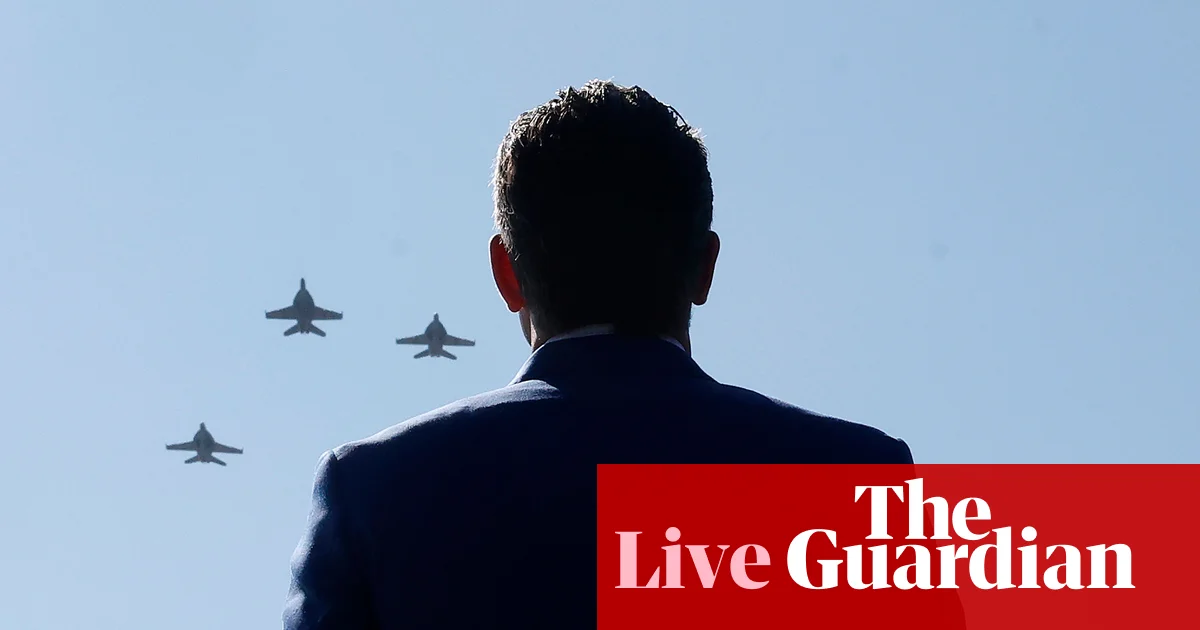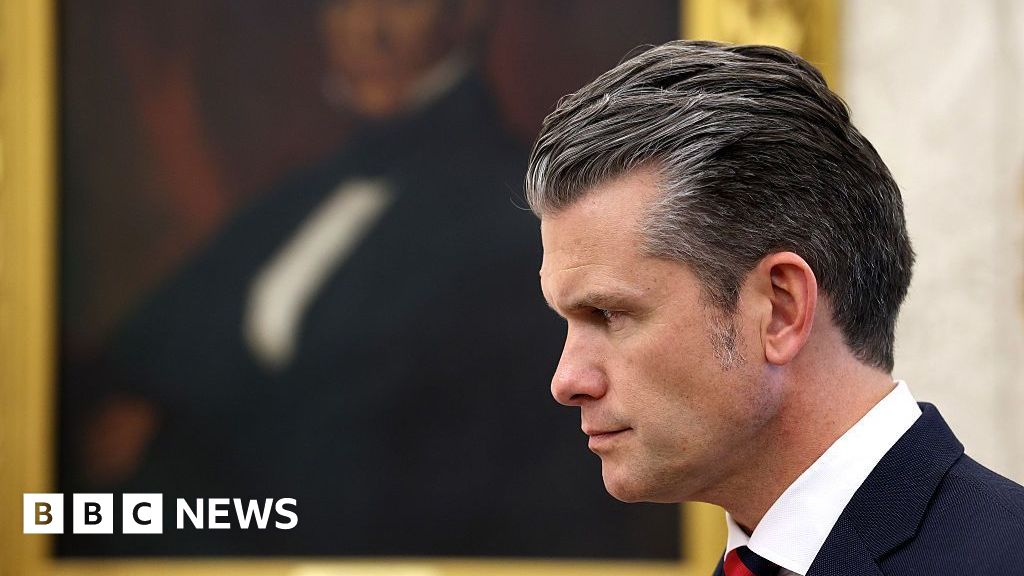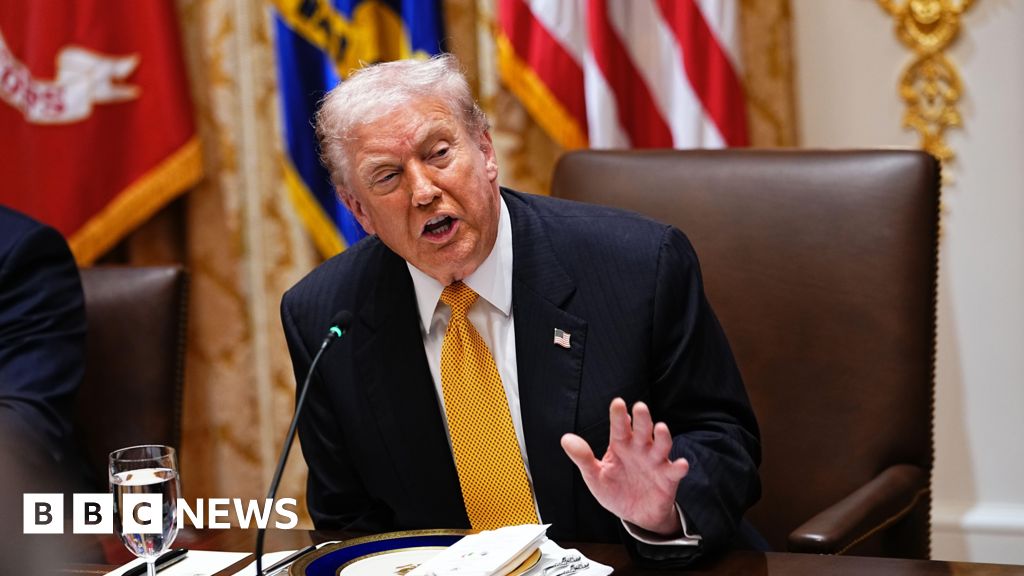

Amid escalating international tensions, reports emerging from US media indicate that President Donald Trump has engaged in high-level discussions with national security advisers regarding potential military action. Sources reveal that an attack could be launched as early as Saturday, underscoring the precarious state of global stability. These developments unfold against a backdrop of complex geopolitical maneuvering, where the decision of an influential superpower carries profound consequences for regional and world order alike.
The possibility of a preemptive strike highlights a critical juncture in international relations, raising questions about the escalation of conflicts and the fragility of diplomatic channels. Historically, decisions by superpowers to resort to military force have often recalibrated the global chessboard, leading to unpredictable repercussions. Experts suggest that such an action, if undertaken, would be indicative of America’s intent to project strength and deter perceived threats, but also increases the risk of unintended consequences, including a broader regional conflict. International organizations and foreign governments continue to monitor the situation closely, aware that the decision will reverberate across multiple theaters of geopolitical interest.
Analysts argue that the geopolitical impact of such a strike would not be confined to the immediate target. Historically, when the US has engaged in unilateral military actions, it has precipitated shifts in alliances, economic sanctions, and diplomatic realignments. Countries in the region, especially those with vested interests in stability, are bracing for the possibility of escalation. Senior international diplomats and security analysts warn that rushed decisions could undermine long-standing efforts at diplomacy and increase instability, especially if aligned with broader narratives of national security and sovereignty. The drama unfolding now underscores the delicate balance of power and the perilous path toward conflict, where every decision writ large shapes the lives and societies of millions.
As the wheels of war turn ominously closer, history reminds us of the destructive power of unchecked military cravings and the ripple effects that follow. The shadow of past conflicts looms large, where once hesitant diplomacy was abandoned for force, leaving nations fractured and communities scarred. The world watches with bated breath as America’s leadership grapples with this decisive moment, bearing the weight not only of immediate strategic interests but of the historical trajectory they forge. The unfolding story offers a stark reminder: in the arena of international power, every decision is a chapter in the ongoing narrative of history—one that could end in chaos or the hard-won stability of peace, depending on the choices made in these critical hours.