
Matox News

Truth Over Trends, always!

Police Intensify Hunt for Belgian Tourist Missing Two Years, Phone Found in Wilderness

The recent discovery of a mobile phone belonging to Belgian tourist Celine Cremer in the dense wilderness of Tasmania has ignited renewed attention on the ongoing search efforts, highlighting both Australia’s rugged terrain and the complexities of international interests in resource-rich and geopolitically strategic regions. After her initial disappearance in June 2023, a combination of private efforts, police support, and volunteer searches have failed to find her until now. The significance of this case extends beyond a local tragedy, offering insights into how nation-states and regional powers navigate sovereignty, environmental stewardship, and security challenges in distant territories.

Though police have now joined private investigators and volunteers in the effort, the case underscores broader geopolitical concerns about Australia’s role and stability in the Indo-Pacific region. Australia’s decision to support private searches and coordinate with local volunteers demonstrates how regional governments are balancing sovereignty with a pragmatic approach to crisis management. As noted by international analysts, such actions reveal Canberra’s awareness that the endurance of remote regions like Tasmania impacts national security, especially considering the environmental and resource importance of these regions. In an era where climate change increasingly destabilizes fragile ecosystems, every rescue attempt not only reflects humanitarian compassion but also signals how nations prepare for unforeseen crises as part of their broader strategic posture.

The timing and nature of the search carry significant implications for regional security and environmental policy. Cremer’s disappearances amidst treacherous weather and the discovery of her phone—found very close to her last GPS position—highlight the perilous conditions in Australia’s southern extreme. Experts, including historians like Rob Parsons, emphasize the truth that the Australian wilderness remains a test of endurance and sovereignty. Their ongoing search efforts, just temporarily halted by worsening weather—hail, snow, and sub-zero temperatures—are emblematic of the unpredictable challenges that local authorities face, and by extension, how nations must adapt to nature’s formidable forces amidst geopolitical stressors.

As global organizations scrutinize Australia’s response—viewing it as a microcosm of rising regional tensions—the case pushes into the broader narrative of environmental stewardship, border control, and the resilience of sovereign nations. International organizations like the United Nations and regional allies observe the unfolding rescue operations closely, recognizing that such incidents are a test case for Australia’s capacity to protect its citizens in challenging terrains. In this context, the search in Tasmania becomes an emblem for how societies confront the unpredictable, shaped by decisions made on both local and international levels. The drama of Cremer’s fate—looming last in the wilderness—serves as a stark reminder that even in the modern world, nature retains a primal, uncontestable authority. As history unfolds, the choices shaping Australia’s future responses will resonate across nations, illustrating the delicate balance of sovereignty, environmental duty, and security in shaping the twenty-first-century world.

Outback Tragedy: Man and Woman Shot Dead in NSW Wilderness

Fatal Underground Explosion at Australia Mine Shakes Community and Global Industry

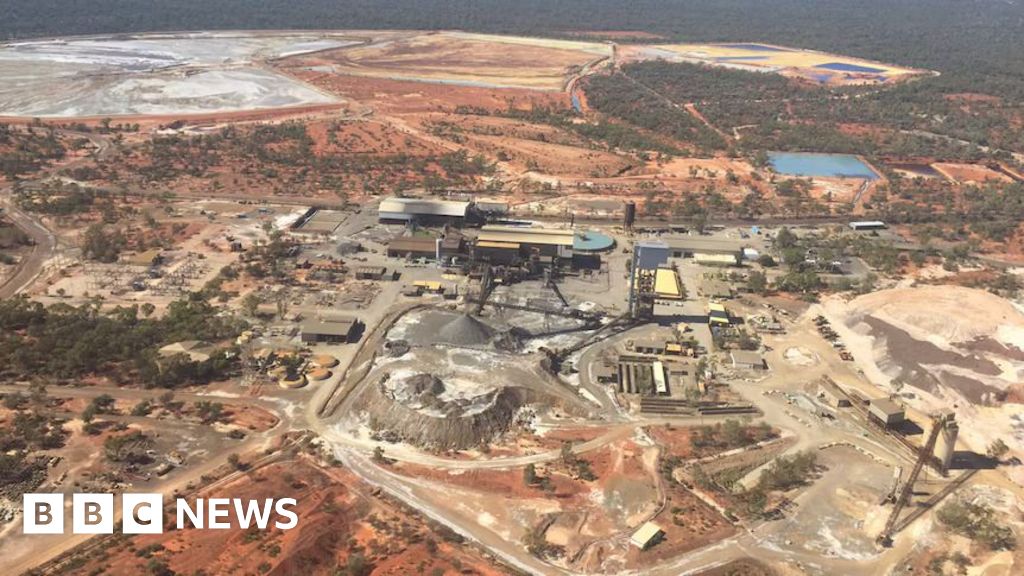
The recent tragic incident at the Endeavour mine in New South Wales marks a sobering chapter in Australia’s mining history, reminding the world of the enduring risks faced by workers in resource extraction industries. Two lives were lost in an underground explosion—an event confined to the remote town of Cobar, but one with implications that resonate far beyond the Australian continent. The incident—first since 2015—raises critical questions about safety protocols, corporate accountability, and the ongoing balance between economic development and worker protection.

According to authorities, an underground explosion claimed the lives of a man in his 60s and a woman in her 20s, with another woman sustaining minor injuries. Emergency responses revealed a community gripped by tragedy, as local officials, including Cobar Mayor Jarrod Marsden and NSW Premier Chris Minns, extended heartfelt condolences. The response from government and industry highlights an understanding that such fatalities are not only tragedies but stark reminders of the vital importance of safety standards in dangerous sectors that underpin national economies. Authorities have announced a comprehensive investigation, including a report for the coroner, emphasizing that, despite improvements in safety protocols, the risks endemic to mining remain ever-present.

Historically, Australia has maintained a generally low fatality rate in mining, with fatalities rarely occurring since the last major incident in Queensland in 2015. The Endeavour mine—with a history dating back to 1982 and now under new ownership by Polymetals Resources—had resumed operations earlier this year, focusing on precious metals such as silver, zinc, and lead. The mine’s extensive infrastructure—a 7 km decline and 300-meter shaft—underscores the scale and danger of underground extraction. As the Australian government’s Workplace Safety Authority prepares to investigate, analysts warn that the incident could serve as a temporary setback for international confidence in Australia’s mining safety reputation. Many experts point to the fact that despite technological advancements, the inherently hazardous nature of underground mining demands relentless vigilance.

From a geopolitical impact, this tragedy underscores a broader global narrative—one where the demand for critical minerals fuels international competition and economic shifts, often at the expense of worker safety. As nations like China, the United States, and Germany ramp up their resource extraction to secure supply chains for electric vehicles and renewable energy technologies, the safety of workers must remain a core concern. International organizations such as the International Labour Organization emphasize that sustainable development cannot be achieved without safeguarding lives in risky industries. Meanwhile, analysts argue this incident could potentially ripple across global markets—prompting increased regulation and safety measures—affecting how resource-dependent nations strategize their industrial growth.

In a broader, more symbolic sense, this event leaves the world at a crossroads—a place where history continues to unfold with each tragedy and triumph. As communities mourn and authorities vow accountability, the weight of the past presses heavily into the future. Will this tragedy serve as a wake-up call leading to enduring reforms, or will the relentless pursuit of resources once again overshadow the fundamental necessity of worker safety? The unfolding chapters of this incident will determine whether Australia, and by extension the global industry, can forge a safer, more responsible path forward. In the shadow of this explosion, the world is left to ponder whether the sacrifices made underground will ultimately lead to a brighter, safer dawn or whether history’s dark lessons will be ignored once more.

Social Media Auto Publish Powered By : XYZScripts.com