Matox News

Truth Over Trends, always!

Australia Wildfire Devours Homes, Urging Action from Authorities

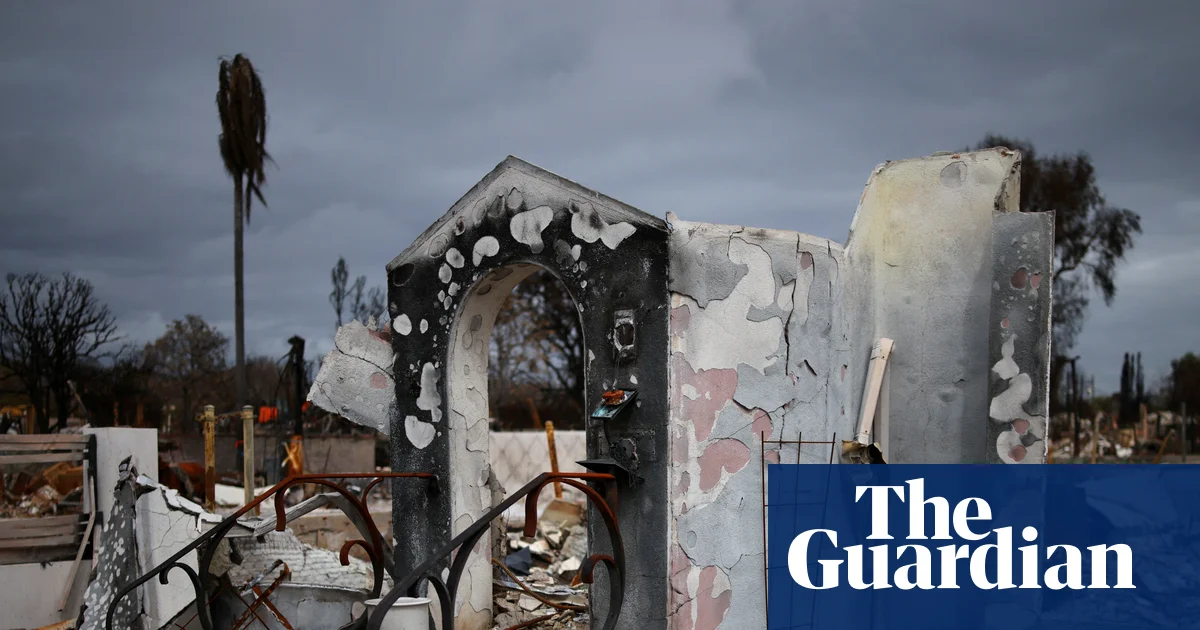
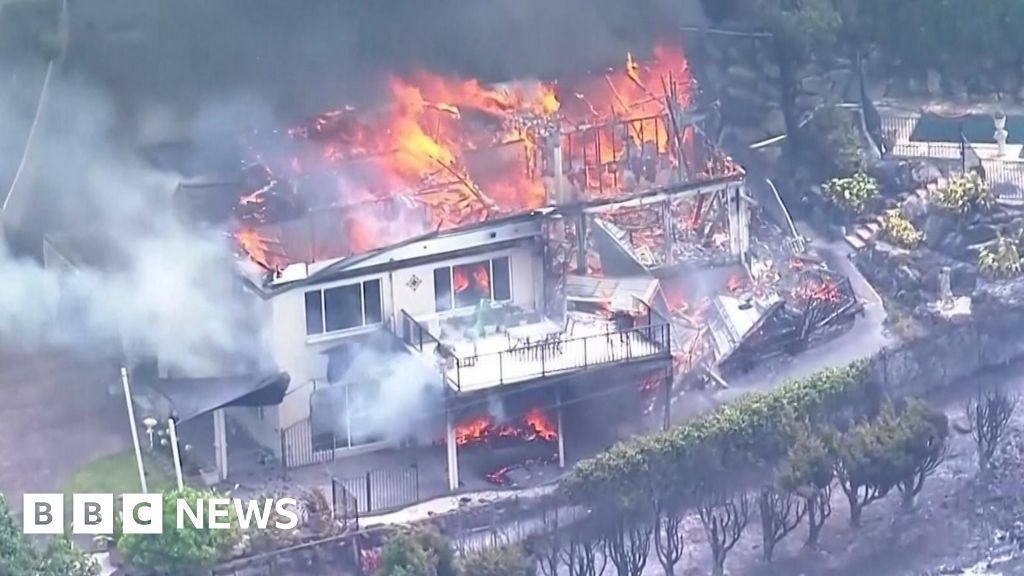
In a stark reminder of the escalating climate crisis, Australia’s state of New South Wales is grappling with an unprecedented surge in wildfires, with reports confirming the destruction or damage of at least 12 homes near Sydney. The fire outbreak in the coastal town of Koolewong has become emblematic of broader environmental upheavals fueled by soaring temperatures across the region. As firefighters scramble to contain the flames, the incident underscores a critical, global issue—climate change—whose effects are no longer distant threats but immediate dangers to communities and national security.

Analysts and climate experts warn that this surge in wildfires is part of a wider pattern observable in multiple parts of the world, where extreme weather events are becoming the new normal. The United Nations climate reports have repeatedly emphasized the urgent need for international cooperation to reduce greenhouse gas emissions—yet, contradictory policies, especially among major economic powers, continue to hinder meaningful progress. Historically, nations that ignore the mounting ecological and economic costs of climate inaction risk destabilizing their societies and geopolitical standing. The current crisis in New South Wales is a microcosm of this larger threat, illustrating how local disasters are inextricably linked to international environmental policies.

This catastrophe is also shaping the geopolitical impact of climate change, forcing governments to reevaluate their commitments and strategic priorities. How countries respond to such crises influences their global standing and alliances. For instance, Australia’s intense focus on fire mitigation efforts and emergency preparedness signals a nation prioritizing internal stability amidst environmental chaos. Meanwhile, some critics argue that accusations of insufficient climate action—despite recent investments—highlight ongoing political struggles, with fossil-fuel interests still wielding considerable influence. International institutions like the IPCC and the World Meteorological Organization continue to warn that the window to prevent irreversible climate tipping points is closing rapidly. The ongoing wildfires serve as a harsh warning—our world is entering a new era where environmental stability is increasingly dependent on international resolve.

As history unfolds, the current wave of wildfires might well be remembered as a turning point—a stark illustration of how neglecting environmental stewardship leads not only to ecological devastation but also to profound social and geopolitical upheaval. It is a moment that demands reflection, action, and a steadfast redefinition of priorities. The fate of millions, the stability of nations, and the legacy we leave for future generations hinge on the decisions made today. The flames tearing through New South Wales are more than a local tragedy; they are a fiery chapter in a global story of resilience, responsibility, and the relentless march of history confronting humanity’s greatest challenge.

Vogue World 2025: Hollywood A-Listers Rally for LA Wildfire Relief – Must-See Photos of the Night

The Vogue World 2025 event, now in its fourth edition, reaffirms the fashion industry’s evolving role as both a cultural catalyst and a social advocate. Held once again at the iconic Paramount Studios, this star-studded gathering under the direction of Anna Wintour was far more than a showcase of trends. It was a statement of purpose, raising an impressive $4.5 million to support costume designers impacted by the recent LA wildfires. This philanthropic angle underscores an increasingly common trend: fashion’s active engagement with social issues, turning style into a vehicle for meaningful change.

In recent years, the boundaries between fashion, activism, and social impact have blurred significantly. Influencers and celebrities recognized this shift early, using their platforms to spotlight pressing issues, and the industry’s elite now pivot from merely setting trends to shaping societal dialogue. Vogue World, in particular, epitomizes this transformation. Its focus extends beyond garments—it’s about fostering community, defending cultural craftsmanship, and advocating for resilience in the face of adversity. The event’s capacity to raise such a substantial charity sum demonstrates how fashion can serve as both a mirror and a motor of societal progress.

Now more than ever, this event and its social messaging resonate with a generation that views style not just as self-expression but as a statement of values. Youth influencers like Emma Chamberlain and Noen Eigee have championed sustainable fashion and social justice, further propelling the notion that embracing activism fuels authenticity. Sociologists note that this shift reflects a broader cultural demand for accountability and purpose from institutions. The fashion industry’s embrace of philanthropy and social responsibility is not just a trend but a reflection of a new era—one where style equates to standing for something meaningful.

Looking ahead, the question remains: how sustainable is this wave of socially conscious fashion love? Will brands and designers maintain their commitment as the spotlight shifts or as economic pressures mount? As the next generation of consumers becomes more intentional about their engagement with brands, the industry’s ability to integrate authentic activism and cultural advocacy will be the true test. The future of fashion might not just be about what looks good but about what *does* good—and whether this trend will elevate fashion from a lucrative industry to a true agent of societal transformation.

Man accused in Palisades wildfire charges pleads not guilty in LA court

The recent Palisades fire in California has reignited not only concerns about environmental management but also about the larger geopolitical and societal implications of local crises. The fire, which tragically claimed twelve lives and razed over 6,800 structures, underscores the unpredictable and destructive power of human and natural elements intertwined in the modern world. As authorities work to address the immediate aftermath, international observers and analysts are increasingly recognizing that such disasters have ripple effects beyond regional boundaries, influencing policies, economic stability, and even global security considerations.

Legal proceedings against Jonathan Rinderknecht highlight the complexities surrounding individual responsibility amidst larger environmental and civil crises. Charged with federal arson affecting interstate commerce, Rinderknecht’s case draws attention to how digital behavior—such as his interactions with AI and geolocation data—can be scrutinized as potential indicators of intent or involvement. Historians like Dr. Linda Carter have warned that the proliferation of AI-generated content and digital footprints complicate traditional notions of guilt and innocence, especially in emergencies driven by human actions. These developments reveal a new frontier in criminal investigation, where technological intricacies shape judicial outcomes, but also threaten to infringe on civil liberties, raising questions about the limits of surveillance in safeguarding communities.

The incident also offers a lens through which to view the broader geopolitical impact of climate-related crises. As climate change continues to intensify, fires like Palisades serve as stark reminders of how environmental catastrophes can destabilize societies, strain resources, and draw international attention. Experts from organizations such as the United Nations have warned that unchecked environmental disruptions could lead to increased migration, economic hardship, and regional conflicts, especially in areas ill-prepared for such events. The destruction of California’s landscapes epitomizes the fragile balance between economic growth and environmental resilience, and the need for international cooperation in developing sustainable policies.

Meanwhile, the timing of legal and environmental responses underscores a critical debate on sovereignty and responsibility. The response to local fires, driven by national policies and emergency protocols, often influences how nations perceive threats to their stability. U.S. authorities, under growing scrutiny, must demonstrate their capacity to protect citizens without overreach. At the same time, the international community watches as nations like Russia and China contend with their own climate-related disasters, seeking to project power amidst a shifting global landscape. As historian Dr. James Parker notes, “These crises aren’t isolated; they reflect a broader struggle for influence, resilience, and control across the world’s geopolitical stage.”

As the trial of Rinderknecht approaches, with proceedings set for December 16, the outcome will likely influence future approaches to both criminal justice and disaster management. His case may become a precedent for integrating AI analysis into legal processes and determining accountability in an increasingly digital world. But as history continues to unfold, the true scope of these localized tragedies extends beyond courtrooms and firefighting efforts—prompting a fundamental reckoning with how humanity navigates a planet under siege from its own innovations and neglect.

In the end, the story of Palisades is a chapter in a much larger narrative—one of peril, resilience, and the relentless pursuit of stability amid chaos. As nations grapple with their responsibilities and citizens confront the realities of environmental and technological change, the weight of history presses upon us all. The future remains uncertain, teetering on the edge of now and the ever-approaching echo of coming storms—both natural and human-made—challenging every society to stand firm or be swept away by the storm of its own making.

Namibia Calls in Army to Battle Devastating Wildfire in Etosha

Namibia has taken urgent steps to address a rapidly spreading wildfire that has devastated approximately one-third of the Etosha National Park, one of Africa’s most critical ecological and tourism landmarks. The government’s decision to deploy an additional 500 soldiers underscores the severity of this environmental crisis, which not only threatens countless species and fragile ecosystems but also highlights the geopolitical importance of safeguarding natural resources that are vital for regional stability and international reputation.

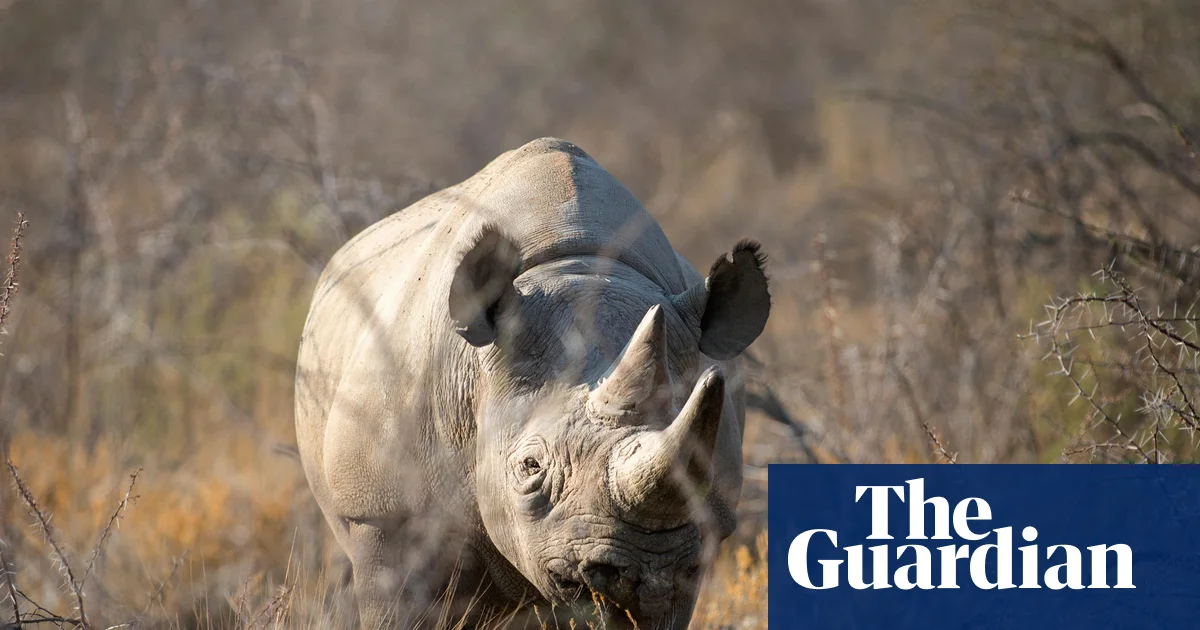
The fire, ignited on 22 September, has burned through nearly 8,600 square miles, destroying habitats and risking the extinction of endangered species such as the black rhinoceros. Experts from organizations like the International Union for Conservation of Nature (IUCN) have sounded alarms about ecological irreparability. As analysis from environmental specialists underscores, these fires often result from unsustainable land-use practices and lack of adequate fire management policies—factors that in many cases are exacerbated by economic hardships or weak enforcement of environmental regulations. The Concerns over ecological degradation underscore an urgent need for greater international cooperation to protect biodiversity in Africa’s fragile environments.

The decision to deploy troops reflects not just Namibia’s national crisis management but also reveals important geopolitical implications. As the country grapples with environmental emergencies, it signals the importance of national sovereignty in protecting natural assets against external pressures and illegal activities like charcoal production, suspected to be the fire’s origin. The government’s effort to mobilize military resources demonstrates that environmental security is no longer just an ecological issue but integral to national stability and regional influence. Countries with vested interests in Namibia’s natural resources—such as neighboring nations and global powers with stakes in Africa’s strategic corridors—are watching closely, recognizing that ecological crises can destabilize broader geopolitical frameworks.

  • In response to the disaster, Namibia’s government has increased environmental regulation and emphasized the importance of sustainable land management, a move praised cautiously by analysts who warn that economic reliance on resource extraction complicates conservation efforts.
  • International organizations, including the United Nations Environment Programme (UNEP), have offered aid, emphasizing that this fire serves as a stark warning for the continent’s broader environmental vulnerabilities.
  • Historically, Africa has faced recurrent challenges with wildfires, but the scale of this incident underscores a potential turning point in how nations coordinate responses and integrate environmental resilience into national security strategies.

As flames continue to consume the unique Etosha salt pan and its surrounding plains, Namibia’s crisis exemplifies the intertwined fate of environmental stewardship and national sovereignty. The world watches as the young nation strives to contain the fire’s destructive path, a metaphor for the larger battles being fought across the globe—battles for survival, security, and a sustainable future. With the historical weight of ecological neglect and geopolitical competition bearing down, Namibia’s response in the coming days will serve as a pivotal chapter in the unfolding story of environmental resilience and sovereignty, shaping the legacy that future generations will inherit from a land scarred but not defeated by the flames of crisis.

US and Canada clash over wildfire blame — who’s really fueling the flames?

Canada’s Wildfire Season: A Growing Challenge for North America’s Climate Conscience

The recent surge in Canadian wildfires has captured not only national attention but has also ignited a contentious debate across borders. As fires scorch vast swathes of boreal forests—spanning over 37 million acres in 2023 alone—the smoke consistently drifts southward, clouding skies from Vancouver to Manhattan. This phenomenon underscores a new reality in our climate landscape: wildfires are no longer isolated natural disasters but interconnected crises demanding a comprehensive, strategic response. For youth seeking to understand their role in this shifting ecosystem, it’s essential to realize that our personal choices—be it energy consumption or advocacy—compound to influence broader environmental health.

The Cross-Border Impact of Wildfires: A Shared Crisis

The pollution caused by Canadian wildfires affects millions of Americans and Europeans, leading to thousands of premature deaths each year, as confirmed by recent scientific studies published in Nature. Experts like Dr. Michael Brauer emphasize that wildfire smoke should be treated as a serious public health concern, on par with deadly illnesses like cancer. Yet, political tensions surface when U.S. lawmakers demand accountability from Canada, framing wildfires as a failure of management rather than acknowledging them as a symptom of the larger climate crisis fueled predominantly by human activity. These calls for accountability often overlook the fact that both nations are battling the repercussions of climate change—an issue that requires cooperation, not blame.

Understanding the Bigger Picture: Climate Change and Ecosystem Management

As wildfire seasons extend and intensify, the shift toward more extreme fire ecosystems becomes clear. Climate change contributes to hotter, drier conditions, making forests increasingly prone to ignitions. Countries are grappling with these realities, but the solutions go beyond firefighting. While strategies like controlled burns and better forest management are debated, experts warn that these are just palliative measures without addressing root causes. Governments are gradually investing, for instance, with Canada’s pledge of over $47 million directed toward preventative research and community preparedness, hoping to better mitigate the worst impacts. For engaged youth, this emphasizes that resilience is built through forward-thinking, innovative governance and a proactive stance on climate change.

Personal and Collective Resilience: Embracing Change and Responsibility

Amidst the chaos of wildfires, there exists a broader message of personal impact and societal responsibility. Protecting vulnerable communities, advocating for sustainable policies, and reducing carbon footprints are all ways individuals can contribute to a resilient future. Recognizing that wildfire smoke can reach health-damaging levels—even in major cities—should serve as a wake-up call for a new generation eager for meaningful change. As Beverly, a climate expert, notes, the interconnectedness of global emissions and local wildfires reminds us that climate action is a collective moral duty. Embodying this awareness in daily life cultivates a mindset of empowered optimism, where each small step contributes to a broader wave of change, inspiring communities to adapt and thrive.

Looking Forward: A Journey Rooted in Courage and Hope

While the headlines often focus on blame and crises, the story of wildfires is ultimately a narrative about transformation. It is about learning to coexist with these natural yet exacerbated phenomena and embracing the resilience that comes with collective action. For the youth standing on the cusp of environmental leadership, the message is clear:面对未来,我们必须携手合作,应对气候变化的挑战。Driven by innovation and responsibility, we forge a path not merely to survive, but to flourish—transforming adversity into an opportunity for global and personal growth. As the smoke gradually clears, so too can our sense of purpose, rooted in the understanding that true wellness stems from a blend of personal accountability and strategic unity.

Social Media Auto Publish Powered By : XYZScripts.com