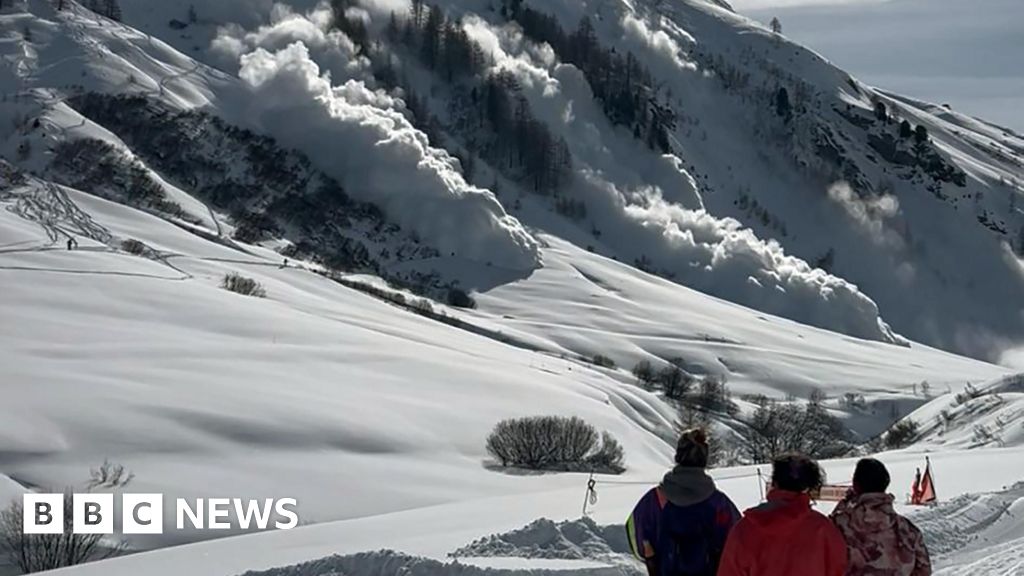

As global climate patterns shift and natural hazards become increasingly unpredictable, countries with prominent winter sports industries, such as France, are revisiting their safety protocols and regulatory frameworks. Particularly in renowned resorts like La Plagne and others across the Alps, authorities are shifting focus away from outright restrictions—such as closing off off-piste areas—and toward comprehensive guidance designed to empower tourists. While these measures may seem benign, they symbolize a broader geopolitical and societal discourse about responsibility, sovereignty, and the mounting risks driven by environmental change.
Recent advisories from French resorts emphasize pre-trip information, mandatory safety gear—including avalanche transceivers, shovels, and probes—and the critical importance of expert guidance. For example, La Plagne’s policy underscores a consensus among safety officials and international analysts that personal responsibility should be the frontline defense against disasters. This approach, however, raises complex questions concerning how nations balance tourism industry interests with public safety. As climate scientists, like those from the Intergovernmental Panel on Climate Change, warn of increased snowfall volatility and unpredictable avalanches, some critics argue that governments are under pressure to keep resorts operational, even as risks escalate. The decision to prioritize economic vitality over restrictive closures reflects a delicate geopolitical negotiation, not just within France, but across Europe, where reliance on winter tourism fuels local economies and national identity alike.
Historically, the tension between economic development and environmental realities has underpinned international debates. Analysts note that global institutions like the United Nations and regional bodies are increasingly scrutinized for their role—or lack thereof—in managing climate-induced hazards. Recent reports suggest that international cooperation has yet to establish a definitive framework for sustainable winter tourism amidst mounting risks. This imbalance leaves individual nations to make perilous choices—either banish tourists from dangerous terrain or rely heavily on personal responsibility and traditional rescue services. The societal consequence of this approach becomes apparent in the tragic incidents that occur despite warnings. With resorts incentivizing tourists to acquire safety gear and go with guides, there is a persistent underbelly of potential disaster if individuals underestimate the dangers or emergency responses become overwhelmed—a concern echoed by numerous emergency responders and safety experts.
The geopolitical impact of these policies extends beyond immediate safety. They reflect a broader conflict over sovereignty and economic priorities in a world grappling with environmental upheaval. As historians highlight, the decisions made today about winter sports safety will resonate in future generations’ understanding of how nations navigated the chaos of climate change. The confrontation is not only about protecting lives but about safeguarding national reputation on the global stage. How countries choose to handle these risks—whether through restrictions, technological innovation, or personal responsibility—will define their legacy in an era where the natural world increasingly defies human control.
Ultimately, the ongoing saga of alpine safety policies underscores a stark reality: the weight of history is still being written, and the future of winter tourism hangs in delicate balance. In such a time of uncertainty, one thing remains clear—how the world responds to this unprecedented challenge may very well determine whether societies adapt or succumb to the relentless forces of environmental change. As nations chart their course forward, the echoes of past decisions serve as a haunting reminder: the mountain’s wrath waits silently, ready to mete out its justice, leaving a legacy that the pages of history will judge for generations to come.