Matox News

Truth Over Trends, always!

Larry Summers withdraws from public life amid Epstein ties—A wake-up call for accountability

Jeffrey Epstein Scandal Reshapes Global Power and Trust

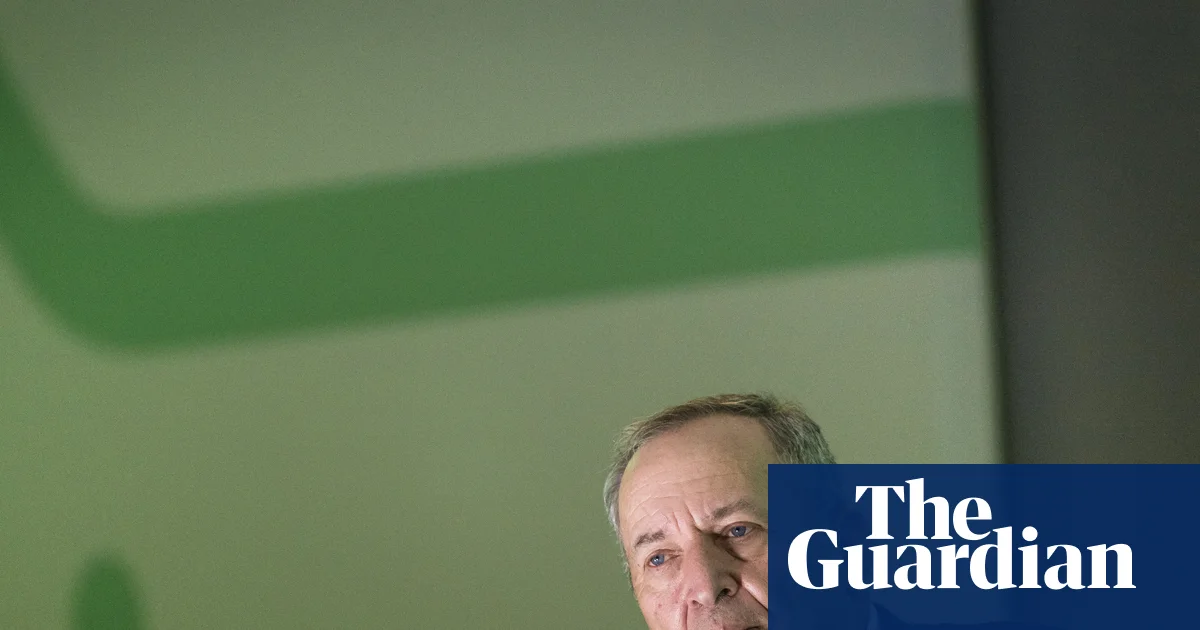
The recent revelations about Larry Summers, a prominent economist and former U.S. Treasury Secretary, have ignited a whirlwind of controversy and a renewed scrutiny of America’s elite circles. Documents released by the House oversight committee unveil a disturbing pattern of elitist entanglements, with Summers exchanging emails with Jeffrey Epstein, the convicted sex offender who referred to himself in one message as Summers’ “wing man.” These disclosures are not just personal failings; they threaten to erode the foundations of trust in institutions that shape global policy and economic leadership.

Analysts contend that the implications extend well beyond individual misconduct. The emails reveal Summers maintaining contact with Epstein despite his 2008 conviction for soliciting prostitution from minors, highlighting a troubling allegory of unchecked privilege and moral decay among America’s ruling class. Democratic voices, including Senator Elizabeth Warren, have called for accountability, arguing that such connections diminish confidence in the very institutions meant to uphold justice and morality. The scandal underscores a wider pattern of elite impunity that critics claim fosters a dangerous disconnect from societal values, with ramifications reaching into global governance.

The Geopolitical Ramifications of Elite Corruption

The fallout from these revelations is fueling calls to reassess America’s leadership credibility, particularly as President Donald Trump has launched a new investigation into Democrat figures linked to Epstein’s network, broadening the scope of the scandal to include questions about how much the inner circles of power may have known or tolerated. Reports suggest that Summers’ relationship with Epstein was more than mere acquaintance—emails reveal Summers sought Epstein’s advice on diverse issues, including funding for personal projects, such as his wife’s poetry, as disclosed by The Wall Street Journal. Such links exacerbate fears that elite networks are more akin to a closed club of self-interest than transparent institutions dedicated to democratic principles.

This narrative echoes concerns raised by international observers that global institutions—be they in Europe, Asia, or beyond—are often disillusioned with Western leadership’s ability to uphold moral authority. The scandal encapsulates a broader issue of how the personal and political intertwine within global policymaking, raising alarms that elite misconduct can undermine international initiatives tackling critical issues such as economic inequality, security, and human rights. Historians warn that when the moral fabric of a nation frays, the ripple effects weaken alliances and embolden adversaries who thrive on discord and decay.

Societal Impact and The Weight of History

Meanwhile, the public outcry continues to intensify, with educators and students at Harvard denouncing Summers’ associations as disgraceful. The scandal resonates beyond national borders, stirring debates about the moral compass of leadership in a world where information and transparency are more accessible than ever. As global tensions rise and international alliances face mounting pressures from emerging geopolitical rivals, the integrity of America’s leadership is under scrutiny. Experts argue that the ongoing revelations serve as a stark reminder: history’s judgment will be harsh on those who abuse their power and betray societal trust.

As the weight of this unfolding saga presses down on political and societal institutions, nations across the world watch with bated breath. For if the moral underpinnings of the West continue to erode under the weight of these scandals, what hope remains for future generations? Will this generation’s choice to shield the corrupt and protect the powerful be recorded as the decline of an era? Or can the winds of justice still sweep away the darkness cloaking the corridors of power? The answers lie in the unfolding pages of history—stories yet written, destinies yet shaped, and the future teetering on the edge of an uncertain horizon.
U.S. Withdraws from G20 in South Africa Over False Claims of White Farmer Abuses

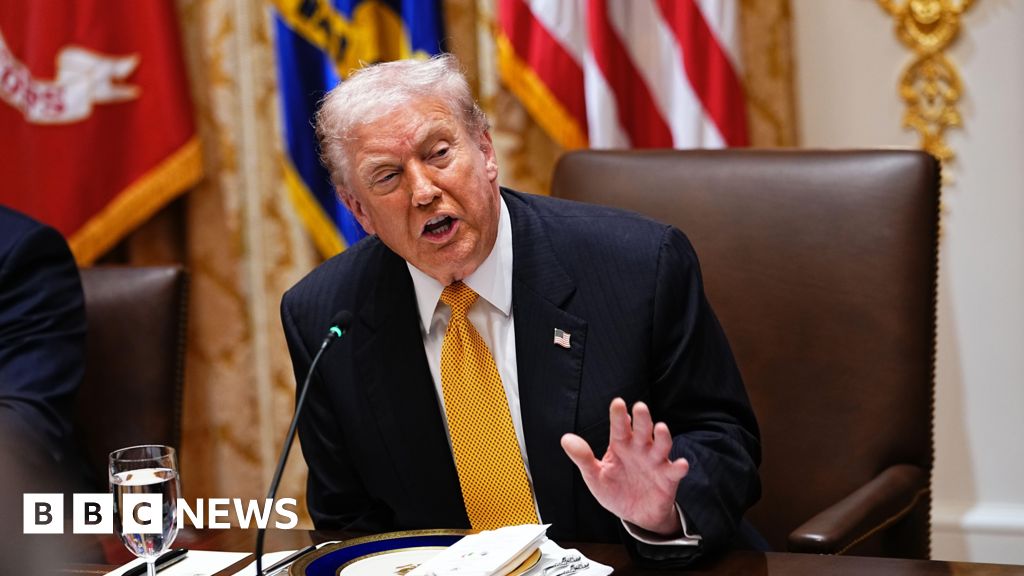
The upcoming G20 summit in Johannesburg has been thrust into chaos amid a diplomatic crisis fuelled by US President Donald Trump. Citing discredited claims of persecution of white South Africans, Trump announced that the United States will refuse to participate in the gathering of the world’s leading economies. His provocative assertions, which paint South Africa as a nation gripped by racial violence and human rights abuses, are widely considered to be a strategic move to ignite international controversy. The decision underscores the growing divergence between Washington and Johannesburg, and spotlights the shifting landscape of geopolitical influence.

South Africa’s government promptly dismissed the claims as “widely discredited and unsupported by reliable evidence,” with officials asserting that no credible genocide or systematic persecution of white minorities exists within their borders. Chrispin Phiri, spokesperson for South Africa’s foreign ministry, described Trump’s stance as “orchestrating an imagined crisis” that exploits the country’s painful history. Critics, including seasoned analysts and international organizations like the United Nations, have long warned against the dangerous use of historical grievances as political leverage. The South African government emphasized that this political distraction does not reflect the true social fabric of their nation, where issues like crime impact all citizens regardless of race.

In recent years, Trump’s rhetoric has contradicted the foundational goals of the G20, an alliance established post-1999 to foster economic stability and international cooperation after the Asian financial crisis. Leaders from the world’s largest economies, along with the European Union and African Union representatives, convene annually to address pressing global challenges—climate change, trade policies, and economic reform. This year’s summit, however, is overshadowed by US accusations and a diplomatic backlash that threaten to destabilize this crucial forum. As the White House declares a stand against “human rights abuses,” critics argue the US is diverting attention away from substantive economic issues and instead fueling division. Historians and think tanks warn that such conflicts risk unraveling decades of diplomatic progress, with the potential to reconfigure the global order once solidified after Cold War rivalries.

Meanwhile, the fallout from Trump’s accusations reverberates beyond diplomatic circles. The White House has announced plans to prioritize white South Africans for refugee status and cut overall refugee admissions, citing cultural persecution as justification. South Africa’s government, meanwhile, has countered with legal rulings dismissing the genocide claims as “ahistorical” and baseless. The international community watches nervously as this confrontation escalates, knowing that such rhetoric could embolden far-right movements, destabilize regional peace, and threaten the delicate balance of global diplomacy. As history continues to unfold in this tense, polarized environment, the stakes are clear: the fate of South Africa’s reputation, the integrity of the G20, and the future of international cooperation hang precariously in the balance—reminding us that centuries of progress can be undone in a matter of disputes fueled by misinformation and geopolitical ambition.

Afghanistan Withdraws from Cricket Series in Protest Over Pakistan Airstrike Killings

International Tensions Reach Boiling Point as Afghanistan Cuts Ties in Sport and Peace Talks Show Fragility

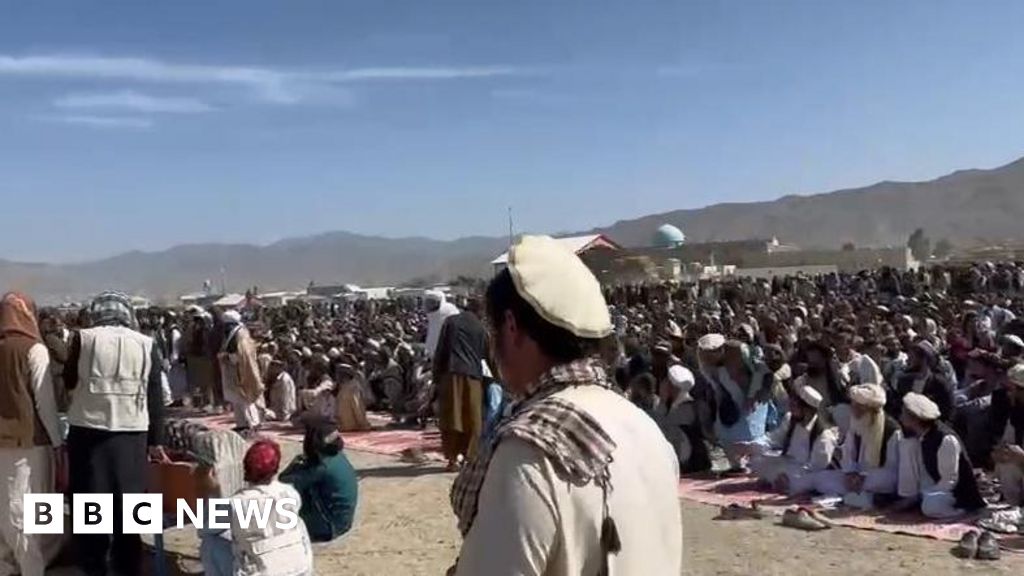
The international community faces a precarious moment marked by escalating violence and fragile diplomacy between Afghanistan and Pakistan. In a dramatic display of national grief, Afghanistan’s cricketing authorities have announced their withdrawal from a tri-nation T20 series scheduled for November, after three young Afghan cricketers were tragically killed in an air strike. The attack, described by Afghanistan’s Cricket Board as targeted and carried out by Pakistan’s regime, underscores the deeply intertwined nature of regional conflict and cultural identity.

This incident not only devastates Afghanistan’s burgeoning sports scene but also highlights the profound impact of military conflicts on societal cohesion. As noted by international analysts, the deaths of Kabeer Agha, Sibghatullah, and Haroon—who did not even represent the national team—are emblematic of how conflict permeates every facet of life, from sports to national morale. The International Cricket Council expressed deep sadness and condemned the violence, framing it as a tragic loss for the entire cricketing family. Yet, beyond the sporting arena, the violence has broader geopolitical implications, threatening the stability of a region already scarred by decades of conflict.

Amid these tragic events, efforts are underway to forge some semblance of peace through diplomatic channels. A temporary truce has been announced, extending for 48 hours to facilitate negotiations in Qatar, as Afghan and Pakistani delegations meet to address border tensions and cross-border terrorism. Former Afghan President Hamid Karzai called for reconsideration of Pakistan’s policies, urging a move toward civil and cooperative relations—an appeal echoed by regional observers who see the current approach as a cycle of provocations and reprisals. However, Pakistan’s official stance remains defensive, with Defense Minister Khawaja Asif emphasizing ongoing efforts to curb militant activities, claiming that recent strikes targeted militants and not civilians.

This fragile diplomacy comes at a crucial moment when Islamabad’s claims of counterterrorism efforts clash with local reports of civilian casualties, fueling mutual accusations. The situation on the border remains tense, with casualties reported on both sides, further complicating prospects for peace. Historians and security experts warn that unresolved border disputes and cross-border militancy threaten to unravel hard-won diplomatic advances, risking another cycle of violence with profound regional and global repercussions. As international powers watch nervously, the region’s trajectory hangs in a delicate balance, where each decision could either pave the way for reconciliation or thrust the region into renewed chaos.

As the shadows of war lengthen across this borderland, the voices of youth and hope within Afghanistan and Pakistan seem drowned out by the relentless echo of violence. The deaths of promising cricketers symbolize far more than a tragic loss—they are a stark reminder of how war’s destructive hand reaches into every corner of society, dismantling dreams and futures. As historians speculate on the unfolding chapters of history, the weight of tension presses heavily on the shoulders of nations eager for peace but unable to escape their turbulent past. The world watches as this fragile peace hangs by a thread, its next move potentially sealing the fate of an entire region, where the echoes of conflict threaten to drown out the possibility of coexistence—leaving history still in the making, with the future uncertain and the stakes higher than ever.

Ceasefire Holds as Israel Withdraws from Gaza—A Step Toward Stability

In a development that grips the world’s attention in an era rife with conflict and shifting alliances, Israel and Hamas have entered a fragile ceasefire agreement that marks a significant yet uncertain pause in the ongoing tumult in Gaza. The agreement, which came into effect on Friday morning, signals a potential turning point in one of the most protracted and devastating conflicts in recent Middle Eastern history. According to statements from the IDF, Israeli forces have begun a *partial withdrawal* from parts of Gaza, retreating to a predefined “yellow line”—a stark recognition of both the military realities on the ground and the diplomatic pressures shaping this ceasefire. While some troops have moved back, a substantial presence remains, underscoring the tentative nature of this respite as both parties signal their readiness to shift towards negotiations amid ongoing violence.

At the heart of this diplomatic gamble lies a complex, multifaceted agreement negotiated under the auspices of U.S. President Donald Trump and international mediators. Under the terms, Hamas has a deadline of 12:00 local time on Monday to release all Israeli hostages—registering the critical human stakes involved. Reports indicate that at least 20 of these hostages are confirmed to be alive, with up to 28 remains held. Conversely, Israel has committed to releasing approximately 250 Palestinian prisoners, including those serving life sentences, with some slated for transfer to the West Bank and East Jerusalem. In another significant move, over 1,700 Palestinian detainees are expected to be liberated, signaling a major humanitarian gesture amid the chaos that has engulfed the territory. Aid agencies are meanwhile hopeful, with around 600 aid lorries scheduled to deliver necessities to Gaza daily; however, the actual impact on the ground remains murky as aid distribution continues to be hampered by ongoing hostilities and logistical hurdles, emphasizing the underlying hardship facing Gaza’s desperate population.

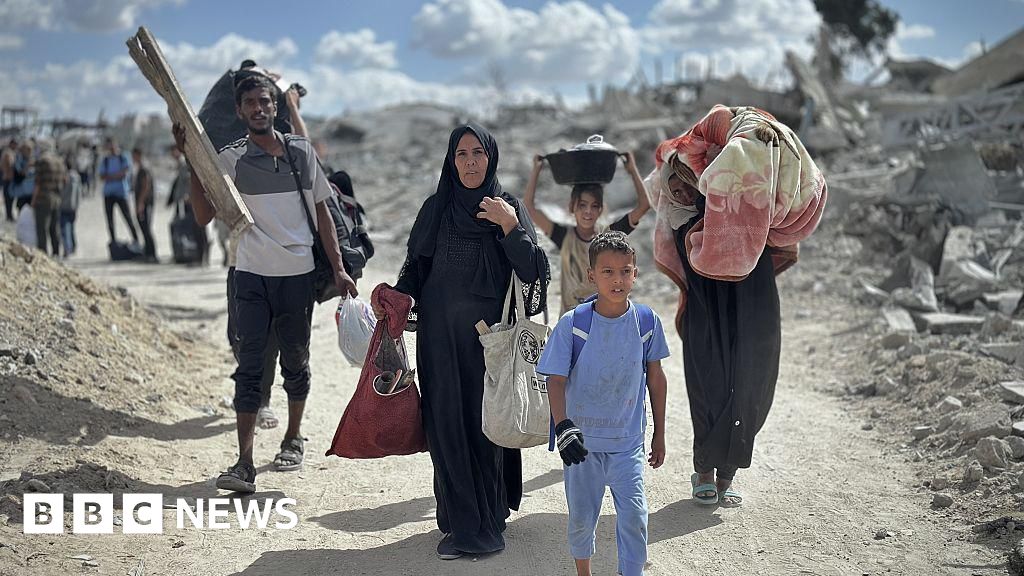
This flurry of diplomatic and military maneuvering comes at a devastating human cost, with reports from the UN-backed experts declaring a famine in parts of Gaza—the first such declaration in recent history. Over 500,000 residents face “catastrophic” conditions characterized by starvation and destitution, despite repeated denials from Israel about any deliberate starvation policies. The destruction left by months of relentless Israeli airstrikes is evident on the ground, where entire neighborhoods, including Sheikh Radwan and Sabra, lie flattened under layers of rubble. Thousands of Palestinians, many malnourished and exhausted, are walking long distances toward the north, seeking safety or reclaiming their homes amid the ruins. The scenes reveal a community on the brink—its societal fabric torn, its future uncertain—a stark reminder that beneath the veneer of diplomatic progress, the suffering persists, echoing the urgent warnings of international analysts and historians about the potential for this ceasefire to be just a brief pause rather than a resolution.

From the global arena, the geopolitics of Gaza’s evolving situation continues to evolve with profound implications. The presence of up to 200 US troops moving into Israel to monitor the ceasefire underscores the increasing military footprint of major powers in the region, balancing fragile diplomacy with strategic interests. Meanwhile, Israel’s Prime Minister Benjamin Netanyahu claims he is “fulfilling” a promise to recover all hostages, framing this agreement as a step toward disarmament and demilitarization of Hamas—ambitions that Hamas itself has rejected, insisting that Gaza’s governance remains an internal Palestinian matter. Critics and international observers alike warn that the current negotiations may merely serve as a veneer for deeper geopolitical struggles, where the shadow of the U.S. and regional powers looms large over the future of Palestinian sovereignty. The war, ignited in October 2023 after Hamas-led attacks that resulted in devastating casualties, has already claimed over 67,000 Palestinian lives—including more than 18,000 children—fueling accusations of genocide leveled against Israel by some UN officials and leading to fierce denunciations and outright denials from Jerusalem.

As history continues to unfold in this volatile landscape, the world watches with bated breath. Stories of despair are intertwined with fragile hopes for peace, but beneath it all lies an enduring truth: the long road to lasting stability is strewn with sacrifice, lost lives, and unanswered questions. With each setback and tentative breakthrough, the weight of history presses down, reminding all that in Gaza, as in much of the Middle East, the struggle for sovereignty, survival, and dignity remains an ongoing battle—one where the outcome remains uncertain and the stakes could not be higher.

Social Media Auto Publish Powered By : XYZScripts.com