

International Reflections on Justice and Power as Allegations Reshape Societies
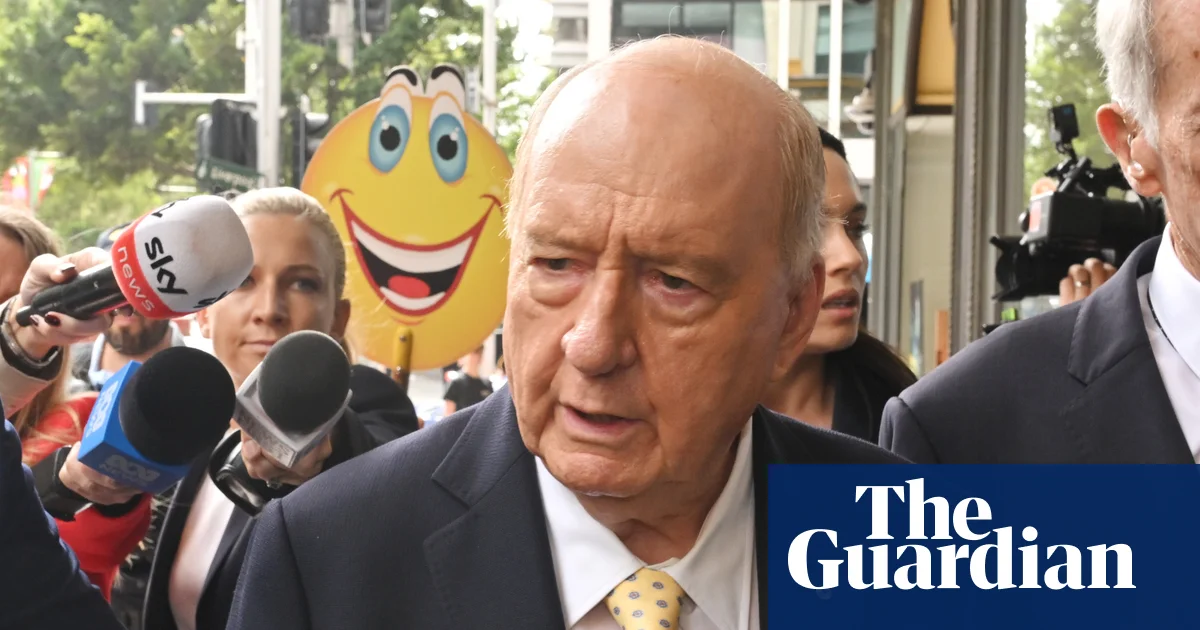
In recent times, global institutions and nations face an extraordinary level of introspection as deeply personal legal battles unfold within national borders, illustrating how legal processes can mirror broader societal shifts. The controversial case of Alan Jones, an influential media figure in Australia, exemplifies a crucial turning point in how societies scrutinize authority, reputation, and the power dynamics embedded within public discourse. As Jones stands accused of serious sexual misconduct, a broader dialogue emerges about the intersection of justice, freedom of speech, and societal values on a global scale, echoing debates across democratic and authoritarian regimes.
This case underscores the geopolitical impact of national legal proceedings that extend beyond borders. While Jones’s trial is rooted in local Australian law, the ripple effects reach into international discussions about truth-seeking and accountability—themes universally resonant in a world grappling with #MeToo movements and the fragile balance between individual rights and societal stability. Historians and analysts note that such legal controversies, especially involving figures of magazine prominence, serve as test cases where societal norms, media influence, and political agendas converge, revealing the underlying fault lines in liberal democracies. The international community watches keenly, knowing that outcomes here could influence future standards of accountability and defamation laws across nations striving for justice in complex media landscapes.
Furthermore, the case of Alan Jones puts a spotlight on the judicial processes that shape how crimes are investigated and prosecuted in the digital age. The ongoing legal dispute illustrates how information—particularly sensitive evidence—can be weaponized or obscured, prompting global institutions like the United Nations and European Court of Human Rights to increasingly focus on safeguarding due process. The controversy also raises crucial questions: When allegations threaten a figure’s reputation, how do societies balance due process with the demand for transparency? The delayed handling of evidence, navigating issues of privilege and privacy, exemplifies the complex international negotiations necessary to uphold justice across borders, especially when accusations involve multiple jurisdictions.
In essence, the narrative of Alan Jones transcends Australia’s shores—serving as a reflection of the worldwide scramble to redefine societal values amidst rapid cultural shifts. As political analysts suggest, the decision to either support or condemn influential figures like Jones forms a barrier in the often turbulent path toward societal renewal. The case echoes a cautionary tale: that even the most powerful voices may find themselves operating under the very scrutiny they once wielded—signaling upheaval in how #freedom of speech and moral accountability are negotiated in the 21st century. The unfolding legal drama underscores that history constantly teeters on a knife’s edge, with each new revelation potentially tipping the scales toward justice or chaos. The world remains ever-watchful, knowing that in this age of culture wars and digital transparency, today’s courtrooms could shape the global fabric of societal morality for generations to come.





