
Matox News

Truth Over Trends, always!

Her Father's Gaza War Grave Destroyed by Israel: Aussie Military Woman Seeks Justice and Truth
Her Father’s Gaza War Grave Destroyed by Israel: Aussie Military Woman Seeks Justice and Truth

The ongoing conflict in Gaza has once again underscored the devastating consequences of regional instability on historical and national memory. Recent satellite imagery reveals significant damage and possible destruction of the Gaza War Cemetery, where Australian soldiers from World War II are buried. The mutilation of these graves, reportedly caused by the Israel Defense Forces (IDF) during military operations, has stirred a global outcry, especially among families of the fallen and nations who hold those sacrifices sacred. Wilma Spence, among many, mourns the apparent obliteration of her father’s grave—an act she perceives as a profound disrespect to those who served and died for freedom.

This incident exemplifies how international conflicts are not contained solely within theatres of war but have profound effects on societal memory and diplomatic relations. The IDF’s justification—that graves were destroyed to address “underground terrorist infrastructure”—fails to quell skepticism among international observers and veteran communities. The Commonwealth War Graves Commission has expressed concern over the damage, with experts warning that the full extent of destruction may take years to repair. Such actions, analysts argue, threaten to rewrite history and undermine the moral authority of nations committed to safeguarding their war dead—especially when these graves symbolize sacrifice amid the chaos of global confrontation.

The geopolitical impact of these incidents extends beyond grief. Regional powers like Israel are engaging in complex military operations that often blur the lines between combatant and civilian zones, raising questions about international accountability. The diplomatic fallout influences alliances, aid policies, and international perceptions of legitimacy. The withdrawal or destruction of war graves challenges the notion of respect for tradition and international law, igniting debates on how contemporary military actions should reconcile with historical memory. Experts from institutions like The International Crisis Group warn that such acts may fuel resentment and be exploited by proxy groups, jeopardizing prospects for lasting peace in the region.

Meanwhile, families of the fallen, such as Wilma’s, highlight the broader social consequences. The loss of grave sites not only erases physical symbols of heroism but also scars collective memory and national identity. Wilma’s persistent efforts—writing to government officials and demanding accountability—illustrate the ongoing struggle of societies to reconcile military necessity with moral obligation. As President Isaac Herzog of Israel prepares to visit Australia amidst rising tensions, the question remains: will world leaders uphold their responsibilities to preserve history, or will the tides of warfare continue to wash away the foundations of collective remembrance?

The future of international diplomacy hinges on how these controversies are addressed. Will international organizations step in to enforce respect for war graves, or will regional and global powers prioritize strategic interests over historical dignity? The unfolding narrative leaves an indelible mark, emphasizing that in a world fraught with conflict, history—whether in the form of graves or memories—is both a heritage and a battleground. As witnesses like Wilma watch their ancestors’ resting places vanish, the weight of history presses heavily on the present, casting a shadow over the promise of peace and remembrance. The story of the Gaza war cemetery is not merely about physical destruction; it is a stark reminder that the consequences of war resonate across generations, shaping the destiny of nations and the moral fabric of humanity itself.”

Brett Ratner, Melania's former director, spotted with woman in Epstein files—what's really going on?
Brett Ratner, Melania’s former director, spotted with woman in Epstein files—what’s really going on?

The recent release of photographs featuring American financier Jeffrey Epstein alongside entertainment figure Glenn Ratner and unidentified women has sent ripples across the international community, coinciding with Ratner’s controversial documentary about the First Lady of the United States. These images, emerging on the same day, have re-ignited debates over elite networks and their influence on global politics and society. While some may dismiss them as personal scandals, analysts and geopolitical observers recognize a deeper significance rooted in the power dynamics of transnational elites that span borders and disciplines.

The timing of this revelation is often viewed by experts as a calculated move, designed to divert global attention from more pressing geopolitical shifts. According to international relations scholars, the interplay between scandal and political discourse illustrates the fragility of public trust in institutions—particularly when intertwined with influential figures connected to wealth, power, and political agendas. The images highlight a broader concern: how clandestine associations among the world’s elite can impact governance, policy decisions, and international stability. From the corridors of Washington to diplomatic capitals worldwide, questions are emerging about the extent to which such networks control or influence paramount issues ranging from economic policy to national security.

In response to the fallout, numerous organizations and analysts have voiced warnings about the potential erosion of transparency and accountability. For instance, the European Council on Foreign Relations emphasizes that these revelations underscore the importance of scrutinizing transnational elite connections, especially in an era marked by rising geopolitical tensions. The United Nations and other international bodies continue to call for investigations into these influential circles. Meanwhile, historians warn against dismissing such scandals as mere distractions. Instead, they argue that these incidents are *markers* of larger shifts that threaten to redefine the balance of power—fostering a new era of clandestine diplomacy that operates beneath the veneer of public scrutiny.

As the world watches, the narrative remains unwritten; history’s pen continues to inscribe each development with profound consequences. The revelations serve as a stark reminder that the forces shaping our future are often hidden behind the facade of civility and diplomatic protocol. Whether these images will herald a decisive turning point or fade into the background remains uncertain. Nonetheless, the weight of history presses heavily on current events, urging societies to reflect on the unseen currents that now threaten the foundations of democratic transparency and international order. As the shadows lengthen over the corridors of power, only time will reveal the true scope of this unfolding story—an epoch where alliances, secrets, and scandals may determine the trajectory of nations for generations to come.

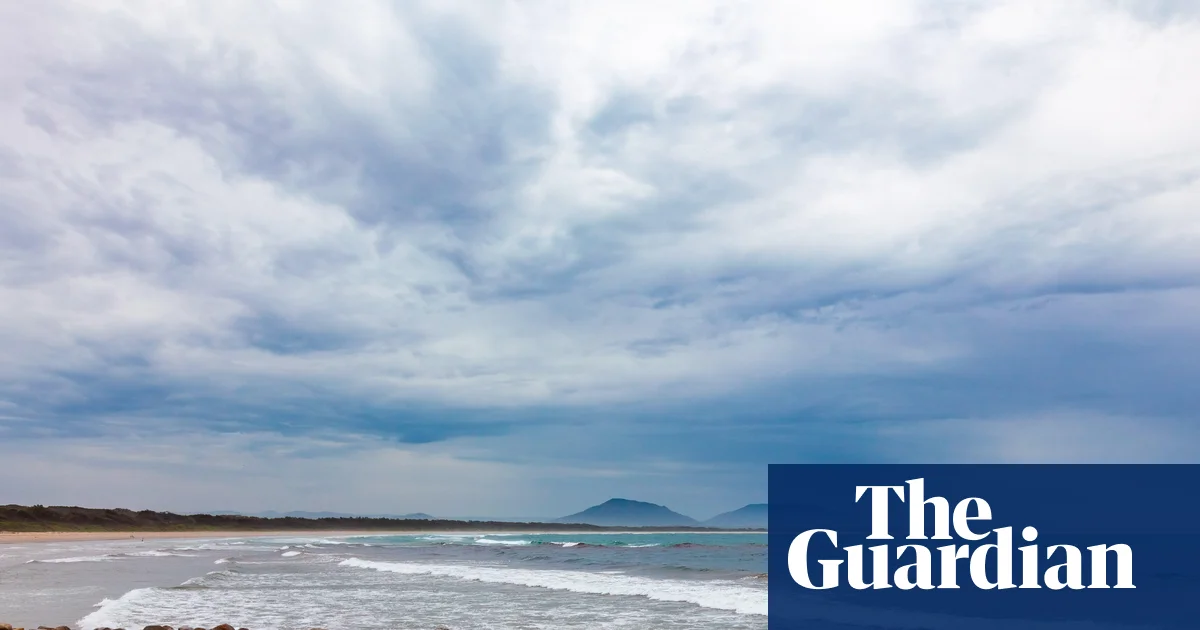
Australia Shark Attack: Woman Killed, Man in Critical Condition on NSW Beach

Rising Tragedy on Australia’s Shores: A Wake-Up Call for Global Marine Safety

In the latest chapter of Australia’s ongoing struggle with marine safety, a tragic shark attack on the New South Wales mid-north coast has resulted in the death of a woman in her 20s at Kylies Beach. Emergency responders responded swiftly early Thursday morning, but despite their efforts, the woman succumbed to her injuries at the scene. The incident also left a man critically injured, though he is now reported to be in a serious but stable condition. Such events have become a stark reminder of the increasing dangerous interactions between humans and marine life, sparking debates on how international communities should address the rising threat of shark attacks amid climate shifts and human encroachment.

Australia’s rising number of shark bite incidents has raised alarm bells across the international community, with experts citing an unprecedented increase in unprovoked bites over the last two decades. According to Prof. Charlie Huveneers from Flinders University, while the surge in water activities among Australians contributes to the risk, other factors—possibly including climate change, coastal development, and shark migration patterns—are fueling an intensifying threat. Over the past year alone, Australia has experienced five fatalities due to shark attacks, with the current year marking 13 unprovoked bites—10 fewer than 2023 but still indicative of a troubling trend.

Local authorities, responding to the incident, promptly closed Kylies Beach and deployed advanced “smart” drumlines equipped with real-time shark monitoring capabilities. These non-lethal devices, which use baited hooks to lure and tag sharks before releasing them back into open waters, exemplify innovative strategies being considered by international marine safety agencies. A report from the Department of Primary Industries (DPI) aims to identify the species involved and assess the ongoing threat, demonstrating Australia’s commitment to balancing ecological integrity with human safety. Such measures, along with drone surveillance, highlight how technology is increasingly critical in managing human-wildlife interactions on a global scale. However, international experts note that while these efforts are vital, they remain only part of the solution, as the root causes of rising shark encounters are complex and multi-faceted.

Looking beyond Australia, the geopolitical impact of marine safety and climate-related shifts in marine ecosystems could have far-reaching consequences. Nations with extensive coastlines—such as the United States, South Africa, and countries across Southeast Asia—are closely watching Australia’s approach, as the patterns of shark migrations and oceanic changes are global phenomena. As international organizations like the United Nations Environment Programme (UNEP) caution about climate change’s role in altering marine biodiversity, analysts warn that uncoordinated responses could exacerbate tensions and threaten maritime economies. Historians and environmental experts emphasize that these incidents are a “turning point,” underscoring the urgency of collective global action on climate mitigation, marine conservation, and sustainable tourism. Failing to act decisively may result in an era where coastlines are plagued by ever-increasing dangers, and societies are forced to confront the devastating costs of ecological neglect.

In this unfolding saga of survival and sovereignty over the seas, the incident at Kylies Beach serves as a visceral warning—one that underscores how decisions made today will carve the contours of future generations’ relationship with the ocean. As history rushes forward, the question remains: will humanity learn to coexist with these majestic but unpredictable creatures, or will we continue to witness tragedies that echo through the corridors of time? The weight of this moment rests heavily on the shoulders of international leaders, environmental strategists, and communities alike. The tide is turning; the narrative of human stewardship over the ocean is still being written, and the world hangs in the balance as nature’s patterns reveal that no coast, no matter how remote, is immune to the profound shifts underway.

Woman sentenced to 20 years for deadly attack on Aussie surfers and American in Mexico

The recent tragic murders of three international tourists in Baja California have sent shockwaves through global communities and ignited debates on security and geopolitical stability in the region. The victims—Australian brothers Jake and Callum Robinson, aged 30 and 33, and American Jack Carter Rhoad, 30—symbolize the increasing vulnerability faced by tourists crossing international borders, especially in areas plagued by organized crime. Mexican judicial authorities announced that Ary Gisell Silva, a 23-year-old woman, received a 20-year prison sentence for her direct involvement in instigating and participating in the robbery that ultimately led to their death. This heinous crime underscores a persistent issue: how uncontrolled criminal activity in border regions threatens international security and the reputation of Mexico as a tourist destination.

The geopolitical impact of this incident extends beyond the borders of Mexico. The tragedy intensifies a broader concern among Western nations regarding safety in their citizens’ travel zones, especially in regions bordering the United States. International organizations like the United Nations Office on Drugs and Crime have long warned about the proliferation of violence and organized crime in Mexico, which often spills over into neighboring countries. Analysts suggest that such violent outbreaks not only discourage tourism but also weaken diplomatic relations, prompting governments to reconsider their travel advisories and security cooperation strategies. These developments jeopardize economic and diplomatic ties, emphasizing that violence in regions like Baja California is not just a local issue but a matter of global concern.

Recent history documents a pattern of violence, with other foreign tourists falling victim to criminal activity in Mexico’s Pacific coast regions. In 2015, a notorious attack saw two Australian surfers, Dean Lucas and Adam Coleman, murdered and later burned in Sinaloa. Such incidents serve as stark warnings that criminal enterprises have entrenched themselves deeply within parts of Mexico, intentionally targeting tourists to promote fear and chaos. International observers argue that these recurring tragedies expose underlying geopolitical vulnerabilities and demand urgent action. International organizations and security analysts warn that unchecked violence fuels instability, with ramifications that could reverberate globally if coordinated efforts are not prioritized.

As authorities aim to bring justice for the victims, the broader challenge remains: protecting life and restoring confidence in regions marred by crime. The Mexican government faces mounting pressure to clamp down on organized crime and demonstrate its commitment to safety, not only for its citizens but for international visitors whose livelihoods and families depend on secure borders. Meanwhile, the incident underscores the importance of a strategic reassessment by global actors, emphasizing cooperation and intelligence-sharing to combat transnational criminal networks. The unfolding story leaves us pondering whether the tide can truly be turned or if this is only the beginning of a darker chapter that will reshape how nations view security and sovereignty in the 21st century. Ultimately, the weight of history presses heavily on the collective conscience, reminding us that the choices made today will profoundly influence the safety and stability of future generations.

Delivery driver jailed for killing man aiding woman in wedding fight

In a world increasingly marked by instability and local conflicts, the recent case of Hassan Jhangur’s criminal actions in the United Kingdom underscores the profound consequences of unchecked violence. Jhangur, a 25-year-old man, was sentenced to a minimum of 26 years in prison after deliberately running his car into a group of innocent bystanders, tragically killing Chris Marriott, a 46-year-old food delivery driver and a man known for his compassion and community service. This heinous act, rooted in a family feud that culminated in a public dispute, exemplifies how personal conflicts can erupt into catastrophic events, threatening societal stability and human lives. Local authorities and judges alike recognize that such senseless violence leaves a scar not only on the victims and their families but also on the fabric of society itself.

This incident provides a stark reminder of how domestic disputes and familial rivalries sometimes spill over into the wider community, with devastating consequences. The court proceedings revealed a narrative of deep-seated tension, precipitated by a wedding celebration weekend that turned into chaos and ultimately tragedy. Witnesses testified that the collision was not accidental but a calculated attack, with Jhangur intentionally targeting bystanders in a moment of fury. The courtroom verdict highlighted the deliberate nature of the violence, with Judge Morris condemning it as “hot-headed and wanton.” Such cases act as a rallying point for international organizations like the United Nations and Interpol to emphasize the need for stronger mechanisms to prevent violence rooted in social discord, which can have ripple effects far beyond local communities.

From a geostrategic perspective, the impact of localized violence extends into broader geopolitical dynamics, especially in an era where nations are grappling with internal divisions and external threats. Countries like the United States, Russia, and China face their own internal tumult, but incidents like Jhangur’s demonstrate that internal disputes, if unresolved, threaten national stability and international peace. Analysts warn that such acts of unchecked violence can be exploited politically, leading to increased social polarization and possibly fueling social unrest that affects regional security. The case also echoes a warning issued by countless historians and international experts that domestic violence and societal breakdowns often serve as precursors to larger conflicts, weakening nations from within while adversaries look on with strategic interest. The violence in Sheffield might be a microcosm of the dangerous fragility of social order across the globe, urging policymakers to prioritize social cohesion and community resilience.

As the world watches, the tragic story of Chris Marriott’s death becomes a poignant chapter in a larger, ongoing narrative—that history is often shaped not just by grand diplomatic treaties or military conflicts, but also by individual acts of violence and societal breakdowns. The weight of these moments lingers in the collective consciousness, urging nations to reflect on basic human values and the importance of justice and social harmony. The coming years will reveal whether such tragic incidents serve as catalysts for meaningful change or simply fade into the background of a tumultuous world. Yet, the lessons remain clear: in a world teetering on the edge of instability, every act of violence leaves an indelible mark, and history’s pen continues to write its story, one tragic event at a time.

Mississippi Woman Shoots Escaped Monkey After Truck Crash

In a startling incident that briefly captured international attention, a laboratory monkey escape in Mississippi highlights the growing risks associated with scientific research conducted in the United States and the potential public dangers posed by lab animals. On 28 October, a truck crash resulted in the escape of several Rhesus monkeys from the Tulane University National Biomedical Research Center in New Orleans. While local authorities quickly responded by capturing or killing the animals, the incident has ignited broader debates about biomedical research safety and public health protocols across borders. As the world watches, the incident underscores the delicate balance between scientific progress and national security concerns.

The event took a dramatic turn when one of the monkeys was shot and killed by a homeowner in Mississippi. Jessica Bond Ferguson, a mother of five, justified her decision by emphasizing her fears for her children’s safety after learning that the escaped animals might carry diseases. This decision, though personal, echoes a wider international debate about the adequacy of biosafety measures and the potential hazards of holding dangerous organisms in urban or semi-urban environments. Local authorities confirmed that the monkeys, initially suspected of carrying infectious agents such as herpes, were confirmed by Tulane University to be disease-free. Nonetheless, the incident raises questions about biocontainment failures and the potential for zoonotic transmission—a topic of rising concern among global health experts.

From a geopolitical perspective, the incident exposes vulnerabilities within the U.S. biomedical research infrastructure that could ripple globally. International organizations such as the World Health Organization frequently emphasize the importance of stringent safety standards in handling research animals, especially when their origins include research facilities that routinely distribute primates internationally. The incident’s timing coincides with blaring warnings from analysts about the necessity of > u>enhanced biosecurity measures to prevent accidental releases, which could serve as vectors for emerging infectious diseases—a risk with potential to destabilize regions or hamper international cooperation. The incident also contrats the narrative that scientific research is always contained; instead, it presents a stark reminder that gaps in protocol can result in unpredictable outcomes with global consequences.

The international community watches as he aftermath unfolds, aware that such incidents are not solely local—they reflect broader issues of transnational bioethics and scientific oversight. Would-be critics argue that the incident underscores the urgency for international treaties and standardized safety protocols for research involving dangerous pathogens and primates. As delicate as this situation remains, its implications extend into debates about global health security, international research accountability, and the role of nations in safeguarding against biohazards. These incidents remind us that, within the relentless march of science, humanity must remain vigilant. History continues to be written in moments of crisis like this—a stark warning that advances in science can come with profound and unpredictable consequences.

Woman who skipped Italy trip loses child benefits, sparking debate on social spending

The recent episodes within Britain’s welfare and social security framework underscore a profound shift in how social issues are approached, driven by data inaccuracies and strict policy enforcement. In a society where family stability depends on reliably accessible benefits, the stories of families like Sally’s reveal the harsh repercussions of a system increasingly reliant on incomplete or flawed data. Despite the apparent intent to curb welfare fraud, the implementation has inadvertently targeted law-abiding citizens, exposing a societal tension that demands urgent reform.

During a routine holiday to Italy, Sally’s family encountered a bureaucratic nightmare when HMRC wrongly inferred her family had emigrated, leading to the abrupt stopping of child benefits for her three children. This was not a case of fraud but rather a consequence of disconnected and incomplete official records—a pattern that has affected over 23,500 families in recent weeks, as documented by reports. Sociologists such as Patrick Nolan highlight that these policies, which rely on data from the Home Office and airline booking systems, fail to account for the complex realities of modern families. The reality is that many families, like Sally’s, are victims of a ‘digital dragnet’ where administrative errors create devastating human impacts, especially for children directly affected by the loss of vital support.

This situation spotlights significant social fabric concerns—families, already strained by economic pressures, are now battling a system that treats their circumstances as mere data points. Children’s welfare hinges on benefits that, when unjustly cut, threaten their education, health, and stability. Ethical questions surround the moral responsibility of government institutions that must balance the need for fraud prevention with the humane treatment of their citizens. The stories of families like Alex’s, who had voluntarily opted out of benefits but faced threats otherwise, exemplify how misuse or misinterpretation of data can generate overreach and erode trust in social services. Experts like sociologist Alice Smith warn that such policies risk alienating communities, fostering a sense of mistrust that undermines social cohesion.

Critics argue that the current effort to save millions annually might come at an unsustainable moral cost. The psychological toll on families subjected to intrusive data demands—such as bank statements, insurance claims, and travel evidence—raises fundamental questions about privacy and individual rights. HMRC’s recent reevaluation and apology indicate a recognition of errors, yet the damage inflicted on families remains. As historian Dr. John Carter observes, history shows that overly bureaucratic systems tend to alienate citizens when they forget the human element. Going forward, a balanced approach that uses comprehensive data verification while safeguarding personal dignity is essential if society is to foster trust and resilience in its social safety net.

In the tangled web of policies and technological reliance, society faces a vital challenge: transforming a system that, in its current form, risks alienating the very people it aims to serve. Ensuring that families are protected, communities restored, and social justice upheld requires more than just algorithms and data—what is needed is a moral commitment rooted in understanding and respect for human dignity. As society strives to adapt to these evolving social issues, the hope remains that genuine reform—based on integrity, transparency, and compassion—can eventually illuminate a path toward a more equitable future where the safety net is not woven from flawed data but from unwavering human trust.

Outback Tragedy: Man and Woman Shot Dead in NSW Wilderness

Fatal Underground Explosion at Australia Mine Shakes Community and Global Industry

The recent tragic incident at the Endeavour mine in New South Wales marks a sobering chapter in Australia’s mining history, reminding the world of the enduring risks faced by workers in resource extraction industries. Two lives were lost in an underground explosion—an event confined to the remote town of Cobar, but one with implications that resonate far beyond the Australian continent. The incident—first since 2015—raises critical questions about safety protocols, corporate accountability, and the ongoing balance between economic development and worker protection.

According to authorities, an underground explosion claimed the lives of a man in his 60s and a woman in her 20s, with another woman sustaining minor injuries. Emergency responses revealed a community gripped by tragedy, as local officials, including Cobar Mayor Jarrod Marsden and NSW Premier Chris Minns, extended heartfelt condolences. The response from government and industry highlights an understanding that such fatalities are not only tragedies but stark reminders of the vital importance of safety standards in dangerous sectors that underpin national economies. Authorities have announced a comprehensive investigation, including a report for the coroner, emphasizing that, despite improvements in safety protocols, the risks endemic to mining remain ever-present.

Historically, Australia has maintained a generally low fatality rate in mining, with fatalities rarely occurring since the last major incident in Queensland in 2015. The Endeavour mine—with a history dating back to 1982 and now under new ownership by Polymetals Resources—had resumed operations earlier this year, focusing on precious metals such as silver, zinc, and lead. The mine’s extensive infrastructure—a 7 km decline and 300-meter shaft—underscores the scale and danger of underground extraction. As the Australian government’s Workplace Safety Authority prepares to investigate, analysts warn that the incident could serve as a temporary setback for international confidence in Australia’s mining safety reputation. Many experts point to the fact that despite technological advancements, the inherently hazardous nature of underground mining demands relentless vigilance.

From a geopolitical impact, this tragedy underscores a broader global narrative—one where the demand for critical minerals fuels international competition and economic shifts, often at the expense of worker safety. As nations like China, the United States, and Germany ramp up their resource extraction to secure supply chains for electric vehicles and renewable energy technologies, the safety of workers must remain a core concern. International organizations such as the International Labour Organization emphasize that sustainable development cannot be achieved without safeguarding lives in risky industries. Meanwhile, analysts argue this incident could potentially ripple across global markets—prompting increased regulation and safety measures—affecting how resource-dependent nations strategize their industrial growth.

In a broader, more symbolic sense, this event leaves the world at a crossroads—a place where history continues to unfold with each tragedy and triumph. As communities mourn and authorities vow accountability, the weight of the past presses heavily into the future. Will this tragedy serve as a wake-up call leading to enduring reforms, or will the relentless pursuit of resources once again overshadow the fundamental necessity of worker safety? The unfolding chapters of this incident will determine whether Australia, and by extension the global industry, can forge a safer, more responsible path forward. In the shadow of this explosion, the world is left to ponder whether the sacrifices made underground will ultimately lead to a brighter, safer dawn or whether history’s dark lessons will be ignored once more.

’Kill crew’ reportedly threatened Sydney woman with photos before her murder, police reveal

In a stark reminder that organized crime continues to specialize in brutality and international connectivity, Australia has witnessed a violent and high-profile incident involving a local crime syndicate. According to police investigations, a gruesome murder in suburban Sydney has not only shocked the nation but also raised significant questions about the reach and influence of transnational criminal groups. Three men, who police allege were “guns for hire,” have been charged with the execution-style killing of 45-year-old Thi Kim Tran, found murdered in a burnt-out SUV. This case exemplifies how local criminal enterprises may serve as nodes in the larger web of global illicit networks, impacting national security and societal stability.

The events leading to Tran’s death illuminate a much broader phenomenon: the intertwining of organized crime and international drug trafficking, with some analysts suggesting this incident signals an alarming escalation in criminal violence fueled by potent drug markets. Police allege that the killers, aged 20 to 32, operated as mercenaries, purchasing “kill kits” and procuring clothing to disguise their operations — an indication of a highly organized and well-funded syndicate. Furthermore, investigators have traced these men to connections with criminal groups based in Victoria, involved in theft and drug distribution. The remarkable aspect of this case lies in the suspected high-level ordering—whether from inside Australia or abroad—highlighting an ongoing struggle for sovereignty in the face of transnational criminal influence. The international ramifications are undeniable: such evidence points to illegal operations that could be linked to global drug cartels, with potential repercussions for law enforcement cooperation across borders.

Experts and international organizations, including INTERPOL, warn that this type of violence underscores how criminal organisations are increasingly adopting sophisticated methods that threaten both domestic order and international security. The Australian case has echoes of patterns observed in other parts of the world, where the convergence of organized crime and political or economic interests creates a complex web of influence. The incident also underscores the importance of robust border controls and international data-sharing agreements, as nations grapple with the ways in which illicit activities can seep across borders in the digital age. The case has prompted calls from analysts for increased cooperation and resource allocation to confront these transnational threats, which, if unchecked, could destabilize entire regions.

As the weight of this unfolding story bears down, history reminds us that such violence and crime are not isolated but symptomatic of broader geopolitical shifts. The rise of well-armed, well-funded criminal factions challenges the very fabric of national sovereignty, where cities like Sydney serve as battlegrounds for a clandestine war that refuses to be contained. The arrest of the alleged killers and the ongoing investigation reveal only a fraction of a larger puzzle: a struggle for control over resources, influence, and territory on a scale that transcends borders. In the shadow of this dark episode looms the question: how long before these acts of violence spill into international corridors, threatening peace and security on a broader canvas? History yet again beckons us to watch closely, for in these dark narratives lie the seeds of future upheaval—an enduring reminder that the fight against transnational crime is a pivotal chapter in the ongoing saga of global stability.

Russian woman living in Karnataka cave with kids finally heads back home

Russia recently witnessed a peculiar chapter in its ongoing saga of international migration and human rights complexities, when Nina Kutina, a woman who gained global attention after her discovery living in a cave in India with her young daughters, was finally repatriated. Her case isn’t merely a story of survival; it underscores the broader geopolitical and societal implications surrounding urban migration, refugee management, and international legal responsibilities. While her situation initially drew media focus on her remarkable living conditions—residing in a remote, leaky cave—the geopolitical ramifications resonate far beyond personal hardship, affecting global diplomacy, legal protocols, and the perception of border sovereignty.

India continues to grapple with this complex incident involving Kutina and her children, as the courts navigated the delicate balance between humanitarian intervention and international legal obligations. According to reports, the High Court of Karnataka instructed the federal government to facilitate the return of the woman and her daughters to Russia, citing their lack of valid documents and the need for lawful repatriation. This legal action highlights how international treaties such as the United Nations Convention on the Rights of the Child are interpreted and applied differently across the world, especially in cases involving undocumented migrants or those who have deliberately chosen isolated lives over urban society. Analysts suggest that this case could be a precedent for how third countries respond to unusual migrant situations, especially when they cross into territory of strategic interest.

Yet, beneath the surface, the incident has exposed the underlying tension regarding sovereignty, human trafficking, and the right to self-determination. The woman’s claim of living in caves — and her subsequent rescue — prompted officials to question her motives and the factors driving her drastic choice of refuge. Her lawyer in India, Beena PK, invoked India’s commitment to international conventions to argue against immediate deportation. Conversely, government officials and legal experts pointed to her expressed desire to return to Russia, noting the importance of respecting individual sovereignty and legal extradition protocols. The decision to facilitate her repatriation—amid debates about her motives and well-being—serves as a microcosm of the ongoing global struggle to balance humanitarian concerns with national security and legal sovereignty.

This incident is emblematic of the broader geopolitical impact—highlighting how individual human stories are intertwined with larger international power plays. Navigating the pathways of migration, refuges, or illegal stays often leads to diplomatic tensions, especially when political alliances, legal frameworks, and societal narratives intersect. International organizations like INTERPOL and the United Nations continue to emphasize the importance of protecting human rights, yet their guidelines are frequently tested in such unpredictable scenarios. Historians note that in an era where borders are both vital and vulnerable, decisions made today echo in the corridors of history, shaping the narrative of sovereignty and global justice for generations to come.

Ultimately, the case of Nina Kutina encapsulates an unfolding chapter in a broader narrative of insecurity, migration, and sovereignty that the world must confront. As the woman departs for Russia and society debates her fate, the weight of history hangs heavily—reminding nations that their decisions today carve the contours of the future. The shadows of conflict, diplomacy, and the human spirit intertwine in this story, leaving the international community to ponder: in the relentless pursuit of justice and national integrity, how will the lessons of this seemingly isolated case influence the shaping of global policy? The pages of history continue to turn, and the future remains unwritten, awaiting the decisions that will define the fate of countless individuals caught at the crossroads of human rights and sovereignty.

Social Media Auto Publish Powered By : XYZScripts.com