Matox News

Truth Over Trends, always!

Montana Firefighter and Union Leader Battles to Prioritize Workers' Voice in the Big Sky State
Montana Firefighter and Union Leader Battles to Prioritize Workers’ Voice in the Big Sky State

In an era where geopolitical stability is increasingly intertwined with domestic policy shifts, the United States faces a pivotal crossroads. Recent upheavals within the U.S. Forest Service highlight the deeper fissures in the American political landscape—fissures that echo far beyond the borders of Montana. The abrupt termination of a quarter of Montana’s Forest Service employees, many with decades of service and personal hardship, exemplifies a trend of fiscal austerity measures and ideological assaults on public land stewardship. Such actions raise questions about how the priorities of government influence societal cohesion and the international reputation of a nation that claims to champion environmental conservation and social justice.

The story transcends local employment issues; it illustrates the concerted efforts by political elites, notably former Interior Secretary Ryan Zinke, to leverage public lands for corporate gain. Zinke’s record—characterized by his return to Congress and his tight alignment with industry interests—underscores a broader national and global debate. Critics argue that policies favoring extractive industries, under the guise of defending public lands, threaten not only environmental integrity but also social equity. International watchdogs, like the United Nations Environment Programme, warn of the long-term geopolitical consequences of unchecked resource exploitation—potentially fueling regional conflicts, displacing indigenous communities, and undermining international conservation treaties.

Within this turbulent domestic landscape, independent voices like Sam Forstag are emerging as defenders of the working class. Forstag’s candidacy for Congress disrupts the traditional politicization of public lands and workers’ rights—a battle that resonates globally. His campaign reflects a larger movement rallying around tangible policy solutions, including

  • expanding affordable housing
  • universal childcare
  • reforming healthcare

. Such policies, analysts argue, are essential not only for restoring domestic stability but also for asserting national sovereignty amidst powerful global forces seeking to suppress those who stand for their communities. The debate is about more than elections; it is about the future direction of a nation that once championed individual enterprise and community resilience, now threatened by a tide of corporate imperialism.

As the 2026 midterms approach, the world’s gaze turns to Montana—yet what unfolds there will ripple across seas and continents. The fate of leaders like Zinke and insurgent voices like Forstag is intertwined with the international ecosystem of geopolitics and environmental stewardship. The narrative of American policymaking underpins the shifting alliances and power dynamics that shape global stability. With each contested vote and policy battle, history is being written—one that may determine whether nations capita­lize on newfound unity or succumb to division and exploitation. The weight of history, once unfathomable, now presses firmly on this pivotal chapter: will the choices made today solidify a future of resilience and national sovereignty, or carve a path toward perpetual chaos? The answers remain unwritten, but the story is far from over.

Top 11 Men’s Winter Boots: Picks from Stylists, Antarctic Workers & Dog Mushers for the Coolest Season

As winter lingers into its sixth week, the question for outdoor enthusiasts and style-savvy adventurers alike becomes clear: are your boots ready to conquer the season? While the unpredictable nature of winter weather can seem relentless—snowstorms, icy sidewalks, and frigid temperatures—equipping yourself with the right footwear is your first line of defense. A genuinely lifestyle shift toward embracing high-performance, stylish boots can transform the winter experience from a season of hibernation to one of vibrant exploration. Leading brands like North Face, Blundstone, Meermin, and Fracap increasingly underscore that functional design can seamlessly blend with a bold personal statement, ensuring that staying active and looking sharp go hand in hand.

Among the top contenders for winter dominance are insulated, waterproof boots that don’t merely serve a utilitarian purpose but also fit into modern lifestyles. The North Face Thermoball Traction Booties, with their slipper-like comfort combined with solid grip for icy terrain, exemplify the technological innovations redefining what outdoor footwear can be. For those who prefer a sleeker silhouette, Blundstone’s Thermal Boots provide a perfect balance: lightweight, stylish, and engineered for versatile day-to-night wear. These boots are praised for their easy slip-on design, waterproofness, insulation, and superb grip, rivaling traditional winter footwear in both form and function.

For the style-conscious, brands like Meermin and Fracap offer fresh takes that elevate winter wear into a statement of personality. The Polo Oiled Crossboard Boots from Meermin exhibit a distinctive texture and rugged lug sole, making them ideal for both urban outings and unpredictable outdoor adventures. Meanwhile, Fracap’s M120 Ripple Sole Scarponcino Boots are celebrated for their unique design and durability, perfect for those wanting to stand out while maintaining resilience against the elements. Both brands showcase the importance of craftsmanship and timeless style, reminding us that authentic quality turns mundane routines into inspiring journeys.

Beyond style and durability, functional innovations such as microspikes and overboots cater to the extreme cold. For Arctic expeditions or simply navigating icy city streets, the Neo Overboots and Neos Navigator 5 exemplify wellness-focused design—keeping you warm, dry, and secure. The former are often used by sled dog mushers and seasoned explorers, demonstrating how these tools are about more than fashion—they’re about personal empowerment in the face of nature’s challenges. Similarly, the durable, long-lasting Danner Explorer boots have been hailed by cold-weather experts for their borderline indestructible construction and Vibram outsole that laughs at snow and ice, inspiring us to redefine what “endurance” truly means in our everyday lives.

In the pursuit of embracing an active winter lifestyle, the importance of sneakers or hiking-inspired boots cannot be overstated. A well-chosen pair—informed by wellness experts and cultural influencers—can motivate sustained movement, whether it’s a brisk urban stroll or weekend hikes that reconnect us with nature. By investing in quality footwear, we also honor our health, recognizing that comfort, support, and safety are foundational to a well-rounded, energized life. The journey through winter, much like life itself, rewards those who are prepared: not just with gear, but with the mindset to carve out time for leisure, exploration, and self-care amidst life’s relentless pace.

As the winter winds continue to blow, the reflective thinker recognizes that the true essence of lifestyle is about taking action—choosing gear that inspires confidence, comfort, and style. The act of lacing up a pair of resilient boots becomes symbolic of stepping into a season of opportunity, seizing the moments when the world whispers, “Go,” even in the coldest of days. Because, in the end, the season isn’t just about enduring winter—it’s about embracing it as a chapter in your personal story of resilience, adventure, and self-discovery.

AI Mistakes Putting Social Workers and Youth at Risk, Study Finds

In recent months, AI technology has rapidly infiltrated the realm of social work, promising efficiency and resource relief amidst ongoing staffing crises. However, an alarming pattern emerges from a comprehensive eight-month study conducted by the Ada Lovelace Institute, revealing that these automated tools—primarily designed to transcribe and summarize crucial social service interactions—are not only faltering but generating potentially dangerous inaccuracies. From false warnings of suicidal ideation to nonsensical transcription errors, the impact of these failures poses significant threats to vulnerable populations and complicates the delicate decision-making process that professionals depend on. This phenomenon underscores a broader geopolitical impact: as nations adopt AI at an accelerated pace to meet social service demands, the lurking risks threaten to undermine public trust and international standards of care.

In the United Kingdom, dozens of local authorities—from Croydon to Redcar and Cleveland—have rushed to deploy these AI note-takers, driven by the urgent necessity to mitigate chronic staff shortages. Yet, frontline workers report a recurring pattern of errors: social workers complain of transcripts that contain “gibberish,” or references to irrelevant themes like “fishfingers” when a child is discussing family conflicts. Despite these glaring flaws, many jurisdictions justify their reliance on AI tools like Magic Notes due to the tangible time savings, which allow social workers to prioritize their relationships with clients. However, experts warn that superficial gains risk masking deeper issues; inaccuracies within official records could lead to misinformed or even harmful decisions, including inappropriate interventions or neglect of signs of real distress. Such risks, according to analysts, threaten to erode the integrity of international social service systems, especially as AI-generated errors seep into official documentation—potentially leading to professional repercussions and, more critically, harm to those in need.

On a wider scale, the international community faces a new frontier of challenges as AI’s “hallucinations” and biases come into focus. Global organizations, including the World Health Organization and national regulatory bodies, are now grappling with how to establish standards that balance technological innovation with public safety. Historical analyses by scholars like Dr. James Mallory highlight the inherent risks of over-reliance on unvetted algorithms—risks that echo previous technological failures in areas such as healthcare and criminal justice. As analysis warns, the decision to integrate AI without rigorous oversight or comprehensive training programs is a form of international recklessness: the technology may be hailed as a boon initially, but without checks, it could erode the foundations of free societies that value accurate record-keeping and accountability. The geopolitical stakes extend beyond national borders, as AI errors in social work could influence policy decisions, funding allocations, and even diplomatic relations, fostering instability amid already fragile social fabric.

As history continues to unfold, the palpable tension between innovation and caution becomes starkly evident. The stakes are clear—decisions taken today will shape whether AI remains a tool to empower frontline workers or a harbinger of systemic failure. The weight of this unfolding chapter hangs heavily, leaving society at a crossroads: will we safeguard our moral and institutional integrity in the pursuit of technological efficiency, or will we surrender to the seductive promises of AI that threaten to distort the narrative of care itself? In the shadows of this technological revolution, the true story of humanity’s resilience—and its capacity for oversight—remains to be written, a shadow cast long across the corridors of history.

Telstra’s AI Boom Sparks Job Cuts for Over 200 Workers in New Venture

Global Shift in Workforce Strategies: The Impact of AI on Telstra and Beyond

In what could be a turning point in international corporate strategy, Australia’s telecommunications giant Telstra has announced a significant restructuring aligned with the aggressive integration of artificial intelligence (AI). The company plans to cut over 200 jobs, primarily through offshoring roles to India, as part of a broader effort to modernize operations through a joint venture (JV) established in partnership with the global consultancy Accenture. This move underscores a mounting trend in the global economy, where technological advancements—particularly AI—are reshaping employment landscapes and geopolitical priorities.

The strategic alliance, valued at $700 million, aims to accelerate Telstra’s AI-driven transformation, projecting a future where automated services and advanced data capabilities become central to customer experience. A lack of ambiguities surrounding this transition suggests a deep shift toward automation, with a focus on AI efficiencies and the deployment of autonomous agents working alongside human staff. Notably, this shift is not isolated. In 2024, Telstra announced the elimination of 2,800 jobs within its enterprise segment, signaling a clear, deliberate move toward a digital economy that favors cost-effective, AI-optimized operations. Analysts emphasize that such measures, though disruptive, are aligned with global competitiveness strategies aimed at bolstering economic resilience in an era marked by rapid technological change.

Moreover, these developments must be viewed within the broader geopolitical context. The U.S.-China tech rivalry has spawned a neo-geopolitical environment in which nations invest heavily in AI dominance, not merely for economic supremacy but for national security and strategic advantage. Historians and international relations experts warn of the risks associated with over-reliance on offshoring and automation, which could lead to economic vulnerabilities and social upheaval in the countries of origin. Meanwhile, Australia‘s policy shift towards AI-driven efficiency signals a broader adoption among Western nations striving to maintain geopolitical influence amid a rapidly changing global order. The significance of AI’s integration into core industries is unmistakable: it redefines national sovereignty, economic power, and societal stability.

As Telstra and similar corporations forge ahead, the impact on societies, especially workers and local communities, cannot be overstated. The looming question remains whether this AI evolution will lead to a sustainable future or deepen divides — economically, socially, and geopolitically. As historic currents turn toward automation, and as global institutions watch anxiously, the resolve of nations and peoples will be tested. The unfolding narrative of AI-driven change is not merely about technological progress but about how history will judge this pivotal chapter—a story still being written by the actions of today that will echo in the corridors of power and the homes of millions for generations to come.

Starmer under fire from Labour youth over U-turn on workers' rights bill
Starmer under fire from Labour youth over U-turn on workers’ rights bill

Global Implications of the Labour Rights U-turn Amid Political Turmoil

In a remarkable turn of events that has sent shockwaves across the international political landscape, Britain’s Labour Party appears to be embroiled in a seismic policy shift that risks fundamental upheaval within its own ranks. Campaign promises made openly in the party’s manifesto, such as introducing ‘day one’ protections from unfair dismissal, have been swiftly abandoned in the face of mounting political and economic pressure. This retreat, characterized by a notable U-turn on employment legislation, has rekindled deep divisions within Labour, with its former allies and critics questioning the party’s commitment to its core principles.

Historian and political analyst Dr. Michael Armstrong notes that such policy reversals by major parties are not uncommon in parliamentary democracies, but the scale and public manifestation of Labour’s pivot mark a distinctive moment of crisis. Official statements from figures like Angela Rayner, once a prominent advocate for workers’ rights, highlight the internal tensions; her strong opposition to the *climbdown* underscores the broader implications for Labour’s social base and its relationship with labor unions. Union leader Sharon Graham has openly condemned what she describes as a “shell of its former self” legislation, warning that the Bill’s dilution—particularly the exclusion of reforms like fire and rehire bans and zero-hours contract restrictions—severely undermines trust in Labour’s promises.

The geopolitical impact of Britain’s internal discord reaches beyond its borders, serving as a cautionary tale to global democracies grappling with electoral mandates and governing realities. International organizations and foreign diplomats observe with concern the apparent unraveling of Labour’s electoral commitments, pondering whether this signals a broader trend of political expediency overriding genuine reform. Some analysts suggest that this collapse of ideological clarity could embolden populist and nationalist forces elsewhere, capitalizing on perceived governmental unreliability. As geopolitical strategists warn of a potential decline in political stability within the UK, European allies and transatlantic partners scrutinize the developments for signals of increased volatility, which could influence investment climates, alliance strategies, and the future of the UK’s role on the world stage.

In the hallowed halls of Westminster and the dusty corridors of history, this moment will be remembered as a symbol of the complex dance between policy promises and political pragmatism. As the battle lines within Britain are redrawn—highlighted by colorful debates over leadership ambitions, party loyalty, and the very fabric of democratic representation—the weight of the decision lingers. With Britain teetering on the cusp of a pivotal crossroads, the choices made today threaten to echo through generations, leaving an indelible mark on the annals of modern democracy. The unfolding saga of Labour’s legislative retreat serves as a stark reminder that, in politics, the line between ideals and reality is often blurred—a domain where the fate of nations and societies is ultimately forged amidst chaos and compromise, in the shadow of history still waiting to be written.

Millions of UK workers set for pay boost as Reeves announces higher minimum wage — Budget 2025

In the latest move reflecting domestic economic policy intertwined with global labor trends, the United Kingdom has announced a significant increase in minimum wages, aiming to bolster the living standards of its low-paid workers. The country’s leadership under Prime Minister Rishi Sunak has committed to raising the national living wage from £12.21 to £12.71 per hour for over-21s starting April, an increase of 4.1%. This escalation is designed to lift approximately 2.4 million workers, pushing their annual earnings up by around £900—an effort to counteract stubbornly high inflation and resolve the ongoing cost-of-living crisis. At the same time, the government is narrowing the gap for younger workers by increasing rates for 18- to 20-year-olds by 8.5%, signifying a preference for wage equality that continues to shape the nation’s economic landscape.

International and economic analysts observe this development as a reflection of a broader global shift toward protecting worker rights, yet caution that such measures carry complex geopolitical repercussions. Critics argue that steep wage increases, particularly for youth, could hinder employment opportunities by discouraging employers from hiring entry-level staff, especially amidst a backdrop of rising national insurance and economic uncertainties. According to the Resolution Foundation, youth unemployment has surged to 14.5%, up from 13.7% a year ago, illustrating the delicate balance between social welfare and economic vitality. Empirical data suggest that artificially inflating wages without concurrent productivity growth risks hampering economic competitiveness—a concern echoed by business leaders who report struggles in hiring due to increased labor costs.

This policy debate, however, extends beyond UK borders and touches on international labor standards. European countries, with their own history of wage regulation, brace for potential shifts in investment and migration patterns should wage policies influence business decisions. Meanwhile, the International Labour Organization and various global economic think tanks warn that inconsistent wage policies across nations could exacerbate trade imbalances and disrupt global supply chains. The UK’s push to elevate wages is, in part, a reflection of how rising populist sentiments and economic nationalism are reshaping traditional international relations, increasingly framing labor rights as elements of national sovereignty and economic resilience.

Historian and geopolitical analyst Dr. Emily Carter emphasizes that these internal economic choices are also part of a larger narrative—one where nations are reasserting control over their economic destinies amid a shifting international order. As China and the United States grapple with their own wage and inflation issues, smaller nations like the UK are making bold moves that could ripple through the global geopolitical landscape. The decision to safeguard jobs and raise wages can be viewed as an attempt to secure social stability, but it also leaves out the broader question: will such measures ignite a race to the top—or to the bottom in global labor competitiveness?

As history continues to unfold in the coming months, the UK’s wage policies serve as a stark reminder of how domestic economic reforms are intertwined with international trends. The world watches as nations balance between protecting their citizens and maintaining economic strength in an era marked by upheaval and uncertainty. Decisions taken today are likely to set precedents for future global interactions—where the tug-of-war between social justice, economic stability, and geopolitical influence remains as fierce and unpredictable as ever. The stage is set for a new chapter in history—one written not only through policies and politics but through the lives and futures of millions caught in the crossfire of a rapidly changing world order.

Business Secretary: Labour Will Hear Bosses’ Views on Workers’ Rights

The recent developments surrounding Labour’s employment rights bill in the United Kingdom highlight a pivotal moment in the nation’s ongoing political saga. While the bill promises to introduce significant protections for workers—banishing zero-hour contracts and ensuring day-one protections against unfair dismissal—the government’s cautious approach reveals deeper geopolitical undercurrents that could reverberate across national borders.

At the heart of this controversy lies Prime Minister Keir Starmer’s coalition-heavy government, which finds itself under mounting pressure from union leaders, Labour backbenchers, and the broader public—many of whom see these reforms as long-overdue safeguards for workers. However, the business sector has launched a formidable lobbying campaign, warning that the changes could impose a £5 billion cost burden and threaten jobs—an assessment echoed by international economic analysts who caution about the unintended consequences of rapid regulatory shifts.

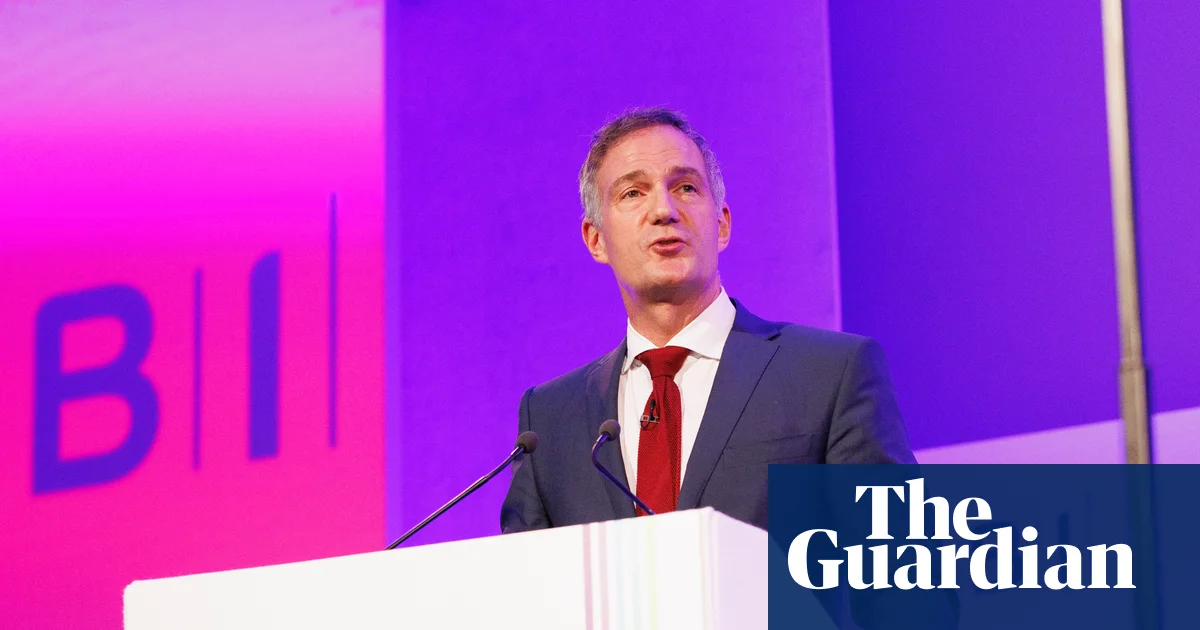
Amid this tension, Peter Kyle, the UK’s business secretary, has signaled his willingness to engage in a series of 26 consultative sessions aimed at *potentially watering down* the reforms—a move that critics argue could effectively undermine the manifesto’s core promises. This calculated delay might serve as a strategic lifeline for Conservative opponents such as Kemi Badenoch, who has publicly decried Labour’s blueprint as an “assault on flexible working” designed to empower unions at the expense of economic vitality. Her warnings suggest a broader underlying geopolitical contest, with the UK positioning itself along a path that might swing either towards strengthening worker protections or safeguarding corporate interests, depending on how the negotiations unfold.

International organizations like the International Labour Organization and prominent economic analysts have voiced concern that such legislative uncertainty may destabilize the UK’s economic standing, especially as the nation faces volatility in global markets and internal political upheaval. Moreover, the debates over how to balance labour rights against economic growth showcase the tension between societal welfare and the worldview of global investors who seek predictability. As history demonstrates, these internal struggles often influence global diplomatic relations, with alliances and rivalries reshaping based upon a nation’s stability and perceived future readiness to adapt to economic and social reforms.

In the shadows of these parliamentary battles, the United Kingdom’s political landscape is rapidly morphing into a contest of ideologies—one where history’s weight presses heavily. Whether this push for robust workers’ protections will solidify the social fabric or lead to unforeseen economic setbacks remains an unfolding chapter. As historians warn, moments such as this—filled with both hope and contention—are often the crucibles in which nations’ destinies are forged. The unfolding debates over employment law thus serve as a stark reminder: every decision, every compromise, echoes with the potential to shape the future of a nation and perhaps, influence the course of international relations itself.

RMT OKs Three-Year Pay Deal for London Underground Staff—A Win for Workers and Efficiency

London Underground Workers Secure Historic Pay Agreement Amid Global Labour Trends

In a significant development that underscores the shifting landscape of labor negotiations within the United Kingdom, the RMT union has accepted a three-year, inflation-linked pay deal for London Underground workers. This agreement concludes a contentious period marked by widespread strikes and travel disruptions that had frozen the city’s bustling transportation network in September. By securing a deal that increases driver salaries to nearly £80,000 by 2027, union leaders have demonstrated that organized, strategic strike action can effect substantial gains in negotiations traditionally shaped by government austerity and corporate resistance.

This deal, starting with a backdated 3.4% increase from April, ties wages directly to RPI inflation, a more generous index than the commonly used CPI. The broader impact is undeniable: it reflects a growing recognition that inflation adjustments need to include real costs such as housing, which has long been a source of worker frustration and economic hardship. The total value of the deal is projected to be at least 9.2%, setting a precedent for similar wage demands across the UK’s transport sector. The union’s assertion that it will pursue comparable increases elsewhere signals a potential wave of workforce activism, empowered by recent successes in collective bargaining.

Geopolitical and Social Ramifications: A Message for Global Workers

From an international perspective, this development has profound geopolitical impact. It exemplifies a shift toward more assertive labor movements in Western countries, challenging the narrative of dwindling union power. Historians and analysts, such as Dr. Emily Saunders from the International Labour Organization, point to this as a landmark moment where organized labor effectively leverages strike action to renegotiate power dynamics with both government and corporate interests. Such actions reverberate beyond London, inspiring workers across Europe and North America to mobilize around demands for fair wages and decent working conditions, especially amidst rising living costs and economic uncertainty.

For the UK, this agreement raises questions about how decisions made in the boardroom and negotiated through industrial action will shape societal stability and policy. The government and transport authorities face increased pressure to address systemic issues, such as housing affordability and productivity measures that historically marginalize workers. The union’s rejection of proposals like a reduced 32-hour workweek underscores ongoing tensions between labor interests and managerial visions of efficiency, which could serve as catalysts for broader reforms or intensified conflicts.

Decisions That Will Define Future Global Power Dynamics

As the UK navigates this new era of labour activism, international organizations warn of a turning point in global power dynamics. The European Union and OECD have closely monitored these developments, recognizing that the strength of trade unions directly influences national stability and economic resilience. The successful leverage of strike action in London may recalibrate how governments and corporations approach negotiations worldwide, especially as inflation continues to surge and societal inequalities deepen. Critics caution that without reforms, such victories could be short-lived or lead to unintended economic consequences, but proponents see them as a necessity for restoring fairness and societal cohesion.

In the haunting shadow of history, the potential for this wave of worker activism to catalyze seismic shifts in policy looms large. The question remains: Will this renewed assertion of workers’ rights be met with meaningful reform, or will it ignite further tensions that threaten to fracture societies? As these events unfold, the world watches with bated breath—history’s pen poised to inscribe the next chapter in the centuries-long struggle for justice and equitable power in the workplace.

Trump Administration Sends Layoff Notices to Over 4,000 Workers Amid Shutdown

U.S. Federal Workforce Reductions Signal a New Chapter in Geopolitical Power Dynamics

The United States is currently navigating a rare and tumultuous chapter marked by an unprecedented government shutdown that carries far-reaching geopolitical implications. As the Trump administration initiates large-scale layoffs of thousands of federal workers—over 4,000 initially, with more to come—the international community observes a clear signal of internal discord and strategic recalibrations. These strategic workforce reductions, announced directly by White House officials, reflect a broader intent to reshape America’s internal machinery under the guise of efficiency but carry risks of destabilizing credibility on the world stage.

Decisions Rooted in Political Strategy, Not National Security

  • In the midst of the ongoing government shutdown, President Donald Trump has repeatedly leveraged the crisis to push for a significant cutback in federal employment—an ideological move that echoes long-held conservative priorities.
  • Agency layoffs—initially a few thousand—are only the beginning, with White House officials openly downplaying the current figures, hinting that the true scale may be far larger. Federal legal frameworks, including laws mandating a 30-day notice to those laid off, are being challenged and sidestepped in an effort to accelerate the process.
  • Most significantly, major agencies such as the Treasury and Health and Human Services are bearing the brunt, with estimates indicating over 4,600 employees already facing layoffs. These were announced without clear timelines or comprehensive details, raising questions about transparency and the long-term impact on government functions.

International Concerns and Potential Consequences

International organizations and analysts are sounding alarms over the destabilizing effects of internal US conflicts. The Partnership for Public Service and other watchdog groups warn of the long-term erosion of public trust and competency in the U.S. administrative apparatus, potentially diminishing global influence. China’s state media, for example, have seized upon these developments as evidence of American political chaos, portraying the internal strife as a sign of declining American dominance. Meanwhile, in Europe, policymakers are evaluating how the internal division might affect NATO commitments and the U.S.’s promise of leadership in international security alliances.

Historical Context and the Blurred Line Between Policy and Power

Historian Andrew Busch notes that such internal conflicts, especially the manipulation of workforce reductions during a shutdown, resemble tactics historically used by authoritarian regimes to consolidate power under the guise of efficiency. Analysts say that the current move—under president Trump—is emblematic of a broader shift where internal policy decisions are increasingly used as geopolitical tools to project strength or weaken perceived adversaries. The approach also exemplifies how internal disagreements can have external ramifications, from diplomatic relations to global markets, as uncertainty clouds the stability of the world’s largest economy.

The Future Unfolds, but the Cost Is Tangible

Looking ahead, the trajectory of America’s internal crisis remains uncertain. The decision to hollow out the federal workforce under the banner of efficiency, while dismissing legal protections for workers, echoes a grim warning for societies worldwide: that internal discord and politicized governance can profoundly undermine credibility and stability in the international arena. As the Biden administration and global observers watch nervously, history continues to write its complex narrative—one where internal struggles have the potential to reshape the geopolitical landscape for decades to come. The weight of what is happening now echoes through history’s corridors, hinting that the consequences of these decisions are yet to fully unfold, with each layoff and political clash adding a new chapter to the story of a nation at a crossroads.

Air Safety Workers Feel the Heat as Shutdown Drags On

Cracks in the Sky: FAA Staffing Shortfalls and System Disruptions Signal Urgent Need for Technological Disruption

The recent turmoil within the United States’ aviation infrastructure has underscored a stark reality: our current air traffic management systems are ill-equipped to handle modern challenges. From the catastrophic January commercial airline incident, which marked the worst in decades, to widespread staffing shortfalls and technological glitches at key airports, industry analysts are sounding alarms. As agencies face cumulative cuts and operational setbacks, the imperative for disruptive innovation becomes undeniable. Leaders like Elon Musk and MIT researchers have long championed the transition from legacy systems to AI-driven automation, recognizing that technological stagnation risks jeopardizing safety and business efficiency.

The crisis extends beyond mere staffing issues; it exposes systemic vulnerabilities that threaten the future of aviation safety.

  • Short-term furloughs impacting 11,300 employees contribute to delays in system repairs and response times.
  • Recent technology failures at major hubs like Newark Airport highlight outdated infrastructure unable to cope with escalating demands.
  • Government shutdowns add political gridlock to operational chaos, creating a perfect storm for disruption.

Experts warn that without rapid adoption of next-gen solutions, the industry could face catastrophic failures reminiscent of early aviation tragedies but on a digital scale—a clear call for innovation-driven disruption. The business implications are profound: reduced efficiency, mounting costs, and increased safety risks could erode public trust, providing fertile ground for insurgent startups and tech giants aiming to redefine airspace management.

Forward-thinking companies, especially those pioneering artificial intelligence, automation, and decentralized control systems, stand at the forefront of this transformation. Industry analysts such as Gartner emphasize the potential of integrating AI and machine learning into ATC systems, promising safer and more efficient operations. Disruptors like Lilium and Volocopter push urban air mobility solutions that could redefine short-haul travel. Meanwhile, mainstream tech giants with aviation ambitions—think Google’s Wing and Tesla’s advances in battery tech—are positioning themselves as critical players in this new era. The opportunity to overhaul a decades-old infrastructure presents a window for entrepreneurs and investors to accelerate rapid development, but the clock is ticking. Without urgent intervention, the risk of falling further behind international competitors—and even risking safety—grows exponentially.

In conclusion, the ongoing difficulties within the U.S. air traffic control ecosystem serve as a resounding wake-up call. The convergence of technological obsolescence, resource scarcity, and political inertia demands a bold strategy rooted in innovation and disruption. Industry leaders, policymakers, and tech innovators must recognize that the future of safe, reliable air travel hinges on revolutionary change—before the skies become too congested or unsafe to manage conventionally. As Peter Thiel once warned, “The capture of key industries by bureaucracies breeds stagnation.” It is now imperative that industry actors seize this moment to forge a new frontier in aviation technology—one that guarantees safety, efficiency, and industry leadership in the decades to come. The urgency is clear: the sky is not the limit; it is the battleground for the next wave of technological supremacy.

Social Media Auto Publish Powered By : XYZScripts.com