Matox News

Truth Over Trends, always!

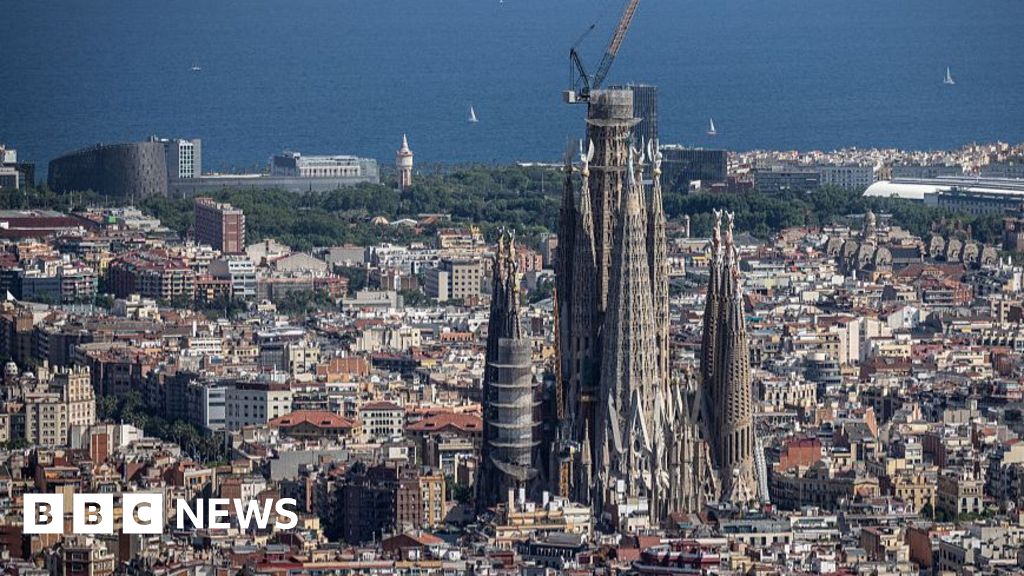
Sagrada Familia in Barcelona Tops Global Charts as World’s Tallest Church

In a stunning showcase of architectural perseverance and cultural pride, the Sagrada Família in Barcelona has officially become the tallest church in the world. Rising to an unprecedented height of 162.91 metres after the placement of the first component of its central cross, this historic basilica has surpassed the Ulm Minster in Germany, which held the record since 1890. Designed by renowned architect Antoni Gaudí, the iconic structure has been under construction for over a century, symbolizing Spain’s resilience and relentless pursuit of grandeur amid geopolitical upheavals and internal challenges.

What makes this achievement especially noteworthy is the long, tumultuous history of the basilica’s creation. Gaudí, whose visionary designs transformed the initial plans into an ambitious masterpiece, tragically died in 1926 with only one of the planned 18 towers completed. Since then, the project has faced myriad obstacles, including the destructive Spanish Civil War, during which anarchists set fire to the crypt, destroying crucial plans and models. Despite these setbacks, the construction persisted, funded primarily through donations from visitors and enthusiasts from around the world, which exemplifies its symbolic importance far beyond mere architecture. International historians and analysts view the Sagrada Família as a testament to human dedication, with many considering it a cultural microcosm of Spain’s resilient national identity.

The recent milestone is viewed by many as a geopolitical emblem of Spain’s cultural revival and national sovereignty, especially amidst ongoing debates over regional independence and identity. The tower’s completion, projected for 2026 to mark the centenary of Gaudí’s death, is accompanied by a series of commemorative events that underscore the importance of preserving Spain’s rich architectural heritage. Yet, the construction’s slow progress, punctuated by the COVID-19 pandemic, highlights the fragility of such long-term national projects in times of crisis. Economic analysts warn that the temporary halt in tourism and funding reflects broader vulnerabilities facing Spain’s economy and cultural institutions, which are often caught in the crossfire of global geopolitical shifts.

As work continues on finishing the building’s decorative sculptures and the stairway leading to its entrance, leaders, historians, and international observers watch with cautious optimism. The Sagrada Família stands not only as an architectural marvel but as an enduring symbol of human aspiration in a world where political boundaries and societal values are constantly shifting. As the tower reaches skyward, so too does the recognition that history’s greatest changes are often born from patience, resilience, and unwavering faith—qualities embodied in this masterpiece, destined to watch over the city of Barcelona for generations to come, as the weight of history itself remains in perpetual motion, forever shaping the destiny of nations and societies worldwide.
Breaking Barriers: I Launched the World's First Deaf Rave, Empowering Our Community
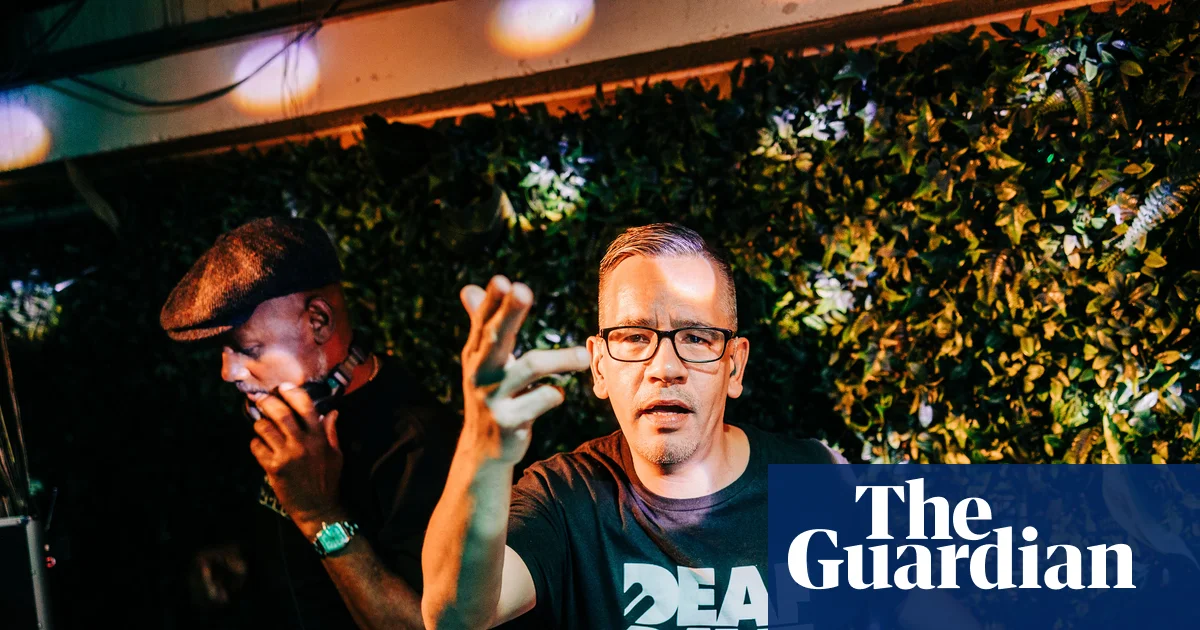
Breaking Barriers: I Launched the World’s First Deaf Rave, Empowering Our Community

Social Innovation in Youth Culture: The Deaf Rave Movement Sparks Change

Across communities in the UK, a quiet revolution is unfolding—one that challenges longstanding social divides and redefines what it means to unite through music and culture. At the forefront is a vibrant movement led by deaf communities who are reclaiming spaces for themselves, especially through the groundbreaking initiative known as Deaf Rave. This innovative approach exemplifies a broader societal shift towards inclusive entertainment and demonstrates how addressing social issues can profoundly impact families, education, and community cohesion.

Historically, social exclusion has marginalized deaf individuals, often confining them to the peripheries of vibrant youth movements such as dance clubs and festivals. Sociologists like Dr. Mark P. Block have noted that such marginalization fosters a sense of alienation, intensifying societal divides. Yet, deaf pioneers like the individual whose story this article follows are creating change from within—organizing events that integrate visual and tactile elements with traditional music forms. Their efforts are not just about recreation but are a form of cultural assertion and a vital step toward societal equity. By adapting venues with vibrating floors and tactile vibrations, they transform music from a purely auditory experience into a multisensory celebration accessible to all.

This movement highlights how educational and familial landscapes are being reshaped. Programs like DJ workshops for deaf children signal a significant cultural shift, emphasizing that developmental opportunities and creative expression should not be predicated on hearing ability alone. Such initiatives foster family bonds through shared participation and break down misconceptions about deafness as a barrier rather than a different way of experiencing the world. As Dr. Ruth L. Okediji argues, nurturing diverse cultural expressions in youth is essential for cultivating a society where every child feels valued and heard, regardless of their sensory abilities.

However, the road to true inclusivity faces challenges. Organizers often encounter resistance from venue owners unfamiliar with the needs of deaf attendees, fearing issues surrounding noise levels or safety. These hurdles reflect a broader societal reluctance to adapt traditional spaces, which often default to auditory-centric paradigms that exclude deaf individuals. Yet, stories of success demonstrate that change is possible. The Deaf Rave movement has garnered support from public figures, earning honors such as an honorary Master of the Arts and an MBE, achievements that symbolize growing recognition of deaf culture’s vibrancy and significance. With initiatives like schools’ DJ workshops and festivals, the movement exemplifies how social issues can be addressed creatively to nurture communication, community, and belonging.

As society stands at this crossroads, the story of Deaf Rave invites us to consider our collective responsibility. Society’s ongoing challenge is to foster environments where diversity is celebrated and social inclusion becomes the norm—not the exception. Serious reflection on our cultural infrastructure, educational methods, and community practices reveals the possibility of transformation. It is in these moments of resilience and innovation that society’s true potential reveals itself—a testament to human ingenuity and our capacity for collective empathy. In the silent yet vibrant beats of these deaf raves, society finds a hope— a promise that through understanding and adaptation, we can create a future where everyone’s voice, regardless of how it is heard, is truly heard.

Social Media Auto Publish Powered By : XYZScripts.com



