Matox News

Truth Over Trends, always!

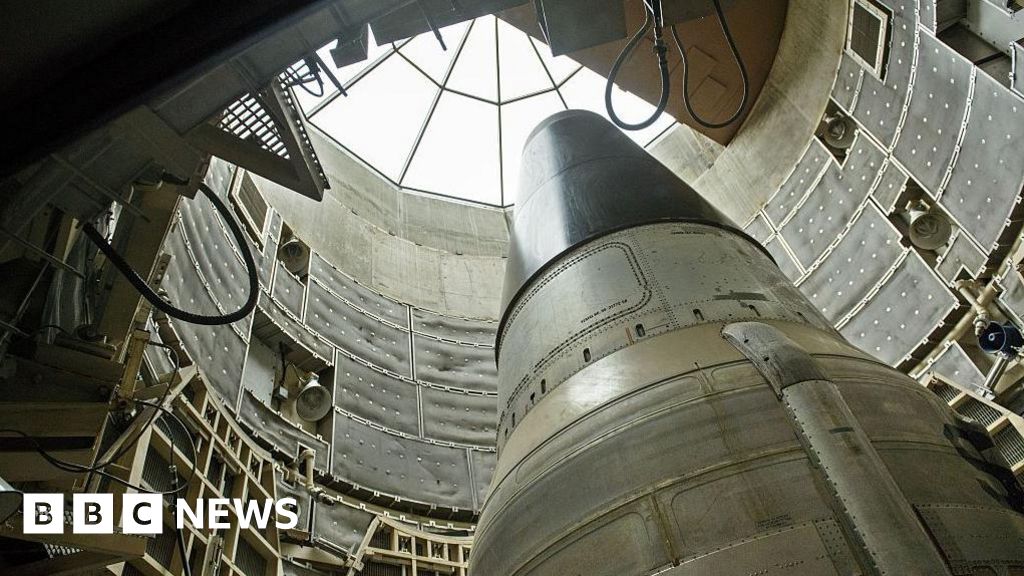
US-Russia Nuclear Pact Ending: Young Americans Worry Over Resurgence of Arms Race

The geopolitical landscape has taken a significant turn as Russia announced a departure from the New START Treaty, a cornerstone of nuclear arms control between Moscow and Washington. In a statement issued by the Russian foreign ministry, officials confirmed that, “in the current circumstances, we assume that the parties to the New START are no longer bound by any obligations or symmetrical declarations in the context of the Treaty, including its core provisions, and are in principle free to choose their next steps.” This declaration effectively signals the end of a crucial era of dialogue and restraint, raising the stakes for international stability and global security.

The New START Treaty, signed in 2010, was a critical component of post-Cold War efforts to curb the nuclear arms race, aiming to prevent an escalatory spiral of nuclear build-up. Its demise, or at least significant weakening, marks a profound turning point in global diplomacy. As the United States and Russia now navigate uncertain waters, many analysts warn of potential arms races and increased tensions that could destabilize entire regions. Experts from the Stockholm International Peace Research Institute (SIPRI) and former diplomats alike highlight how this shift threatens longstanding strategic deterrence mechanisms designed to maintain equilibrium in an increasingly volatile international system.

This development is not an isolated incident; it is part of a broader pattern of renewed geopolitical rivalries, where major powers recalibrate their arms control commitments amid shifting alliances and domestic political pressures. Russia’s decision can be seen as a response to perceived threats and perceived erosion of mutual trust, but it also underscores a wider view among Moscow and other national actors that nuclear diplomacy is becoming increasingly fragile. With the retraction of treaties like START, nations face the grim reality that multilateral agreements once seen as pillars of stability are waning. As President Biden and other Western leaders deliberate responses, the international community faces the devastating prospect of a more uncertain future — where escalation risks are amplified and peace becomes more precarious.

In the broader context, this decision underscores how increasingly complex and unpredictable current geopolitics have become, especially for youth and future generations who will inherit this unsettled order. Historically, periods of arms race resurgence have often led to devastating conflicts, and many experts warn that neglecting these treaties could reopen narratives of nuclear confrontation. Nations must now grapple with whether diplomacy can *revive* past commitments or whether the world on the brink might veer closer to conflict. The weight of history remains heavy, as the unfolding response to Russia’s announcement may define global security for decades to come — a stark reminder that in geopolitics, no decision is truly isolated, and the ripples of today’s actions will shape tomorrow’s reality.
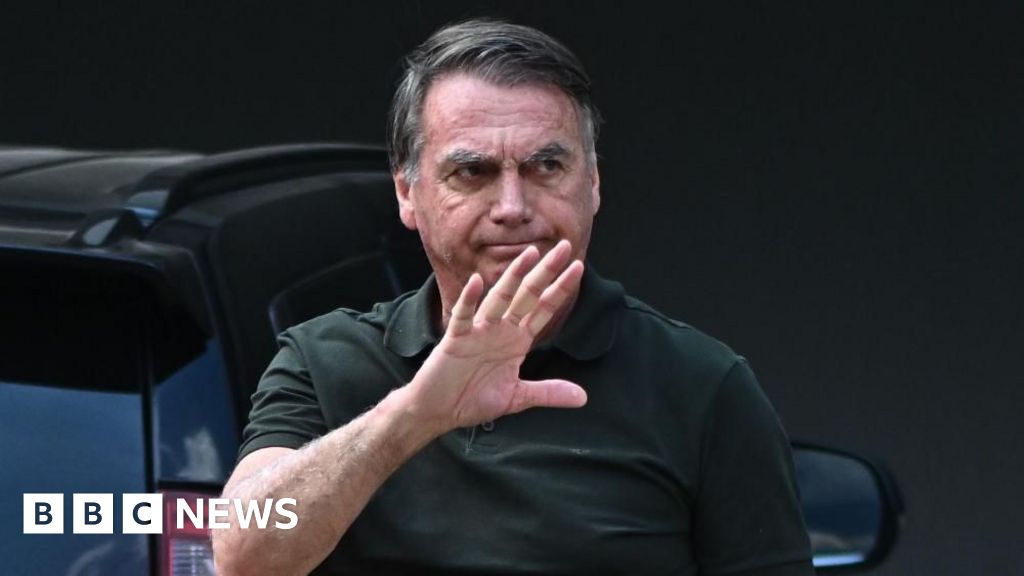
Bolsonaro claims ankle monitor damage was just paranoia—nothing to worry about

The Unfolding Crisis in Brazil: A Turning Point in Global Politics

The recent legal developments surrounding Jair Bolsonaro, the controversial former Brazilian president, have sent shockwaves across both South America and the international stage. Convicted of plotting a coup after losing the 2022 presidential election to Luiz Inácio Lula da Silva, Bolsonaro’s odyssey from power to incarceration exemplifies the deepening political instability that threatens the fabric of democratic norms in Latin America. His sentencing, which bars him from running for office until 2060, coupled with his current detention, marks a pivotal moment that places the region under heightened scrutiny about the resilience of its democratic institutions. Does this event signify a shift towards political repression, or a necessary step to uphold justice in a polarized society?

Analyzing the broader geopolitical impact, experts warn that Bolsonaro’s actions, and the subsequent crackdown, could reshape regional alliances and influence global perceptions of Brazil’s political trajectory. The fact that Bolsonaro was implicated in a conspiracy aiming to keep himself in power—allegedly inciting violence and planning military intervention—raises alarms beyond national borders. International organizations like the Organization of American States (OAS) have expressed concern over escalating violence and the assault on democratic processes, emphasizing the importance of judicial independence while cautioning against politicized justice. Meanwhile, US President Donald Trump’s condemnation and the imposition of tariffs reflect the intensifying rivalry between right-wing populists and democratic governance, creating ripples well beyond the Amazon rainforest.

Efforts to Maintain Stability and the Shadow of International Influence

The events in Brazil come during a period of growing geopolitical competition. The conspiracy, uncovered and condemned by the Supreme Court, underscores the delicate balance of power and the persistent threat of authoritarian tendencies inspired by populist rhetoric. Notably, the Brazilian military’s refusal to support Bolsonaro’s coup plot indicates a crucial juncture where moderate forces restrain radical elements, reaffirming a fragile but essential commitment to democratic peace. However, analysts warn that the political fractures, along with Bolsonaro’s claims of a so-called “witch hunt,” sow seeds for ongoing unrest and undermine trust in institutions, both domestically and internationally.

As the world closely watches how this saga unfolds, the international community remains divided. While some emphasize the importance of upholding the rule of law, others raise concerns about the potential for political vendettas cloaked as justice. The intersection of domestic politics, regional stability, and global influence embodies the tensions that define the current era. The confrontation over Brazil’s political future signifies more than a national crisis; it embodies the struggle for sovereignty against the tides of external interference—an ongoing narrative shaping the 21st century’s geopolitical landscape. With Bolsonaro’s supporters rallying and the judiciary’s firm stance, the coming months will be decisive in determining whether Brazil will emerge with its democratic principles intact or succumb to the tumult of external pressures and internal division.

History’s Weight: The Future Unwritten

As history continues to unfold in Brazil, the question persists—what chapter will this turbulent period birth for the nation and the wider world? Will it serve as a cautionary tale about the dangers of populist excess and militarization, or will it ignite a new wave of political resilience? The choices made today will echo through generations, defining whether this land of giants remains a beacon of democracy or falls prey to chaos and tyranny. The weight of history presses heavily upon the shoulders of leaders, citizens, and international spectators. In the crucible of crisis, the true character of nations is forged, and the world watches — patiently, anxiously, awaiting the next move in this unfolding drama.

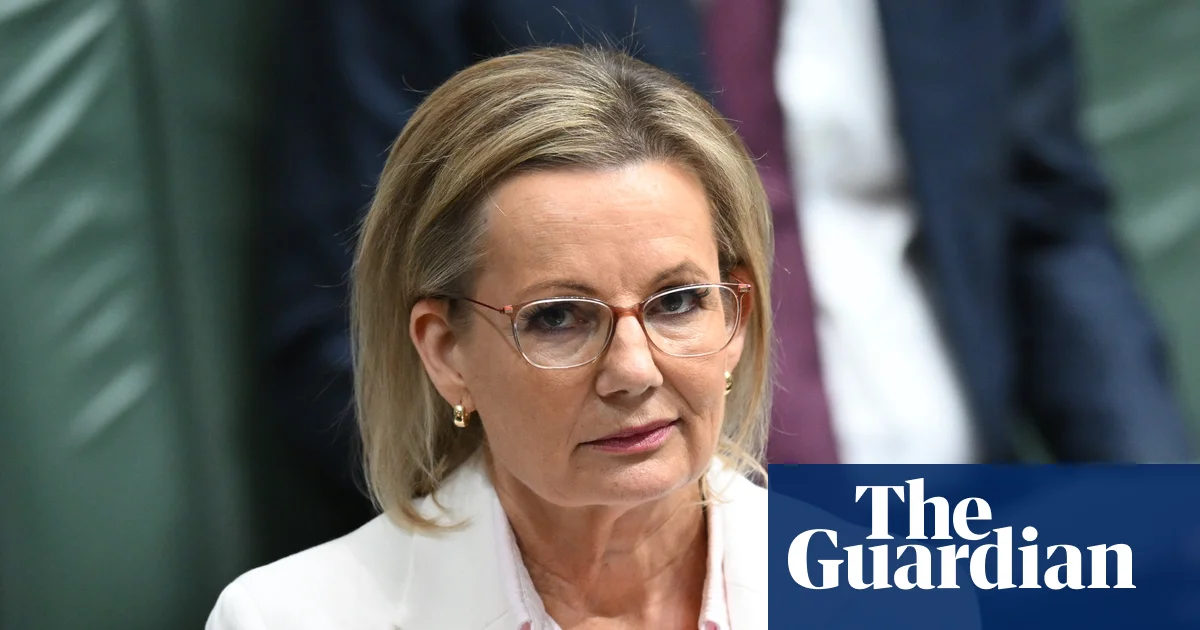
Liberals worry Ley's net zero pledge risks controlling the agenda as push grows to scrap emissions promise — Coalition responds
Liberals worry Ley’s net zero pledge risks controlling the agenda as push grows to scrap emissions promise — Coalition responds

In a climate policy debate that highlights the profound internal divisions within the Australian Liberal Party, emerging tensions are illustrative of a broader global reckoning on energy security and environmental commitments. Opposition leader Sussan Ley finds herself caught between moderates and conservatives, as calls intensify for her to reconsider her party’s stance on net zero emissions by 2050. This debate, while localized, echoes a global scenario where nations grapple with the trade-offs of aggressive climate policies amidst economic and energy security concerns.

As Australia teeters on the edge of internal rupture, international analysts observe that such fissures are unlikely to be contained within national borders. Historian and geopolitical analyst Dr. Mark Thorne notes that “the domestic disputes over climate policy mirror the global power struggle, where nations are weighing their commitments to decarbonization against their geopolitical and economic realities.” Prominent global institutions, including the United Nations, have long advocated for urgent climate action, but the reality of energy dependence on traditional sources continues to challenge these lofty ambitions. In this climate, Australia’s internal debate about how far to push its net zero commitments could set a dangerous precedent, influencing other Western democracies in similar predicaments.”

The escalating debate in Australia underscores a scenario unfolding across Western nations: population unrest over skyrocketing energy costs and the perceived threat to traditional industries. Analysts warn that decisions made in Canberra do not just affect Australia’s domestic landscape but influence the geopolitical terrain—shaping alliances, trade policies, and international trust in commitments to climate change. The ideological clash over whether to prioritize climate targets or energy independence is creating ripples—potentially destabilizing coalitions and shifting the global balance of power, especially as China and India accelerate their development of fossil fuels without the same restrictions faced by Western countries.

Within Australia’s Coalition government, the debate over the future of climate policy is more than a political squabble, it is a symbolic fracas over the nation’s sovereignty and capacity to chart its own course. Prime Minister Anthony Albanese and his administration face mounting pressure to push forward on climate commitments, yet the rising tide of opposition—fueled by fears that policies could jeopardize economic stability—reflects a larger, more dangerous global trend: the clash between environmental ideology and national interests. Historians warn that such internal conflicts, if unresolved, risk undermining the credibility of Western democracies’ global leadership in environmental diplomacy. As international organizations like the IPCC emphasize an urgent transition, nations like Australia are caught in a storm of conflicting priorities.

Ultimately, the fate of Australia’s climate policy—and the tension-ridden debate that now defines it—serves as a stark allegory for an era where the battle for the soul of global leadership is being fought within national borders. As history continues to unfold, the decisions made today will resonate through the corridors of power for decades to come, echoing in the geopolitics of energy, sovereignty, and environmental stewardship. The weight of history presses down, leaving a vital question: which path will the world choose in this perilous balancing act—one shaped by ideology or by pragmatic sovereignty?

Breaking: Worry over H5 bird flu hitting elephant seals on remote Australian island

In a week marked by unprecedented scientific observations and intense geopolitical debates, the international community finds itself at a critical inflection point. Australian scientists have recently detected signs consistent with H5 avian influenza—commonly known as bird flu—in elephant seals on Heard Island, located more than 4,000 kilometers southwest of Perth. While officials from the Department of Agriculture, Fisheries and Forestry clarify that a definitive detection has yet to be confirmed, this finding underscores the persistent threat of zoonotic diseases crossing species and boundaries, especially in isolated regions. Of particular concern is the fact that Australia remains the only continent without the highly contagious H5 strain, a fact that both scientists and strategists highlight as a potential weakness in regional biosecurity.

Experts warn that such wildlife cases, while seemingly isolated, heighten the urgency for international cooperation in surveillance and preparedness. The detection on Heard Island, a sub-Antarctic enclave, signals that viruses may be quietly circulating in the most remote corners of the planet—yet the potential for spread to mainland populations still triggers alarm. The World Health Organization and regional bodies are closely monitoring developments, emphasizing that the potential spillover of H5 into human populations could alter the global landscape dramatically. Historian and analyst Dr. Samuel Rothenberg notes that “the interconnectedness of ecosystems and nations today amplifies the impact of such biological threats,” warning that in an age of rapid travel and climate change, what begins in isolated wildlife could soon become a global crisis.

Simultaneously, while health officials grapple with preventing a pandemic, political leaders face escalating challenges on the domestic front—particularly concerning law and order, where recent cases have shaken public confidence. In New South Wales, authorities are resuming their investigation into the decades-old cold case of Colleen Walker-Craig, a 16-year-old Indigenous girl last seen in 1990. The renewed effort to locate her remains, involving water searches along the Nambucca River, is emblematic of a broader societal struggle to address unresolved atrocities and ensure justice. As detectives reopen old wounds, the political implications resonate across the Pacific, fueling calls for reform and transparency. Analysts suggest that this is a testament not only to the persistence of local issues but also to the broader importance of justice in shaping national identity and sovereignty.

Adding to the complexity, the Australian government is considering large-scale reforms—lifting caps on major events at the historic Royal Randwick Racecourse and easing restrictions on concerts in Sydney—aimed at revitalizing the economy and boosting city vibrancy. However, critics from the opposition argue that such measures could be overshadowed by internal crises, including a surge of unfair dismissal claims that threaten to overwhelm the nation’s tribunal system. Opponents contend that these legal backlogs, which have increased by 27% over the past five years, symbolize deeper systemic issues—exposing an economy struggling under burdens of red tape and regulatory duplication. Opponent and Shadow Minister Andrew Bragg warns that these legislative changes, while well-intentioned, threaten to make it even more difficult for local businesses to thrive, thus impacting Australia’s geopolitical standing as a competitive hub in the Indo-Pacific region.

As the tide of crises and opportunities continue to unfold, from virus detection to justice and economic reform, history remains an unforgiving judge. The decisions taken in these critical moments will echo through generations, shaping the destiny of nations in an era defined by transnational challenges and resilience. The world watches with bated breath, knowing that history’s next chapter is still being written—its ink penned by policymakers, scientists, and societies daring to face the turbulent future with resolve or despair.

Social Media Auto Publish Powered By : XYZScripts.com