Matox News

Truth Over Trends, always!

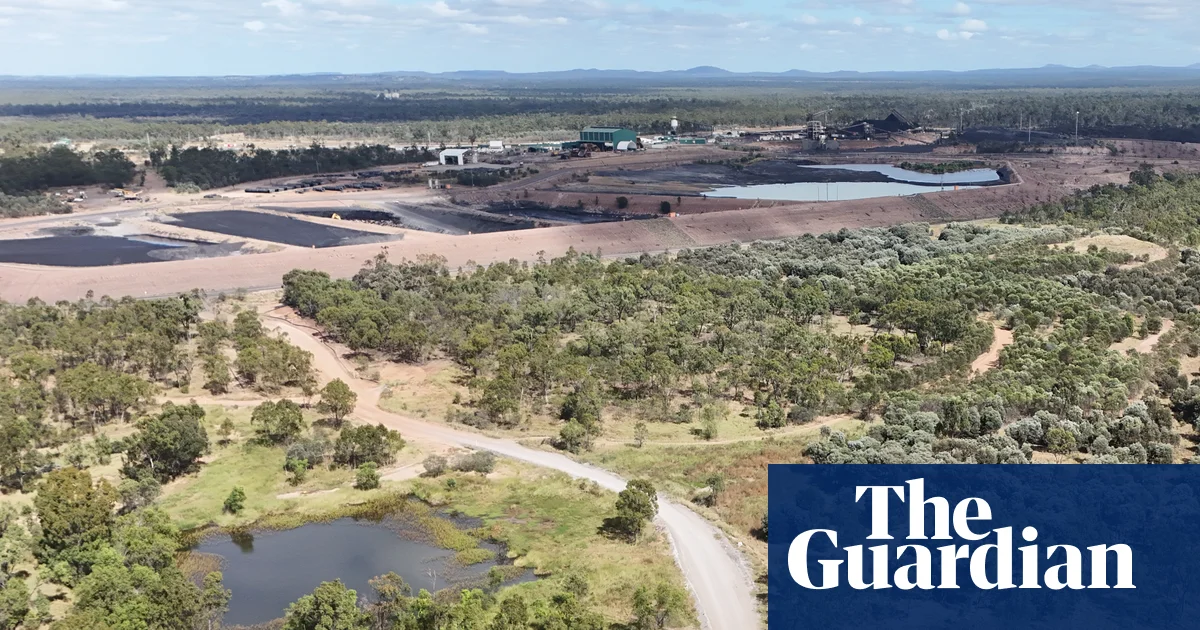
Albanese’s approval of Queensland coal mine expansion threatens ecosystems and worsens climate crisis, scientists warn

In a move that underscores the ongoing global clash between economic development and environmental conservation, the Albanese government recently approved the expansion of the Middlemount coalmine in Queensland. Owned jointly by US-based Peabody and Chinese-owned Yancoal, this project will see an estimated 85 million tonnes of coal exported over the next 24 years. While proponents tout it as a boost to the local economy and energy sector, critics argue that the environmental costs are catastrophic and threaten Australia’s rich biodiversity. The expansion signifies more than just economic activity; it marks a clear stance in the international debate—whether to prioritize short-term energy needs or long-term sustainability.

Conservationists and environmental experts have raised urgent alarms over the project’s implications for native wildlife, particularly the threatened koalas and greater gliders. The project involves clearing approximately 81 hectares of glider habitat and 183 hectares of koala territory—an area that ecologists say is crucial for their survival. Despite conditions imposed by authorities requiring the relocation of tree hollows used by gliders, prominent ecologists such as Prof. Euan Ritchie and Prof. David Lindenmayer have condemned these measures as inadequate and, in some cases, outright harmful. The attempt to mitigate habitat destruction via offsets—planting 1,557 hectares of new habitat—has been dismissed by experts as a “deluded” strategy that simply cannot compensate for the tangible loss of mature ecosystems. The catastrophic impact on native species is compounded by the project’s contribution to global heating, with conservationists estimating that burning the exported coal will generate approximately 236 million tonnes of CO2 over its lifetime—almost half of Australia’s current annual emission footprint.

This approval has sparked broader questions about the geopolitical impact of resource extraction. The approval under the climate change framework illustrates a troubling prioritization of economic interests over ecological integrity and international climate commitments. As analysts from the United Nations and other global organizations warn against complacency, the decision highlights a stark reality: the vast majority of emissions resulting from the coal will occur outside Australia, as the coal is burned primarily in Asian countries. Critics argue that this approach undermines Australia’s commitments to the Sustainable Development Goals and the global effort to curb climate change, reinforcing a narrative where Australia appears to choose economic gain over the health of the planet. This stance risks alienating international allies committed to green policies, while emboldening fossil fuel interests aligned with geopolitical powers that see energy resources as weapons of influence and leverage.

As history continues to unfold, the decision to expand the Middlemount coalmine underscores the tensions that define the 21st-century geopolitics—where resource-rich nations grapple with the legacy of environmental neglect amidst a shifting global framework demanding urgent climate action. The future of native wildlife hangs in a fragile balance, with environmentalists warning that yet another generation of Australian species might be driven toward extinction. Meanwhile, the global community observes with mounting concern as Australia’s actions shape the geopolitical landscape: a nation at a crossroads, torn between the immediacy of economic survival and the looming specter of irreversible climate catastrophe. Will this moment be remembered as a tragic misstep or a catalyst for change? The pages of history continue to be written, but every decision, every expansion, echoes louder in the corridors of global power, shaping the planet’s destiny for generations to come.

Sudan kicks out UN Food Agency staff as chaos worsens

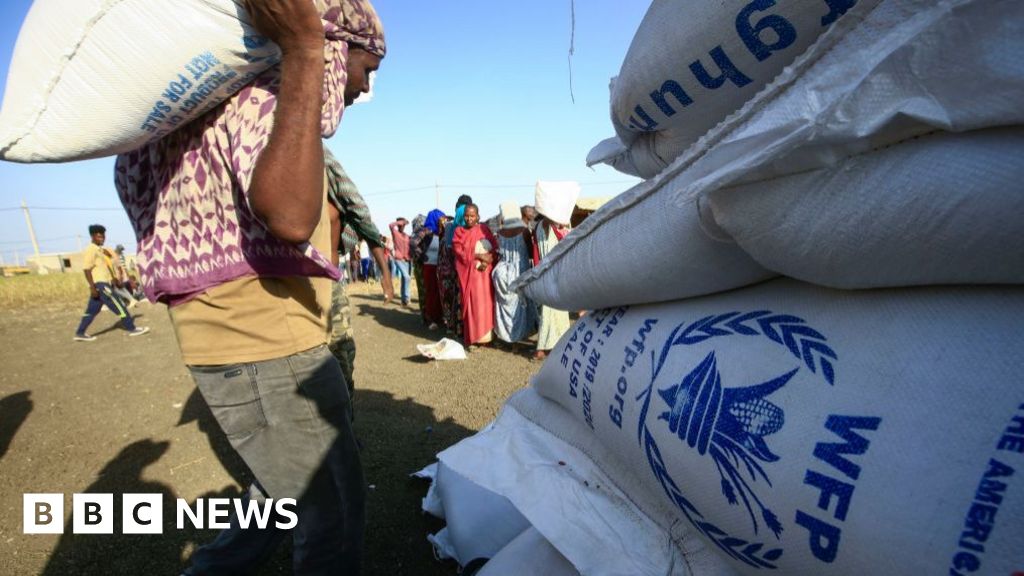
Sudan’s Humanitarian Crisis Deepens as Military Expels UN Aid Officials

In a move that signals a troubling escalation, Sudan’s military government has ordered two senior officials from the United Nations’ World Food Programme (WFP) to leave the country within 72 hours. This unjustified expulsion comes amid a relentless civil war that has plunged the nation into an unprecedented humanitarian catastrophe. The ongoing conflict, which erupted in April 2023, has resulted in a catastrophic food blockade, leaving over 24 million Sudanese facing severe food insecurity. The removal of key aid personnel at this critical juncture is no coincidence; it underscores the regime’s intent to undermine crucial international aid efforts aimed at alleviating suffering in a conflict zone that has now become a battleground for influence and survival.

Conflict Escalation and Humanitarian Atrocity

  • The reprisals came days after the capture of el-Fasher in Darfur by the paramilitary Rapid Support Forces (RSF), a protracted victory following an 18-month siege that included a food blockade. This event has compounded fears that the violence in Darfur—once a region scarred by genocide—may be reawakened.
  • The fighting has directed international attention to the profound suffering of civilians caught amidst partisan violence, with reports of atrocities and mass killings spreading across the region.
  • Amidst rampant looting, shootings, and violations, eyewitnesses describe el-Fasher as a site of chaos and despair, reminiscent of Sudan’s darkest days during the early 2000s.

The situation illustrates a grim pattern: the resurgence of ethnic violence in Darfur’s rugged terrain, which has long been emblematic of regional instability. Historians and analysts warn that these events are a stark reminder of how internal conflicts can erupt into international crises, with regional and global consequences. The UN and regional bodies like the European Union and African Union have issued alarmed statements, condemning the escalation and calling for international intervention. Yet, the military government’s refusal to provide clear explanations for the expulsion of aid workers reveals an intention to clamp down on any external efforts to document or influence the conflict.

Geopolitical Ramifications and How International Decisions Shape Nations

The expulsions and escalating violence underscore a broader geopolitical shift where resilient regional powers and international organizations face renewed challenge in maintaining stability and order. As Sudan teeters on the brink of renewed genocide, the implications extend beyond Africa’s borders. The renewed violence threatens to destabilize neighboring countries, potentially fueling refugee flows, fostering militant recruitment, and creating fertile ground for larger regional conflicts.

Moreover, this crisis exposes the strategic weakness of international diplomacy, as the Sudanese military’s move to silence aid organizations indicates its defiance of Western and regional pressure. Experts point out that Sudan’s internal turmoil is emblematic of the failure of international efforts to broker lasting peace. If the situation continues to deteriorate, it could invite greater foreign intervention or, conversely, further entrenchment of regional conflicts, reshaping the geopolitical landscape of North-East Africa.

The academic and diplomatic community warns that actions taken today—whether through sanctions, peacekeeping, or diplomatic isolation—will ripple through the historical fabric of the region. How the global community responds to Sudan’s unfolding tragedy could determine whether the country slips further into chaos or emerges anew, scarred yet resilient. The weight of history is pressing heavily on this fragile nation, signaling a pivotal moment where choices made in the halls of power might either curb or catalyze the next chapter of its tumultuous story.

Conclusion: The Unfolding Shadow of History

As the world watches this unfolding tragedy, it becomes clear that Sudan’s plight is not merely a regional concern but a warning—a stark reminder that unchecked violence and international neglect can ignite a conflagration of human suffering that spans generations. The decisions made in the coming days could set a precedent for how the international community confronts future crises—whether with steadfast resolve or tragic indifference. The pages of history remain unwritten, and the shadow of Sudan’s unfolding chaos continues to cast a long and ominous pall over the pursuit of peace and stability in the 21st century.

Social Media Auto Publish Powered By : XYZScripts.com


