
Matox News

Truth Over Trends, always!

Bondi's Hanukkah Fest Turns Sudden Nightmares—What Went Wrong?
Bondi’s Hanukkah Fest Turns Sudden Nightmares—What Went Wrong?

Global Tensions Escalate Amid Unfolding Geopolitical Shifts and Local Tragedies

In a world where international stability is often measured in the small margins of diplomatic dialogue and military readiness, recent events have shattered the illusion of peace in both local and global contexts. Australia, long celebrated as a symbol of multicultural harmony and laid-back lifestyle, was rocked by a shocking act of violence at Bondi Beach—a place synonymous with carefree summer days. On what was meant to be a celebration of faith during Hanukkah, two gunmen opened fire—killing at least 15 people and injuring dozens more—transforming the iconic edge of Sydney into a scene of chaos and grief. The attack, carried out on a holiday meant to symbolize light and perseverance, underscores the fragility of societal cohesion in the face of rising extremist threats and the complex web of local vulnerabilities.

  • Gunmen identified as Sajid Akram, 50, and his son Naveed, 24, allegedly orchestrated the assault from a bridge overlooking the park, using sporting shotguns in what experts described as a calculated attack.
  • The operation unfolded over several harrowing minutes, with eyewitnesses recounting screams, gunfire, and a community caught unprepared by violence directly targeting innocent civilians during a festive occasion.
  • Police investigations revealed Sajid Akram was registered with six firearms, raising questions on gun control policies and vetting procedures that failed to prevent the attack. Meanwhile, Naveed’s suspicious ties to an Islamic State cell in 2019 pushed authorities to scrutinize the threat level, though Prime Minister Anthony Albanese publicly stated there was no ongoing threat.

The geopolitical impact of regional violence resonates far beyond the shores of Australia. As analysts suggest, acts of domestic terror are often intertwined with broader global pressures, such as the persistence of radical ideology and failed integration policies in diverse societies. International institutions like the United Nations have repeatedly warned about the rising tide of extremism in liberal democracies, emphasizing that the fight against violence must be coupled with efforts to bolster national identity and societal resilience. The attack on Bondi Beach echoes across borders, reminiscent of recent terror episodes in Europe and North America, which highlight the continuous challenge facing western nations in safeguarding their citizens amidst a backdrop of geopolitical turbulence.

Meanwhile, in the corridors of power, the response to these tragedies influences international relations and homeland security strategies. Critics argue that while Australia’s police and intelligence agencies acted swiftly, the underlying issues of radicalization and gun ownership need urgent reevaluation. Some political voices contend that protective measures, such as tighter gun control and community outreach, are essential to prevent similar incidents. Yet, others warn that overreach could infringe on civil liberties, creating a dangerous precedent that may weaken national cohesion further.

As the United States and European Union grapple with internal threats and the shifting sands of global alliances—symbolized recently by shifts in transatlantic relations and NATO’s posture— the chaos at Bondi Beach stands as a stark reminder of how localized violence can ripple into broader geopolitical uncertainties. The rise of extremist groups, including Islamic State and others, demonstrates the ideological battleground that extends from the Middle East to nations like Australia, forcing international organizations and national governments to adapt their strategies amid a landscape of unpredictable threats.

In the shadow of these events, society faces a daunting challenge: how to forge resilience from chaos. As residents recount the unsettling aftermath of the attack, the larger narrative warns of history’s dark tendency to repeat itself—unless nations unite to confront the root causes of extremism and safeguard core freedoms. The story of Bondi Beach, once merely a local tragedy, has now become a chapter in an unfolding global drama where power, identity, and security intertwine. The questions posed by this storm of violence linger, heavy with the knowledge that, in the relentless march of history, the lines between local incident and international crisis are often perilously thin, and the future remains unwritten—yet profoundly consequential.

US Falling Behind in the Electric Car Race: What went Wrong?

The Geopolitical Significance of Electric Vehicle Policies

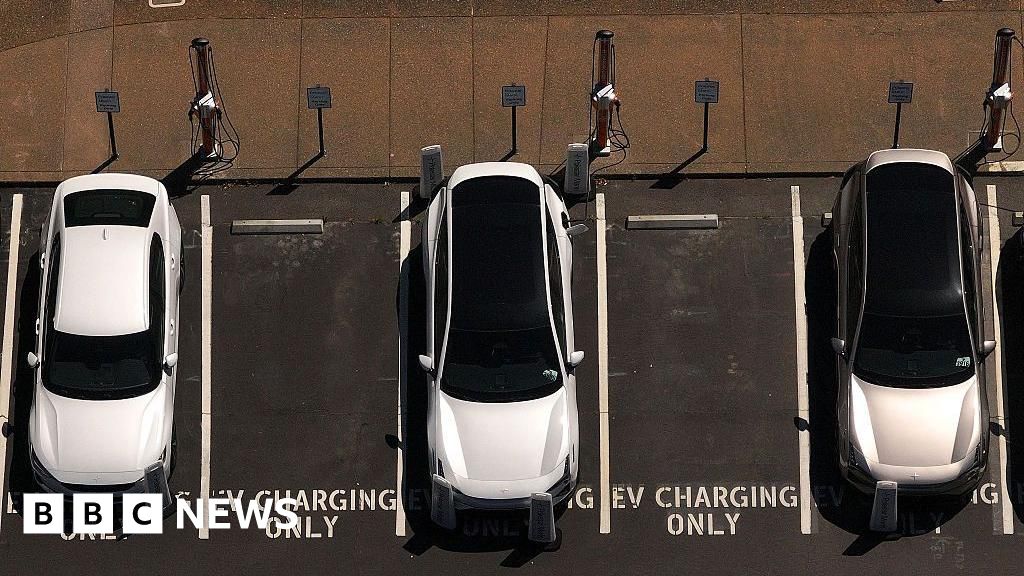
The race for dominance in the electric vehicle (EV) industry has become a focal point in international geopolitics and economic rivalry. In recent years, the US has aggressively pushed to position itself as a leader in clean transportation technology, aiming for electric cars to comprise half of all vehicle sales by the year 2030. President Joe Biden championed policies that include expanding tax credits, boosting infrastructure with billions invested in charging stations, and incentivizing domestic manufacturing through loans and grants. These measures, supporters argue, are part of a broader strategy to secure economic independence and maintain technological sovereignty against rising competitors like China.

Yet, despite these ambitions, the US electric car market has lagged behind much of the European Union, the United Kingdom, and China, which have benefitted from more aggressive government subsidies and regulatory frameworks. China, for instance, now accounts for nearly half of all EV sales globally, with a clear aim to dominate the market entirely. European nations have made substantial advances with nearly 20–30% of new car sales being electric or hybrid vehicles, supported by policies that include strict emissions targets and generous incentives. This disparity underscores the impact of decision-making at the governmental level, revealing how support or the lack thereof profoundly influences a nation’s rise in the EV industry.

Policy Fluctuations and Their Consequences

The recent policy shifts in Washington reflect raw political divides over climate and economic priorities. Former President Donald Trump has openly dismissed climate change as a “con job” and has sought to dismantle many carbon-reducing policies. His administration’s decision to cancel the $7,500 tax credit—a key incentive for EV buyers—has sent ripple effects through the industry, endangering the sustainability of ongoing investments. Industry leaders like Ford and Tesla warn that demand could precipitously decline in the absence of government support, which had played a crucial role in driving record sales during the last quarter.

With tariffs on foreign vehicles and parts further complicating the landscape—including measures enacted by Trump in the spring—the industry faces an uncertain future. Analysts warn that without sustained government backing, the US might not only fall behind in EV adoption but could also become less competitive globally, losing crucial technological leadership and economic influence. This tug-of-war in policy demonstrates how domestic political shifts directly shape transformative technology sectors, thereby altering international power balances.

Economic and Social Ramifications

Despite the narrative of an EV revolution, the American consumer remains hesitant due to high costs—electric cars still command an average transaction price exceeding $57,000—roughly 16% higher than comparable petrol-powered vehicles. Manufacturers like Hyundai have attempted to offset those costs by lowering prices, but the combination of tariffs and diminishing subsidies could stymie consumer enthusiasm. Such economic pressures threaten to stifle innovation and broader adoption in one of the world’s biggest car markets, creating a ripple effect that could slow the global transition away from fossil fuels.

Some analysts argue that the US’s relative lag in this sector reveals more than just economic challenges; it reflects broader questions about national strategy and societal readiness. Will the US continue to invest in future industries or succumb to protectionist policies that threaten to fragment global supply chains? As industry veterans and international observers ponder these questions, it becomes clear that the trajectory of America’s electric vehicle industry may well determine the future landscape of global economic power—and whether the US can still claim a seat at the table or is destined to watch from the sidelines as others set the rules of the game.

As history writes itself in the coming years, the fight for technological supremacy and energy independence unfolds on an increasingly divided stage, leaving the world to watch and wonder: Will this be the dawn of a new era, or just another chapter in a story of lost opportunities? The weight of history presses heavily upon this moment, as nations and societies brace for what comes next in the silent, relentless march toward the future.

Disney’s Price Hike Hits Hard at the Wrong Moment

Disney Faces Backlash Amid Controversies and Price Hikes

In an era where innovation and disruption are paramount, Disney appears to be stumbling. The entertainment titan has recently found itself in a predicament that has drawn ire from both sides of the political spectrum. In a swift sequence of events, Disney not only angered a segment of its viewer base but also responded to pressure by raising the prices of its streaming services. This decision has compounded the chaos, resulting in widespread backlash and potentially significant business implications.

The troubles began when Jimmy Kimmel Live! was suspended following comments made by the host regarding Charlie Kirk’s death. Kimmel’s remarks, seen as politically charged, sparked outrage from conservative circles, including notable figures like Elon Musk, who labeled Kimmel’s comments as “disgusting.” The fallout quickly escalated when Brendan Carr, Chair of the Federal Communications Commission (FCC), threatened intervention unless broadcasters took action against Kimmel. This led to what some critics have called a form of government censorship, as Disney made the controversial decision to pull the show from its schedule “indefinitely.”

The aftermath of this move was immediate and polarized. Although it seemed to placate some conservatives, it alarmed left-leaning supporters of free speech and drew the ire of many within the entertainment industry. Notably, members of the Writers Guild of America protested outside Disney’s headquarters in condemnation of its decision. Critics pointed to this incident as a worrying shift towards corporate capitulation, endangering the principles of free speech. Celebrities like Tatiana Maslany leveraged their platforms to urge audiences to cancel subscriptions to Disney Plus, Hulu, and ESPN, creating a ripple effect in viewer sentiment.

As the dust began to settle, Kimmel returned to the airwaves, where he labeled Carr’s threats a violation of the First Amendment. Concurrently, Disney announced a considerable price increase set to take effect on October 21st, elevating the cost of its ad-supported plan from $9.99 to $11.99 and its ad-free offering from $15.99 to $18.99 per month. This dual strike of controversy and price hikes casts a looming shadow over Disney’s future, raising questions about consumer loyalty and the overall viability of its strategy in a fiercely competitive media landscape.

Looking ahead, the convergence of political dynamics and corporate strategy will likely necessitate a profound transformation in how entertainment giants operate. Analysts from institutions like Gartner have long advised companies to anticipate shifts in market sentiment, particularly among younger demographics. With media consumption habits evolving in real-time, companies like Disney may find themselves at a crossroads, challenged to innovate not just content, but also how they engage with their audience. The stakes are high; in a world where viewer preferences can pivot on social media cues, the luxury of time may no longer be a viable option. Disney’s current trajectory emphasizes the urgency to redefine its business model, or risk losing relevance in an industry rife with alternatives.

Social Media Auto Publish Powered By : XYZScripts.com



