
Matox News

Truth Over Trends, always!

Hertfordshire Police Admit Wrongful Arrest Over WhatsApp Message, Payout £20K to Victim

Recent events in Hertfordshire have underscored a troubling shift in societal trust and community cohesion. A couple, Rosalind Levine and Maxie Allen, experienced a wrongful arrest that has cast a shadow over their family life and the broader social fabric. The incident unfolded after the couple expressed concerns about their daughter’s primary school, including questioning staff recruitment practices and criticizing school leadership via a WhatsApp group. This digital dissent, seemingly dismissed as malicious communications by authorities, resulted in their being detained for 11 hours, an ordeal that has ignited debates about the boundaries of parental rights and police intervention.

Such cases reveal a disturbing connection between social tensions and institutional overreach. Sociologists like Dr. Emily Watson warn that when community members feel silenced or wrongly accused, it fosters an atmosphere of mistrust and alienation. Levine and Allen’s case illustrates how the misapplication of law enforcement can devastate families and diminish confidence in local institutions. The couple’s experience was marked not just by the wrongful arrest but also by the emotional toll of seeing their privacy violated, their reputation questioned, and their sense of security fractured—elements that ripple through every facet of family life. When public institutions fail to balance authority with accountability, the result is a fragmented society where conflicts become open wounds rather than opportunities for community growth.

The impact extends beyond individual families to the very heart of education and community relationships. The couple’s ban from Cowley Hill Primary School after raising legitimate concerns about their child’s well-being highlights a dangerous trend of authoritarian silencing of parental advocacy. Critics argue that such suppression not only dampens community input but also hampers the collaborative effort necessary for nurturing inclusive, adaptive learning environments. Social commentators, including historian Dr. Richard A. Lewis, emphasize that family engagement in schools is a cornerstone of social stability. When that engagement is met with punitive measures or misunderstood as threatening, it weakens the societal bonds that foster resilience and shared responsibility.

  • The police justified their actions by citing the unwarranted nature of the arrest, but the broader social issue remains unresolved: the erosion of trust between law enforcement and communities.
  • The school’s response to the protests reveals a prioritization of control over dialogue, risking deepening social tensions.
  • Families affected by these incidents face increased emotional distress, leading to long-term impacts on mental and physical health, and potentially, future generations’ perceptions of authority.

As social commentators and sociologists call for reform, the question remains: how can society rebuild trust and ensure that families are protected rather than persecuted when exercising their rights? It is essential to recognize that the core challenge lies in cultivating a culture of accountability, transparency, and empathy. Policymakers and educational leaders must acknowledge the human impact of their decisions and foster a community environment aligned with democratic ideals—one that respects diverse voices and promotes genuine dialogue. The tale of Levine and Allen leaves us with a haunting reminder that societal harmony depends on our collective capacity to confront injustice and to nurture the bonds that hold communities together.

In this era of social upheaval, where the lines between authority and community are blurred, hope resides in the very act of reflection and renewal. Society’s greatest strength lies in its resilience—the ability to transform adversity into a new foundation of understanding, fairness, and shared purpose. As families like Levine and Allen’s confront the shadows of injustice, they also become symbols of a society yearning for ethical integrity—a society that, if it dares to listen and learn, can build the future anew.
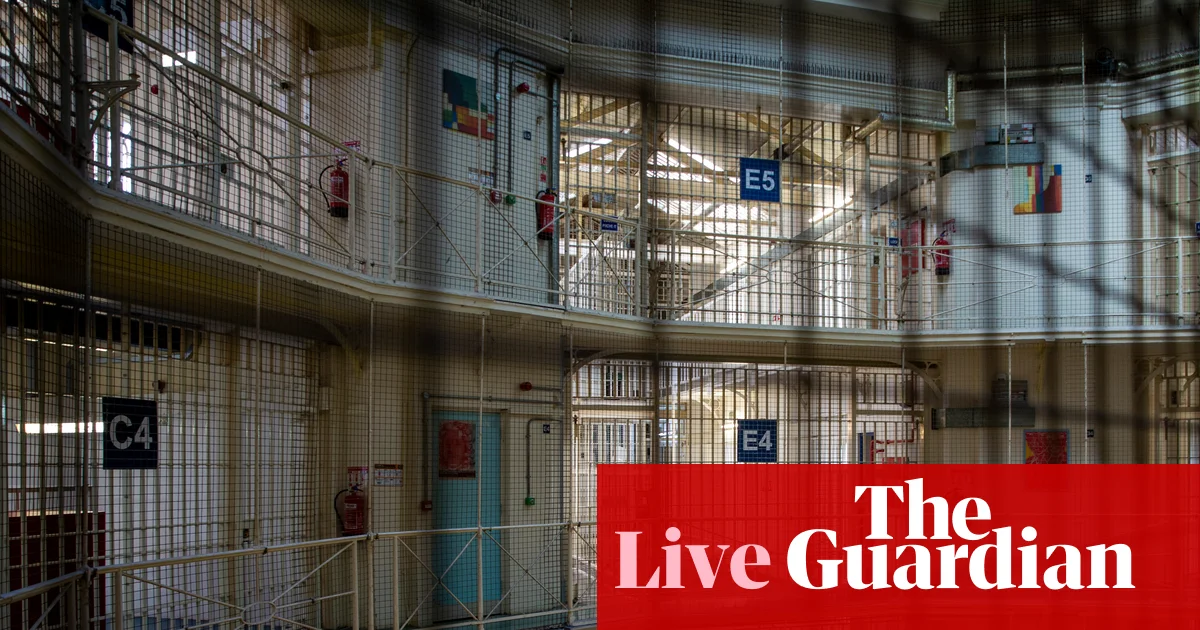
Minister Slams Labour Over Rising Wrongful Prisoner Releases—A Dangerous Trend for UK Youth

UK Prison System Under Fire Amid Rising Wrongful Releases

In a startling development that has captured national attention, Britain’s prison system is coming under intense scrutiny following reports of a rising number of wrongful prisoner releases. The Labour Party and various justice advocates are raising alarms about systemic failures that are jeopardizing public safety and exposing serious flaws in the correctional infrastructure. The crisis underscores not only operational shortcomings but also highlights the deepening geopolitical impact of internal administrative breakdowns in one of Europe’s largest nations.

At the center of the controversy is the failure of the UK’s antiquated paper-based system, inherited from the 1980s, which is now being blamed for the wrongful release of prisoners. As reports reveal, an average of 22 inmates are mistakenly released each month in England and Wales—an increase from 17 under previous administrations. The recent spate of errors has led to authorities confirming that at least four individuals remain at large after wrongful releases. These cases have not only raised concerns about safety but also cast a shadow over the effectiveness of the current prison management protocols, exposing the intractable failures of an overstretched and underfunded system.

International expert and historian Dr. Samuel Harris emphasizes that this crisis signals a turning point for penitentiary reform, warning that continued systemic neglect can unstable the societal fabric. Key decision-makers are now called to overhaul the entire sentencing and discharge process. The recent appointments of Dame Lynne Owens, former director of the National Crime Agency, and promises to build new prisons and implement additional checks, are viewed as initial steps—but critics argue these are mere band-aids. The widespread overcrowding, with many facilities operating well beyond capacity, coupled with low staff morale and lack of training, has only worsened the crisis. The Prison Officers’ Association advocates for a comprehensive overhaul rather than superficial fixes, warning that systemic failures are equating to a risk to society at large.

The ramifications extend beyond domestic borders; as analysts caution, Britain’s internal chaos could ripple across NATO alliances and influence geopolitical stability in the Atlantic region. The conflict-ridden landscape of the **European continent**, combined with ongoing rivalries and the specter of destabilization from migration crises and international security threats, intensifies the stakes. Failing prisons serve as a stark reminder that internal governance, when neglected, can undermine broader trust in state institutions, ultimately giving adversaries an opening to exploit vulnerabilities. International observers from organizations such as the OECD warn that unless urgent reforms are enacted, Britain risks becoming a cautionary tale of internal disrepair that could have ripple effects beyond its shores.

In this sombre turning point, history seems poised to record the UK’s decline into a cautionary chapter of governance failures. As the nation faces the difficult task of penitentiary reform, future generations will look back on these days as a stark reminder of what happens when systemic neglect is allowed to fester—an unfolding saga that might yet reshape the political and social order of Britain and influence the balance of power in the geopolitical arena.

Maine mom wins $25M in wrongful death case after leukemia tragedy involving daughter

Recent legal proceedings in Maine have rekindled a global conversation about accountability and medical standards, illustrating how individual justice can echo far beyond local borders. A civil jury awarded $25 million to Lyndsey Sutherland for her wrongful death lawsuit against Mid Coast Medical Group. This case, centered around the tragic loss of her 15-year-old daughter, Jasmine “Jazzy” Vincent, exemplifies the profound impact that a single verdict can have on societal perceptions of medical responsibility and the pursuit of justice. Although the verdict—comprising $10 million for Jazzy’s wrongful death and $15 million for pain and suffering—is subject to appeal due to jurisdictional caps, its significance reaches well beyond the State of Maine.

Historians and analysts concur that this case serves as a potent reminder that when medical professionals fail to adhere to minimum care standards, the ripple effects are destructive and far-reaching. Jazzy’s initial diagnosis of pneumonia, followed by a misinterpretation of symptoms related to a steroid-related condition, underscores how crucial accurate diagnosis and timely treatment are—especially for pediatric patients. The failure to identify her actual illness, acute lymphoblastic leukemia, led to her untimely death from cardiac arrest, illustrating the deadly cost of negligence. Such instances in the United States have prompted international observers and medical watchdogs to reassess protocols and standards—highlighting a pressing need for global reform to prevent similar tragedies.

This case also underscores how the decisions made in local courts can serve as templates for international discussions on medical accountability. International organizations such as the World Health Organization (WHO) emphasize the importance of stringent medical standards and legal recourse. Yet, critics argue that in many parts of the world, similar cases go unresolved or unnoticed due to systemic flaws or corruption. The Maine verdict becomes more than just a legal victory; it acts as a rallying point for advocates demanding justice and transparency worldwide. Countries grappling with healthcare deficiencies are now watching closely, aware that the outcome of justice in one nation can inspire change global-wide. This case may ultimately catalyze discussions on legal reforms, insurance policies, and the role of medical oversight across borders—highlighting how decisions in small localities carry the potential to influence global health policies.

As the verdict sparks debate, the broader geopolitical impact becomes increasingly evident. America’s legal case at home casts a spotlight on the broader issues related to healthcare accountability, which has tangible effects on international diplomacy and economic stability. Nations are increasingly pressured to adopt more rigorous medical and legal standards, not just to meet global benchmarks but also to shape their national identities as responsible members of the international community. How a country handles its medical negligence cases, whether through litigation, reform, or oversight, signals its commitment to safeguarding its citizens and upholding justice. Meanwhile, critics within international organizations warn that neglecting these standards could promote a pattern of complacency—a dangerous precedent with potentially devastating consequences. Ultimately, the verdict and its aftermath serve as a stark reminder that justice is the bedrock upon which societal stability is built, and that the weight of history continues to be written in moments like these.

Epping sex offender rearrested after wrongful release, authorities crack down

In a striking display of systemic failure, Britain faces a moment of reckoning as a convicted sexual offender, Hadush Gerberslasie Kebatu, mistakenly released from prison, is now in custody and faces imminent deportation. This incident underscores a broader geopolitical impact that resonates beyond national borders, raising questions about border security, immigration policies, and the effectiveness of justice systems amid Britain’s ongoing political and social upheaval. As Prime Minister Rishi Sunak and senior ministers publicly denounce this failure, international observers scrutinize whether the UK’s fragile immigration frameworks are equipped to prevent such disasters from recurring.

On a closer examination, the incident reveals a troubling portrait of how decisions impact society, especially for victims of crime and marginalized communities. The wrongful release of Kebatu, who was convicted for multiple offenses just days after arriving in the UK via small boat, highlights the dangerous intersections of immigration, security, and justice. Analysts and historians warn that such lapses risk undermining public confidence and embolden extremist narratives that advocate for stricter borders and sovereign control. The incident’s ripple effects threaten to accelerate debates on the effectiveness of the UK’s border enforcement, especially amidst the contentious post-Brexit climate where sovereignty and national security are at the forefront.

  • The prison error, caused by human oversight amidst an overwhelmed system, led to Kebatu’s questionable release, despite clear warnings of his dangerous behavior.
  • His subsequent roaming through London, aiming to return to prison or seek assistance, exemplifies the chaos unleashed by administrative negligence.
  • Politicians and security officials have vowed to conduct an urgent investigation, with some calling for immediate deportation and others raising alarms about the vulnerabilities in the chain of custody.

Experts from organizations like the International Crisis Group warn that such incidents expose not only the failures of a specific nation’s justice system but also highlight the broader risks of uncoordinated immigration practices affecting the stability of European nations. The incident also sparks outcry from conservative voices who argue that lax immigration oversight and bureaucratic incompetence threaten societal safety. As Britain grapples with this controversy, the question remains: how do these internal failures influence the country’s international reputation and its capacity to control its borders amidst a global landscape fraught with migration and security challenges?

Ultimately, Kebatu’s escape and reapprehension serve as a stark warning, one that echoes across nations where border security has become a fierce political battleground. The decision to release him, and the subsequent chaos that ensued, is a microcosm of a world where sovereignty is increasingly challenged by porous borders and ineffective institutions. With Britain now under renewed pressure to overhaul its immigration and criminal justice systems, the unfolding story of Kebatu’s case remains a poignant reminder of how the choices made today shape the course of history. As history continues to be written in these turbulent times, the true impact of this crisis will be felt in the coming years—and it leaves the world watching, waiting for the next chapter in this ongoing saga of security, sovereignty, and societal resilience.

Social Media Auto Publish Powered By : XYZScripts.com