Matox News

Truth Over Trends, always!

Billions spent, yet the Xbox mystery remains unsolved for most teens

Xbox’s Strategic Pivot: Innovation, Disruption, and Industry Implications

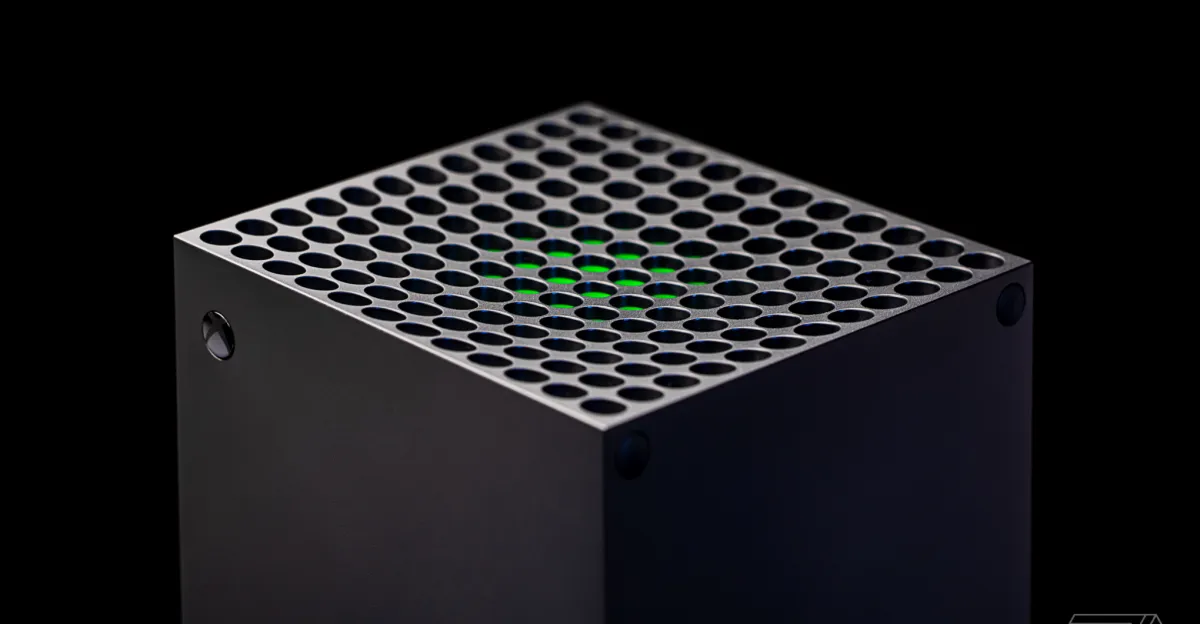
Over the past decade, Microsoft’s Xbox division has undergone a profound transformation, signaling not just a repositioning of a gaming brand but a potential disruption of the entire entertainment ecosystem. Under the leadership of Phil Spencer, who announced his departure last week after steering the platform since 2014, the company’s evolution underscores a deliberate shift toward integrating gaming into a broader digital experience. Spencer’s tenure, marked by the rise of Game Pass and cloud gaming, cemented Xbox’s role as a pioneer in game streaming and accessibility, potentially challenging traditional console-centric models.

What’s compelling about Microsoft’s approach is its aggressive move toward redefining the relevance of hardware. The classic Xbox as simply a powerful console has given way to a paradigm where the brand’s essence is inseparable from any device capable of playing Xbox games. The advertisement campaigns emphasizing “Xbox everywhere” exemplify this strategic disruption, positioning gaming as a ubiquitous, platform-agnostic experience. This aligns with fundamental industry shifts identified by analysts from Gartner and MIT: the rise of cloud-native gaming solutions that threaten not only hardware sales but also traditional content and distribution models. By extending the Xbox ecosystem beyond dedicated consoles, Microsoft is attempting to dominate a new, disrupted market landscape where device independence becomes the norm.

Moreover, the company’s recent acquisitions — notably Activision and Bethesda — demonstrate a clear intent to control exclusive content, even as strategic positioning shifts. While critics argue that Xbox has become a “state of mind,” this evolution introduces significant business implications. As Microsoft increasingly becomes a major publisher on PlayStation and other rival platforms, it challenges the traditional industry consensus that platform owners alone reap the benefits of exclusive titles. This disruptive strategy could pave the way for platform-agnostic monetization models, accelerating the democratization of high-quality gaming and further blurring industry boundaries.

However, these transformative efforts are not without risks. The new leadership under Asha Sharma faces the challenge of translating “the return of Xbox” into tangible market dominance. As former Xbox President Sarah Bond departs, questions remain about the clarity of Microsoft’s long-term vision and how it will compete with the rapidly evolving cloud-based gaming giants like NVIDIA and emergent players inspired by AI-driven innovation. Industry observers, including top-tier analysts from Gartner, warn that failure to capitalize on this disruption could result in Xbox’s marginalization in an increasingly digital-first world. Yet, the company’s commitment to innovation signals a desire to not merely adapt but to lead industry shifts—offering a compelling glimpse of a future where gaming is no longer confined to consoles but integrated into daily life through seamless, platform-independent experiences.

As the gaming industry stands on the cusp of this new era, the urgency for established players to innovate is more critical than ever. Microsoft’s strategic disruption of Xbox signifies a broader movement across tech industries—where legacy brands must either evolve rapidly or face obsolescence. With AI, cloud technology, and next-gen streaming at the forefront, market watchers must anticipate a fierce race for dominance in what could be the most revolutionary phase of digital entertainment yet—one driven by relentless innovation and an unstoppable desire to redefine the boundaries of how, where, and when we game.
Nex Playground Takes Over: Outpacing Xbox as the Must-Have Holiday Toy

Disruption and Innovation Drive Growth of Nex in the Gaming Industry

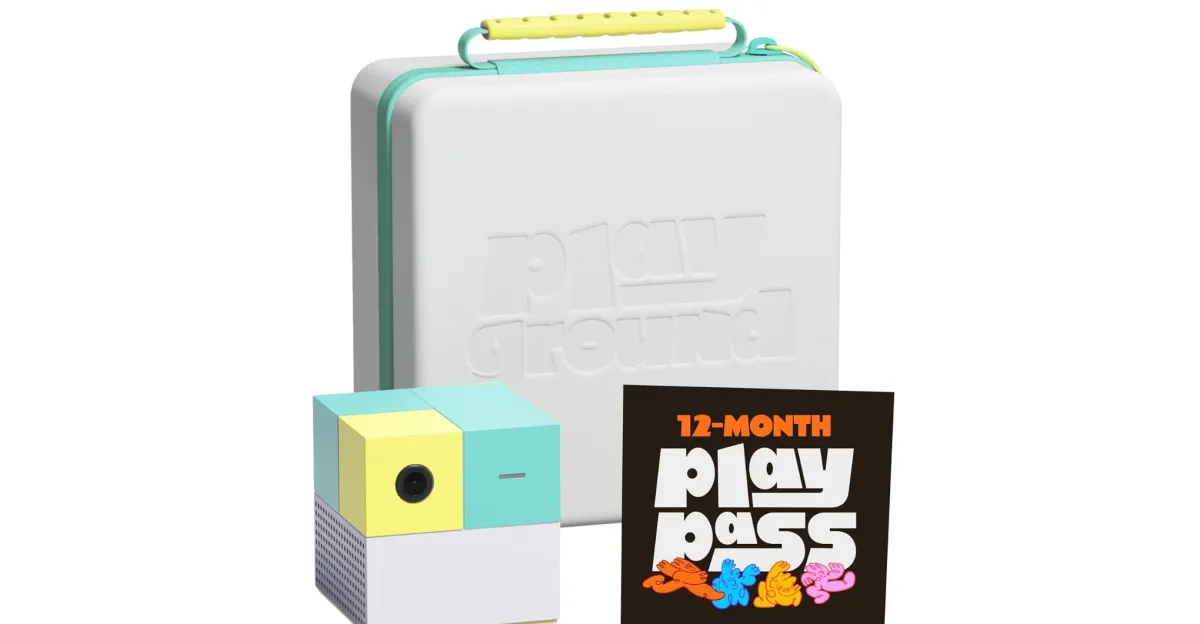
In an era marked by rapid technological evolution, Nex exemplifies how strategic pivots and innovative products can redefine industry benchmarks. Just two years ago, Nex was a niche player, shipping approximately 5,000 units of its flagship product, the Playground. Fast forward to today, and the company’s trajectory is nothing short of extraordinary: sales have surged to an estimated 600,000 units this year, representing a 12,000% increase within a short span. Such explosive growth not only exemplifies the disruptive potential of innovation-driven companies but also signals a significant shift in consumer engagement and market dynamics.

Underlying this ascendancy is Nex’s bold pivot from unprofitable beginnings—where it posted about $3 million in annual revenue—to a strategic focus that has yielded an anticipated over $150 million in sales this year. With smart scalability measures and breakthrough hardware design, Nex is on track to achieve profitability, a milestone that many startups in the consumer tech space aspire to but seldom reach this swiftly. Industry analysts, including Gartner and MIT experts, emphasize how such rapid scaling underscores a broader trend impacting the gaming and experiential technology sectors—namely, a move toward immersive, community-driven digital entertainment that resonates profoundly with youthful audiences.

This transformation highlights a broader market shift: consumer preference is shifting toward integrated, high-engagement hardware experiences. The Playground’s commercial success underscores how disruption fueled by innovation can turn previously niche products into mainstream catalysts. Notably, the integration of AI, extended reality, and social connectivity features in Nex’s offerings has positioned the company ahead of competitors, challenging legacy giants resistant to rapid change. Such progress echoes the strategic insights of Elon Musk and Peter Thiel, who have long championed the importance of technological turbulence as a driver of entrepreneurial advantage.

Looking ahead, the implications are profound. The rapid rise of Nex signals that businesses willing to pivot and harness emerging technologies can capture market share at an unprecedented pace. As younger generations demand more immersive digital experiences, incumbent players must innovate or face obsolescence. The success story of Nex serves as a clarion call to investors, entrepreneurs, and industry leaders: leveraging disruptive innovation is no longer a competitive advantage but an imperative for survival. The coming years promise even more dynamic shifts, as new entrants and tech giants race to harness the next wave of technological breakthroughs that will shape the future of interactive entertainment. It is a time for bold moves, swift adaptation, and relentless pursuit of breakthrough ideas.

Try the Xbox Full Screen Experience on any PC or tablet—game on the go!

Microsoft Reinvents Gaming with Full Screen Experience (FSE) Expansion Across Windows Devices

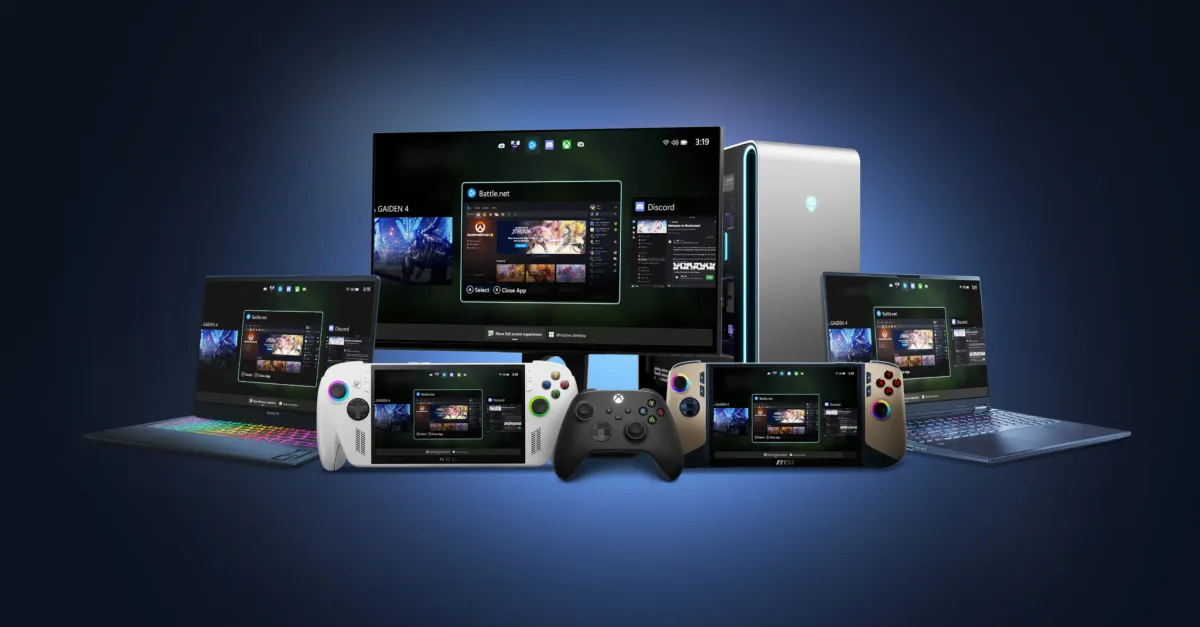
In a significant move toward disruption of traditional gaming interfaces, Microsoft has announced the expansion of its Full Screen Experience (FSE) to a broader range of Windows devices — including laptops, desktops, and tablets — via the latest Windows Insider Preview Builds. This development underscores the company’s strategic push to integrate a more immersive, console-like gaming experience into everyday computing, creating a paradigm shift in how users engage with games across multiple form factors. The rollout, currently in the experimental Dev and Beta channels, is a clear sign of Microsoft’s intent to fuse console and PC gaming, bridging hardware ecosystems and setting new industry standards.

The FSE feature, which was previously limited to select Xbox Insider environments, is now more accessible, offering users a more streamlined, high-fidelity, full-screen gaming immersion from their Windows PCs. To activate the feature, users simply hover over the Task View icon on the taskbar and select the Xbox full-screen experience option, or use the shortcut Win + F11. This straightforward interface enhancement, coupled with easy toggling in the Game Bar settings, demonstrates Microsoft’s focus on user-centric innovation — making powerful gaming features more intuitive and widely available. “Microsoft aims to challenge the boundaries between Windows and Xbox, delivering a seamless, console-like experience that could fundamentally alter desktop gaming,” notes industry analyst Sarah Chen of TechInsights.

However, the rollout isn’t universal yet. As Microsoft explains, access to FSE is “gradually rolling out” and requires the latest Windows Insider Builds alongside the Xbox app from the Microsoft Store. This phased approach reflects a strategic move—optimizing the technology while managing the massive scale of Windows’ global user base. SuchControlled rollout strategies are typical of Microsoft’s approach to innovation, allowing them to gather feedback and fine-tune the feature before a broad public release. The potential implications are profound, positioning Microsoft to challenge other gaming platforms and reshape user expectations—particularly as the industry shifts toward more integrated, high-performance gaming environments that leverage PC hardware and cloud services.

The broader implications of Microsoft’s FSE expansion reach well beyond just user experience. By enhancing the gaming capabilities of Windows devices, Microsoft is reinforcing its position as the dominant ecosystem for gaming, possibly disrupting competitors like Sony and Nintendo, which are more console-focused. Industry insiders believe this move could catalyze new business models around integrated hardware-software packages and cloud-based gaming services—areas where giants like Elon Musk’s Neuralink and Google’s Stadia are vying for dominance. Significant, too, is how Microsoft’s decision reflects a larger industry trend—a shift towards more versatile, immersive computing platforms that blur the lines between gaming and productivity, fueling a future where innovation accelerates at an unprecedented rate.

Looking ahead, the expansion of FSE on Windows signals an urgent need for gamers, developers, and tech enthusiasts alike to stay alert. As Microsoft’s strategy to embed high-fidelity gaming into daily computing unfolds, industry stakeholders must adapt and innovate swiftly, or risk being left behind in an evolving landscape driven by disruptive technology. The move toward more immersive, seamless gaming experiences is just beginning; the industry must now prepare for a future where the next big leap isn’t just hardware or software, but the integration of both into a holistic, user-focused ecosystem that redefines how and where we game. The race for the next generation of immersive tech is on, and Microsoft’s bold steps might just steer the industry toward a transformative era of digital interaction.

Social Media Auto Publish Powered By : XYZScripts.com



