Matox News

Truth Over Trends, always!

Wildlife Trusts Celebrate 100 Years with Major Woodland Initiative for Future Generations

Across the United Kingdom, a profound shift in nature conservation is unfolding that resonates far beyond its borders, illustrating a nationalist pride in restoring the natural landscape as a cornerstone of cultural resilience. The recent purchase of 136 hectares of farmland at Wood Norton by the Norfolk Wildlife Trust marks a compelling turning point in how nations prioritize ecological revival in their policy agendas. With a £4.6 million investment, this project symbolizes more than ecological preservation—it signifies a commitment to rebalancing human activity with natural processes. Historians and scientists have long debated whether the modern state’s role should be to exert control or enable the land to reclaim its own destiny, and the Norfolk initiative clearly leans toward the latter—a move that experts argue could set a precedent for similar efforts worldwide.

The geopolitical impact of such ecological initiatives extends well beyond national borders, influencing regional policies, trade, and even the global climate architecture. The project is partly funded through Natural England’s nutrient mitigation scheme, aimed at reducing nitrates and phosphates in waterways—a strategy increasingly adopted in nations facing water pollution crises. International organizations like the United Nations Environment Programme acknowledge that restoring wetlands and floodplains can drastically improve water quality and mitigate extreme weather events. By turning degraded farmland into vibrant wildlife corridors, the UK sets a template for how countries can use ecological restoration as a form of soft power—demonstrating leadership in environmental stewardship while fostering economic benefits in agriculture and tourism. Critics, however, warn that such measures could threaten food security, especially as the nation balances the need for ecological resilience with the imperative of feeding a growing population.

Moreover, this project mirrors a global reawakened appreciation for ‘rewilding’—a movement that champions the return of herbivores and natural predators to restore ecological balance. Drawing inspiration from successful initiatives like the Knepp estate, conservation experts emphasize that supporting biodiversity is not merely about protecting the rare but recognizing ‘how common species are suffering’ and how their resurgence can reinforce the resilience of entire ecosystems. International research indicates that habitat creation and restoration can fortify local communities against climate-induced calamities. As analysts warn of looming resource crises and ecological instabilities, the Norfolk project stands as a testament to a rising tide of ecological nationalism—where the land’s future is dictated by its own natural intelligence rather than human interference alone.

As history unfurls, what transpires at Wood Norton may become a symbol of a broader realignment—an age where human ambition must reckon with the planet’s innate capacity for regeneration. It is a landscape infused with the hope of renewal, yet fraught with the weight of decisions made: will this be merely an isolated sanctuary or the seed of a global movement reimagining land use? With the return of beavers, the resurgence of wild flora, and the recognition that ‘the land should decide its own destiny,’ humanity is at a crossroads. The choices we make today—whether in Norfolk or elsewhere—will echo into history’s chapters, shaping a world on the brink of either ecological collapse or renaissance. The shadows of past conflicts over land and resource are still cast long, but now, amidst the rising dawn of ecological sovereignty, the story remains fundamentally ours to write.

'US killer freed and deported from Bali after 11 years behind bars'
‘US killer freed and deported from Bali after 11 years behind bars’

The recent announcement that a 33-year-old individual will face federal charges in the United States marks a potential turning point in an ongoing international saga that has captured global attention. As this figure prepares to appear in court, the geopolitical reverberations threaten to reshape alliances, influence security policies, and redefine diplomatic priorities across continents. The case’s unfolding underscores the increasingly interconnected nature of modern international relations, where domestic legal proceedings can have substantial foreign policy implications.

U.S. authorities have signaled that the charges are part of a broader effort to combat what they describe as significant threats to national security. Although specifics remain classified or under seal, analysts suggest that the repercussions extend far beyond the individual’s immediate circumstances. The incident occurs within a context of heightened geopolitical tension, notably driven by rising global rivalries between major powers and unpredictable regional conflicts. The potential for this case to spark diplomatic embargos, counter-intelligence operations, or even covert retaliations is high, prompting anxious governments worldwide to consider their own security strategies.

According to international law experts and historians, such high-profile legal actions are seldom isolated events. Instead, they serve as symbolic battlegrounds for larger ideological and geopolitical struggles. The United States, under its current leadership, appears to be leveraging law enforcement as a tool for asserting influence and sending a message to both allies and adversaries. Critics argue that the case may also serve as a catalyst for other international shifts, especially if allied nations begin to replicate similar measures or align their policies more closely with Washington’s stance. The fact that the defendant is due in court on Thursday elevates the anticipation of a decisive moment, one that could inflict ripples across diplomatic channels for months to come.

The international community watches with cautious interest, aware that the outcome has the potential to change the trajectory of ongoing conflicts and alliances. Security councils and intelligence agencies from various nations are carefully analyzing the implications. Some argue that this case exposes the fragility of digital and political borders in a globalized era, where individual actions can escalate into international crises. In this delicate balancing act, the decisions made in the courtroom will determine whether this moment becomes a catalyst for renewed cooperation or a pretext for escalation.

The narrative unfolding around this federal case is emblematic of a broader, more profound struggle—one that involves not just legality, but the very fabric of international stability. As world leaders and analysts deliberate the short-term repercussions and long-term shifts, the deep, resonant question remains: how will history judge this and similar events? Will this be remembered as a turning point towards increased cooperation and strength? Or will it be cited as a cautionary tale of rising tensions and geopolitical miscalculations? The words spoken in U.S. courtrooms tomorrow could shape the course of history, marking either the beginning of a new chapter or the latest chapter in escalating global uncertainty.

Four Years Later: Zelenskyy States Putin’s Goals Remain Unmet—Europe Updates | Ukraine

Four Years of Conflict: The Evolving Geopolitics of Russia’s Invasion of Ukraine

As Ukraine marks its fourth year of fierce resistance against Russia‘s full-scale invasion, the global community observes a pivotal moment in what has become the defining conflict of the 21st century. Beginning on February 24, 2022, when Russian forces sought to seize the country within mere days, the war has morphed into a protracted struggle that continues to reshape geopolitical alliances and challenge international norms. Despite efforts to rally support and impose sanctions, the conflict remains unresolved, revealing profound fissures within Western-led coalitions and exposing vulnerabilities in diplomatic strategies.

The Ukrainian people, under the steadfast leadership of Volodymyr Zelenskyy, have consistently underscored their resilience and unwavering commitment to sovereignty. In his recent address, Zelenskyy reflected on the enduring spirit of Ukraine, emphasizing that “we have defended our independence, we have not lost our statehood; Putin has not achieved his goals.” Such declarations serve as a stark reminder that, despite relentless aggression and substantial losses, Ukraine has maintained its national identity and territorial integrity. Historians and analysts underscore this narrative as a testament to the resilience of post-Cold War Europe’s most prominent democracy under siege, illustrating how a nation’s united front can withstand even the most formidable foes.

Yet, the geopolitical impact extends far beyond Ukraine’s borders. The ongoing conflict continues to test the cohesion and resolve of NATO and the European Union. Recently, Mark Rutte, NATO’s Secretary General, and Ursula von der Leyen, President of the European Commission, prepared to honor Ukraine’s bravery by convening in Kyiv and via video links. However, controversy has surfaced over the EU’s inability to present a united front: Hungary’s Viktor Orbán vetoed a new set of sanctions aimed at intensifying pressure on Russia over separate disputes involving oil transit through Ukraine. International organizations like the EU face critical scrutiny, as this political sabotage underscores internal divisions that threaten to undermine the collective effort to support Ukraine and uphold global stability.

Historical and geopolitical analysts warn that such divisions could be a turning point—that if Western alliances falter, the balance of power in Eurasia could be permanently altered. The war’s broader implications include the realignment of global influence, renewed tensions in Eastern Europe, and a warning that failure to sustain unified pressure may embolden Russia and other revisionist powers. Meanwhile, the clandestine efforts of allied intelligence agencies, notably the CIA and MI6, to intercept Putin’s plans prior to the invasion reveal a complex web of intelligence failures and miscalculations. Shaun Walker’s investigative reporting sheds light on how Western intelligence underestimated the Russian president’s intentions, highlighting the dangerous costs of complacency in an era where information wars are as critical as military ones.

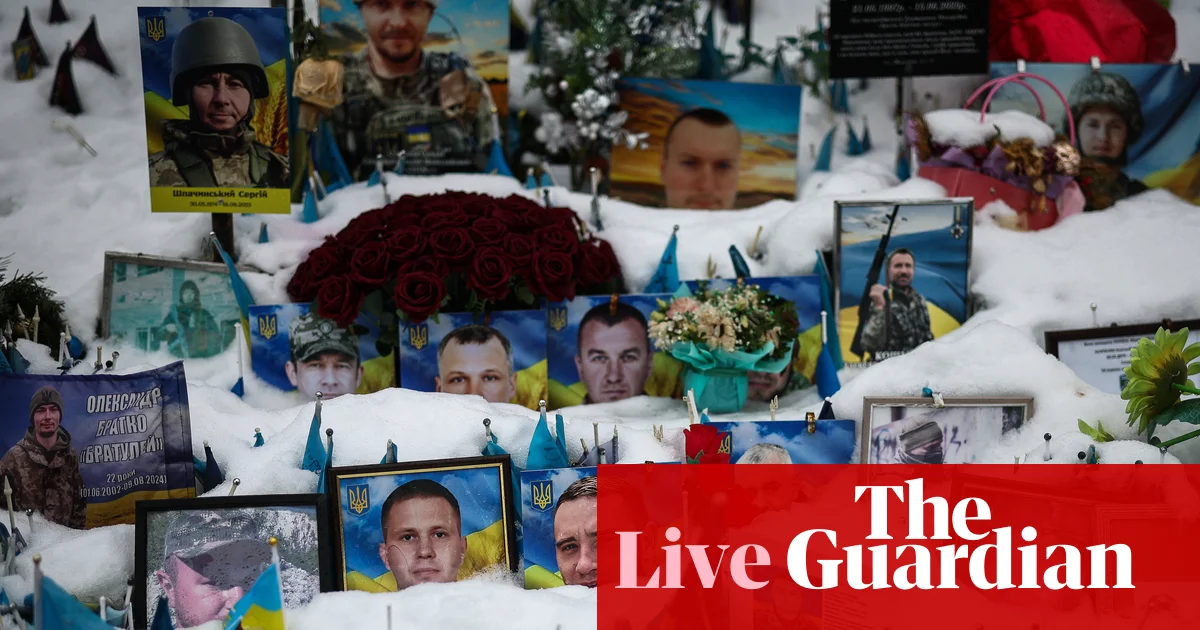
As history continues to unfold, the unresolved tensions and unresolved conflicts stake their claim on the future of Europe and beyond. The voices from Kyiv, Brussels, and Washington echo with warnings of what might come if the present momentum diminishes. The city of Kyiv itself, bearing signs of resilience like the symbolic “Bravery Made in Ukraine,” stands as a testament to the unyielding human spirit amid the chaos of war—yet, the shadows of discord within Western alliances threaten to cast long-term consequences that could reshape continents. For now, the world holds its breath—watching as the pages of history are written, one day at a time, in the blood and hope of nations fighting for sovereignty and peace—and knowing full well, that this story is far from over.

Four Years of War in Ukraine: Russia’s Struggling to Keep Up

In the wake of Russia’s ongoing conflict, the ripple effects extend far beyond the battlefield, deeply impacting the global economy and international stability. As detailed by Steve Rosenberg and numerous analysts, the economic fallout from this conflict has manifested in widespread inflation, disrupted supply chains, and altered geopolitical alliances. While the fighting persists, nations around the world grapple with how best to respond, balancing sanctions, aid, and strategic interests. The decision of the international community to impose measures against Moscow reflects a profound shift in diplomatic paradigms and raises urgent questions about the future of global order.

Economically, the conflict has caused disruptions in critical sectors such as energy, agriculture, and technology. Russia’s role as a major energy supplier means that sanctions targeting its oil and gas exports ripple through European markets and beyond, leading to skyrocketing prices and energy insecurities. The United Nations and analysts from think tanks highlight how these economic pressures threaten to destabilize already fragile economies, especially in Europe. Meanwhile, countries heavily dependent on Russian commodities face tough choices — either to diversify sources or confront inflationary pressures that threaten to impoverish millions. Historians trace similar patterns during past conflicts, noting how economic retaliation often fuels national resilience or, conversely, sparks internal dissent.

Within Russia, the war’s economic toll is unfolding differently, with the Kremlin implementing measures to bolster its economy amid international sanctions. Nonetheless, the social fabric is under strain as everyday life becomes increasingly difficult for ordinary citizens. How populations cope emotionally and financially reflects a society adapting to extraordinary circumstances, yet also raises concerns about internal stability. Meanwhile, in Ukraine, the conflict’s territorial and humanitarian toll compels Western nations and international organizations to consider long-term commitments — not solely military but broad economic aid and reconstruction efforts. Strategic analysts warn that unresolved tensions and economic instability could prolong the hostilities and exacerbate global insecurity.

Global institutions such as the International Monetary Fund and World Bank continue to alert policymakers about the risks of prolonged conflict on world economic growth. The shifting alliances and economic decouplings signal a fundamental transformation in international relations—one where traditional power blocs are reassessing their roles and strategies. This scenario underscores how decisions made in the heat of geopolitics will shape the world order for generations. As experts debate whether diplomacy can still prevail or if a new Cold War is inevitable, the weight of history presses heavily upon us, reminding the global community that war’s consequences extend beyond the battlefield—affecting the very fabric of societies and the stability of nations.

In the shadow of these tumultuous developments, the question remains: how will the decisions of today ripple through the corridors of power and the lives of millions? With each geopolitical shift, the world inches closer to an uncertain future — where history’s pen continues to write, and humanity waits with bated breath for the next chapter in this ongoing saga of conflict and resilience.

Unleash Your Inner Lion: The Power and Passion Behind Lunar New Year’s Daring Dancers

Celebrating Tradition and Personal Impact: Sydney’s Lunar New Year Lion Dance

As the sun beats down on Sydney’s west, the sounds of drums and cymbals reverberate through the sun-baked concrete lot of Mingyue Lay temple. Here, amidst lion heads crafted from papier-mâché and kids energetically jumping onto poles and each other, a vibrant display of cultural resilience unfolds. The lunar new year festivities continue beyond the single day, with over 100 performances scheduled over three weeks, showcasing a tradition that holds significance far beyond mere spectacle. The upcoming celebration marks the Year of the Fire Horse, an emblematic pairing that occurs only once every 60 years, heightening the cultural and spiritual importance within the community. For Sydney, with one of the largest lunar celebrations in the southern hemisphere, these performances are a testament to the city’s multicultural vibrancy and the enduring relevance of Chinese heritage.

The dedication of the lion dance troupes, like Qing Fong Dragon and Lion dance team, exemplifies how cultural practices foster community and personal growth. Despite the relentless heat, dancers such as Long Huynh and Kelvin Tran prioritize training, embracing the mindset that “rain, hail or shine, we still train.” Their rigorous regime includes conditioning runs, dynamic stretches, and hours of practice to perfect each move. Tran’s teaching philosophy emphasizes connection, urging students to “be the lion and feel the lion through themselves.” For many young dancers, this is more than a craft; it’s a journey of self-discovery, resilience, and wonder. Training inside air-conditioned halls during the hottest days demonstrates adaptability—showing that dedication can adapt to environment while still pursuing mastery. This immersive experience nurtures confidence, teamwork, and a deep respect for tradition that extends well beyond the dance floor.

From the intricacies of costume work to the harmony between dancers, the lion dance is a masterpiece of collaboration. Each performance involves multiple moving parts: controlling facial expressions, coordinating tail and head movements, and staying synchronized with rhythmic music that encapsulates the heartbeat of Chinese culture. The dancers must trust each other implicitly, as inside the costumes, vision is limited and each movement must be precise. According to instructor Adelene Pham, the real magic of the lion dance is the trust and family that develop among performers, often lasting a lifetime. This bond is reinforced by shared meals, late-night rehearsals, and the collective goal to ward off evil spirits and invite prosperity. It’s an inspiring reminder that tradition isn’t just about preservation but transformation—fostering vital connections that energize communities and individuals alike.

As the lunar new year concludes, the momentum doesn’t pause. The troupe continues to perform at weddings, business openings, and cultural festivals, perpetuating their heritage and inspiring a new generation. The physical and emotional toll of the practice is balanced by the camaraderie and personal achievement in mastering complex routines. For many young dancers, like Nicky Phan, lion dancing represents more than an art form—it’s a personal renaissance. Whether facing the challenge of mastering a new move or simply sharing a meal after hours of practice, they embody the spirit of perseverance and resilience that defines successful lifestyle adaptation. Their journey underscores an essential truth: in embracing culture, we embrace ourselves—and in doing so, illuminate the path toward a meaningful life. The lion dance, much like a well-lived life, is about trusting others, daring to perform from the heart, and always moving forward with courage and community in mind.

Dark Web Agent Finds Bedroom Clue, Rescues Girl from Years of Harm

In a harrowing case that underscores the alarming proliferation of online abuse, detectives around the world are racing against time to locate a 12-year-old believed to have been subjected to horrific content circulating across digital platforms. The child’s disappearance has sparked international concern, prompting law enforcement agencies and child protection organizations to collaborate on an unprecedented scale. What initially appeared as a routine investigation has unveiled a surprising lead, revealing how the digital realm continues to serve as a battleground for safeguarding vulnerable populations, especially minors.

The case has garnered attention far beyond local jurisdictions, highlighting the globally interconnected nature of modern crimes. Authorities in multiple nations have intensified efforts, leveraging technological intelligence and international cooperation mechanisms. The emergence of a promising lead came after detectives analyzed a series of digital footprints, which intriguingly pointed to a complex web of online exploitation that transcends borders. Experts from INTERPOL and Europol have emphasized the crucial role of cross-border intelligence-sharing in such cases, underscoring the urgent need for comprehensive digital safeguards. This case also underlines the importance of digital literacy and proactive measures in protecting children from predators lurking behind screens, which has become an increasingly pressing public-policy challenge.

Analysts and historians note that the current wave of online exploitation reflects broader societal and geopolitical shifts. The rise of encrypted communication channels, dark web markets, and anonymous social media platforms have enabled predators to operate with relative impunity. Moreover, the case reveals how regulatory gaps in various jurisdictions allow traffickers to exploit legal loopholes, which international institutions like the United Nations have criticized as an urgent issue requiring coordinated policy intervention. Such incidents emphasize a critical truth identified by security experts: as technology advances, so too must global responses to ensure the safety of future generations.

Elsewhere, political leaders have responded with decisive rhetoric, vowing to strengthen laws and increase surveillance to prevent similar tragedies. Yet, these efforts often clash with civil liberties concerns, raising complex questions about individual privacy versus collective safety. The case serves as a stark reminder to nations worldwide that the battle against online child exploitation isn’t just a local issue but a defining moral and geopolitical challenge of the digital age. With each new lead, the investigation narrows, but the shadows cast by digital predators continue to loom. As history unfolds, the world watches as brave agencies navigate these treacherous waters, knowing that the fight isn’t merely about catching authorities’ targets; it’s about safeguarding the future from the abyss that lies behind the glowing screens.

National Student Pride Closes After 21 Years of Fighting for Youth Voices

End of a Community Tradition: A Reflection of Broader Social and Cultural Shifts

The announcement that this weekend’s community event will be its last signals more than just the loss of a local tradition. Organizers have cited a significant decline in sponsorship support over recent years, underscoring a troubling trend of diminished communal investment and engagement. Such events, often rooted in shared cultural heritage and local solidarity, serve as vital touchpoints for building social cohesion, nurturing civic pride, and strengthening familial bonds. Their fading points to a society where economic pressures, shifting social priorities, and demographic changes threaten to erode the fabric that binds neighborhoods together.

As sociologists and social commentators have observed, the decline of community-centered initiatives reflects, in part, broader uncertainties and tensions within society. Economic strains have compelled many families and local businesses to prioritize immediate financial survival over participation in cultural or communal endeavors. Historically, institutions such as schools, local councils, and community organizations have played crucial roles in maintaining social stability and transmitting shared values. However, as these institutions face challenges of funding, relevance, and engagement, the social fabric begins to fray, further complicating efforts to foster a sense of belonging among youth and families alike.

How social issues directly impact families, education, and communities becomes evident when local traditions fade. The absence of ongoing communal events deprives younger generations of generational storytelling, cultural inheritance, and opportunities for active civic participation. This vacuum fosters a sense of disconnection, potentially leading to increased social alienation and polarization. Many social analysts argue that without deliberate intervention and innovative approaches, these losses threaten to deepen societal rifts, undermining the foundational values of shared responsibility and community service.

In examining such decline, some sociologists, like Christopher Lasch, emphasize the importance of *cultural resilience*—the capacity of communities to adapt and preserve core values amid change. Historians point to past periods of social upheaval, noting that renewed community engagement often emerges from intentional efforts to reconnect residents through shared projects and local history initiatives. Moving forward, solutions may involve fostering youth involvement, revitalizing local institutions, and encouraging cross-sector collaborations that prioritize cultural preservation and social cohesion. Only through these concerted efforts can communities hope to bridge the gaps caused by economic and demographic shifts, restoring a sense of collective purpose.

As society stands at this crossroads, the fading of this cherished event serves as a somber reminder of the complex social dynamics shaping our world. Yet, it also beckons us to confront these challenges with hope and resilience—recognizing that the strength of a community lies not solely in its traditions, but in its willingness to adapt, rebuild, and forge new paths toward lasting social unity. In the end, these societal upheavals challenge us to reflect on what it truly means to be a community, and whether we are willing to invest our shared hopes for the future into the causes that bind us—before they, too, become memories of what once was.

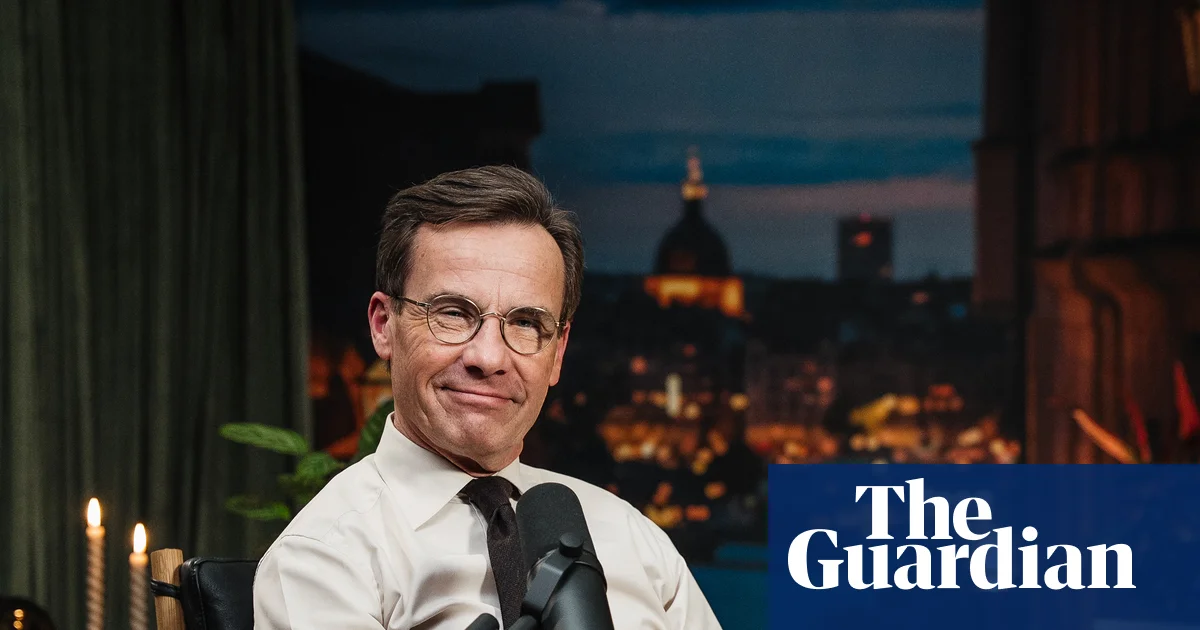
Can the Swedish PM’s new podcast turn the tide in this year’s election? | Sweden

Swedish Politics in Flux: A New Media Strategy Meets Geopolitical Realities

In Sweden, a nation historically seen as a bastion of social democracy and progressive policies, political tides are shifting rapidly amidst a landscape of burgeoning populism and shifting alliances. Prime Minister Ulf Kristersson, leading a fragile minority government, has launched an unconventional initiative—his own podcast Ring statsministern!—aiming to connect with voters in a more relaxed, conversational format. While this approach temporarily garners public attention, political analysts warn that it underscores a deeper power struggle which extends beyond domestic borders. Critics suggest that surface-level “friendliness” cannot mask the tangible challenges Kristersson faces, especially with the rising influence of the Sweden Democrats, a party rooted in far-right nationalism and increasingly decisive at the ballot box.

The geopolitical impact of this internal Swedish shift becomes evident when considering the broader European context. The Sweden Democrats’ rise signals growing discontent among the electorate regarding issues such as migration, law and order, and national sovereignty. As historian Lars Truedson notes, this ideological pivot echoes similar trends across northern Europe, where traditional liberal democracies grapple with populist surges. The moderation or radicalization of these regimes will inevitably influence EU policies on border security, economic integration, and diplomatic strategy. The Swedish government’s reliance on a party with roots in extremism raises questions about the nation’s ability to maintain its longstanding reputation as a pillar of stability amid mounting international pressure.

Within the international arena, organizations like NATO and the EU are watching Sweden’s political realignment with keen interest. The country’s proximity to the Arctic and its strategic position in the Baltic Sea make it a critical theater for geopolitical negotiations involving Russia, the United States, and China. As Sweden balances internal political pressures and external threats, the decisions made today could redefine its alliances and security posture for decades to come. The decision of the Kristersson government to maintain a hard stance on migration and law enforcement aligns with international security policies aimed at curbing extremism, but also risks alienating segments of society and fracturing national consensus.

Political commentators emphasize the importance of understanding the wider international implications of Sweden’s internal politics. The nuanced tactics of Kristersson’s government—such as launching a friendly podcast—are viewed by many as a strategic move to shape the narrative and deflect scrutiny, especially ahead of elections that will decide whether populist forces continue to dominate. As Parisa Höglund, a renowned analyst, remarks, “This is more than just a media stunt; it’s a reflection of the larger geopolitical game in which Sweden remains a critical pivot point.” With voters’ trust diminishing and the shadow of the Europe-wide populist surge growing darker, Kristersson’s fragile leadership underscores a critical juncture in Swedish and global politics. His efforts to appear accessible and relatable are, perhaps, a desperate attempt to fend off history’s relentless march—an uncertain chapter where the fate of nations hangs in delicate balance, caught between the tides of populism and the imperatives of sovereignty.

Rising Stars Shine: Young Athletes Make Headlines in This Year’s Championships

Arsenal Eyeing Goretzka for Midfield Reinforcement

In a move that has sent ripples through the football community, Arsenal is reportedly considering a bid for Leon Goretzka of Bayern Munich. This potential signing could significantly enhance the Gunners’ midfield options as they look to solidify their position among Premier League contenders. Both clubs have yet to officially comment on the speculation, but insider sources and sports commentators are buzzing with enthusiasm over the prospect.

The importance of a strong midfield cannot be understated, and Goretzka brings a combination of physicality, technical skill, and tactical awareness that could prove invaluable for Arsenal. As noted by commentator and former player Gary Neville, “A player of Goretzka’s caliber would change the dynamic of any team.” His ability to transition from defense to attack could complement Martin Ødegaard and bolster the overall strategy of manager Mikel Arteta.

  • Goretzka’s stats: As of last season, he averaged 1.7 key passes per game and boasted a passing accuracy of 88%.
  • Arsenal’s current midfield: Features players who are strong in certain areas but lack the all-round competitiveness that Goretzka offers.
  • Club ambitions: The Gunners are keen to return to the top four positions and a strong midfield presence is essential.

While it remains uncertain whether Bayern Munich would entertain an offer, fans are buzzing with hope that such a transfer could materialize. Signing Goretzka would not only bolster the squad but also send a statement of intent—demonstrating that Arsenal is serious about their plans for the future and has ambitions beyond just competing.

In the world of sports, transactions like these epitomize the relentless pursuit of excellence and passion. As the possibility of Goretzka joining the ranks of Arsenal becomes a focal point for discussion, it serves as a reminder that football is not just about the scoreboard. Rather, it unites players, fans, and communities in a shared love for the game. In the end, whether it’s a new signing or a late-game save, it’s the communal experience of triumphs and defeats that turns sport into a powerful force of unity.

Source link

Melania Trump doc hits $7M in US, biggest debut in over 10 years

In a world increasingly shaped by the theatre of national identity and ideological loyalty, domestic cultural productions serve as more than mere entertainment—they are potent tools reflecting and reinforcing societal values aligned with political interests. The recent surge of the Melania Trump documentary, which garnered a record-breaking $7 million during its opening weekend, exemplifies this phenomenon. Despite critical panning, with reviews describing it as “dispiriting” and “propaganda,” the film’s success among conservative audiences underscores a deliberate strategy: leveraging media to bolster a political narrative rooted in patriotism, family, and Christianity, especially within the context of the upcoming 2025 re-election cycle.

Indicative of the broader geopolitical power struggles and their intersection with domestic politics, the production’s expansive budget—estimated at $75 million—raises questions about the motives behind lavish investments into politically charged content. Amazon, a global giant increasingly entangled in political crossfire, justifies its expenditure with an economic model targeting its vast subscriber base, circumventing traditional theatrical metrics. Notably, Amazon’s decision to promote the documentary worldwide, while sacrificing profitability for ideological influence, points to a strategic shift: private corporations and international media are becoming instruments of political and cultural agendas, with their economic decisions echoing across national borders.

Meanwhile, the controversy surrounding the film’s director, Brett Ratner, and his association with figures like Jeffrey Epstein, adds a layer of intrigue to this domestic spectacle. As ratified by international law and investigative outlets, the links between industry figures and scandalous figures of power highlight how elite networks operate behind the veneer of public culture. Analysts warn that such connections blur lines between influence, media, and political leverage. The narrative crafted in the documentary, echoing idealized visions of family and patriotism, can be perceived as an attempt to manipulate public sentiment—especially in key conservative regions—while shielding certain figures from accountability. This subtly shifts the geopolitical landscape by reinforcing societal divisions and emboldening factions aligned with traditionalist values, potentially impacting policy debates on national sovereignty and cultural identity.

Within this unfolding contest of narratives, history and international organizations warn of the dangerous implications of this cultural battleground. As historian Dr. Emily Carter notes, “When nations manipulate history and popular culture to serve political ends, they risk eroding the very foundation of democratic discourse,”. The strategic deployment of such documentaries signifies a conscious effort to sway public opinion, not just domestically but across international borders, especially in regions where ideological divides are widening. The ultimate toll of these decisions—whether it leads to increased societal polarization or the reassertion of certain power structures—will be written into the pages of history, reminding a global audience that the battleground of influence now extends beyond foreign policy into the realm of culture and information, where the lines between truth and propaganda are increasingly blurred.

Social Media Auto Publish Powered By : XYZScripts.com