Matox News

Truth Over Trends, always!

FBI Stops Los Angeles New Year’s Eve Terror Plot, Authorities Announce

The recent disruption of a potential terror attack in Los Angeles by federal authorities underscores the fragile geopolitical landscape and the persistent threat of extremism within the United States. According to officials, four members of the Turtle Island Liberation Front, a radical offshoot of a pro-Palestinian, anti-government faction, were arrested on suspicion of plotting a coordinated bombing campaign aimed at multiple locations across southern California. The plot, believed to have been scheduled around the New Year’s Eve festivities, involved testing improvised explosive devices in the desert east of the city—a development that raises alarm on multiple levels.

This incident illustrates a broader challenge confronting America’s national security apparatus amidst an increasingly complex geopolitical matrix. The FBI’s swift intervention, which utilized surveillance assets and tactical forces, demonstrates the importance of vigilant law enforcement in countering domestic terror threats. US Attorney General Pam Bondi labeled the foiling of this plot as a preventative measure against “far-left” extremists, emphasizing that the threat comes from varied ideological spectrums. Analysts note that this event signals a shift in how domestic threats are perceived, especially as radical groups exploit social grievances and ideological fissures to mobilize and plan violence.

Significantly, researchers and international organizations have long warned of the rising proliferation of radical ideologies and their potential to destabilize societies. The United Nations and Department of Homeland Security have argued that such plots, if successful, could have devastating impacts — not only on local communities but also on international perceptions of America’s ability to maintain internal security. The suspects, whose ages range from 24 to 41, face serious charges including conspiracy and possession of unregistered destructive devices, highlighting the criminal underpinnings that threaten peace and stability. The incident also spotlights the ongoing challenge of radicalization and the necessity of resilient national security policies rooted in both intelligence and community engagement.

The broader geopolitical impact of this event extends beyond U.S. borders, fueling debates around extremism, migration policies, and the influence of global conflicts on domestic security. As China, Russia, and other geopolitical players continue to extend their influence through strategic maneuvers, the stability of the United States remains critical in maintaining global equilibrium. Analysts warn that permitting radical factions to operate unchecked threatens not only national but international stability, prompting a renewed focus on intelligence-sharing and preventative measures. The foiled plot in Los Angeles is a stark reminder that history continues to unfold on America’s streets—a saga where the lines between domestic and international threats blur beneath the weight of political and ideological turmoil.

As authorities continue to investigate potential ties and broader networks, the question remains: how prepared is the international community to confront these multifaceted threats? The incident has become a cautionary tale, illustrating how decisions made in the corridors of power and the actions of small extremist groups can leave a lasting mark on the modern geopolitical narrative. Today, history watches as an unpredictable future emerges—one where the resilience of societies, the vigilance of nations, and the resolve of global institutions will determine whether this chapter ends with tragedy or resilience. And as the world turns its gaze to the unfolding story, the true significance of this foiled attack may only be understood with hindsight, leaving society to ponder a simple but profound truth: the era of peace is never guaranteed—only defended.
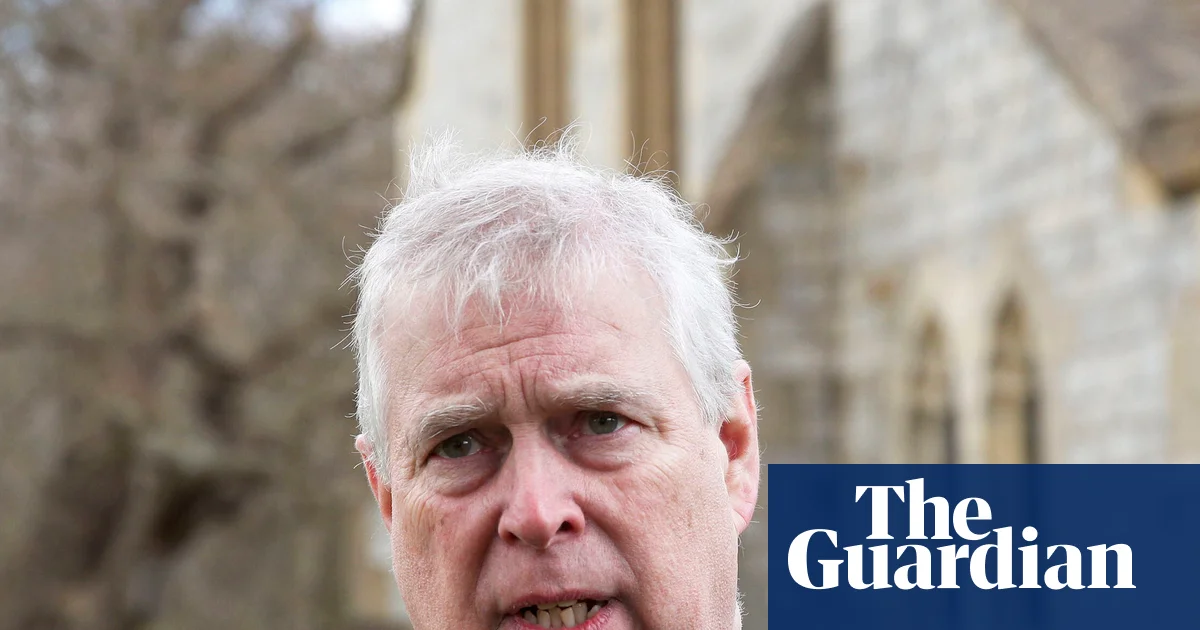

Prince Andrew becomes the punchline in this year’s top Christmas cracker joke—Andrew Mountbatten-Windsor strikes again

As the world approaches the end of 2023, the geopolitical landscape remains a tapestry of dramatic shifts, contentious conflicts, and cultural upheavals. This year has underscored the profound ways in which internal political shifts and international decisions ripple across nations, societies, and global institutions. Each headline, each political joke or scandal, encapsulates a broader narrative of a world grappling with the consequences of leadership struggles, cultural transformations, and the relentless march of history. Equally, the public’s humorous reflection on these serious matters—be it via satire or satire-like jokes—serves as a testament to the tension between authority and societal sentiment.

The decline of Prince Andrew symbolized more than just a royal scandal; it became a reflection of shifting societal values and the diminished trust in traditional symbols of authority. This year’s humorous jabs, crowned by a popular British joke questioning why Andrew isn’t writing Christmas books because “he hasn’t got any titles,” exemplify how cultural narratives adapt to the changing perception of monarchy and privilege. The joke’s resonance signals a broader cultural shift where aristocratic power complexes no longer hold the same sway, especially among the digital-savvy youth who demand accountability and transparency. According to internationalists and historians, this erosion of old-standing figures underscores a foundational transformation in how nations and their governing institutions are viewed—less as symbols of unchangeable heritage and more as entities subject to societal scrutiny.

Furthermore, the year saw a rise in sharp humor surrounding political figures like Angela Rayner and Nigel Farage, highlighting ongoing ideological conflicts within the United Kingdom. Such satire reflects the deep divisions that continue to shape the political climate, impacting everything from domestic reforms to international diplomacy. Meanwhile, international organizations have issued warnings about the potential for political polarization to escalate into instability, emphasizing how internal decisions in one country reverberate globally. The ‘cultural pandemic’ of satire encapsulates a collective anxieties about future governance, societal cohesion, and the preservation of traditional values amidst rapid change. Analysts argue that these jokes are not mere entertainment—they are a form of societal barometer, revealing the pulse of a transformed public consciousness seeking to redefine its future pathways.

On the global stage, external shifts—such as the ongoing impacts of international conflicts and negotiations—continue to realign alliances, affect trade routes, and challenge the sovereignty of nations. The delicate balance of power that once guaranteed stability is being renegotiated, with regional conflicts and coups threatening to plunge some areas into chaos while others forge new partnerships. For instance, the recent friction in Eastern Europe and next-level engagement by superpowers illustrate a climate of strategic uncertainty. International bodies like the UN and NATO are increasingly seen as ineffective or outdated, sparking calls among many nations for new alliances and a reevaluation of global governance. This tumultuous environment amplifies the stakes for democratic nations striving to protect their sovereignty and social orders, as the “great game” of geopolitics fuels economic uncertainty and societal strain worldwide.

As history continues to unfold on a grand scale, the tension between tradition and transformation persists. The scenes of politicking, cultural shifts, and international power plays echo through the corridors of power and within the streets of countless cities, leaving the world at a crossroads. The undeniably impact of these decisions resonates far beyond the headlines: they will shape not only the geopolitical map but the societal fabric of future generations. The weight of history presses down, as leaders and citizens alike navigate this treacherous, uncharted terrain—knowing full well that the story’s next chapter remains unwritten, its destiny still hanging in the balance of global choices and collective resolve.

Police Intensify Hunt for Belgian Tourist Missing Two Years, Phone Found in Wilderness

The recent discovery of a mobile phone belonging to Belgian tourist Celine Cremer in the dense wilderness of Tasmania has ignited renewed attention on the ongoing search efforts, highlighting both Australia’s rugged terrain and the complexities of international interests in resource-rich and geopolitically strategic regions. After her initial disappearance in June 2023, a combination of private efforts, police support, and volunteer searches have failed to find her until now. The significance of this case extends beyond a local tragedy, offering insights into how nation-states and regional powers navigate sovereignty, environmental stewardship, and security challenges in distant territories.

Though police have now joined private investigators and volunteers in the effort, the case underscores broader geopolitical concerns about Australia’s role and stability in the Indo-Pacific region. Australia’s decision to support private searches and coordinate with local volunteers demonstrates how regional governments are balancing sovereignty with a pragmatic approach to crisis management. As noted by international analysts, such actions reveal Canberra’s awareness that the endurance of remote regions like Tasmania impacts national security, especially considering the environmental and resource importance of these regions. In an era where climate change increasingly destabilizes fragile ecosystems, every rescue attempt not only reflects humanitarian compassion but also signals how nations prepare for unforeseen crises as part of their broader strategic posture.

The timing and nature of the search carry significant implications for regional security and environmental policy. Cremer’s disappearances amidst treacherous weather and the discovery of her phone—found very close to her last GPS position—highlight the perilous conditions in Australia’s southern extreme. Experts, including historians like Rob Parsons, emphasize the truth that the Australian wilderness remains a test of endurance and sovereignty. Their ongoing search efforts, just temporarily halted by worsening weather—hail, snow, and sub-zero temperatures—are emblematic of the unpredictable challenges that local authorities face, and by extension, how nations must adapt to nature’s formidable forces amidst geopolitical stressors.

As global organizations scrutinize Australia’s response—viewing it as a microcosm of rising regional tensions—the case pushes into the broader narrative of environmental stewardship, border control, and the resilience of sovereign nations. International organizations like the United Nations and regional allies observe the unfolding rescue operations closely, recognizing that such incidents are a test case for Australia’s capacity to protect its citizens in challenging terrains. In this context, the search in Tasmania becomes an emblem for how societies confront the unpredictable, shaped by decisions made on both local and international levels. The drama of Cremer’s fate—looming last in the wilderness—serves as a stark reminder that even in the modern world, nature retains a primal, uncontestable authority. As history unfolds, the choices shaping Australia’s future responses will resonate across nations, illustrating the delicate balance of sovereignty, environmental duty, and security in shaping the twenty-first-century world.

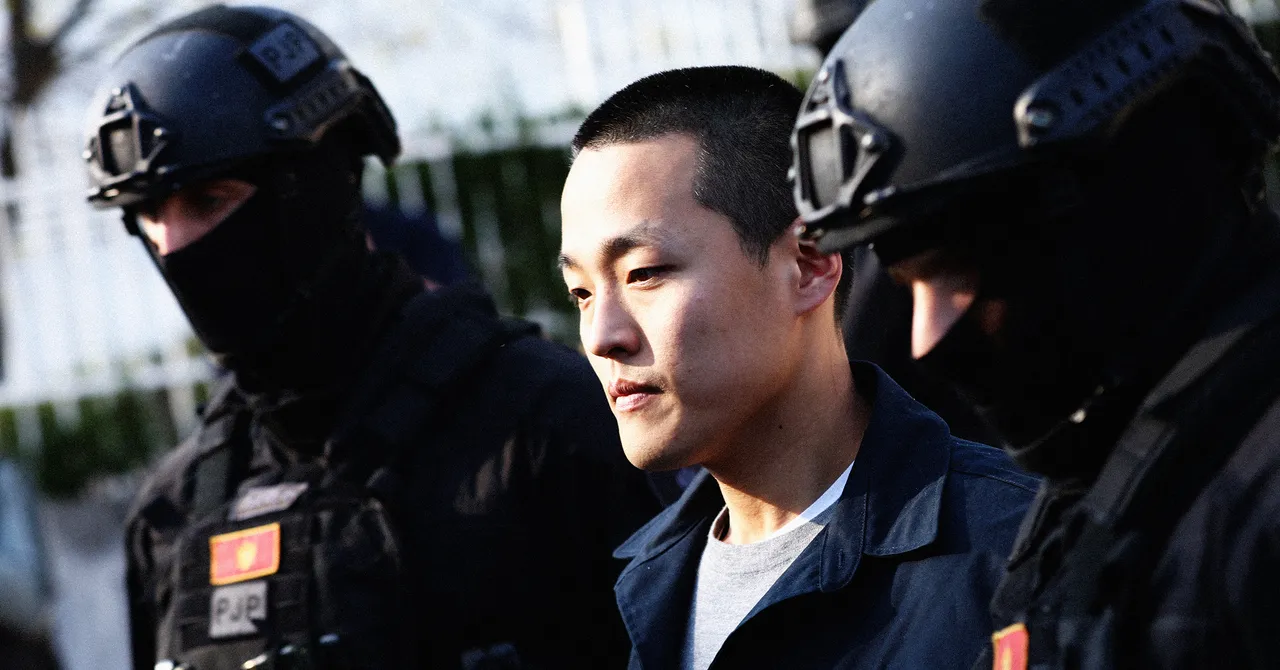
Crypto mogul Do Kwon gets 15 years behind bars—big win for accountability

South Korean Crypto Entrepreneur Do Kwon Sentenced to 15 Years in U.S. Court Amid Industry Disruption

In a landmark ruling that underscores the high-stakes nature of cryptocurrency innovation and the risks tied to speculative assets, Do Kwon, the South Korean crypto pioneer and founder of Terraform Labs, was sentenced to 15 years in prison by a U.S. federal court in Manhattan. This case not only marks a significant legal milestone but also signals a stern warning to emerging disruptive financial technologies that threaten to reshape traditional markets. Kwon’s conviction was rooted in the collapse of TerraUSD (UST), a supposedly algorithm-backed stablecoin that aimed to revolutionize digital finance but ultimately became a cautionary tale of overconfidence in unregulated innovation.

The fallout from the breakup of TerraUSD in May 2022 was catastrophic—wiping out an estimated $40 billion from the crypto ecosystem and destabilizing numerous startups and investors worldwide. Kwon’s aggressive marketing of UST, a stablecoin purportedly pegged to the U.S. dollar via a complex algorithm involving the LUNA token, exemplifies what industry analysts describe as the misplaced trust in algorithmic financial mechanisms. By offering a supposedly tamper-proof peg, Terraform Labs promised a new frontier of stable digital assets. Instead, the system’s failure exposed vulnerabilities inherent in decentralized finance (DeFi), revealing the hazards of unchecked entrepreneurial zeal.

  • Disrupted Market Dynamics: The collapse led to market panic, triggering a cascade that affected dozens of crypto firms and investors.
  • Regulatory Clarity: The case marks a pivotal step towards more rigorous oversight, as authorities aim to curb fraud and promote responsible innovation.
  • Innovation vs. Risk: The incident emphasizes the importance of balancing disruptive advancements with sustainable, transparent frameworks—an area where industry leaders like Elon Musk advise caution.

Among industry observers, analysts at Gartner and MIT emphasize that this high-profile case could accelerate regulatory actions worldwide, compelling blockchain developers to adopt more rigorous security standards and compliance protocols. The case also ignites a broader debate on the future of stablecoins, which are seen as vital for mainstream adoption of digital currencies and decentralized financial services. However, critics warn that the reliance on complex algorithms without adequate safeguards can lead to systemic failures, threatening the integrity and sustainability of the crypto economy.

The sentencing underscores a challenging but inevitable trajectory for crypto innovators—those who push the boundaries of digital finance must now reconcile with growing regulatory scrutiny and the imperative for sound risk management. The industry’s future hinges on the ability of entrepreneurs and institutions to learn from these failures, fostering innovation that not only disrupts but also endures. As the sector heads into a new era marked by increased oversight and technological maturation, stakeholders are urged to act swiftly—those who adapt and innovate responsibly will lead the next wave of digital transformation, while complacency risks catastrophic fallout. The next chapter in crypto innovation will be shaped by how the ecosystem responds to this historic judgment, with urgency and strategic foresight taking center stage.

Pakistan’s military locks up ex-spy chief Faiz Hameed for 14 years ahead of critical elections

Pakistan continues to find itself at a critical juncture in its complex political landscape, as recent developments signal both internal struggles and broader implications for regional stability. The sentencing of Faiz Hameed, the former head of the Inter-Services Intelligence (ISI), to 14 years in prison marks a historic moment—the first time in Pakistan’s history that an ISI chief has been court martialled. This unprecedented move speaks volumes about the shifting balance of power within Pakistan’s military and civilian spheres, and serves as a stark reminder of the persistent turbulence in the nation’s governance.

The charges against Hameed—including violation of state secrets and interference in political processes—underscore the tense intersection between Pakistan’s military elite and its political leadership. Hameed, a key figure during Imran Khan’s tenure as prime minister, was known for his staunch support of the ousted leader. The military’s move to prosecute and imprison its former intelligence chief not only intensifies the ongoing politicization of Pakistan’s military institutions but also sends a clear message to those in power: accountability is gaining ground, even against the military’s upper echelons. Historians and security analysts see the case as a *possible sign of internal reforms or factional struggles within Pakistan’s powerful military establishment*, which has historically operated with significant autonomy from civilian authority.

Official reports from the Pakistan Army, citing the Pakistan Army Act, reveal that the court martial proceedings lasted *over a year* and were conducted behind closed doors—symptomatic of the secretive nature that often cloaks military interventions. The charges levied include misuse of powers, involvement in political agitation, and harm to citizens, especially regarding alleged protests related to Khan’s arrest on 9 May 2023. The verdict, although denied public transparency, indicates an intention to curb political interference within the military’s ranks, a move that could shift the longstanding tradition of military dominance in the nation’s politics and mark a pivot toward demonstrating accountability and strengthening civil-military boundaries.

Internationally, this development draws sharp attention from observers and institutions. Global organizations, such as the United Nations and regional security partners, watch closely as Pakistan’s internal dynamics may influence regional stability, especially given ongoing tensions in neighboring India, Afghanistan, and beyond. Analysts warn that any weakening of military influence could have unpredictable consequences, either paving the way toward greater democratic reform or triggering internal unrest. As Pakistan’s future remains uncertain, the court’s decision to sentence a figure of such influence signals an internal shift, but also suggests an escalating battle for dominance between civil authority and military power.

What remains clear is that history continues to unfold rapidly for a nation caught in the throes of reform, resistance, and the relentless pursuit of power. The story of Faiz Hameed is not just about one man—it’s a chapter in a larger narrative of a nation striving to redefine itself. As the dust settles and courts proceed, the weight of Pakistan’s history presses on, leaving the world to ponder whether this moment signifies the dawn of transparency or the prelude to further chaos. Decisions taken today will echo in the corridors of history, shaping the future of a nation whose destiny remains intricately woven into the fabric of regional and global security.

Portugal gears up for major protests in first nationwide strike in 12 years

The recent general strike in Portugal underscores a critical juncture in European geopolitics, where national sovereignty encounters the relentless pressures of international economic forces and domestic ideological battles. As transport, healthcare, and public services grind to a halt, the union federations CGTP and UGT, both historically resilient, have united against a sweeping labor reform package championed by Prime Minister Luís Montenegro. These reforms, which threaten to erode decades of worker protections, symbolize an underlying tension—one that reflects the global contest between free-market policies and the social safety nets cherished across European societies.

At the heart of the upheaval lies a package of over 100 proposals that, critics argue, serve primarily to empower employers at the expense of workers’ rights. Key among them are measures allowing firms to roll over temporary contracts indefinitely, facilitate sackings via outsourcing, and eliminate guarantees for reinstating unfairly dismissed employees. While Montenegro insists that these reforms are essential for Portugal’s economic revival, many see this as veering dangerously close to undermining the country’s robust employment protections rooted in its 1976 constitution. International economists and local workers alike warn that such measures could set a precedent, not just for Portugal, but for other nations apprehensive about losing sovereignty amid the global push for deregulation.

This internal struggle is compounded by political intrigue and external pressures, as Montenegro’s government seeks support from both the Liberal Initiative and the far-right Chega party—an alliance that raises eyebrows among observers. Since the recent elections, the leader of Chega, André Ventura, has expressed reservations about the reforms but remains open to negotiations, hinting at a broader political realignment. This maneuvering occurs against the backdrop of a *pre-election landscape*, where the very fabric of Portugal’s constitutional safeguards is threatened. Critics fear that the government’s attempts to relax employment laws could lead to the amendment of the constitution itself, thus weakening one of Europe’s most steadfast legal frameworks for workers’ rights.

In this tense climate, international organizations such as the European Union and the International Labour Organization watch with concern as social unrest takes center stage. Many analysts argue that Portugal’s crisis is emblematic of a broader phenomenon—where **sovereign nations** are caught between the economic imperatives imposed by transnational institutions and the rising tide of populist nationalism defending national sovereignty and social contracts. Historically, similar episodes—such as during the eurozone crisis—have foreshadowed future tensions that threaten the EU’s unity and the stability of the European project. The language of reform has often masked deeper struggles over who holds power in shaping the social fabric, and Portugal’s current upheaval signals that this question remains fiercely contested.

As the saga unfolds, the weight of history presses heavier on all involved. The impending presidential election and the looming threat of constitutional amendments have transformed what began as economic policy into a battlefield for national identity and sovereignty. The story of Portugal’s labor reforms is not merely about local politics; it’s a microcosm of a global power struggle—one where the outcome will determine whether societies retain their social protections or capitulate to international economic forces. In the shadow of historic institutions and the echoes of past crises, the future remains uncertain, with Portugal poised at a crossroads—its decisions shaping the trajectory of entire nations yet to come. The pages of history continue to turn, writing a chapter that will resonate far beyond Europe’s borders.

US Considers Requiring Tourists to Share Five Years of Social Media Profiles for Entry

In recent months, the United States has signaled a major shift in its border policies, aiming to tighten security and scrutinize potential visitors more than ever before. Under the new proposal unveiled by American officials, tourists from dozens of countries, including the UK, could soon be required to submit a detailed five-year social media history when applying for entry — a move that underscores a broader focus on national security and digital profiling. This initiative, part of an effort to prevent threats before they reach US soil, has generated considerable debate among travelers, digital rights advocates, and industry insiders, highlighting a tension between security measures and personal privacy.

While the Trump administration insists that their focus remains on protecting Americans, critics argue that such invasive measures threaten civil liberties and may discourage genuine tourism and cultural exchange. The proposal would require ESTA (Electronic System for Travel Authorization) applicants to disclose their social media handles, email addresses, phone numbers, and family data spanning the last five to ten years. This comprehensive data collection process raises questions about privacy rights and the practical impacts on travelers’ experiences—potentially extending wait times and complicating access to the US market. Meanwhile, some experts, like Sophia Cope of the Electronic Frontier Foundation, warn that these policies could exacerbate harms related to civil liberties and create a climate of suspicion that diminishes the welcoming spirit traditionally associated with American tourism.

Despite these concerns, the administration remains steadfast, citing ongoing efforts to strengthen border security as necessary for the safety of all Americans. The move is also timed amidst a surge of upcoming events poised to draw international visitors—namely, the 2026 World Cup co-hosted with Canada and Mexico, and the highly anticipated 2028 Los Angeles Olympics. These events are seen by policymakers as opportunities to showcase America’s cultural vibrancy and economic vitality, even as new regulations introduce challenges for the typical traveler. For those seeking to embrace a lifestyle rooted in personal safety and national resilience, such policies serve as a reminder that travel in the modern age is a balance between opportunity and responsibility.

  • Stay informed on new travel requirements by regularly checking updates from official sources.
  • Embrace digital standards by maintaining clear and publicly accessible social media profiles—if comfortable—to avoid delays in approvals.
  • Prioritize security without sacrificing your privacy; explore initiatives for digital rights and advocate for transparent policies.

History shows us that the pursuit of security and openness is a continuous journey, reflecting societal values and cultural shifts. The evolving policies on US borders and tourism serve as a mirror to this ongoing process—challenging us to think about what it truly means to be secure and free. As American society navigates the tension between protecting its borders and welcoming the world, individuals can find inspiration in the idea that lifestyle change begins with engagement, understanding, and the resilience to adapt. Whether it’s through rediscovering their own borders or exploring new horizons abroad, today’s travelers are called not just to see new places but to embrace a mindset of proactive resilience, wise caution, and unwavering curiosity.

Ultimately, the journey toward a balanced lifestyle—one that harmonizes security with freedom—is a microcosm of a nation evolving in the face of new global realities. It is an invitation to see each policy challenge as an opportunity for growth, to challenge ourselves in protecting what matters most, and to remain inspired by the enduring spirit of adventure and resilience that defines America’s cultural fabric. In this ongoing journey, every decision, every step forward, becomes a testament to a shared aspiration: to forge a future where safety and liberty walk hand in hand, welcoming the world’s diverse voices while safeguarding the values that make this country extraordinary.

First wild beaver in Norfolk in 400 years sparks curiosity and debate

England’s Rewilding Shift: Beavers Make Wild Return in Norfolk

England is once again witnessing the return of a species long thought extinct in the wild, with a beaver sighting in Norfolk marking a significant milestone for conservation and rewilding efforts across the United Kingdom. After nearly five centuries of eradication, the sighting of a lone beaver navigating the River Wensun near Pensthorpe exemplifies the ongoing transformations in Europe’s ecological landscape. This resurgence, while inspiring, raises critical questions about international environmental policy and the future of native ecosystems.

Historically, beavers were hunted to extinction in England by the early 1500s, primarily due to their valued fur and the perceived threat they posed to timber transportation. Now, their return signals a *potential turning point* in the European environmental movement, emphasizing the importance of native species revival. Since 2015, when a wild litter was first documented in Devon, efforts by organizations such as Natural England to facilitate beaver reintroduction have gained momentum. According to recent reports, the UK government is considering licensing more projects aimed at restoring these ecological engineers, with at least twenty applications pending from entities like the Wildlife Trusts. These decisions are not merely about individual species but about shaping a new chapter in European nature conservation.

Yet, the geopolitical impact of these ecological initiatives extends beyond the British Isles. With Scotland having formally permitted the movement and release of beavers since 2021, the broader European response hints at a continent increasingly embracing rewilding as a tool for environmental stability and climate resilience. These efforts have fervent supporters among environmentalists and scientists, who argue that beavers enhance biodiversity, improve water quality, and mitigate flooding — benefits sharply contrasting with the fears of land-use conflicts and economic interests. However, critics caution that such reintroductions must be carefully managed to protect agricultural interests and prevent unforeseen ecological shifts that could destabilize existing habitats.

International organizations, like the European Environment Agency, emphasize the importance of cooperation and scientific oversight in these initiatives. Meanwhile, the UK’s fragmented approach, with nations like England still cautiously advancing, underscores the complex dance between ecological restoration and socio-political realities. Historians such as Dr. Elizabeth Hall have noted that the return of a species like the beaver is not merely a biological event but a powerful symbol of human commitment to correcting past ecological mistakes. The recent sighting in Norfolk, possibly the product of natural dispersal or a controversial ‘beaver bombing,’ highlights ongoing debates about the legal and ethical frameworks surrounding rewilding.

As the British landscape begins to reclaim its lost species, the larger narrative unfolds with a sense of historical gravity. The moment the beaver was first seen in Norfolk may seem small, but it resonates as a *warning* — a sign of how far the world has come in recognizing the importance of partnerships between nature and humanity. Still, with each return comes increased responsibility. The future of this ecosystem, and perhaps others across the continent, now hinges on a delicate balance. As the pages of history turn, the question remains: will these efforts forge a sustainable path forward, or will they become another chapter of ecological hubris? One thing remains clear: the story of the beaver, once lost to the depths of history, is only just beginning to be written in the chronicles of European renewal.

Rising Stars Shine as Young Athletes Dominate This Year’s National Championships

Offseason Strategy: Top Teams Zero In on Key Player Acquisitions

As Major League Baseball’s offseason unfolds, a sense of anticipation fills the air. Teams are evaluating their rosters and targeting essential player acquisitions to address their specific needs. This strategic focus is particularly crucial for franchises aiming to turn potential into performance next season. Leading the charge are several contenders, including the ever-dominant Los Angeles Dodgers and the ever-improving New York Yankees.

The Dodgers are eyeing a strong left-handed hitter to bolster their lineup. With a powerful rotation, their success often hinges on offensive capabilities, especially against right-handed pitchers. Meanwhile, the Yankees are aiming to enhance their bullpen depth, a critical factor in securing late-game victories. Statistical analysis from last season shows that teams with robust bullpens outperformed their counterparts in critical late-inning situations, a sentiment echoed by veteran Yankees coach Aaron Boone, who stated, “We need more arms that can get us through those tight games.”

  • Los Angeles Dodgers: Targeting left-handed hitters.
  • New York Yankees: Focusing on bullpen depth.
  • Chicago Cubs: Looking for power hitters to revamp their lineup.
  • San Diego Padres: Interested in acquiring a seasoned starting pitcher.

As other teams, like the Chicago Cubs and the San Diego Padres, also assess their off-season strategies, it’s clear that the landscape of baseball may shift significantly in the coming months. The Cubs aim to reclaim lost glory by adding power hitters, while the Padres are set to strengthen their rotation with veteran presence. These moves could redefine team dynamics and fan engagements, which play a pivotal role in the sport’s success.

In the grand tapestry of sports, the offseason isn’t merely about transactions; it’s about unity, ambition, and the pursuit of excellence. Every trade and signing resonates with fans, forging connections that go beyond the diamond. As organizations strategize to assemble the best rosters, they are, at their core, building the foundation of community. When the dust settles and the games begin anew, the true victory lies in the shared moments and emotional thrill that only sports can provide.

Source link

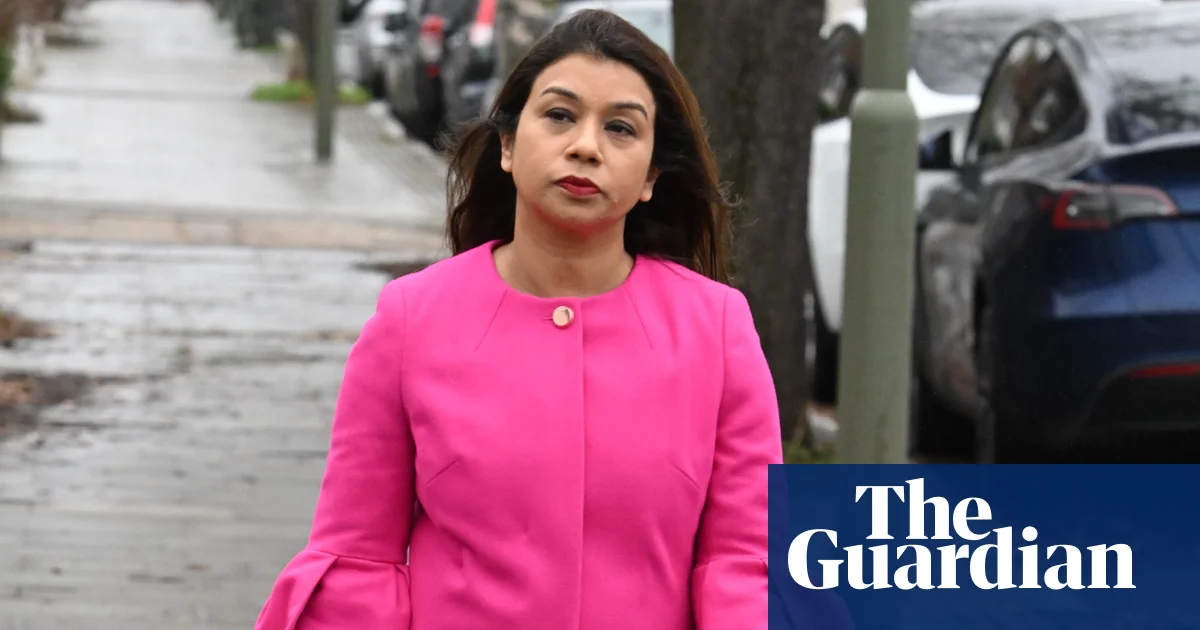
Bangladesh Court Sentences UK MP Tulip Siddiq to Two Years in Absentia

Bangladesh’s Political Turmoil Sends Shockwaves Through the International Arena

In a development that underscores the fragile balance of geopolitical stability, Bangladesh recently made international headlines with the sentencing of British MP Tulip Siddiq to two years in prison. This verdict is not merely a domestic legal matter; it signals deeper undercurrents of political vendettas, corruption accusations, and regional power struggles. The case reveals how East Asian politics intertwine with Western foreign policy, impacting international perceptions of justice, sovereignty, and intervention. Siddiq, a prominent figure in the UK Parliament representing Hampstead and Highgate, was convicted in absentia on charges linked to alleged land deals involving her family and Sheikh Hasina, the deposed prime minister. Her conviction, seen by many analysts as politically motivated, echoes Africa, Asia, and beyond—the rise of judicial regimes used as instruments for power consolidations.

The trial of Siddiq, alongside the recent convictions of Hasina herself for crimes against humanity, reveals a broader crackdown by an interim government led by Nobel laureate Muhammad Yunus. Following Hasina’s ouster in August 2024, Bangladesh has entered a phase where justice and political purity have become tools for reshaping the nation’s identity and regional alliances. Critics argue that these trials are fraught with accusations of * injustice, lack of due process,* and a blatant attempt to consolidate power amid public unrest. Major international organizations, along with legal scholars, are warning that such proceedings threaten to turn Bangladesh into a legal battleground—one where justice is weaponized to silence political opponents. Historical figures such as Amnesty International and regional analysts have described these moves as a shift toward authoritarianism masked as accountability, with lasting impacts on the rule of law in South Asia.

Moreover, the *geopolitical impact* of Bangladesh’s internal crisis is far-reaching. As the country grapples with political instability, neighboring India and regional rivals are carefully observing the unfolding drama, wary of spillover effects. The Western world, particularly Britain and the United States, is watching closely, especially concerning the potential destabilization of a key ally in South Asia. This episode acts as a reminder that regional power struggles and external interests often exploit internal fractures for geopolitical advantage—be it from China’s Belt and Road ambitions or Western strategic interests. Analysts warn that the fallout from Bangladesh’s judiciary, intertwined with its regional and international relations, could influence global commerce, security alliances, and diplomatic balances for years to come.

As history writes its next chapter beneath the shadows of political unrest and judicial crackdowns, the agonizing question remains: How will this turbulent chapter shape the future of democracy, sovereignty, and justice in South Asia and beyond? With the weight of history pressing down, the world watches as Bangladesh’s leaders, judiciary, and international allies navigate a future where the lines between justice and power are perilously blurred. The unfolding saga acts as a stark reminder that even in the face of national upheaval, the course of history is often driven by decisions made in courtrooms and diplomatic corridors—decisions that will resonate across generations, shaping the destiny of a nation and its role on the world stage.

Social Media Auto Publish Powered By : XYZScripts.com