Matox News

Truth Over Trends, always!

Teen Girl Dies in Minibus Crash Sparks Outrage in North Yorkshire

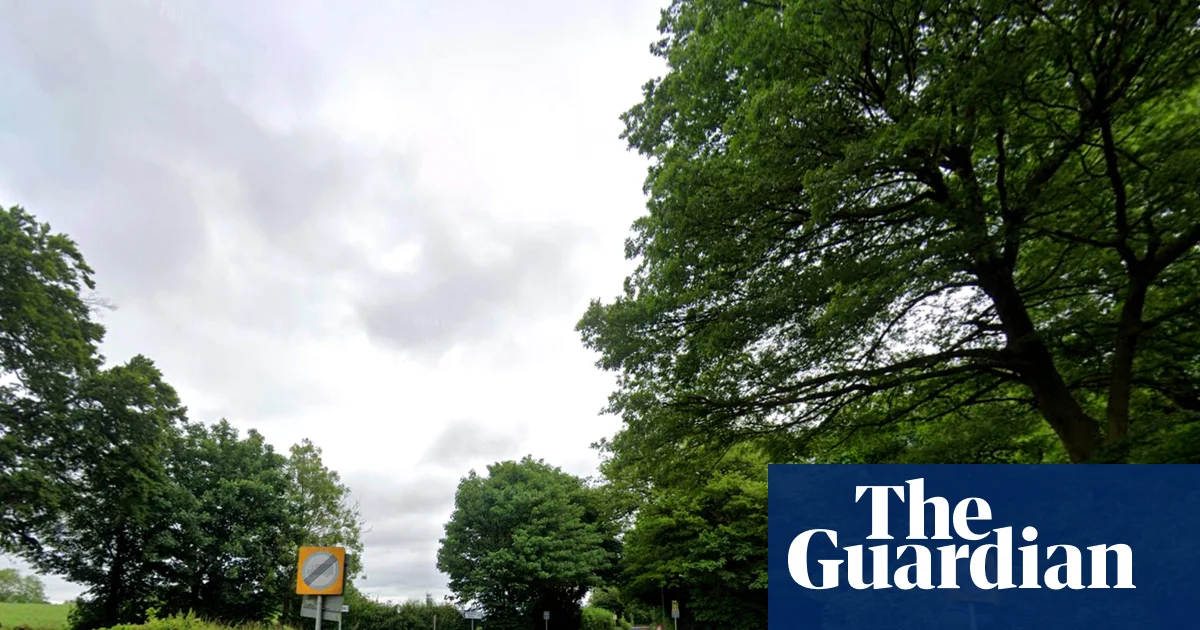
The recent fatal accident in North Yorkshire that claimed the life of a teenage girl has sent ripples through local communities and raised urgent questions about road safety, societal responsibility, and the impact of personal tragedies on national discourse. The collision involving a minibus carrying teenagers near Tadcaster underscores ongoing concerns over transportation safety, especially in regions where young lives are vulnerable. As details emerge, authorities have detained the driver of the Hyundai i10, a 40-year-old woman, marking yet another tragic chapter where individual decisions intersect with broader social issues.

Beyond the immediate tragedy, international analysts and public safety experts interpret this incident as a microcosm of larger systemic failures. Some argue that insufficient infrastructure investment or lax enforcement of traffic laws may contribute to such outcomes, highlighting a global pattern where youthful populations face heightened risks due to inadequate safeguards. The international community’s emphasis on developing safer transport networks, especially in regions with rising young populations in urban and rural areas, reflects a growing awareness that road safety is a critical component of national security and societal stability. Official statements from police serve as a stark reminder: every decision on the road has profound consequences, especially when lives are at stake.

  • School authorities have announced the immediate closure of Tadcaster Grammar School, citing safety concerns, a move that reflects broader societal anxieties about youth safety in a turbulent era.
  • The police appeal for witnesses and dashcam footage demonstrates the reliance on technology and community cooperation to piece together what happened, illustrating the modern challenges of law enforcement in the information age.
  • The incident comes amidst ongoing debates over public investment in transportation infrastructure and youth engagement programs aimed at preventing such tragedies, with some critics arguing that neglect in these areas directly exacerbates vulnerable situations.

At a geopolitical level, tragedies like these resonate with a disturbing awareness of how societal stability is intertwined with safe environments for young generations. Historians and global security analysts warn that repeatedly neglecting these issues can foster instability, as disillusionment and loss of faith in institutions may undermine societal cohesion. As nations navigate the challenges of economic development, social justice, and technological change, such setbacks serve as stark reminders that long-term prosperity requires a commitment to safeguarding the most vulnerable among us.

As the investigation continues and the community mourns, the shadows of this event stretch far beyond the borders of North Yorkshire. It underscores that humanity’s progress can be fragile, teetering on the decisions made in moments of crisis—decisions that carry the weight of history yet to be written. The question remains: will these tragedies serve as catalysts for meaningful change, or will they be forgotten until the next devastating event? The future remains uncertain, but one thing is clear: the fabric of society is only as strong as its commitment to protecting its children, and in the unfolding story of our age, each chapter reveals the enduring consequences of neglect and oversight.
West Yorkshire Parents of Neurodivergent Kids Call for Stronger Support System

Society’s Silent Crisis: Neurodivergent Families and the Glaring Gaps in Support

In recent months, families across the UK have sounded a chorus of concern, revealing a systemic failure in supporting neurodivergent children and their families. Underdiagnosis, inadequate post-diagnostic support, and overwhelming waiting times are not just bureaucratic stumbling blocks—they are societal failures that ripple through families, schools, and entire communities. The stories emerging from West Yorkshire and beyond underscore a disconcerting truth: neurodivergent children are often left isolated, and their parents are pushed to their limits without meaningful assistance.

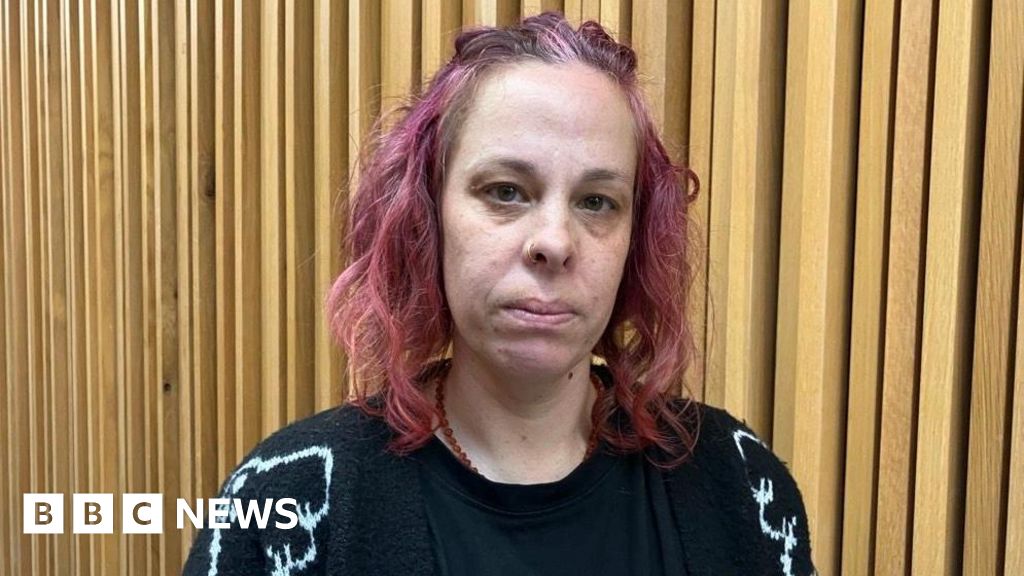
Parents like Louise Moller from Leeds, whose son Noah was diagnosed at age five, describe a distressing pattern. “They gave us a few sessions and some leaflets, then dropped us,” she laments, highlighting an overarching issue where diagnostic processes are quick, and support networks are scarce or non-existent. This abandonment leaves families in a state of helplessness, often forcing them into roles of advocates and caregivers without the necessary resources. Such challenges are exemplified by the case of Kerri-Anne Ball, who began the autism assessment process for her son at age two but received her official diagnosis only at age four. Even then, her query about ongoing support was met with a stark silence—their case file was closed, and support ended at diagnosis. This pattern of minimal engagement fuels feelings of uncertainty and despair that leave many feeling forgotten by the very institutions meant to serve their needs.

More troubling are the prolonged wait times—according to NHS statistics, as of June 2024, over 236,000 individuals in England—including children—wait for autism assessments, while up to 549,000 others are awaiting evaluations for ADHD. These delays are not mere statistics but a representation of families forced to navigate their journey alone, often in silence. As social commentators and sociologists like Dr. Andrew Wills have observed, the waiting game exacerbates social exclusion, especially for vulnerable children whose educational development may be hindered. Furthermore, the social tensions generated by these gaps threaten to deepen divisions, as communities wrestle with the stigma and misunderstanding surrounding neurodiversity. The moral imperative is clear: early diagnosis is crucial, but it must be accompanied by sustained support—something that currently remains elusive for many.

Fortunately, amid the darkness, local charities like Northorpe Hall Child & Family Trust are pioneering efforts to reconceptualize support. Rosa Forrest, the organization’s lead for neurodevelopmental issues, emphasizes the importance of community-based interventions, noting that many parents feel unheard and isolated. Her initiative, Me + My Normal, brings parents into the fold alongside their children, fostering a shared space for understanding and resilience. These efforts, though vital, are only a palliative in a landscape that desperately needs systemic reform. Social commentators, including Dr. Lisa Grant, argue that society must recognize the human toll—*not just in academic or bureaucratic terms but in how families weather a storm of neglect*—and respond with urgent, dedicated funding for both diagnostics and ongoing support services.

In the final analysis, society stands at a crossroads. The stories of Louise, Kerri-Anne, Miriam, and Rosa are not isolated incidents but voices of a larger, systemic crisis—the neglect of our most vulnerable. As society grapples with these social fissures, perhaps hope lies in a collective awakening of empathy and action. The challenge remains: will society recognize that the true measure of our progress is how we support those most in need? In the quiet resilience of families enduring these hardships flickers a light—a hope that society’s conscience can be awakened, transforming neglect into nurture, indifference into advocacy. After all, the real society we build tomorrow depends on how fiercely we fight for the children and families today.

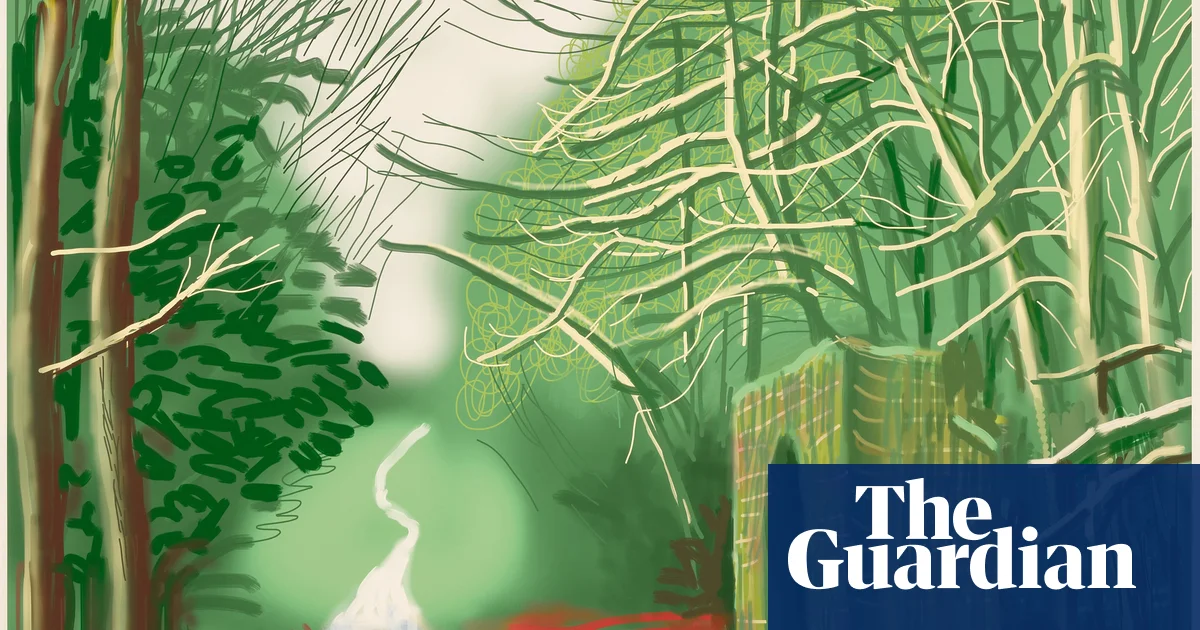
David Hockney’s iPad sketches of Yorkshire Wolds set for auction—art on the rise, tradition meets tech

International Art Market Anchored by David Hockney’s Revolutionary iPad Drawings

In an extraordinary display of artistic innovation, British artist David Hockney is making headlines as Sotheby’s announces the sale of 17 of his iPad drawings from his acclaimed series, The Arrival of Spring in Woldgate. This collection, the most significant grouping of Hockney’s digital works ever to reach the auction block, signals a momentous shift in the intersection of technology and fine art. Set to go under the hammer during the peak of London’s prestigious Frieze art fair, these pieces are expected to command a combined value exceeding £1.7 million, with individual estimates reaching up to £180,000. The event underscores the growing acceptance and valuation of digital mediums within a traditionally conservative art market, highlighting a changing landscape that transcends borders and generations.

Hockney’s pioneering embrace of iPad technology—initially introduced to the public in 2010—has challenged long-standing norms about how art is created, perceived, and appreciated worldwide. His move from the sunny climes of Beverly Hills to the more temperate Yorkshire Wolds was driven by inspiration rather than environment, as he sought to capture the subtle arrival of spring in the face of unpredictable northern European weather. Recognizing the limitations of en plein air painting in British winters, Hockney innovated by adapting his artistic process to digital screens, producing vivid, detailed drawings that eloquently depict the changing seasons. “Turner would have loved it,” Hockney famously remarked, alluding to the historic painter’s admiration for capturing natural light and transient moments—traits that now find a new vehicle in the iPad’s capabilities.

This sale not only cements Hockney’s status as a trailblazer but also serves as a broader barometer for the geopolitical impact of digital art. International organizations and art critics argue that Hockney’s successful monetization of iPad works challenges traditional notions of artistic hierarchy, emphasizing the democratization of creation tools and expanding the reach of art to younger, tech-savvy audiences worldwide. As noted by cultural analysts and historians such as Martin Gayford, the medium’s fluidity allows artists to explore subtle transparency and layered textures akin to Turner’s oil sketches—yet, the digital shift signifies a broader cultural pivot that influences societies’ perceptions of authenticity, value, and heritage.

The market’s reception has been remarkably positive, with Sotheby’s remarks indicating that the rarity of such a significant collection of iPad creations is unprecedented in the modern art world. “Most collectors treasure their digital copies intensely, and these prints are no exception,” Yessica Marks, Sotheby’s head of prints, explained. Analysts emphasize that this sale could set a precedent, encouraging a renewed appreciation for digital works and accelerating their integration into mainstream collectors’ portfolios. This echoes a larger international trend where key nations—especially those heavily invested in technological innovation—are shifting cultural investments towards digital and hybrid forms of creative expression. The results of this auction, therefore, could influence global art valuation standards and influence policy regarding digital intellectual property rights in the arts.”

As the hammer prepares to fall in London, the implications ripple beyond the gallery walls; they symbolize a paradigm shift that could redefine art history itself. In the unfolding fabric of modern history, Hockney’s digital sketches might mark the beginning of a new era—one where technology and tradition coalesce to craft a narrative of human creativity that is both timeless and ephemeral. The world watches as this narrative continues to unfold, deepening the debate: how do we preserve cultural memory in an age rushing toward digital dominance? The answer awaits, hidden within these vibrant, layered images—silent witnesses to a decisive turning point in the ongoing saga of art and society.

Social Media Auto Publish Powered By : XYZScripts.com