Matox News

Truth Over Trends, always!

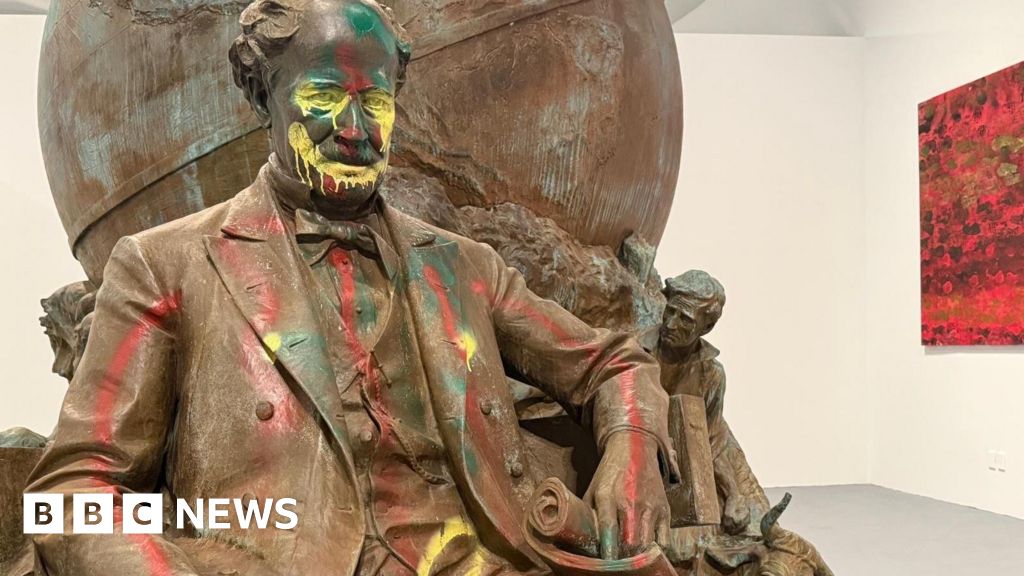
LA transforms controversial Confederate statues into powerful art, sparking youth-led debate

In recent years, the global debate over confederate monuments has escalated beyond American borders into a symbol of broader ideological conflicts. The recent transformation of a once-storied Robert E. Lee monument into a melted sculpture displayed in Los Angeles exemplifies this shift. The removal and subsequent artistic reimagining serve as a clear statement: societies worldwide are grappling with their history and confronting the lingering effects of white supremacy. As the United States experiences heated disputes over these statues, international observers and historians warn that such internal conflicts deeply influence geopolitical stability and societal cohesion.

Amid this controversy, President Donald Trump has vocally defended the preservation of Confederate icons, labeling efforts to dismantle them as misguided “revisionist history.” In 2017, the deadly clashes at Charlottesville’s Unite the Right rally marked a watershed moment, drawing international attention to the divisiveness of Confederate iconography. Vowing to uphold what he values as American heritage, Trump and others have sought to reestablish Confederate monuments—an action criticized by scholars, activists, and international organizations alike. Analysts from institutions such as the BBC and the Atlantic Council interpret these moves as strategic attempts to mobilize cultural nationalism, fueling tensions that threaten to destabilize social fabric.

The ongoing debate also illuminates how historical narratives are weaponized within political battles. Curator Hamza Walker pointed out that symbols like Lee and Jackson, despite losing the Civil War, are lionized because they embody a Lost Cause ideology. This construct seeks to portray the Confederacy as a noble fight for states’ rights, conveniently sidestepping its core commitment to slavery. Critics argue that redefining these figures as heroes threatens to distort history and perpetuate racial inequalities. As Kara Walker’s provocative exhibit demonstrates, artistic reinterpretations—such as melting down monuments and repurposing their materials—are emerging globally as powerful acts of resistance, challenging societies to confront uncomfortable truths. The transformation of these symbols from revered sculptures into artifacts signifies a pivotal cultural shift: a collective effort to deny the mythos of white supremacy and confront a legacy rooted in systemic injustice.

As history continues to unfold, the question remains whether these acts of dismantling and reinterpretation will ultimately foster reconciliation or deepen divisions. The weight of history presses down on societies that are torn between honoring their past and forging a more inclusive future. Will the tide of public opinion push nations toward acknowledgment and reckoning, or will it provoke further unrest? The answer lies in the choices made in these turbulent moments—choices that will define the narrative of justice and morality for generations to come. As the bronze remains of monuments are reborn through art and activism, the story of a fractured nation—and the world—remains conspicuously unwritten, waiting for its next chapter to be forged in the crucible of history.
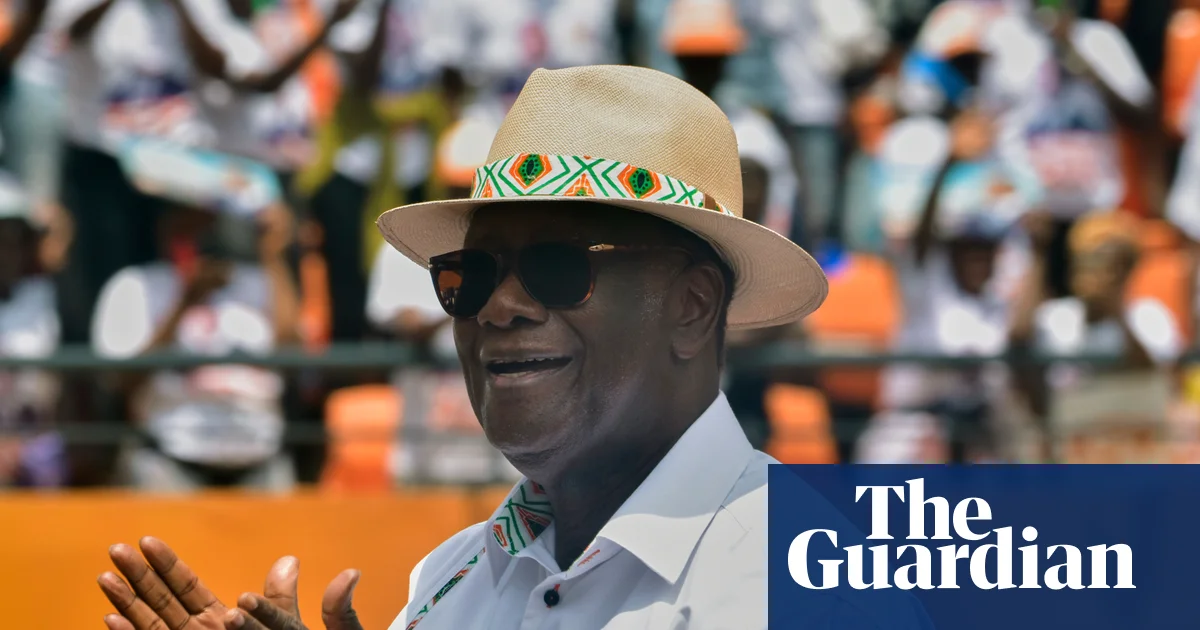
Ouattara’s bid for a fourth term sparks youth-led tensions in Ivory Coast

The recent developments in Ivory Coast reveal a nation at a crossroads, where progressive infrastructure projects clash with mounting political unrest, exposing the undercurrent of underlying societal discontent. President Alassane Ouattara has long championed a narrative of growth and stability. In 2023, he proudly inaugurated a bridge named after himself in Abidjan, proclaiming it a symbol of modernity and national revival. However, beneath these achievements lies a volatile political landscape, with protests escalating and dissent brewing among the youth and opposition factions. Analysts warn that such conflicts threaten the very fabric of future stability in the country, which is already grappling with numerous socioeconomic challenges.

A Nation Divided by Politics and History

Since taking office in 2011, Ouattara has presided over rapid economic growth, built prominent infrastructure, and sought to leave behind the violent crises that once plagued the nation. Yet, his decision to run for a controversial fourth term has ignited fierce opposition, with protests turning increasingly intense. Over the past month, more than 200 protesters have been teargassed and detained, revealing a government that appears more intent on quelling dissent than addressing its root causes. Opposition leaders, including the historic figure Simone Gbagbo, have denounced the electoral process, claiming that the disqualification of candidates like Tidjane Thiam and the sidelining of figures such as Laurent Gbagbo demonstrate a descent into exclusionary politics. For many, the events echo past political upheavals—where the specter of civil conflict has loomed large—casting a shadow over recent progress.

Geopolitical Echoes and Disinformation Strategies

The internal strife within Ivory Coast is compounded by what international observers describe as a deliberate campaign of disinformation. A rising tide of fake news, often traced to pro-Russian, anti-France sources based in neighboring Burkina Faso, seeks to discredit Western influence and exacerbate divisions. As Vanessa Manessong of the African Digital Democracy Observatory notes, this information warfare aims to undermine traditional alliances, deepen suspicion, and destabilize democratic processes. Such tactics are not new; history shows how misinformation can serve as a tool of foreign actors to exploit internal vulnerabilities, especially in fragile democracies. The ongoing crisis in Mali and the chaos in eastern Burkina Faso serve as cautionary tales, illustrating how regional instability can easily spill into neighboring nations, transforming internal dissent into a broader geopolitical contest.

Decisions that Reshape Societies and the Path Forward

The choices made in Abidjan now carry profound consequences for the nation’sfuture trajectory. Domestically, economic development is undermined by rising inequality, soaring living costs, and a life expectancy that lingers at just 59 years. The government’s narrative of rural electrification and poverty reduction faces skepticism amidst reports of disenfranchised youth and widespread disillusionment. International organizations, including the United Nations, warn that suppressed dissent could ignite violence, while traditional diplomatic alliances are tested by the internal divisions and rising populist rhetoric. With over 44,000 security personnel deployed to safeguard the electoral process, and opposition factions demanding reforms, the country stands on the brink of a pivotal moment—where the actions of political leaders may either forge a resilient democracy or plunge the nation into chaos.

As the world watches, history’s pen continues to carve its narrative—its pages inscribed with the hopes and struggles of a society caught between progress and upheaval. The coming days may reveal whether Ivory Coast will forge a new path rooted in legitimacy and unity or succumb to the turbulence of unresolved grievances. The weight of history presses down, reminding us that the decisions made now are not merely about an election—they are about the very soul of a nation, and how it will be remembered in the vast story of the African continent’s unfolding story.

Youth-led clients challenge economic limits

The global economy is currently navigating a crucial phase marked by significant shifts in market dynamics and policy strategies. As nations grapple with post-pandemic recovery, inflationary pressures, and geopolitical uncertainties, investors and policymakers alike are recalibrating their approaches to sustain growth and stability. Key industry leaders and economists warn that the upcoming months could see a pivot from traditional growth models toward more resilient and adaptive frameworks, underscoring the vital importance of strategic foresight in shaping economic trajectories.

Major markets such as Wall Street and Frankfurt are exhibiting varied responses to rising inflation and fluctuating commodity prices. Recent data indicates an ongoing struggle with inflationary pressures, which have prompted central banks globally to adopt tighter monetary policies. According to preliminary reports from the International Monetary Fund, inflation across advanced economies is expected to remain elevated through mid-2023, risking a pattern of stagflation that could threaten longstanding economic stability. This environment presents both risks and opportunities for investors: while higher interest rates may depress short-term equity returns, they also signal the potential for more sustainable long-term growth once inflation is tamed.

Furthermore, technological innovation remains a game-changer amidst these economic upheavals. Countries investing heavily in digital infrastructure and green energy are positioned to capitalize on emerging opportunities, potentially reshaping the global supply chain and labor markets. Analysts from think tanks such as Cato Institute emphasize that the policy consequences of sustained inflation and geopolitical tensions could accelerate the trend toward protectionism and economic nationalism. These shifts threaten to fragment global trade networks, demanding strategic responses from multinational corporations and sovereign states alike.

Looking ahead, economic forecasts by leading experts suggest that the economy will remain a dynamic stage for power struggle and innovation. The resilience of emerging markets and the strategic moves of key players like China and the United States will largely determine the pace of recovery. It is evident that the future of global economics hinges on the ability of nations to adapt swiftly to the evolving landscape. As economic indicators oscillate and policies tighten, the pulse of these developments underscores that we stand at the cusp of a new era—where economic resilience and strategic foresight will be the currencies that define the 21st century’s balance of power.

Social Media Auto Publish Powered By : XYZScripts.com



