Matox News

Truth Over Trends, always!

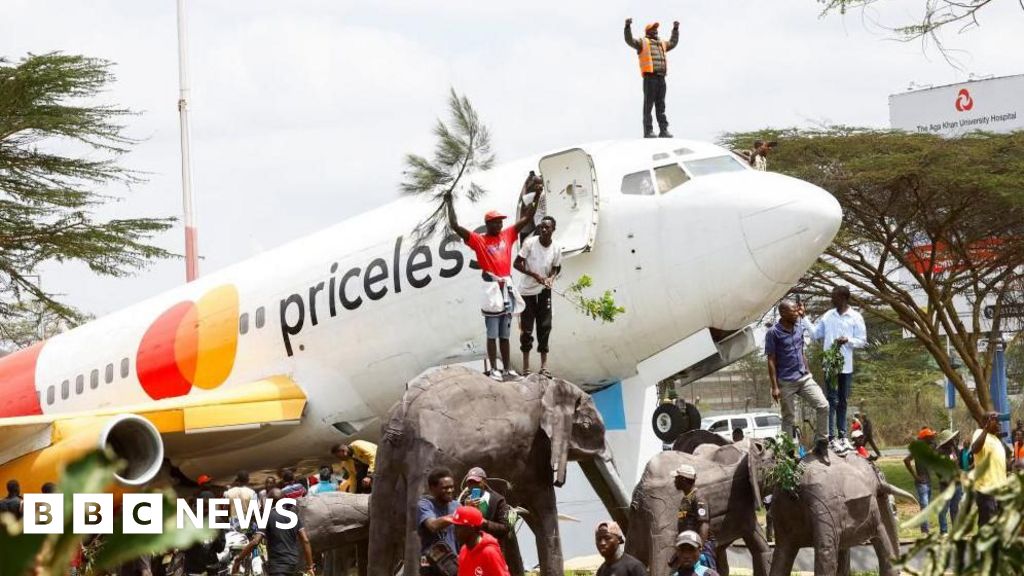
Kenyan Airport Closes as Youths Gather in Massive Welcome for Ex-PM's Body
Kenyan Airport Closes as Youths Gather in Massive Welcome for Ex-PM’s Body

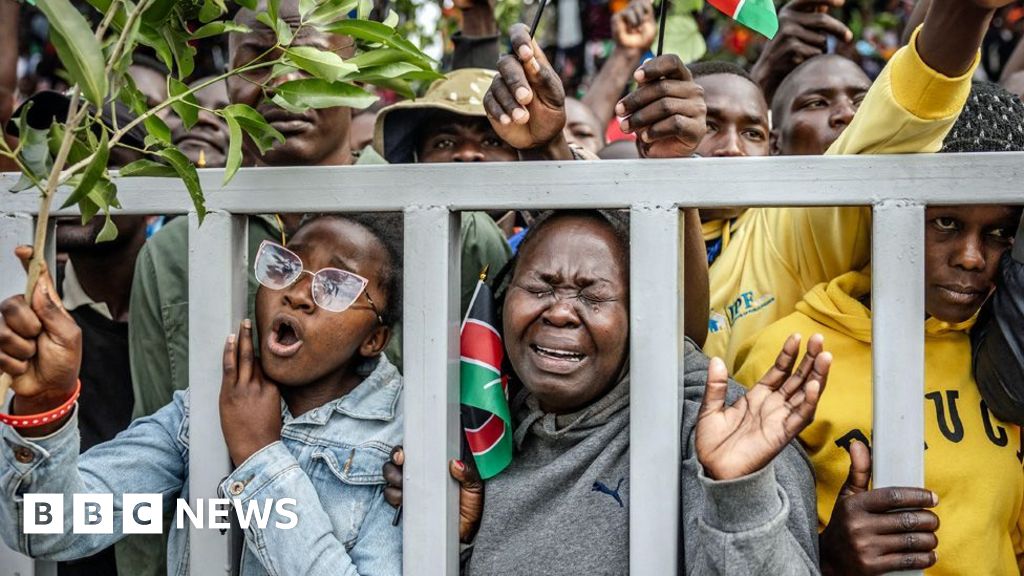
In a dramatic turn that has gripped Kenya and reverberated across the African continent, the nation is currently grappling with the loss of Raila Odinga, a towering figure in Kenyan politics. His death in India at age 80, following a cardiac arrest, marks not just the end of a political era but signals an imminent shift in the nation’s political landscape. Thousands of Kenyans gathered in mourning, breaching security at Jomo Kenyatta International Airport to receive his body—a clear indication of the deep emotional and political connection Odinga commanded. Authorities had to suspend operations at the airport amidst the chaos, illustrating how his influence transcended politics, resonating with the very fabric of Kenyan society.

This unprecedented turnout underscores Odinga’s role as a unifying yet contentious figure whose politics mirror the nation’s complex identity struggles. Recognized internationally, Kenyan officials and world leaders have poured out condolences, with Indian Prime Minister Narendra Modi hailing Odinga as a “towering statesman” and “a cherished friend of India.” Such sentiments highlight his diplomatic significance and the enduring bonds between Kenya and many nations, especially in a global environment increasingly marked by geopolitical competition and shifting alliances. Back in Kenya, President William Ruto—who now inherits Odinga’s political mantle—praised him as a “beacon of courage” and the “father of our democracy.” A seven-day mourning period and a state funeral with full military honors further cement Odinga’s legacy, setting the stage for his influence to continue shaping national policies and societal outlooks.

The circumstances surrounding Odinga’s death expose the delicate internal dynamic within Kenya. Despite his repeated presidential campaigns—losing five times—his persistent opposition work made him an icon of resilience, inspiring millions and challenging entrenched political structures. The decision to move his public viewing from Parliament to Nairobi’s Moi International Sports Centre responds to the extraordinary national outpouring, indicating his widespread impact. International analysts suggest that such a response reflects Kenya’s own internal tensions—balancing tradition with the revolutionary fervor of its youthful population—while demonstrating the power of a leader who, despite setbacks, remained a symbol of hope and resistance.

As global institutions monitor this moment, the geopolitics of Africa faces a major crossroads. Odinga’s death comes at a time when Russia and China are increasingly vying for influence across the continent, while the United States seeks to sustain its strategic partnerships. His political journey embodied the struggle of balancing domestic democratic aspirations with external geopolitical pressures, a challenge faced by many emerging nations in the 21st century. What Kenyan society chooses next could serve as a bellwether for regional stability and the future of democratic governance across Africa. As history’s pages turn, the weight of Odinga’s legacy presses heavily upon the nation. His life—marked by resilience, opposition, and unyielding dedication—becomes a chapter in the unfolding narrative of a continent on the cusp of transformation. The question now is whether Kenya will forge a new path inspired by his ideals or succumb to the turbulence that has long defined its political landscape, leaving the world to wonder: who will shape the next chapter of this historic story?

Madagascar Youths Cheer as Military Takes Control

In a dramatic escalation of Madagascar’s ongoing political crises, an elite military unit has reportedly seized control from President Andry Rajoelina, amidst mounting social unrest triggered by nationwide protests over essential services such as water and electricity. The abrupt power shift underscores the fragility of democratic institutions in the island nation and reflects broader tensions sweeping across numerous developing countries where youth discontent threatens established governments. The decisive action by CAPSAT, Madagascar’s most formidable military unit, signals a potential turning point that could reverberate beyond Africa’s Indian Ocean region, echoing shifts seen in other nations grappling with governance and legitimacy issues.

The military’s declaration, made outside the presidential palace in Antananarivo, outlined plans to establish a transitional government and hold elections within two years—a move that directly challenges Rajoelina’s authority. While the president remains in hiding, claiming to be in a “safe place” following an alleged assassination attempt, the military leadership, led by Col Michael Randrianirina, dismisses any involvement in an attack, pointing instead to internal political struggles. The swift, forceful action by CAPSAT underscores the growing influence of military factions in Madagascar, a classic feature of political instability in fragile states. This event has sent shockwaves through the regional political landscape, raising immediate questions about the future direction of governance and the potential for revolutionary dynamics to unfold in subsequent months.

International observers and analysts are warning that this coup could destabilize a region already plagued by economic hardships and governance challenges. The U.N. and regional bodies have expressed concern over the potential for increased unrest, emphasizing the importance of a *peaceful and democratic* resolution. Historically, analysts like Dr. Henry Lewis of the International Crisis Group note that military interventions in politics often result in *long-term instability*, especially if power is consolidated without clear legitimacy. Madagascar’s strategic location and resource wealth make it a significant point of interest in global geopolitics, with superpowers and regional neighbors carefully watching how this internal upheaval might impact security, trade routes, and foreign investments.

This unfolding crisis exemplifies a broader pattern seen across emerging nations where public discontent with corruption, resource management, and inequality has often culminated in military and political upheavals. How Madagascar’s current crisis develops will be crucial in understanding the future of governance in the island nation—and could serve as a blueprint for similar scenarios in the increasingly turbulent landscape of international politics. As history continues to write itself in the streets of Antananarivo, the question remains: will this act of military intervention lead to renewed hope and stability or plunge Madagascar into an enduring cycle of conflict and authoritarianism? The world watches, breath held, as the story of Africa’s potential rebirth or downfall begins, once again, to unfold with the weight of history pressing heavily upon every decision made in this critical hour.

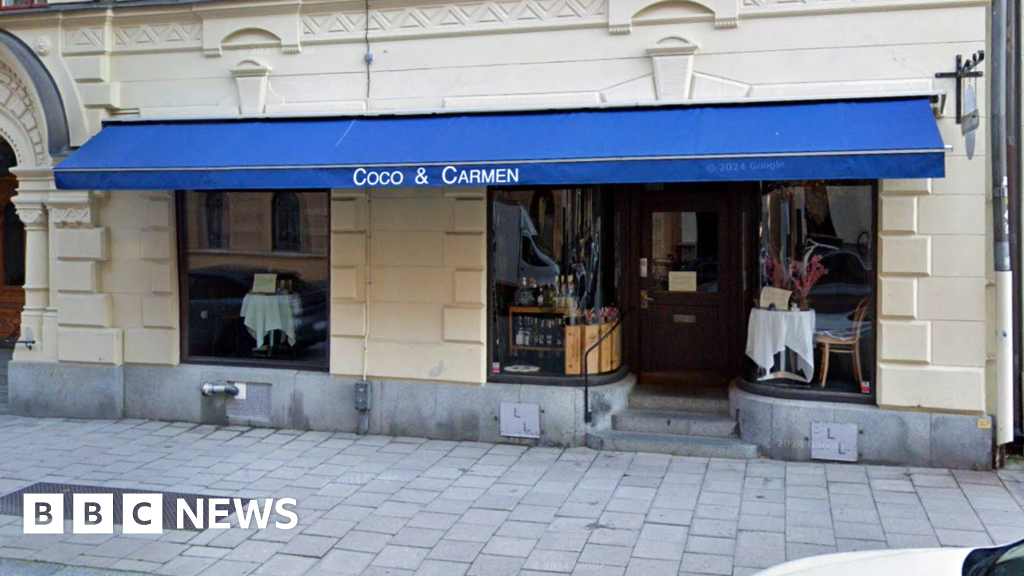
Four youths hospitalized with sepsis after food poisoning at Stockholm eatery

Recent developments in Stockholm have sent ripples through not only the local population but also the international community. A suspected listeria outbreak linked to the upscale restaurant Coco & Carmen has resulted in at least 15 individuals being hospitalized, with four confirmed cases of sepsis. While this incident appears confined to Sweden, its underlying implications extend far beyond the Scandinavian borders, highlighting growing concerns over food safety standards in an increasingly globalized world. As authorities trace the source of contamination, analysts warn that such outbreaks expose vulnerabilities in international food chains and demand a reevaluation of regulatory oversight in the industry.

The incident underscores how global supply chains and the movement of perishable goods have heightened the risk of contamination spreading rapidly across borders. Food safety experts have long warned that listeria, a bacterium prevalent in soil and water, can infiltrate long-term cold storage and surface in high-end restaurants that rely on imported ingredients. Unlike common food poisoning, listeriosis poses dire health threats, especially to vulnerable populations like pregnant women and the elderly, making the outbreak a major public health concern that requires swift, international cooperation. Institutions such as the World Health Organization have emphasized the necessity of implementing rigorous international standards and transparent reporting mechanisms to prevent such incidents from escalating into cross-border crises.

Adding to the international thread of concerns, the incident occurs at a time of intense geopolitical strain, where Sweden’s position as a stable yet neutral nation, situated within a shifting European landscape, plays a critical role in regional stability. Stockholm‘s response — including the temporary closure of the restaurant and an active investigation — reflects a commitment to health safety. However, experts suggest that the outbreak is emblematic of a broader, systemic failure: inadequacies in regulation enforcement amidst an era of complex global supply networks. Historians such as Fukuyama and analysts from international watchdog groups warn that failure to address these vulnerabilities could foster mistrust not only in food safety but also in the broader integrity of integrated markets and diplomatic relationships.

The ramifications of this outbreak reach beyond health, extending into the realm of geopolitical stability and societal trust. For nations interconnected through trade and diplomacy, food safety lapses threaten to undermine confidence in international cooperation. The incident serves as a stark reminder that decisions made today — including regulatory standards, inspection protocols, and cross-border communication — could shape the geopolitical landscape for decades. As the global community watches how Sweden navigates this crisis, one thing remains clear: history is still unfolding, and the world’s fate hinges on how effectively we learn from and respond to these unforeseen threats.

Social Media Auto Publish Powered By : XYZScripts.com