Matox News

Truth Over Trends, always!

Zimbabwe Warns: 15 Youths Lured to Fight for Russia End Up Dead

In an assertive move highlighting ongoing diplomatic negotiations, Zimbabwe has announced that it is engaging the Russian government to facilitate the repatriation of its citizens, both those who have fallen in foreign lands and the living members still residing abroad. This initiative underscores the complex and often contentious relationship between African nations and global powers, especially amidst shifting geopolitical landscapes that threaten to redefine the influence and sovereignty of nations.

According to official statements, Harare is actively working to repatriate bodies of Zimbabweans who have died abroad, while also seeking to bring back individuals who have remained outside the country’s borders due to various circumstances. The details of these negotiations remain opaque, but reports indicate that the move is motivated by concerns over the safety, welfare, and national cohesion of Zimbabweans living overseas. Analysts suggest that this diplomatic effort is part of a broader strategy by Zimbabwe’s leadership to reinforce sovereignty and assert national identity in an increasingly interconnected yet divided world.

International organizations and historians have weighed in on such developments, highlighting how global alliances and conflicts deeply impact local nations and their societies. Experts in geopolitics argue that Zimbabwe’s engagement with Russia is emblematic of a larger trend—small and medium-sized countries leveraging international diplomacy to protect their citizens and interests amid a landscape fraught with tension and uncertainty. The repatriation efforts reflect not only a humanitarian concern but also a strategic move to cement relations with powerful nations like Russia, sparking questions about alignment and influence in the global arena.

These diplomatic efforts unfold against the backdrop of a world where traditional alliances are shifting. Some analysts see Zimbabwe’s outreach to Russia as a pragmatic step, navigating the complex web of international diplomacy in the wake of economic sanctions, regional conflicts, and evolving power dynamics. As history continues to unfold, the fate of Zimbabwe’s repatriation endeavor may serve as a barometer for how small nations maneuver within the great chessboard of global geopolitics—bold, cautious, and increasingly dependent on mighty powers for their survival. The world watches as the narrative of sovereignty, influence, and human security takes another dramatic turn—its outcome yet unwritten, yet undeniably impactful on the tapestry of history.

Zimbabwe vs. West Indies 2026 Live Stream: Catch the T20 World Cup Action for Free!

In recent years, a paradigm shift in how young audiences consume sports has been underway, driven by the proliferation of digital platforms and innovative streaming technologies. The 2026 T20 World Cup exemplifies this wave, offering live streams of matches like Zimbabwe vs. West Indies for free via ICC.TV. This move toward free access has disrupted traditional broadcast models, making high-stakes sporting events more accessible than ever and fueling a surge in viewer engagement among youth who prefer digital over cable. Influencers and social media analysts emphasize that this democratization of content aligns remarkably well with the social habits and technological fluency of today’s generation.

The cultural impact is profound. As media scholars highlight, this shift isn’t just about convenience; it’s redefining the social relevance of sports as a unifying cultural activity. No longer confined to TV screens or expensive subscriptions, young fans across the globe can now tap into live action with a few clicks, often through VPNs to bypass geo-restrictions. This technological democratization has sparked a sense of ownership and participation, turning casual viewers into active supporters. The result? A more inclusive, youth-centered sports culture that champions accessibility and instant gratification, driven by a generation that values \”instant access\” as an extension of their lifestyle.

Major brands and platforms are responding to this cultural shift by integrating social media, mobile streams, and VPN seamlessly into the viewing experience. For instance, ExpressVPN and other providers are now talked about in the same breath as sports fans, as they empower viewers to bypass regional restrictions and access premium content from anywhere. Analysts argue that this convergence of tech and entertainment is transforming not only how we watch but what sports mean socially. Influencers, especially those with millions of followers, are fueling the viral nature of this trend by sharing tutorials, reviews, and hype around exclusive streams, turning digital platforms into the new stadiums for youth engagement.

As the 2026 T20 World Cup demonstrates, this rapid evolution raises an intriguing question about the next frontier of sports consumption. If access becomes increasingly free and personalized through technology, will traditional broadcasting models survive, or are we headed toward an era where digital native platforms completely reshape the sports industry? The answer might lie in how society continues to embrace individualized digital experiences and whether the social fabric woven by shared athletic moments shifts to a more decentralized, on-demand ecosystem. The future of sports consumption — seemingly as fluid as the games themselves — is one to keep a close eye on.

Zimbabwe cabinet backs bill to extend presidential terms—youth watch carefully

The recent declaration by Andrease Ethan Mathibela, national chairman of the Zimbabwe National Liberation War Veterans Association, highlighting a stand against corruption and nepotism, symbolizes a pivotal moment in a broader pattern of political awakening across the developing world. Mathibela’s courage to openly criticize entrenched power structures echoes a window into how corruption continues to threaten nations’ sovereignty and democratic aspirations. This stance, coming at a time when silence might have been deemed easier, underscores the delicate balance many leaders face when confronting internal decay versus maintaining political stability.

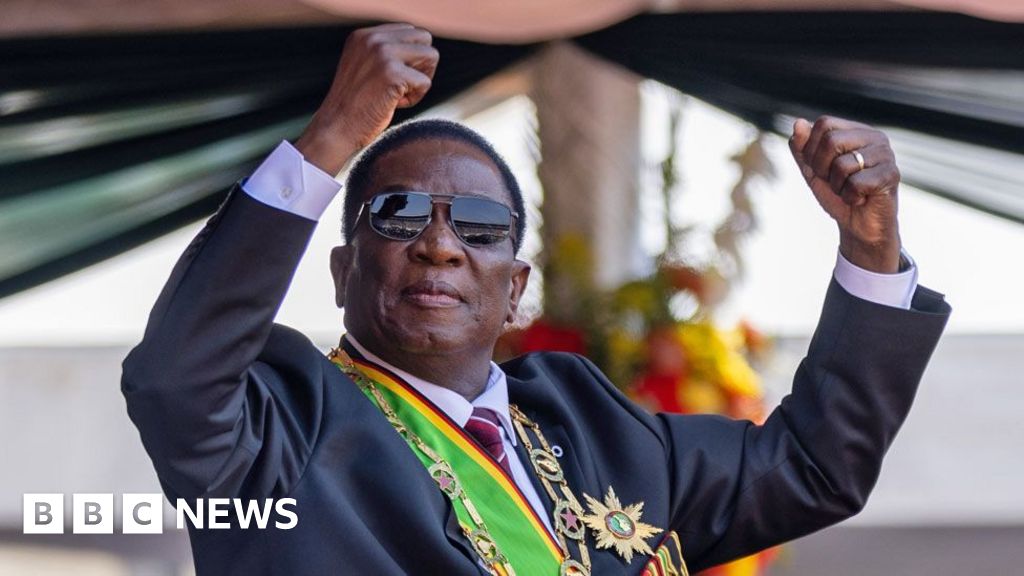
In the context of Zimbabwe, recent events point to a decisive shift in the nation’s political landscape—one that could potentially alter the trajectory of its governance. Analysts suggest that vocal opposition by influential military and veteran groups marks the erosion of previously tolerated authoritarian practices. Global institutions such as the African Union have expressed cautious optimism, warning that unchecked corruption could unravel fragile progress and undermine regional stability. Meanwhile, Western nations have scrutinized Zimbabwe’s internal struggles, often framing these developments as symptoms of deeper systemic failures that threaten democratic foundations. The spotlight intensifies on President Emmerson Mnangagwa’s government, which faces mounting pressure to confront these accusations or risk becoming a cautionary tale of corruption’s corrosive effects.

The broader **geopolitical impact** of such internal dissent extends beyond Zimbabwe’s borders, serving as a bellwether for many nations grappling with similar issues. The decision of veteran groups and civil society to speak out reflects a global pattern—the rising willingness of citizens and former military figures to challenge corrupt regimes, which could usher in a new wave of political accountability. Experts argue that this dynamic signals a shift in societal expectations; the **international community** now watches closely, noting that how governments respond to internal criticism will influence regional stability and the global perception of governance legitimacy. In this light, leaders worldwide are urged to recognize that the era of passive acceptance is waning; trust in institutions hinges on transparency and genuine reform.

As the world observes this unfolding chapter, the stakes could not be higher. With historical regimes facing pressure from within and external forces demanding change, the **future of Zimbabwe** teeters on a knife’s edge—caught between the ancien régime and the hopes of genuine reform. This current moment, charged with the voices of veterans and citizens alike, embodies the age-old struggle over integrity, power, and the true meaning of independence. History is being written now, and the outcome will echo across the continents—reminding us that—no matter how daunting the obstacles—the fight for justice and transparency is an eternal pursuit with no guarantees of victory. Still, as these stories unfold, the world waits, for in the shadows of unspoken histories, the echoes of future change resonate.

Social Media Auto Publish Powered By : XYZScripts.com