Matox News

Truth Over Trends, always!

Love Island’s Lucinda Strafford’s Au Vodka TikTok ad cut amid controversy

In an era where popular culture intertwines effortlessly with the fabric of societal influence, the recent controversy surrounding the promotion of Au Vodka by former Love Island contestant Lucinda Strafford exemplifies the persistent tension between freedom, responsibility, and the moral fabric that underpins our social contract. Her social media post, which depicted her filling a lavish gold vending machine with cans of the aforementioned vodka, was recently banned by the Advertising Standards Authority (ASA) for targeting audiences under the age of eighteen—an unequivocal breach of UK advertising laws. This incident underscores how culture acts as both mirror and message: it reflects societal values, but also pressures us to navigate them conscientiously.

The core of this debate hinges on culture’s role as a vessel of identity and societal cohesion. Historically, philosophies like Ortega y Gasset’s notion of “the revolt of the masses” warn us about the perils of superficial mimicry and the erosion of cultural standards. In our contemporary landscape, advertisers like AU Vodka appear to blur the lines deliberately, packaging their product with youthful allure—embodying a symbolism that extensions of *progressive marketing* seem to chase blindly. Yet, in striking contrast to the libertarian echoes of Chesterton’s assertion that “the true object of freedom is to give the individual room to flourish,” authorities recognize that unchecked marketing to impressionable youths damages societal struktures rooted in tradition and the shared moral fabric.

This tension is compounded by the digital age’s unique challenges. TikTok, with its ever-transforming algorithms, flattens the boundaries of age-appropriate exposure, making it all the more urgent for society to safeguard the innocence of its young. The ASA’s investigation revealed that Strafford’s followers’ demographics were uncertain; they couldn’t confirm whether minors were actively engaging with her content. As Tocqueville warned about the “tyranny of the majority,” the unchecked proliferation of youth-oriented content risks shaping a culture that venerates immediacy over truth, sensation over moral purpose. Such a milieu demands a vigilant preservation of societal values that anchor us to our shared tradition—values that serve as moral compass points amid the shifting tides of modernity.

In the quiet depths of our cultural memory, there lies a prophecy—an inheritance handed down through generations, whispering that what we nurture now will shape the society of tomorrow. Like T.S. Eliot’s concept of a tradition “being the memory of humanity,” our collective cultural output must balance responsibility with aspiration. As our ancestors looked to art, philosophy, and history to craft a resilient moral foundation, so too must we, in this moment of cultural reflexivity, cherish the enduring power of tradition—not as a static relic but as a vital, guiding current. In this dance of memory and prophecy, culture stands as both the chronicles of what has been and the blueprint of what may still become, beckoning us to ensure that our shared human story moves forward with integrity and purpose, echoing into eternity’s horizon with the lyrical promise that humanity’s destiny is written not only in history but also in the sacred language of its enduring culture.

Tylenol vs. Paracetamol: What Every Young Parent Needs to Know — Experts Urge Caution During Pregnancy | Autism

In recent years, society has been sharply divided over issues that probe the very fabric of trust in our health institutions and the social understanding of neurodiversity. The controversy surrounding the President’s recent public claims about paracetamol and autism exemplifies a broader cultural battle: on one side, the importance of scientific consensus and on the other, populist narratives that challenge established expertise. Despite the scientific evidence indicating no causative link between acetaminophen and autism, political figures continue to wield influence through misinformation, sowing distrust among families, educators, and healthcare providers. This erosion of trust hampers efforts to keep expectant mothers safe and informed, complicating decisions that directly impact the health of future generations.

The rising prevalence of autism diagnoses, from four or six cases per ten thousand in the past to nearly 1–3% of the population today, underscores a complex social challenge. The widespread recognition and improved diagnostic protocols have played a significant role in this increase, but there remains an unspoken tension about environmental and social factors that could influence neurodevelopment. As sociologists like Dr. Abigail Turner highlight, “the societal narrative frames autism either as a disorder to be cured or as a variation of human cognition to be marginalized.” This dual perception fuels social isolation, stigmatization, and a distorted moral discourse that undermines the dignity of autistic individuals, casting them as problems instead of diverse members of society with their own unique talents and perspectives.

In communities where families face social stigma or insufficient support systems, the pressure to conform to conventional norms often exacerbates feelings of guilt and shame—emotions that are only intensified by political rhetoric suggesting blame or crisis. The recent decision by the FDA to include a warning about a potential, yet unproven, link between Tylenol and autism exemplifies how official guidance can become a battleground for societal fears. While the agency emphasizes the absence of causality, such warnings isolate parents and create a moral dilemma: risk untreated fever versus potential harm, a choice fraught with emotional and social consequence. For parents, educators, and health workers, these shifts threaten to undermine confidence and diminish a shared moral authority essential for community cohesion. As historian Prof. Marcus Lee notes, “the social trust necessary to face health crises collapses when scientific messages are politicized or misunderstood.”

Amidst this turbulent landscape, hope lies in the resilience of communities dedicated to fostering understanding and inclusion. Initiatives like increased funding for neurodiversity acceptance and evidence-based public health campaigns aim to recalibrate societal attitudes, emphasizing mercy over blame and support over stigma. As social commentators like Dr. Lisa Grant argue, “transformative change begins when society recognizes our collective responsibility to protect and uplift all its members, regardless of diagnosis or societal expectations.” Only through a firm commitment to truth and community engagement can society navigate these social fissures, transforming fear into hope, division into unity, and misinformation into knowledge. The challenge remains, yet within this struggle lies the potential for society to forge a future where trust and compassion become the new anchors of social cohesion, illuminating a path toward a society that truly values every individual’s human dignity.

Dua Lipa Clarifies Her Stance Amid Rumors of Agent Dismissal over Pro-Israel Opinions

In the ever-evolving landscape of modern culture, we witness a paradox where both its power to elevate human identity and its potential to fracture society are on display. The recent controversies surrounding high-profile figures like Dua Lipa and the Irish group Kneecap serve as potent illustrations of how contemporary artists embody not merely entertainment, but the essential threads woven into the fabric of societal identity. Culture, after all, is not a mere collection of trends; it is the very memory of a civilization, rooted in its past, yet prophetically shaping its future. When Dua Lipa publicly disavows false media narratives surrounding her association with political allies, she reclaims her voice amid a chaotic media landscape eager for sensationalism—a landscape that often forgets that culture is the dialogue of society through the ages. Her stand highlights the ongoing struggle to preserve a sense of authenticity and moral clarity in an era awash with clickbait and division, mirroring the philosophical insights of Ortega y Gasset who warned that the crucial task of culture is to maintain the continuity of identity amid relentless change.

The performance of Kneecap at Glastonbury underscores the tumult of artistic expression in a society that is increasingly divided along political lines. Despite calls for the band’s exclusion due to their political statements, they performed undeterred, leading chants such as “Free Palestine”. This act becomes emblematic of how music, as an art form, is intertwined with societal struggles—an echo of the cultural movements that redefine national consciousness, from the folk ballads of tradition to the rebellious chords of modern protest. Historian Tocqueville observed that democratic societies are often defined by their capacity to allow free expression, even when such expressions threaten social cohesion. Kneecap’s defiance and the public’s response reveal a society grappling with its identity—whether to uphold the chaos of free speech or to impose order through censorship. These moments remind us that culture is both a reflection and a forge of communal bonds; it is the voice of tradition echoing through the chaotic streets of progress.

Furthermore, the tone of these conflicts extends into the broader cultural debate surrounding values, moral judgment, and the role of influence. Dua Lipa’s vocal support for Gaza reflects a conscientious stance rooted in traditional notions of justice and human dignity—values that resonate deeply within Western cultural history. Yet, her stance also exemplifies how modern outlets are turning these spiritual convictions into symbols embroiled in a media tempest. Just as Chesterton warned of the peril of a society losing its moral bearings, the current cultural climate shows that once morality becomes politicized, it often devolves into a battleground for narratives that threaten the cohesion of society. The essence of this cultural moment lies in whether we defend the integrity of these shared values or allow them to be exploited for transient political gains. As history and philosophy suggest, when a nation’s culture is under threat, it is its shared memory and enduring principles that serve as the bulwark of stability and identity.

In contemplating this turbulent dance of culture, morality, and identity, we are reminded that the true significance lies beyond the spectacle; it resides in the silent, enduring memory of our ancestors and the prophetic visions of future generations. Culture is both the inheritance we cherish and the prophecy we forge. It is a living archive of humanity’s highest ideals and a testament to the resilience of the human spirit in its endless quest for meaning. As T.S. Eliot eloquently suggested, understanding the past is vital to shaping a future that respects its roots; for in the memory of human endeavors, we discover the blueprint of possibility. Culture, therefore, is neither static nor trivial—it is the heartbeat of civilization, echoing through time, whispering of humanity’s boundless potential to reconcile memory with prophecy, tradition with transformation.

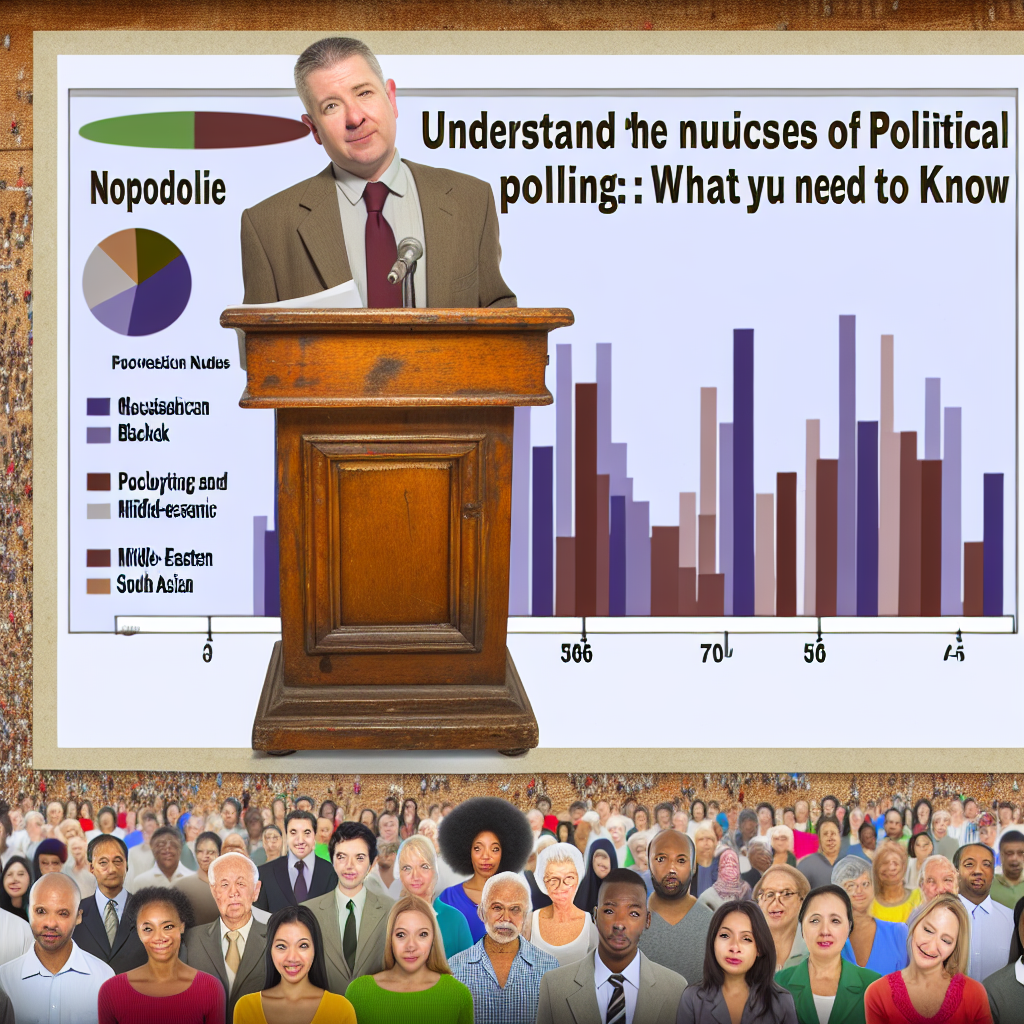
Understanding the Nuances of Political Polling: What You Need to Know

In today’s world, data is everywhere, influencing our perspectives and shaping our beliefs. It’s not just about numbers; it’s about understanding what those numbers reveal about our society. Enter Harry Enten, a keen observer of trends and statistics, who is committed to unpacking the layers of information that define us. With his unique approach, he seeks to highlight how data reflects our values, interests, and identity.

Enten’s mission doesn’t just stop at analyzing data; he aims to connect the dots between numbers and real-life implications. For young people navigating the complexities of modern life, gaining insight into data-driven narratives can empower them to view issues more critically and make informed decisions. Understanding the story behind the stats is crucial for the proactive youth of today, who want to engage with the world around them meaningfully.

£3,000 in Parking Fines on School Runs, Even with Blue Badge

Newham council is drawing criticism after a local parent received 19 penalty charge notices (PCNs) for driving in a restricted “healthy school streets” zone, despite holding a blue badge access permit. The situation escalated following a car accident, during which the parent was provided with three courtesy cars by their insurance company. To comply with local regulations, they acquired temporary permits for each courtesy vehicle, ensuring they could still drop off and collect their children from school.

This incident highlights a significant concern among residents regarding the council’s enforcement policies. Many individuals with disabilities rely heavily on their vehicles, and unexpected situations, such as accidents, shouldn’t result in such heavy penalties. It raises vital questions about how councils balance the need for traffic regulation with the realities faced by families who depend on mobility. As communities reassess their traffic policies, the focus should be on finding practical solutions that support rather than penalize those in need.

The Axe Files: Insights with David Axelrod for the Next Generation

In the dynamic landscape of modern politics, it’s crucial to look beyond the typical soundbites and understand the key figures shaping our future. From fresh perspectives to innovative ideas, these political players are driving conversations that resonate with the younger electorate. Their ability to connect with younger voters on issues they care about—like economic opportunity and social innovation—sets them apart in an increasingly polarized environment.

Today’s political scene is filled with leaders who embrace change and champion transparency, addressing the concerns of a generation that has grown up amid societal upheaval. Engaging with these figures can ignite a sense of civic duty among youth, encouraging everyone to stay informed and participate in the democratic process. It’s important to recognize not just their policies, but also their potential to shift the political narrative through creativity and engagement with digital platforms. As the future unfolds, these players will undoubtedly have an impact on how politics evolves to meet the expectations and aspirations of younger Americans.

Fact-Check: Viral social media post about climate change misinformation debunked.

Fact-Checking Claims Around Acetaminophen and Autism

Recent public statements regarding the safety of acetaminophen, commonly known by the brand name Tylenol, during pregnancy and its association with autism have stirred considerable controversy. Former President Donald Trump, during a press conference, asserted that pregnant women should avoid taking Tylenol, claiming it is linked to an increased risk of autism. However, this claim lacks solid evidence. Multiple expert analyses indicate no established causal relationship between the use of acetaminophen during pregnancy and autism or neurodevelopmental disorders.

Dr. Brian Lee, a professor of epidemiology at Drexel University’s Dornsife School of Public Health, specifically stated, “As far as the evidence goes, it points towards no causal association between acetaminophen use during pregnancy and risk of neurodevelopmental disorders, including autism.” Similarly, the American College of Obstetricians and Gynecologists (ACOG) emphasizes that “not a single reputable study has successfully concluded that the use of acetaminophen in any trimester of pregnancy causes neurodevelopmental disorders in children.” Thus, the assertion that pregnant women should refrain from using Tylenol appears to be misleading.

Misinterpretation of Scientific Studies

During the aforementioned press conference, FDA Commissioner Dr. Marty Makary claimed there is a causal link between prenatal acetaminophen use and conditions such as autism, citing the dean of Harvard University’s public health school. However, the actual statement made by Dr. Andrea Baccarelli suggested the possibility of a connection and indicated that more research is needed. Dr. Baccarelli urged caution but did not endorse a definitive cause. Expert consensus emphasizes the need for measured interpretations of studies, particularly since many previous studies suffer from methodological limitations, often relying on self-reported data.

The Society for Maternal-Fetal Medicine corroborates ACOG’s position, stating that “untreated fever, particularly in the first trimester, increases the risk of miscarriage, birth defects, and premature birth, and untreated pain can lead to maternal depression, anxiety, and high blood pressure.” Thus, recommendations to avoid Tylenol could lead to greater health risks for both mothers and infants.

Tylenol Use for Infants

Further complicating the narrative, Trump also advised against administering Tylenol to infants postnatally, especially in conjunction with vaccinations. He claimed, “Don’t give Tylenol to the baby after the baby’s born,” but this statement is not supported by current medical practices or research. Experts, including Dr. Paul Offit from the Children’s Hospital of Philadelphia, confirm that “there is no robust evidence that giving acetaminophen to children (neonatal/postnatal), or in association with vaccines, causes autism.” This statement clearly refutes Trump’s claims, categorizing them as false.

Addressing public health concerns requires clear, accurate communication. Misinformation in health matters can lead to detrimental effects for families, especially women during pregnancy and their children postnatally. As the research stands, acetaminophen is considered safe when used properly and under medical advice, contrary to the blanket warnings presented during the press conference. Public discourse should not undermine the importance of proven facts, particularly in matters closely tied to maternal and child health. Ultimately, maintaining the integrity of information is essential for fostering responsible citizenship and democracy.

Experts Pick 2022’s Top Cash Back Card for Young Savers

As the financial landscape shifts in 2022, experts are highlighting a standout option for savvy spenders: the best cash back card of the year. For young consumers eager to maximize their purchasing power, this card offers competitive rewards that can make a real difference in monthly budgets. With rising living costs, having a reliable cash back card is more essential than ever.

This cash back card not only features generous rewards on common spending categories like groceries and gas but also comes with no annual fee—perfect for those still navigating the financial world. For young professionals and students, this combination allows for flexibility in managing expenses while still benefiting from cash back on everyday purchases. If you’re aiming to make the most of your finances, this card could be a strategic tool in your financial toolkit.

Fed Chief Powell: Stock Prices Looking Priced to Perfection

Federal Reserve Chair Acknowledges Elevated Asset Prices Amid Rate Cuts

In a recent speech delivered in Providence, Rhode Island, U.S. Federal Reserve Chair Jerome Powell addressed concerns regarding current asset prices, particularly those of stocks and other risk instruments, which he described as “fairly highly valued.” His remarks come on the heels of a decision by the Federal Open Market Committee (FOMC) to lower the benchmark overnight borrowing rate by a quarter percentage point, a move that has fueled recent gains in financial markets. Powell’s acknowledgment of elevated stock valuations raises important questions about the sustainability of the current market rally and the implications for investors.

During the press conference, Powell emphasized the significance of overall financial conditions and the Federal Reserve’s commitment to achieving stable economic growth. He stated, “We look at overall financial conditions, and we ask ourselves whether our policies are affecting financial conditions in a way that is what we’re trying to achieve.” His comments reflect a broader acknowledgment among financial leaders that while markets generally respond positively to lower borrowing costs, there exists a delicate balance between encouraging investment and ensuring financial stability.

The timing of Powell’s remarks is particularly impactful, as they follow a significant rally in stock prices leading up to the FOMC’s recent policy meetings. Many market analysts attributed the increase to growing investor confidence that interest rates would decline, resulting in an influx of capital into equity markets. However, following Powell’s statements regarding elevated asset prices, markets reacted negatively, with major stock averages trading lower. This volatility illustrates the sensitivity of investors to signals from the Federal Reserve and highlights the challenges in predicting market behavior based on economic policy adjustments.

Despite acknowledging the high valuations, Powell reassured stakeholders that this is “not a time of elevated financial stability risks.” However, his comments serve as a cautionary note for young investors, emphasizing the need for careful analysis in the current market environment. As the Federal Reserve continues to navigate the complex landscape of monetary policy, the implications of rate changes and market responses will remain crucial for investors and economic stakeholders alike. The conversation surrounding asset prices underscores the necessity for vigilance as the potential for asset bubbles looms amid low borrowing costs.

Former minister apologizes to MSPs after assault allegations against Douglas Ross.

Jamie Hepburn, formerly the minister for parliamentary business, has resigned from his position following an incident that has stirred up controversy. His departure came in light of claims made by fellow politician Ross, who alleged that Hepburn had aggressively grabbed him and used foul language during a recent confrontation.

This incident has sparked a renewed discussion about conduct within government, especially among younger voters who want to see accountability and respectful dialogue in political arenas. As the political landscape continues to evolve, such events raise questions about leadership and the standards we expect from our elected officials. With Hepburn’s resignation, the focus now shifts to how the government will address not only this issue but also the larger conversation regarding professionalism and decorum in politics.

Social Media Auto Publish Powered By : XYZScripts.com