Matox News

Truth Over Trends, always!

Ukrainian family of four wiped out in Russian drone attack, officials confirm

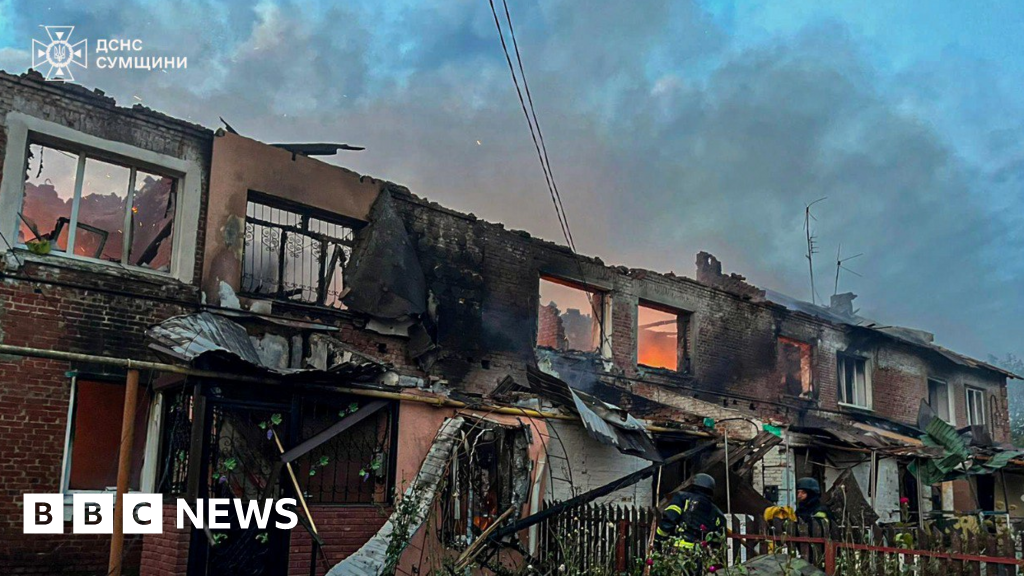
The ongoing conflict between Russia and Ukraine continues to escalate, illustrating the profound geopolitical impact of Moscow’s relentless pursuit of influence and control. In the recent overnight attack in Ukraine’s Sumy region, a tragedy unfolded as a family of four was confirmed dead, struck by a Russian drone missile targeting a residential building. Local officials, including regional head Oleh Hryhorov, condemned the strike as a deliberate act of violence against civilians, a disturbing sign that the conflict’s brutality has become normalized. Amidst the chaos, Ukraine’s air defenses demonstrated resilience, shooting down 46 out of 65 inbound Russian drones — yet the remaining 19 caused deadly hits across six locations. Such persistent assaults highlight how Russian military tactics have evolved, emphasizing infiltration and aerial bombardment to destabilize Ukrainian society.

Since Russia’s wide-scale invasion in February 2022, the international community has watched in concern as the conflict morphs into a protracted stalemate, with significant consequences for global stability. While Moscow remains comparatively silent on specific losses, it claims to have destroyed 81 Ukrainian drones within Russian borders, framing its actions as defensive. Conversely, Ukraine’s appeals for advanced Western weaponry, including long-range missiles capable of striking deep into Russian territory, index a strategic shift aimed at balancing Moscow’s aggression. Prominent analysts, such as those at the European Council on Foreign Relations, warn that the ongoing Western defense aid, totaling €2 billion for drone technology alone, significantly impacts Ukraine’s capacity to resist and persevere, yet also risks expanding the scope of the conflict.

The decision by Western powers to supply Ukraine with sophisticated weaponry—especially the possible deployment of long-range missiles like the U.S.-considered Tomahawk — signals a critical juncture. If these supplies are sanctioned, Kyiv’s ability to target key Russian military hubs and logistical nodes could significantly weaken Moscow’s operational capabilities. The American administration and European Union officials argue that empowering Ukraine with these tools is essential, contemplating whether such support might force Vladimir Putin into negotiations or prolong the war by widening its geographic scope. Yet, some international voices caution that this escalation could ignite a broader regional confrontation, risking unintended consequences that threaten global peace and security.

As the conflict persists, predictions from historians and international security analysts emphasize that the true turning point remains uncertain. The war’s toll—both human and geopolitical—is staggering. Ukrainian civilians pay a devastating price in lives and homes, while the Russian military’s determination to press its advantage tests the resolve of Western allies. The conflict’s potential to morph into a wider confrontation, perhaps involving NATO or other global powers, embodies a dangerous crossroads. With every drone strike, diplomatic maneuver, and international aid package, the pages of history are being written—an unfolding narrative of resilience, geopolitical chess, and the profound costs of modern warfare. As the war drags on, the weight of this moment rests heavily on the collective consciousness of the world, reminding us that in the storm of history, the future remains fundamentally uncertain.

Springsteen: Deliver Me From Nowhere – A Gritty, Authentic Biopic That Navigates Between Tradition and Fresh Perspectives

In an era saturated with biographical renditions, the musical biopic has become both a commonplace and a mirror of society’s collective identity—an artifact reflecting our fascination with genius, struggle, and the mythos of artistic creation. As Timothée Chalamet rightly observes, the formulaic patterns of this genre can breed skepticism; yet, it is precisely within these familiar frames that culture reveals its deeper, enduring significance. The stories told through film serve not only as entertainment but as an extension of societal memory—reverberating past triumphs and failures, shaping present perceptions, and foreshadowing future possibilities. Here, the biopic functions as a vessel for cultural continuity, anchoring the individual’s journey to the collective destiny of society itself.

This connection is vividly exemplified in recent portrayals of icons like Bruce Springsteen. Films such as Deliver Me from Nowhere venture into the depths of the artist’s creative and personal turmoil, revealing a terrain where genius is often cloaked in fragility. Seen through the lens of thinkers like Ortega y Gasset, culture is a living organism, embodying the <vital spirit of a society>—a blueprint for identity, resilience, and the ongoing quest for meaning. Springsteen’s story, set amidst the turmoil of his early 30s and the cultural upheavals of the early 1980s, underscores this relationship. His artistic pursuit—shaped by the raw realities of blue-collar America and inspired by narrative voices like Flannery O’Connor—transcends mere entertainment; it is an act of cultural affirmation, a way for society to confront its own shadows while aspiring toward renewal.

Within this cinematic reflection, there emerges a narrative of resilience against homogenization, of the importance of preserving the traditions and memories that form the backbone of societal identity. Like Chesterton’s view that “the modern mind is a mind of escapism,” the danger lies in losing sight of the deep roots that anchor us. Whether it is the recording of Bruce’s acoustic demos, capturing the blue-collar heartbeat of America, or the intimate portraits of his family life, the essence of these stories lies in their candid acknowledgment of human vulnerability. They remind us that culture is a living dialogue, a bridge between the history that shapes us and the foresight that guides us. In this way, the artist’s journey becomes less a mythic narrative and more a testament to the unending pursuit of authenticity amid the noise of success.

As the poetry of human memory and prophecy of hope intertwines, it compels us to see culture not merely as a reflection, but as a catalyst for the future. The stories of singers, poets, and prophets, captured in film and song, serve as the grooves of our collective record. Their relevance is timeless, reminding us that in understanding the echoes of the past, we reveal the contours of our shared destiny. Culture, therefore, is neither static nor insular; it is the living archive of our identity, an ongoing composition that bears witness to our wounds and aspirations alike—ever echoing, ever evolving, and forever speaking the language of humanity.”

Opera’s Neon Browser Goes AI-Forward for the Next Generation

Opera Launches Neon Browser, Pioneering the Future of AI-Integrated Web Navigation

In a bold move set to disrupt the landscape of digital browsing, Opera has announced the rollout of their innovative Neon Browser, a platform designed to seamlessly integrate artificial intelligence into everyday online activities. After a period of closed preview, the company is now opening the doors to select users through invite-based access, offering the service at a monthly fee of $19.99. This development signals a significant shift toward agentic browsing—an industry-transforming trend that could redefine user interaction with web content and online tools.

The core of the Neon Browser lies in its sophisticated AI assistant, which combines a conversational chatbot with proactive task management capabilities—powered by what Opera calls Neon Do. This feature not only responds to user inquiries but actively helps accomplish tasks, such as summarizing lengthy articles or curating content across multiple platforms. For example, a user might ask Neon Do to condense a Substack blog post and share the summary directly to a Slack channel, or retrieve details from a previously watched YouTube video—demonstrating the browser’s capacity to operate within and remember across browsing sessions. Such features are set to challenge traditional browser paradigms, sharply emphasizing innovation, convenience, and efficiency in digital workflows.

This strategic push towards disruption is indicative of a broader industry trend where seamless, AI-powered interactions are transforming software tools into proactive agents. Experts from Gartner predict that by 2026, more than 40% of all work-related interactions will involve AI assistants capable of understanding context and performing complex tasks autonomously. Opera’s bold entry into this space places it ahead of the curve, positioning the browser not as a passive tool but as an active participant in the user’s digital experience. Such advancements threaten to diminish the dominance of traditional browsers, forcing tech giants to innovate or risk obsolescence.

The implications of Neon extend beyond mere user convenience. Business implications include the potential to open new revenue streams through subscription models and tailored enterprise solutions, especially as AI becomes an integral part of productivity suites. As Elon Musk and other industry leaders have argued, AI’s disruptive potential can lead to profound shifts in how work is structured—favoring adaptable, agentic tools capable of optimizing complex workflows at unprecedented speeds.

  • Enhanced user engagement through proactive assistance
  • Potential reductions in time spent on mundane tasks
  • New monetization opportunities driven by AI-powered features

Looking ahead, the launch of Opera Neon signals a pivotal moment in the evolution of digital interfaces. With the industry increasingly driven by AI integration, companies that innovate at the intersection of usability and disruptive technology will dominate the future landscape. The upcoming TechCrunch event in San Francisco from October 27-29, 2025, hints at a surge of similar innovations that will accelerate this trend, demanding quick adaptation from existing tech giants and new entrants alike. As AI tools like Neon begin to embed themselves into core browsers, the urgency for stakeholders to recognize the impending transformation is clear: the future belongs to those who dare to disrupt the status quo and shape a new digital age driven by intelligent, agentic technology.

Russian woman living in Karnataka cave with kids finally heads back home

Russia recently witnessed a peculiar chapter in its ongoing saga of international migration and human rights complexities, when Nina Kutina, a woman who gained global attention after her discovery living in a cave in India with her young daughters, was finally repatriated. Her case isn’t merely a story of survival; it underscores the broader geopolitical and societal implications surrounding urban migration, refugee management, and international legal responsibilities. While her situation initially drew media focus on her remarkable living conditions—residing in a remote, leaky cave—the geopolitical ramifications resonate far beyond personal hardship, affecting global diplomacy, legal protocols, and the perception of border sovereignty.

India continues to grapple with this complex incident involving Kutina and her children, as the courts navigated the delicate balance between humanitarian intervention and international legal obligations. According to reports, the High Court of Karnataka instructed the federal government to facilitate the return of the woman and her daughters to Russia, citing their lack of valid documents and the need for lawful repatriation. This legal action highlights how international treaties such as the United Nations Convention on the Rights of the Child are interpreted and applied differently across the world, especially in cases involving undocumented migrants or those who have deliberately chosen isolated lives over urban society. Analysts suggest that this case could be a precedent for how third countries respond to unusual migrant situations, especially when they cross into territory of strategic interest.

Yet, beneath the surface, the incident has exposed the underlying tension regarding sovereignty, human trafficking, and the right to self-determination. The woman’s claim of living in caves — and her subsequent rescue — prompted officials to question her motives and the factors driving her drastic choice of refuge. Her lawyer in India, Beena PK, invoked India’s commitment to international conventions to argue against immediate deportation. Conversely, government officials and legal experts pointed to her expressed desire to return to Russia, noting the importance of respecting individual sovereignty and legal extradition protocols. The decision to facilitate her repatriation—amid debates about her motives and well-being—serves as a microcosm of the ongoing global struggle to balance humanitarian concerns with national security and legal sovereignty.

This incident is emblematic of the broader geopolitical impact—highlighting how individual human stories are intertwined with larger international power plays. Navigating the pathways of migration, refuges, or illegal stays often leads to diplomatic tensions, especially when political alliances, legal frameworks, and societal narratives intersect. International organizations like INTERPOL and the United Nations continue to emphasize the importance of protecting human rights, yet their guidelines are frequently tested in such unpredictable scenarios. Historians note that in an era where borders are both vital and vulnerable, decisions made today echo in the corridors of history, shaping the narrative of sovereignty and global justice for generations to come.

Ultimately, the case of Nina Kutina encapsulates an unfolding chapter in a broader narrative of insecurity, migration, and sovereignty that the world must confront. As the woman departs for Russia and society debates her fate, the weight of history hangs heavily—reminding nations that their decisions today carve the contours of the future. The shadows of conflict, diplomacy, and the human spirit intertwine in this story, leaving the international community to ponder: in the relentless pursuit of justice and national integrity, how will the lessons of this seemingly isolated case influence the shaping of global policy? The pages of history continue to turn, and the future remains unwritten, awaiting the decisions that will define the fate of countless individuals caught at the crossroads of human rights and sovereignty.

Optus CEO Faces Tough Days After Singtel Meeting Amid Outage Crisis, Says Anika Wells

Australia’s Telco Crisis Illuminates Geopolitical Stakes in Critical Infrastructure

The recent series of outages plaguing Optus, one of Australia‘s largest telecommunications providers, has sparked immediate national concern and highlighted broader issues surrounding critical infrastructure resilience. The Australian government’s intervention — calling for an external review after two major triple-zero outages within a fortnight — underscores the fragile trust in essential services that underpin civilian safety and national security. Prime Minister Anthony Albanese publicly condemned Optus for “letting down its customers and the nation,” marking a significant moment where private enterprise’s failures impact the entire societal framework.

What elevates this domestic issue to a matter of geopolitical significance is the role of Singtel, Optus’s parent company based in Singapore. The communications minister, Anika Wells, engaged directly with Singtel’s leadership, signaling the importance of international corporate accountability—particularly in an era where digital infrastructure increasingly intertwines with national sovereignty. Analysts argue that such outages, and the subsequent inquiries, serve as a litmus test for whether Singapore’s corporate interests align with Australian security and resilience. Historically, foreign-based companies operating critical infrastructure in allied nations have often become channels through which broader geopolitical tensions are expressed or mitigated.

Deciphering Systemic Challenges & International Ramifications

The outages exposed at least one significant technical vulnerability: a firewall upgrade on September 18th unintentionally disabled emergency call capabilities across multiple regions, including South Australia and Western Australia. Despite assurances that individual human errors contributed, concern remains whether Optus and its parent will undertake comprehensive reforms needed to restore faith. The Australian Communications and Media Authority’s investigation aims to quantify whether such failures are systemic or isolated cases, with Wells warning of “significant consequences” if lapses persist.

In the broader geopolitical context, these events serve as a reminder that critical infrastructure is a battleground where sovereignty and national stability are continually tested. Countries worldwide are increasingly wary of reliance on foreign corporations or jurisdictions that may have competing strategic interests. As geopolitical analysts have pointed out, trust in foreign technology providers can become a vulnerability, especially when national security is at stake. The push for legislation to appoint a triple-zero custodian reflects an urgent desire for sovereignty over emergency services and critical communications—highlighting a critical turning point in Australia’s approach to managing and safeguarding its national infrastructure.

Unfolding Crisis & Lessons for the Global Community

Despite the government’s resistance to larger inquiries, the tone of Australian officials suggests that the outages could have far-reaching consequences. The Labor government’s calculated move to fast-track legislation indicates a clear recognition: trust once broken in essential services can have profound social and political repercussions, both domestically and internationally. The controversy surrounding Wells’s leadership and the ongoing investigation are emblematic of a wider debate about the firm’s ability to uphold national security protocols in an era where technological vulnerabilities can translate into geopolitical vulnerabilities.

As historians and security analysts warn, this episode could serve as a pivotal moment in how nations balance the pragmatism of foreign investment with the imperatives of sovereignty. The looming uncertainty surrounding Optus and Singtel’s future underscores that when the foundations of civil trust are shaken, the course of nations may be altered—for better or for worse—by the decisions made in boardrooms and government chambers alike.

Now, as Australian society grapples with the immediate fallout, the weight of history presses heavier—to remind us that the integrity of our infrastructure isn’t merely a matter of corporate accountability, but a defining frontier in the international contest for influence, security, and sovereignty. The escalating crisis offers a stark warning: in the relentless march of modern geopolitics, invisible lines are being redrawn, with support and resilience of national systems hanging precariously in the balance. The question remains—how many more such moments will it take before the world recognizes that in the shadows of seemingly trivial outages, the future of sovereignty itself is being written?

Rising Stars Shine in Thrilling Weekend of Championship Action

Buddy Hield Sparks Return of ‘Emo Jimmy’

The upcoming NBA season is filled with anticipation, particularly for the Miami Heat and their star player, Jimmy Butler. Known for his eclectic personality, Butler recently received a push from fellow player Buddy Hield to embrace the “emo” style that captivated fans during the previous season. While Butler’s captivating presence is undeniable, it appears that he may hold off on showcasing this side of himself at the upcoming media day.

Hield, the sharpshooting guard for the Indiana Pacers, recently expressed his enthusiasm for Butler’s potential return to this unique persona. He stated, “We all know how much fun Jimmy has brought to the game. If he wants to bring back ’emo Jimmy,’ I’m all for it!” This playful rivalry sets the stage for what could be an exciting season, with Butler’s character likely dominating headlines regardless of whether he showcases this new or familiar identity.

Eric Spoelstra, head coach of the Miami Heat, remains focused on how Butler can channel his personality into team motivation. Spoelstra noted, “Whether it’s ’emo Jimmy’ or playoff Jimmy, what matters is how he impacts the team. We’re hoping to maximize his unique energy.” This approach highlights the power of individual character contributing to a greater team dynamic, a vital element that could lead the Heat toward another successful campaign.

  • Jimmy Butler has historically elevated his game during the playoffs.
  • Hield’s support hints at a potential locker room bond that could enhance the Heat’s performance.
  • The focus remains on team unity as the crucial element for success this season.

While it remains unclear whether we will witness Butler’s introspective side during the media day, one thing is certain: the world of professional sports is not just about victories or losses. It cultivates camaraderie and connection among fans and players alike. As the NBA season kicks off, stories like these remind us that sports bring people together, transcending mere competition as they unite us under shared passions and experiences. The game continues, whether in ’emo’ fashion or with the triumphs of great athletes, shaping our collective narrative.

Source link

Australia Backs Trump’s Bold 20-Point Peace Plan for Gaza—A Fresh Hope for the Future

Global Reactions to Trump’s 20-Point Peace Plan for Gaza: A New Chapter in Middle Eastern Diplomacy

The recent announcement of President Donald Trump’s 20-point peace plan for Gaza has ignited a complex web of international responses, reflecting both cautious optimism and deep skepticism. The plan, unveiled alongside Israeli Prime Minister Benjamin Netanyahu, proposes a transitional “apolitical” governance committee for Gaza, with the United States potentially leading the effort. Australian Prime Minister Anthony Albanese has publicly welcomed the initiative, calling it a ‘door open’ to the elusive two-state solution that many analysts believe is the only sustainable pathway to peace. Albanese’s diplomatic comments, made during his trip to the US, UK, and UAE, underscore a shift among allies toward supporting specific diplomatic proposals amid ongoing regional turmoil.

Particularly notable is the broad regional backing for the plan’s emphasis on Palestinian self-determination, with Indonesia and Pakistan explicitly endorsing the proposals. These nations have traditionally shown solidarity with Palestinian aspirations, and their support signals a regional consensus that, despite its flaws, the plan might serve as a foundation for alleviating suffering and reducing violence. Nevertheless, the plan’s effectiveness hinges on Hamas’s willingness to disarm and accept the transition, a condition that commentators and former experts warn could predicate future failure. As international organizations like the UNO and analysts from think tanks observe, the plan’s success depends on whether key players—most critically Hamas—are willing to abandon violent opposition, a move seen by many as tantamount to signing their own political death warrants.

Nevertheless, the plan’s details are a matter of fierce debate. Critics from the Greens, citing Palestinian sovereignty, argue the initiative may be yet another iteration of external forces imposing a solution without genuine Palestinian agency. Mehreen Faruqi contends that the US-led effort, with figures like Tony Blair involved, does little to foster authentic independence for Palestine, warning that it could merely perpetuate a cycle of occupation under a new guise. Meanwhile, Australia’s opposition remains divided—some see it as a *beacon of hope*, whereas others worry it could undermine Palestine’s right to self-governance. The Coalition’s stance, to revoke recognition of Palestinian statehood, signals a potential retreat from diplomatic recognition, which could destabilize regional prospects further.

Throughout this evolving diplomatic theater, the geopolitical impact remains profound. The plan’s anticipated impact on regional stability, coupled with potential shifts in alliances—especially between the US, Britain, and Middle Eastern nations—could alter the balance of power for decades to come. Historians and international analysts warn that these decisions will be scrutinized in the corridors of history, as one of the most pivotal moments in the Middle East since the original accords. As leaders grapple with the aftermath of decades of conflict, the question remains whether the region can pivot toward peace or whether it risks yet another cycle of violence, entrenching divisions that threaten to spiral out of control.

In the shadows of these high-stakes negotiations, the weight of history lingers, whispering of past hopes dashed and wars fought over uncertain promises. The world now watches as the chapters of this story are written, unsure whether this latest diplomatic effort will spark a new dawn or plunge the region deeper into chaos. For the youth across continents—those who will inherit the future—the decisions made today may very well determine whether peace, elusive yet desperately yearned for, becomes a genuine possibility or remains a distant, fading dream.

Louisiana issues warrant for California doctor over mailing abortion pills—state’s crackdown on reproductive rights heats up

Society at a Crossroads: The Impact of Restrictive Abortion Laws on Families and Communities

The ongoing legal battles surrounding abortion access in the United States have revealed deeply rooted societal tensions that extend far beyond the courtroom. Recently, Louisiana has issued a warrant for a California-based doctor accused of mailing abortion pills to residents in a state where virtually all abortions are banned. This development highlights the crumbling boundaries of state authority and underscores how social issues intersect with family life, education, and community stability. The case of Louisiana and other states enforcing strict anti-abortion measures illustrates a broader cultural shift that threatens to fracture the social fabric that holds families and communities together.

At the center of this legal and moral tug-of-war is the question of individual rights versus state restrictions. Sociologists such as Charles Murray have emphasized that when a society imposes rigid controls on personal choices—particularly those as morally charged as reproductive decisions—it risks alienating and stigmatizing families. The recent case of Rosalie Markezich, who decided to keep her pregnancy despite being pressured by her former partner to take abortive drugs, exemplifies how stringent laws and inaccessible healthcare create dangerous situations. Markezich’s account reveals that when women are denied moral agency and access to proper medical consultations, their health and autonomy suffer. Her story resonates as a moral reminder that society’s obligation extends to protecting the rights and safety of individuals, especially vulnerable women caught amid ideological conflicts.

Legal experts and social commentators warn that the escalation of these legal conflicts, with states like Texas and Louisiana actively pursuing or indicting doctors such as Dr. Remy Coeytaux and Dr. Margaret Carpenter, may lead to a fracture in federalism. These ongoing battles threaten to jeopardize the social stability of communities and challenge the moral foundations of American society. On one side, advocates argue that states have the right to define moral boundaries; on the other, defenders contend that the rights of individuals—families and women included—must be safeguarded against state encroachment. The potential for these disputes to reach the Supreme Court signifies a pivotal moment where societal values collide with constitutional principles. What hangs in the balance is not only access to medical care but also the future of community cohesion and the moral health of our society.

As these societal divisions deepen, the question remains: can society reconcile conflicting values while fostering environments where families thrive and communities remain resilient? Many sociologists, like Robert Putnam, warn that social trust erodes when communities are polarized by issues rooted in morality and individual rights. Nonetheless, hope exists in the form of moral resilience and societal reform. The history of social progress demonstrates that through open dialogue, respect for diverse perspectives, and the safeguarding of fundamental rights, communities can forge pathways toward justice, healing, and renewal. Society’s greatest challenge is not the legislation alone but our collective commitment to uphold the dignity of every human life and the moral integrity of the communities we cherish. As society stands at this crossroads, the future hinges on our ability to choose pathways rooted in compassion, respect, and unwavering hope for a society where families are empowered and communities are united by shared moral purpose.

Army deployed to secure Etosha National Park amid rising threats

Namibia’s Etosha National Park Fires: A Critical Test for Sovereign Response and Global Conservation

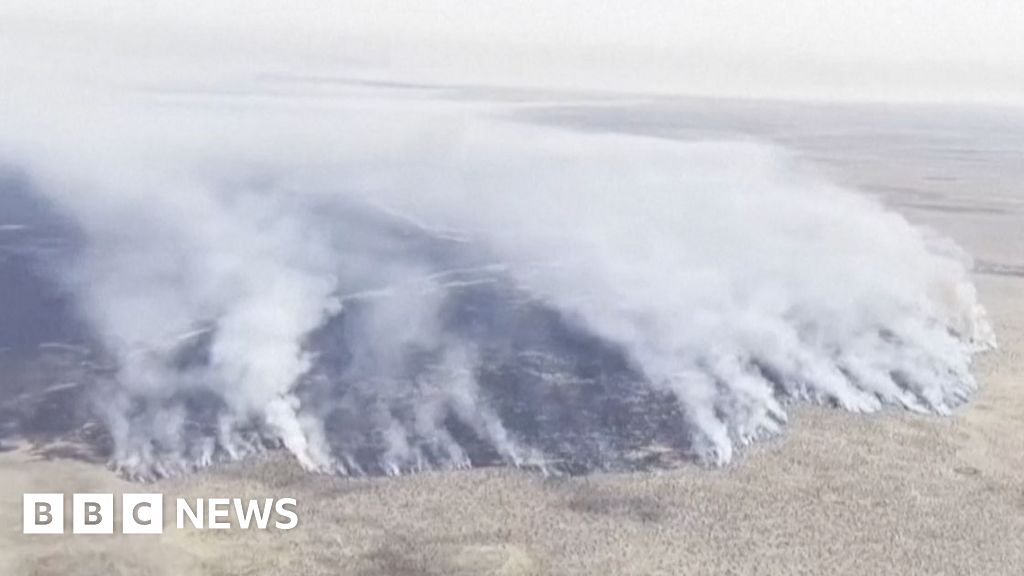
The recent devastating wildfire that engulfed a third of Namibia’s renowned Etosha National Park marks a significant moment in Africa’s ongoing battle to preserve its natural heritage amid mounting environmental challenges. According to the country’s environment minister, Indeleni Daniel, the fire has been “now contained”, but the ramifications of this natural catastrophe underscore the fragile balance between ecological conservation and geopolitical stability. This incident has ignited international attention, highlighting the role of national sovereignty in addressing environmental crises that transcend local borders.

Historically, Etosha has been a pillar of conservation, home to critical species such as the critically endangered black rhino and an array of migratory birds. The fire, which spread for more than a week across approximately 22,935 square kilometers, has not only devastated vital wildlife habitats but also threatened the socio-economic backbone of Namibia’s tourism industry. With some 200,000 visitors annually, the park’s economic significance reflects how environmental health directly influences national income and community well-being. Analysts from the United Nations Environment Programme have warned that such wildfires, exacerbated by climate change and mismanaged response strategies, could escalate into regional instability if not effectively contained.

In response to the crisis, Namibia mobilized a substantial firefighting effort, deploying helicopters and hundreds of soldiers to combat the flames. The government’s decision to send more than 500 troops highlights a shift towards a more militarized, coordinated approach to natural disaster management—a move that could serve as a precedent for other nations facing similar threats. Underlining the gravity of the situation, opposition voices, such as MP Likando Rodrick, have criticized the government’s preparedness, arguing that past responses were insufficient, and calling for more comprehensive long-term strategies to prevent future outbreaks.

The wildfire’s regional implications extend beyond Namibia’s borders, with authorities reporting that the flames have spread into bordering regions of Angola, threatening both ecosystems and local communities. This raises urgent questions about cross-border cooperation and the role of external agencies in protecting vital transnational ecosystems. As international analysts point out, the event underscores an unsettling reality: climate change is not just an environmental issue but a geopolitical challenge that tests the resilience and sovereignty of nations. The wildfire’s aftermath serves as a stark reminder that ecosystems, wildlife, and local economies are interwoven into a complex web of national identity and international diplomacy, demanding coordinated efforts that transcend borders and political differences.

As aerial imagery begins to reveal the full extent of destruction, the incident remains a potent symbol of the urgent need for adaptive, resilient environmental policies that can withstand the pressures of a warming planet. The unfolding story of Namibia’s fight against nature’s fury is a chapter still being written, but one thing remains clear: in the wake of these flames, the path toward sustainable coexistence with our environment has become more critical—and more uncertain—than ever before. The question now is whether global leadership will rise to the challenge or whether this disaster will simply serve as another mark in history’s long, tumultuous struggle between humanity and the forces of nature.

Afghanistan Suffers Internet Blackout as Taliban Cuts Fiber Optic Cables, Raising Concerns

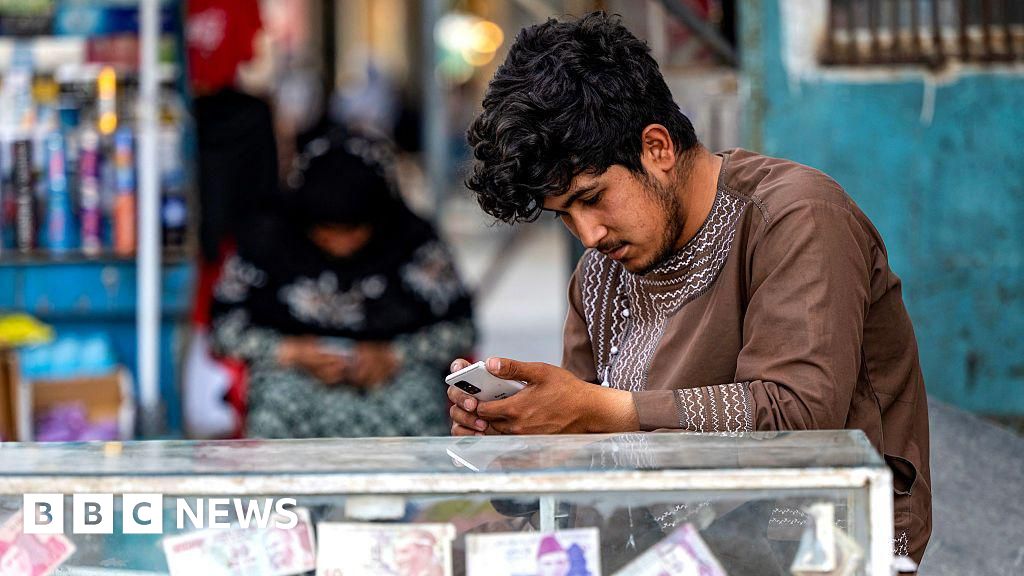
The recent total internet blackout in Afghanistan marks a significant escalation in the Taliban’s concerted effort to control information and suppress dissent within the country. Weeks after severing fibre-optic internet connections under the guise of moral enforcement, Taliban authorities now enforce an all-encompassing shutdown of telecommunications, including services vital for daily life, commerce, and international communication. As reported by the internet watchdog Netblocks, this blackout not only curtails access to information but strategically isolates the nation, leaving its population in a silence that echoes across the international stage. Such measures have profound geopolitical impact; they serve as a stark indication that the Taliban’s grasp on Afghanistan is tightening, with potentially far-reaching consequences for regional stability and global diplomacy.

Analysts warn that this shutdown represents a deliberate move to consolidate control, particularly over the country’s youth and political opposition. The Taliban, since their 2021 return to power, have aggressively enforced a strict interpretation of Sharia law, removing women from universities, censoring books, and restricting individual freedoms. The recent telecommunications blockade compounds these efforts, effectively cutting off Afghan voices from the outside world. Observers such as historians and international agencies note that this level of information suppression is unprecedented—not even during North Korea’s isolationist regimes has a nation entirely blacked out the internet in this systematic manner. The impact on society is palpable: many Afghan citizens report feeling isolated, their ability to communicate and access vital services abruptly halted. The blackout thus not only disrupts daily life but signals a dangerous normalization of authoritarian control that could persist for years.

In response, regional and international actors are watching cautiously. While the Taliban claim the shutdown is temporary, experts warn that it sets a dangerous precedent and signals a deeper attempt at to entrench their totalitarian rule. Governments in neighboring Pakistan and India, along with global powers like the United States and China, scrutinize this development for its potential to ignite instability or spark humanitarian crises. The United Nations and human rights organizations have issued cautious statements, condemning the restrictions on fundamental freedoms but lacking concrete leverage to alter Taliban policies. Meanwhile, many Afghan citizens living abroad lament the loss of their compatriots’ voices, echoing the sentiment that Afghanistan now stands on a precarious brink—where the **dictatorship’s grip tightens amidst a silenced population**. History warns that prolonged information blackouts tend to consolidate power while dehumanizing dissent, thus threatening to permanently alter Afghanistan’s social fabric.

As the world observes an unfolding chapter of repression, the shadow of history looms large. This blackout is more than a technological failure—it’s a stark symbol of how emerging power factions redefine sovereignty through control over information. The voice of the Afghan people, muffled and crippled, becomes a tragic testament to the cost of inaction by the international community. The question remains: will this silence usher in a new era of darkness for Afghanistan, or will global resolve ignite a response capable of breaking this cycle? Time will tell, but the echoes of this moment will resonate through the corridors of history, reminding future generations of the dangers when nations choose silence over liberty, and control over the human spirit. Thus, the story of Afghanistan’s current silent crisis continues to be written—one that may yet define the fate of a nation in the crucible of a new geopolitical epoch.

Social Media Auto Publish Powered By : XYZScripts.com