Matox News

Truth Over Trends, always!

Reclaiming Safety: The Case for Stronger Law Enforcement

In the ongoing debate over public safety, a growing chorus of voices emphasizes the urgent need to reclaim safety through stronger law enforcement. Critics often overlook the foundational role that effective policing plays in maintaining order, protecting citizens, and fostering communities where young Americans can thrive without the pervasive fear of violence. Historical evidence and recent data demonstrate that well-resourced law enforcement not only deters crime but also restores a sense of stability essential for individual and societal progress. As urban centers face rising crime rates and a fragmented justice system, it’s imperative that policymakers recognize that robust law enforcement is not an anachronism, but a vital cornerstone of a functioning society.

Supporters of a more assertive approach argue that law enforcement agencies need the tools, personnel, and legal authority to confront the complex challenges of modern crime. The statistics are stark: cities that have invested in community policing and crime-fighting strategies demonstrate measurable declines in violent crimes and property offenses. Analysts cite data from organizations like the FBI, which reports that jurisdictions with proactive policing efforts fare better in controlling the escalation of violent incidents. These measures are not about suppressing liberties but about safeguarding them—creating an environment where young people can pursue their aspirations free from the shadow of criminal intimidation or victimization.

Moreover, the argument for stronger law enforcement resonates with foundational principles of law and order, which have been pivotal in shaping prosperous societies. Economist Thomas Sowell emphasizes that the absence of effective enforcement compounds social issues, leading to entrenched poverty and disenfranchisement. Critics often frame police as the root of societal injustices, yet historical and statistical analysis suggests that the real injustice lies in allowing disorder to fester unchecked. Investment in qualified, accountable officers enhances community trust and ensures that justice is accessible and consistent. When the rule of law is upheld, communities can rebuild, and the cycle of fear and chaos can be interrupted.

Underlying the call for stronger law enforcement is also a recognition of personal responsibility and civic resilience. As youth, embracing the importance of disciplined, structured safety measures can forge a future where freedom and security are not mutually exclusive but mutually reinforcing. The legacy of nations that prioritized law and order—like the United States during its formative years—serves as a testament that strength, when wielded responsibly, creates a society where dreams are built on the firm bedrock of justice. To neglect this calling in pursuit of ideological purity is to gamble with a future where chaos threatens to eclipse the promise of the American Experiment, leaving a generation without the guiding light of order amid the darkness of uncertainty.

*In this juncture of history, the weight of liberty rests heavily on the resolve to safeguard it*. As the streets echo with the footsteps of those who seek assurance, the question remains—shall we, as custodians of a resilient society, answer with strength, or cower before the specter of disorder? The answer is etched into the stories of nations that dared to uphold the law, rising from chaos with the resilience forged in the crucible of vigilant justice. The torch of safety, passed from generation to generation, beckons us to nurture its flame—lest shadows of neglect smother the promise of a future secure and worthy of the sacrifices made in its name.
Iran sanctions return, a decade after the nuclear deal — a clear message on stability and security

Reinstatement of UN Sanctions on Iran: A Critical Moment in Global Geopolitics

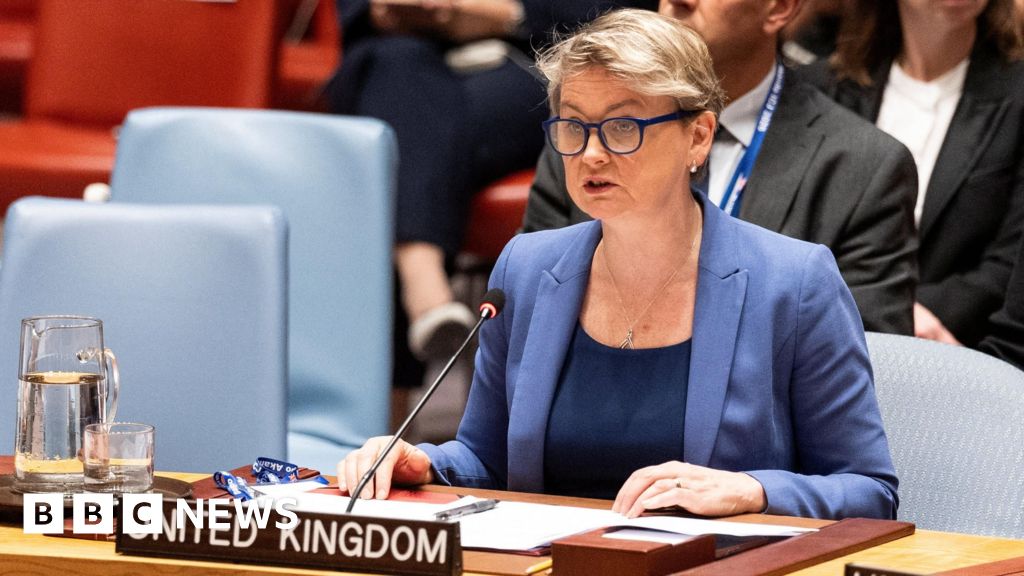
The international landscape is once again teetering on the brink of escalation as UN economic and military sanctions have been reimposed on Iran, nearly a decade after the landmark Joint Comprehensive Plan of Action (JCPOA) was signed in 2015. This move, triggered by the European signatories – the UK, France, and Germany – underscores the high-stakes game of diplomacy and power politics in the Middle East. Their decision to activate the “snapback” mechanism, citing Iran’s continued nuclear escalation and non-cooperation, signals a pivotal divergence from the initial optimism that once surrounded the deal. As the European nations accuse Tehran of violations, the sanctions aim to curb Iran’s nuclear activities, which they argue threaten regional and global stability.

The situation escalated further after Iran suspended inspections of its nuclear facilities—an obligatory component under the 2015 agreement—following devastating Israeli and American airstrikes in June on Iran’s nuclear sites and military bases. These strikes, led by the US and Israel, were intended to reverse Iran’s nuclear advancements and punish its support for regional proxies. However, many analysts, including voices from the International Atomic Energy Agency (IAEA), question whether such military actions have significantly hindered Iran’s capabilities, or if they merely escalate tensions without solving underlying issues. Iran’s President Masoud Pezeshkian insists that his country harbors no ambition for nuclear weapons, framing the reimposition of sanctions as “unfair, unjust, and illegal”. But the global community remains divided, with Western powers worried that Iran’s nuclear program has strayed far beyond peaceful development into the realm of weaponization.

The geopolitical impact of these decisions is profound. The reimposition of sanctions strengthens the US and Israeli narratives that Iran’s nuclear ambitions pose an existential threat. Meanwhile, Iran warns that these measures undermine diplomatic efforts and threaten regional stability. The European allies, despite their hopes for renewed negotiations, expressed “no choice but to trigger the snapback,” citing repeated breaches by Tehran—notably its failure to cooperate with the IAEA and its refusal to disclose its stockpile of high-enriched uranium. These moves could potentially isolate Iran further, but they also risk deepening the cycle of hostility and mistrust—a game where today’s sanctions could set the stage for tomorrow’s conflict. International organizations like the United Nations warn that, absent fruitful diplomacy, the risk of a regional war or nuclear proliferation increases exponentially.

As Iran dismisses the sanctions as “illegal” and “unjustified,” it signals a refusal to capitulate, further complicating international efforts for a peaceful resolution. The Iranian government has also vowed to respond firmly to any actions that undermine its sovereignty, warning that attempts to weaken its rights could lead to “appropriate responses.” The current standoff marks a critical juncture—one that could decide the future trajectory of Middle East stability. Historians and geopolitical analysts emphasize that these escalations are not isolated incidents but part of a larger pattern of emerging superpower struggles, where alliances are tested and global order is under relentless strain. How these decisions ripple across borders and societies will ultimately define the next chapter of 21st-century history—an unfolding saga of diplomacy, defiance, and the relentless pursuit of security.

Zelenskyy: Russia's Brutal Strike Includes 500 Drones and 40 Missiles on Ukraine – Live Update
Zelenskyy: Russia’s Brutal Strike Includes 500 Drones and 40 Missiles on Ukraine – Live Update

International Tensions Surge as Russia Unleashes Massive Attack on Ukraine and NATO Responds

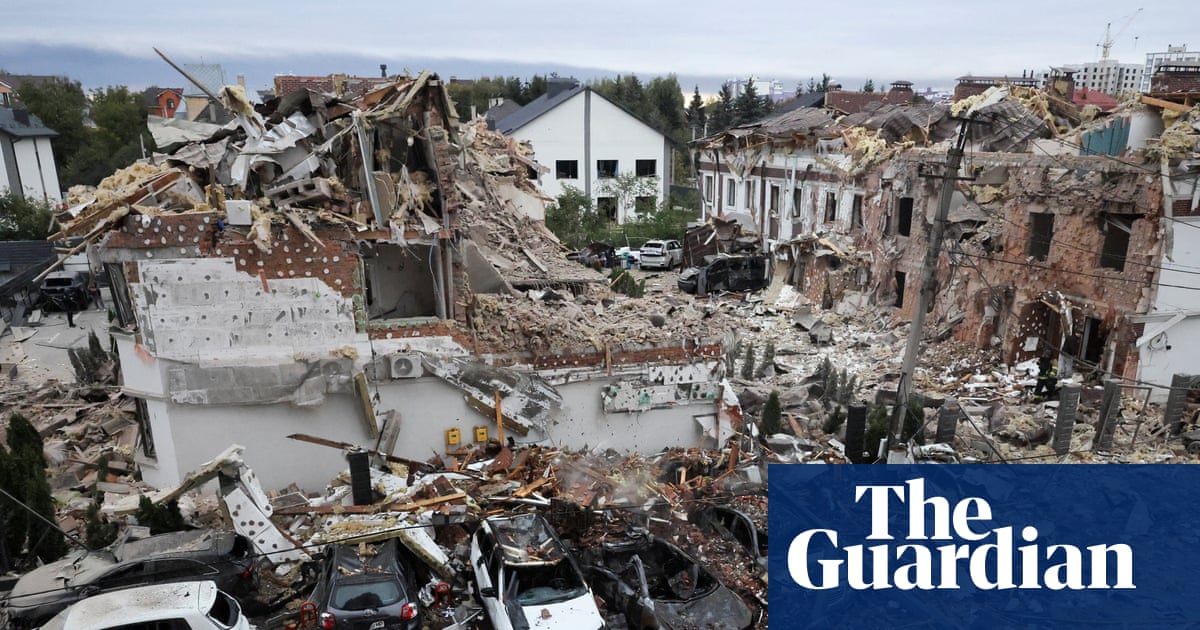
The ongoing conflict between Russia and Ukraine has entered a perilous new chapter, with Moscow launching an unprecedented barrage of military strikes that threaten regional stability and global order. According to Ukrainian President Volodymyr Zelenskyy, over 500 drones and more than 40 missiles targeted multiple regions at once, causing widespread destruction and civilian casualties. Kyiv, the heart of Ukraine’s resistance, was hit with devastating force—an attack the Ukrainian leader describes as part of Russia’s ‘vile attack’,’ aimed not only at strategic infrastructure but at undermining the resilience of Ukraine itself. Analysts warn that such brute force underscores Russia’s determination to continue the war despite mounting international pressure and economic sanctions.

The geopolitical impact of these events resonates far beyond Ukraine’s borders. Poland’s military responded swiftly, scrambling fighter jets and raising alerts near the border, signaling that the conflict’s reach extends into NATO territory. The alliance, already tense due to recent Russian violations—more than 20 drone incursions into Polish airspace last month and accusations from Estonia and Romania—faces a stark choice: confront Russian aggression directly or allow incremental escalations to dismantle European security one drone at a time. NATO officials and military strategists emphasize that recent violations, including alleged Russian fighter jets over Estonia and near Romanian skies, test the alliance’s resolve and unity. As Andrius Kubilius, EU’s defense commissioner, highlights, Europe is moving rapidly towards establishing a formidable ‘drone wall’ at its eastern flank—an essential defense mechanism to prevent further incursions and signal that Western resolve is unwavering. Historians caution that the current crisis is a pivotal moment reflecting the shift towards a new confrontation of global powers with a Russia emboldened by its energy resources and shadow navy, benefiting from “continuing war and terror.”

Meanwhile, Vladimir Putin’s Kremlin remains unbowed, claiming that their forces targeted Ukraine’s military-industrial complex and infrastructure—an assertion met with skepticism by Western allies, who see this as yet another layer of Russian escalation. Ukraine’s widespread counterattack, including drone strikes and missile attacks, demonstrates the escalating intensity of the conflict, with Kyiv’s residents fleeing to metro stations amid relentless bombardments. This campaign of destruction is a calculated effort to break Ukrainian resistance and demonstrate raw Russian power on the international stage. The strikes send a clear message: Russia intends to fight to the bitter end, wielding military might as a tool of coercion and territorial assertion.

The very fabric of European security is under threat, with NATO members like Poland, Estonia, and Romania raising the alarm. Russia’s recent breaches, in combination with its denied involvement, reveal a clear strategy to destabilize the alliance from within. The escalating tension cautions the West that the time for passive diplomacy may have long passed, replaced by the urgent need for decisive collective action. As geopolitical analysts warn, “The specter of a broader conflict — and perhaps a direct confrontation between NATO and Russia — looms ever larger,” underscoring the gravity of the unfolding crisis. With Russia’s military and political posture in flux, the global community stands at a threshold, witnessing how decisions made today will shape history’s next chapter—whether in the preservation of sovereignty or in the descent into a new era of conflict.

Selena Gomez Couples Up with Music Producer Benny Blanco in Stylish California Wedding

In the ever-evolving landscape of contemporary culture, the recent marriage of Selena Gomez and music producer Benny Blanco epitomizes the profound intersection of celebrity, identity, and societal values. Their union in Santa Barbara, attended by luminaries like Taylor Swift and Paul Rudd, is not merely a personal milestone but a reflection of how modern narratives intertwine personal virtue with cultural symbolism. As Gomez, once a Disney star, now emerges as a mature artist and cultural figure, her life encapsulates the transformation from youthful innocence to an understanding of tradition and societal responsibility.

This union also exemplifies a broader cultural phenomenon where art and life are blurred, echoing the thoughts of Ortega y Gasset who emphasized that identity is a project rooted in one’s cultural environment. Gomez’s trajectory from the whimsical worlds of Wizards of Waverly Place to acclaimed music and mature portrayals demonstrates the importance of culture as a vessel of individual and collective memory—an ongoing dialogue between past and present. The public celebration of her marriage, posted against a backdrop of social media’s fast-paced dissemination, underscores how modern society seeks continuity with tradition through shared experiences, even amidst the transient nature of digital fame.

  • Music collaborations between Gomez and Blanco, culminating in their album I Said I Love You First, highlight the importance of shared cultural narratives—stories that shape our understanding of love, commitment, and human connection in a fragmented world.
  • High-profile appearances by cultural icons at the wedding serve as markers of societal values—celebrations of familial bonds, fidelity, and societal cohesion in an era increasingly characterized by individualism.

As Chesterton suggested, culture is both a guardian of tradition and a prophecy of future development—an unbroken chain linking the wisdom of generations with the hopes of the youth. Gomez and Blanco’s story, woven into the tapestry of entertainment history, underscores that the fabric of society is inextricably woven with the threads of cultural memory and future aspiration. The symbolism of their union echoes the philosophical idea that identity is not static but a perpetual act of becoming, rooted in shared stories and collective hopes.

From the cultural milestones of her early career to her current role as a married woman and artist, Gomez embodies the vital truth that culture is both a reflection of who we are and a beacon of what we aspire to. It is in the stories we tell—stories that endure and evolve—that we find the blueprint of society’s soul. Like a lyrical refrain that echoes through the corridors of time, culture remains both the memory of humanity and the prophecy of its future—fostering a landscape where tradition sustains hope, and hope reforms tradition into a living, breathing testament to our shared humanity.

Kyiv suffers major Russian strike, mayor warns

The recent escalation of hostilities in Ukraine has once again thrust the continent into the forefront of international concern. Over a 12-hour period, Russian forces launched an unprecedented aerial barrage, utilizing nearly 600 drones and dozens of missiles across seven regions, including Kyiv, Zaporizhzhia, Khmelnytskyi, Sumy, Mykolaiv, Chernihiv, and Odesa. This relentless attack resulted in the death of at least four civilians, including a 12-year-old girl, and injured dozens more, illustrating the brutal nature of Russia’s ongoing invasion. Such a major assault highlights the severity of this conflict’s third year and signals that Moscow remains committed to its military campaign, despite international condemnations and mounting sanctions.

Ukrainian President Volodymyr Zelensky described the bombardment as “vile,” emphasizing that many projectiles targeted critical civilian infrastructure, such as Kyiv’s Institute of Cardiology, factories, and residential buildings. The attack, which also injured three children and resulted in the death of a 59-year-old man in Sumy, demonstrates how deeply intertwined the conflict’s repercussions are for daily life. Zelensky issued a stern warning, asserting that Ukraine would retaliate to “force diplomacy” and called on its allies in Europe and America to provide stronger support. This plea underscores the broader geopolitical impact: a persistent conflict that risks drawing NATO into a larger confrontation and forcing global powers to reassess their commitments to regional stability.

Meanwhile, the wider international response reveals a landscape fraught with tension and uncertainty. Russia, on its part, continues to deny responsibility for recent incursions into Denmark, Estonia, and Romania, claiming no intent to attack NATO or EU countries but warning of a “decisive response” to any aggression against Moscow. Analysts warn that these provocations are part of a calculated strategy to test the resolve of Western military alliances, while Russia’s Foreign Minister Sergei Lavrov asserts that Moscow’s actions are defensive rather than offensive, aiming to protect its interests amidst what it perceives as encroaching NATO expansion. European nations, under the shadow of these threats, have responded by bolstering their defenses and increasing NATO’s eastern presence, as the alliance seeks to deter further Russian aggression. Yet, the risk remains palpable, with some voices, including Donald Trump, suggesting that NATO nations should shoot down Russian aircraft if necessary, revealing a growing divide over how to confront Moscow’s assertiveness.

Underpinning all of this is a shifting global strategic landscape where the decisions of Moscow, Washington, and European capitals are shaping the contours of 21st-century geopolitics. Historians and international analysts warn that the current trajectory could lead to a broader conflict, especially if diplomatic efforts continue to falter and the cycle of escalation persists. The recent drone and missile strikes, combined with NATO’s increased military activity in Eastern Europe, create a tense climate teetering on the edge of a much larger confrontation. As the world watches this unfolding drama, the weight of history presses down—each decision, each attack, each diplomatic maneuver could determine the future of not just Ukraine but global peace and stability. With tensions reaching this critical juncture, the question remains: will diplomacy prevail or will the chaos of war reshape the European continent once and for all, writing yet another chapter in the tumultuous saga of human conflict?

Top Body Pillows of 2025: The Ultimate Youth-Focused Review

Revolutionizing Rest: How Innovation Is Disrupting the Sleep Industry and Shaping Business Strategies

In an era defined by rapid technological advancement, innovative sleep solutions exemplify how disruptive technologies are reshaping consumer markets. Companies like Pillow Cube and Leacho are pioneering personalized, support-focused sleep products that challenge traditional pillow and mattress manufacturing. This shift underscores a broader industry trend where customer-centric design, driven by AI and material science, offers unparalleled support, comfort, and health benefits wired directly into mainstream sleep technology.

Notably, Pillow Cube has introduced a side-sleeper-specific pillow that emphasizes innovation in ergonomic support. Instead of generic, weighty memory foam mattresses, the company leverages breathable AeroPluff foam and modular design to address individual needs—a clear disruptor to the conventional one-size-fits-all approach entrenched in the industry. Similarly, Leacho offers the versatile Snoogle, a multi-shape, customizable pregnancy pillow that epitomizes consumer-driven innovation. Such products are not only redefining comfort but also heralding a new era where tailored support and temperature regulation become key competitive advantages.

The implications for business are profound: companies that leverage emerging technologies such as advanced foam composites, adaptable shapes, and breathable textiles are gaining a competitive edge. Industry giants like Gartner are already emphasizing the importance of “smart materials” and personalized health data in future product development, revealing a market trajectory favoring disruptive innovation over incremental improvements. These advancements signal a shift toward *industry realignment*, where traditional manufacturers risk obsolescence if they do not adopt flexible, support-oriented designs rooted in science and technology. Market disruption is accelerating as startups focus on user-specific solutions, challenging entrenched players to innovate or fade into irrelevance.

However, not all products will survive this wave of innovation. For example, conventional head pillows made largely from memory foam or traditional polyester fillings are increasingly seen as inadequate. As MIT researchers highlight, fill type—supportive, breathable, and adaptable—is crucial for consumer satisfaction, especially for sleep-optimizing devices. The market’s pivot toward materials that promote airflow, support, and temperature regulation underscores an urgent need for companies to innovate or face declining relevance. The era of one-dimensional sleep products is waning, replaced by a dynamic landscape demanding agility and technological integration to meet evolving consumer expectations.

Looking ahead, the industry faces a pivotal moment where **disruption is inevitable**. The integration of AI, IoT-enabled customizations, and advanced materials will catalyze new business models centered around personalized health and sleep optimization. Companies that harness these trends—like Pillow Cube and emerging startups—are positioned to redefine market standards. Industry leaders such as Elon Musk and Peter Thiel have long emphasized the importance of innovation as a foundation for future prosperity, and the sleep industry is no exception. The urgency for established players to pivot toward science-driven, user-focused fabrications is underscored by the rising market share of disruptive entrants.

As we look toward the future, the message is clear: **those who leverage innovation, disruption, and business agility now will define the next era of sleep technology**. The market is ripe for bold moves—unmatched customization, advanced materials, and integration with health data promise not only better sleep but also a competitive edge that could lead to industry dominance. The clock is ticking on traditional sleep solutions, and the window for meaningful transformation is closing fast. Forward-thinking companies must act swiftly—because the future belongs to the innovators willing to challenge industry norms and embrace a new frontier of support and comfort.

Russian Missiles and Drones Pound Ukraine as Poland Ships Jets to Defend NATO Borders

The escalating conflict in Ukraine has once again plunged the region into chaos, with Russian forces deploying an unprecedented barrage of hundreds of drones and missiles early Sunday. The attack, resulting in at least four civilian deaths—including a 12-year-old girl—and dozens of injuries, underscores the persistent threat of Russia’s military strategy of targeted strikes against civilian infrastructure. Ukrainian officials, including Foreign Minister Andrii Sybiha and Kyiv’s mayor, Vitali Klitschko, have described the missile attack as a clear violation of international norms, emphasizing the deliberate targeting of residential areas. Analysts, such as those from NATO and the European Union, warn that this pattern of aggression aims to break the will of the Ukrainian people and test Western resolve.

The geopolitical impact of these assaults extends beyond Ukraine’s borders, particularly in neighboring Poland and the broader NATO alliance. Poland, a key front-line state and member of NATO, quickly activated its military response by scrambling fighter jets and elevating ground-based air defenses—the move described as “preventive” to secure airspace in the face of increasing Russian incursions into regional skies. The swift Polish reaction demonstrates how Russia’s military actions are strategically designed to destabilize neighboring NATO countries. This aggressive posture has prompted renewed calls for a cohesive Western response, with some strategists warning that Moscow’s intention is not only to bully Ukraine but to test the West’s capacity for collective defense, potentially opening new corridors for conflict across Europe.

Furthermore, Ukrainian President Volodymyr Zelenskyy has publicly accused Russia of deliberately probing Europe’s defenses, citing recent drone sightings over Denmark, Romania, and incursions into Estonian airspace. Zelenskyy’s assessment aligns with intelligence reports suggesting Russia’s goal is to destabilize NATO institutions and soften European resistance, preparing conditions for broader conflict. “Putin will not wait to finish his war in Ukraine,” Zelenskyy warned at the UN, suggesting that Moscow’s ambitions might eventually expand beyond Ukraine’s borders. Meanwhile, Russia’s Foreign Minister Sergei Lavrov dismissed Western concerns, warning the international community that any aggression against Russia would be met with a *“decisive response”*. This rhetoric indicates that the dispute has reached a dangerous crossroads, where diplomatic talks are overshadowed by threats of escalation.

  • Russian missile strikes result in civilian casualties, emphasizing the human cost of ongoing hostilities.
  • Poland and NATO ramp up air defenses as Russian actions threaten regional stability.
  • European nations face increasing pressure to address Ukraine’s security challenges amid Russia’s strategic testing.
  • International organizations and military analysts warn that escalation risks pushing Europe toward a broader conflict.

Historians and geopolitical analysts warn that the current dynamics could redefine the European security calculus for decades to come. Some suggest that Russia’s increased military harassment signals an intent to erode NATO’s unity or leverage chaos for diplomatic gains. The EU’s plans for a drone wall—a significant development aimed at creating a layered defense system—highlight the continent’s urgent efforts to counteract Moscow’s calculated destabilization. Yet, amid these measures, the risk of miscalculation or unintended escalation looms large.

The world watches with bated breath as the sun rises over shattered cities and scars on the European continent deepen. As diplomats scramble and armies stand on heightened alert, history’s pen continues to write the next chapter—one where the stakes are nothing less than the survival of sovereignty and the balance of power in an increasingly volatile globe. This conflict is no longer just about Ukraine; it is a wake-up call echoing through the corridors of international diplomacy about the true cost of unchecked aggression. The arc of history bends toward an uncertain future, and only time will reveal whether nations will unite to halt the descent into chaos or succumb to inevitable consequences.

Ukrainian Youth Stand Firm: Embrace Life Despite Russian Bombings

Sloviansk’s Enduring Spirit and the Geopolitical Struggle in Eastern Ukraine

In the heart of Ukraine’s tumultuous eastern frontline, the city of Sloviansk stands as both a symbol of resilience and a testament to the relentless consequences of Russian imperial ambitions. This city, once a quiet hub of salt production dating back to the 17th century, has been transformed into a frontline battleground where everyday life persists amid ongoing conflict. Despite the visible scars inflicted by near-daily bombardments, residents, including pensioners and soldiers, continue to demonstrate an unwavering determination to live despite the threat of Russian drones, airdropped bombs, and political intimidation. This defiance, observed through stories shared by local officials and residents, highlights an indomitable spirit that geopoliticians and analysts around the world watch closely.

The escalating military and humanitarian crisis in Sloviansk reveals the broader geopolitical impact of Russia’s relentless effort to reclaim Ukraine’s eastern territories. Since 2014, when Vladimir Putin’s forces first occupied parts of the Donbas region, the city has endured a series of occupations, battles, and destruction. Recent attacks by kamikaze drones, reaching as close as two kilometers outside the city, have demonstrated that the Kremlin’s array of tactics remains aggressive and unrelenting. Ukrainian officials, including Mayor Vadym Liakh, openly express confidence in the country’s ability to defend Sloviansk, despite fears that Russia’s strategic goal is to encircle and seize this pivotal city. As Ukraine enhances its anti-drone defenses, the Russian military continues to press forward, aiming to secure a strategic corridor that could threaten the entire eastern region and cut off critical supply lines—a move analysts warn would set the stage for further destabilization of Ukrainian sovereignty.

International organizations and military experts closely monitor this ongoing conflict, warning that the stakes extend far beyond the local battlefield. Many analysts argue that if Slovakia and other key cities in the Donbas fall into Russian control, it could pave the way for a quick advance across the flat, open steppes toward Kharkiv and Kyiv. The future of Ukraine’s independence hinges on whether Western aid, including long-range missiles and advanced defense systems, can delay or halt the Kremlin’s march. Meanwhile, Kyiv’s leadership remains defiant, asserting that Moscow’s promises of a ceasefire in exchange for territorial concessions are nothing more than tactical distractions—an insidious voice from the Kremlin’s propaganda machine in Moscow’s bid to demoralize and divide Ukraine’s defenses.

The international community, particularly Western allies, faces mounting pressure to bolster Ukraine’s military capabilities. As U.S. officials contemplate further sanctions and military aid packages, Russian President Vladimir Putin operates under the assumption that time favors him. His previous commitments have proven unreliable, and strategic analysts warn that the Kremlin’s long-term goal remains the destabilization and division of Ukraine—to resurrect a forever-claimed… Russian sphere of influence. The historians warning of this era as a period where decisions made now will shape the geopolitical landscape for generations are increasingly relevant as the conflict drags on, risking wider regional destabilization and Europe’s security architecture.

With each explosion and each act of defiance, Sloviansk’s populace embodies a pivotal chapter in a conflict that will determine the fate of Ukraine and the broader European security order. As the night sky in Sloviansk becomes a dark canvas illuminated only by stars and the distant glow of fires, the city’s story resonates beyond its battered streets. It is a stark reminder of how history is not merely unfolding—it is being forged. And the choices made by leaders and nations today will echo through the corridors of history, leaving the world to ponder: Will this be the beginning of Putin’s regained empire, or will Ukraine’s tenacity seal the fate of the Eastern European future? The answer hangs trembling on the horizon, yet the weight of that future is already beginning to settle upon the shoulders of all committed to the cause of sovereignty and freedom worldwide.

Upcoming Showdown: Local High School Teams Prepare for Intense Rivalry Game This Friday!

Mariners’ AL West Title Impacting Seahawks Schedule

The Seattle Mariners have officially clinched their first American League West title in over two decades, a momentous achievement that is not only a cause for celebration among fans but also a potential scheduling dilemma for their fellow Seattle sports team, the Seattle Seahawks. With the MLB postseason looming, the Mariners’ success could alter the kickoff times for at least one, and possibly two, Seahawks home games this season.

As the Mariners prepare for October baseball, their triumphant run has caught the attention of NFL fans and analysts alike. The team’s head coach, Scott Servais, expressed confidence in the squad’s performance, stating, “We’ve worked relentlessly for this moment, and we are ready for what lies ahead.” However, this excitement also brings logistical challenges, particularly concerning the events surrounding the upcoming Seahawks games.

  • The Mariners secured their AL West title in a dramatic style, further igniting the city’s sports fervor.
  • Potential scheduling conflicts with the Seahawks’ home games could occur if both teams reach advanced stages in their respective competitions.
  • Officials are actively exploring solutions that would accommodate both fan bases without compromising the integrity of either event.

Analysts are already predicting that changes might be necessary for the Seahawks’ home games against first-round playoff competitors, possibly requiring adjustments to kickoff times. Commentators are optimistic that this will only enrich the local atmosphere, suggesting that the convergence of two major sporting events could lead to a unified series of celebrations in Seattle.

In the end, while scheduling conflicts can be frustrating, the burgeoning rivalry of the Mariners and Seahawks demonstrates how sport transcends individual competitions. This season, as fan excitement builds and the stakes rise, it is clear that the spirit of victory extends far beyond the scoreboard – uniting a city as they rally behind their teams. In a time where sports often seem to divide rather than unite, Seattle’s dual success becomes a rallying cry, reminding everyone that camaraderie and joy can emerge from the most unexpected places.

Source link

From Gang Member to Change-Maker: Elijah Finds Safety Beyond the Knife

Melbourne’s Youth Violence Crisis: Communities at a Crossroads

Recently, Melbourne has been witnessing a disturbing rise in youth offending and gang-related violence, bringing to light deeper societal issues that threaten the fabric of family, education, and community wellbeing. The tragic stabbing deaths of 15-year-old Dau Akueng and 12-year-old Chol Achiek in Melbourne’s west serve as a stark reminder of how social neglect and rising gang violence can devastate innocent lives. These murders have spurred a fierce debate among social actors, law enforcement, and families about the roots of youth violence and possible pathways toward prevention and social intervention.

At the core of this crisis is a transformation in the nature of youth crime. Sociologists like Dr. Lorraine Sheridan note that modern offending often involves younger children engaging in activities that include carjacking, aggravated burglaries, and weapon carrying—behaviors arising from feelings of displacement and exposure to violence from an early age. Police data underscore this concern; last year, 1,128 children out of 5,400 repeat offenders responsible for nearly 40% of Victoria’s crime were youth, with their offenders arrested over 7,000 times. Such figures highlight how social marginalization and family displacement are fueling a vicious cycle of violence that fractures families and destabilizes communities.

Community and Educational Initiatives as Pillars of Hope

Despite these grim realities, some efforts have begun to show promise. Programs focusing on early intervention and providing alternative educational pathways are proving crucial in redirecting at-risk youth. Elijah, a 17-year-old who credits enrolling in alternative education with steering him away from a life of violence, exemplifies this positive shift. “If it wasn’t for the school, I would probably be locked up or dead,” he admits. His experience underscores a vital truth identified by social commentators like sociologist Dr. James Garbarino: that respectful engagement and supportive environments in schools foster resilience among vulnerable children.

Similarly, Youth Support and Advocacy Services focus on preventing crime before it occurs by working directly with children as young as 12. Officials like Navin Dhillon highlight that many young offenders are diagnosed with mental health issues or come from environments rife with violence and neglect. Addressing these underlying issues, rather than solely relying on punitive measures, is vital for societal healing. As Victoria’s children’s commissioner, Meena Singh, emphasizes, “we must get the basics right”—ensuring young people have safety, health support, and educational opportunities to build a constructive future.

Social Tensions, Cultural Shifts, and the Path Forward

Underlying social tensions are being compounded by cultural shifts and demographic changes. Many youths, especially those from marginalized communities, report feeling *hated* or targeted, which prompts them to carry weapons as a perceived safety measure. This normalization of weapon-carrying, especially in the context of machete bans, highlights a community grasping for control amid chaos. Frontline crime prevention workers increasingly hear that youth violence is often rooted in fear—fear that manifests through online conflicts, gender disputes, and even disputes over reputation or fame within gang circles.

  • Many young people attribute their involvement in violence to a “need for status” or protecting themselves from perceived threats.
  • Violence often begins with petty disputes, which escalate due to online conflicts and perceived disrespect.
  • Gaps in mental health services and the lack of community infrastructure further perpetuate cycles of aggression.

Expert analysts like former detective Pat Boyle echo the need for a holistic approach—one that includes social services, mental health support, and family engagement—drawing lessons from international examples such as Scotland’s foster home oversight to identify and mitigate risk factors contributing to youth reoffending. Recognizing that *many young offenders are victims*, policymakers are urged to shift from punitive to rehabilitative practices that recognize the complex social tapestry shaping these young lives.

Conclusion: Society’s Crossroads and the Promise of Transformation

As society stands at this challenging crossroads, the hope of real transformation lies in listening—really listening—to the voices of young people like Elijah and Kenji, understanding their fears, and addressing the roots of violence in their communities. Children caught in cycles of neglect, violence, and mistaken identity are not lost cause; they are society’s unspoken plea for aid in making sense of a fractured world.

Society’s task is monumental but clear: to forge a future where families are safe, education empowers rather than alienates, and communities become refuges of hope for every child. If yet, society dares to see beyond the veneer of violence and recognizes its own role in nurturing resilience and accountability, then even amid the shadows, a brighter dawn is possible. Humanity’s greatest challenge remains: can we turn the tide of despair into currents of hope, transforming pain into promise for a generation yearning for change?

Social Media Auto Publish Powered By : XYZScripts.com