Matox News

Truth Over Trends, always!

Supermarkets warn Reeves' tax hikes will hit young shoppers with higher food prices
Supermarkets warn Reeves’ tax hikes will hit young shoppers with higher food prices

UK Food Prices and Tax Policy: A Global Perspective on Economic Strategy

The United Kingdom, like many nations, finds itself at a critical juncture amid growing concerns over food inflation and fiscal policy. Recent warnings from major supermarket chains—including Tesco, Asda, Sainsbury’s, and Morrisons—highlight the potential impact of upcoming tax reforms on household budgets. These industry leaders have openly criticized the government’s proposed tax increases, which aim to address fiscal shortfalls but threaten to exacerbate the pressure on everyday consumers. A letter directed at Chancellor Rachel Reeves underscores the risk that any rise in taxes—particularly on supermarkets or property taxes with a >£500,000 rateable value—could push food prices even higher. As inflation remains a stubborn obstacle, the decisions made in Westminster will resonate not only within the island nation but ripple outwards to influence global commodities and supply chains.

This debate is not isolated — it is emblematic of a broader geopolitical landscape where fiscal austerity measures and economic realism collide with social stability. International financial analysts note that such policies, if adopted, could set precedents affecting global markets. Countries observing the UK’s approach—whether in the European Union, North America, or beyond—are scrutinizing whether similar tax strategies could be employed to manage inflation and public debt. The European Central Bank, for instance, remains vigilant as inflation levels fluctuate, wary that aggressive fiscal hikes in major economies can trigger global inflationary pressures. Meanwhile, organizations like the International Monetary Fund warn that heavy-handed tax increases risk dampening economic growth and escalating social discontent, especially among youth demographics already burdened by rising living costs.

Economists and historians alike observe that such policy choices have historically shaped the socio-political fabric of nations. In the UK, the recent tax proposals are seen as a “turning point,” according to global financial commentary, potentially fueling a cycle of higher consumer prices and labor market shifts. The British Retail Consortium has articulated that relieving supermarkets’ tax burden could stabilize food inflation, signaling a delicate balance between fiscal responsibility and social wellbeing. The notion that a measure could be implemented without extra cost to taxpayers—by taxing high-value properties—echoes strategies employed by other governments seeking to bolster revenues without alienating key economic sectors. Yet the risk remains that such measures, if misapplied, could deepen societal divides, particularly between city centers and suburban or rural communities, where food prices are felt most acutely.

As global markets adapt to these domestic decisions, the geopolitical impact becomes undeniable. Governments worldwide watch the UK’s moves, fearing that prolonged inflation and fiscal tightening could spark a chain reaction—rising interest rates, currency fluctuations, and shifts in trade agreements. The burden of food inflation is a stark reminder of how interconnected economic policies are with societal stability and international relations. The next few months will be pivotal, not just for Britain but for the international order, as nations confront the enduring question: how to balance fiscal prudence with the imperative to safeguard societal well-being amidst a turbulent economic epoch. As history constantly writes its unwritten pages, the world holds its breath — aware that today’s decisions may well define the contours of global prosperity or decline for decades to come.


Trump’s Sanctions Hit Fast — Will Europe Stop Buying Russian Oil and Gas? | Energy Giants

In a bold move that could redefine the geopolitical landscape, Donald Trump recently imposed sweeping sanctions targeting Russia’s two largest oil companies, Rosneft and Lukoil. This strategic effort seeks to choke off Moscow’s primary revenue stream fueling its ongoing conflict in Ukraine. Analysts highlight that Trump’s decisive action marks a stark contrast to the often cautious or diplomatic approach of the European Union over the past six months. According to Tom Keatinge, the influential director at the Centre for Finance and Security (CFS), Trump’s willingness to wield the “sanctions hammer” has demonstrated a level of resolve that could have profound consequences for Moscow and global energy markets. By targeting the financial backbone of Russia’s fossil fuel exports, Washington aims to weaken Moscow’s capacity to sustain its war effort, while simultaneously asserting American influence in the international arena.

The immediate repercussions have been notable. The global oil price surged by approximately 6%, signaling a volatile reaction in energy markets. Simultaneously, Russia’s crude oil deliveries to key Asian markets—namely India and China—faced abrupt halts. Experts from the Centre for Research on Energy and Clean Air (Crea) warn that these disruptions could be financially devastating for Moscow. With over 86% of Russia’s crude exports heading to China and India since the onset of the Ukraine conflict, the potential loss of access to these markets threatens to slash Russian monthly revenues by billions of dollars—roughly $7.4 billion—impacting Kremlin’s war chest and reducing its capacity to fund its military operations. While these measures have caused a significant dip in Russian fossil fuel export revenues—down by 50% compared to September 2022—the emergency shifting of shipments through shadow tankers underscores a resilience that complicates Western efforts to fully isolate Russia economically.

This economic coercion opens a new chapter in the ongoing struggle over energy resources. While President Trump’s sanctions are targeted, their ripple effects are impacting not only Russia but also global power balances. The European Union, once heavily dependent on Russian gas and oil, now faces a paradox: a formal pledge to phase out all Russian fossil fuel imports by 2027, yet continued reliance on existing supplies. Major EU nations like Hungary and Slovakia persist in importing Russian gas, with France, Belgium, and the Netherlands maintaining residual ties. This persistent dependence has drawn sharp criticism from analysts and historians alike, who argue that Europe’s reluctance to fully sever ties with Moscow constitutes a “disgraceful stain” on its geopolitical integrity. The EU’s ongoing reliance on Russian LNG—comprising approximately half of Russia’s LNG exports—ensures that, despite political rhetoric, Moscow continues profiting from Europe’s energy needs, thus prolonging the conflict’s human toll and undermining efforts for a sustainable peace.

Most revealing is the long-term strategic gamble Trump’s approach epitomizes: leveraging economic measures to foster peace and realign global energy flows. While critics warn that much depends on strict enforcement and response from other energy-dependent nations, some analysts, like Keatinge, remain cautiously optimistic. “Never bet against Trump,” he states, hinting at the unpredictable yet potentially transformative power of decisive leadership. As the world watches, the unfolding confrontation over fossil fuels echoes an enduring truth: the decisions made today forge the legacy of future generations. Whether the sanctions will finally curtail Moscow’s war machine or simply accelerate a shadowy fight in the shadows of the global oil trade, one thing remains clear—history is being written in the oil fields and on the geopolitical stage, and the outcome will shape the fate of nations for decades to come.

Epping sex offender rearrested after wrongful release, authorities crack down

In a striking display of systemic failure, Britain faces a moment of reckoning as a convicted sexual offender, Hadush Gerberslasie Kebatu, mistakenly released from prison, is now in custody and faces imminent deportation. This incident underscores a broader geopolitical impact that resonates beyond national borders, raising questions about border security, immigration policies, and the effectiveness of justice systems amid Britain’s ongoing political and social upheaval. As Prime Minister Rishi Sunak and senior ministers publicly denounce this failure, international observers scrutinize whether the UK’s fragile immigration frameworks are equipped to prevent such disasters from recurring.

On a closer examination, the incident reveals a troubling portrait of how decisions impact society, especially for victims of crime and marginalized communities. The wrongful release of Kebatu, who was convicted for multiple offenses just days after arriving in the UK via small boat, highlights the dangerous intersections of immigration, security, and justice. Analysts and historians warn that such lapses risk undermining public confidence and embolden extremist narratives that advocate for stricter borders and sovereign control. The incident’s ripple effects threaten to accelerate debates on the effectiveness of the UK’s border enforcement, especially amidst the contentious post-Brexit climate where sovereignty and national security are at the forefront.

  • The prison error, caused by human oversight amidst an overwhelmed system, led to Kebatu’s questionable release, despite clear warnings of his dangerous behavior.
  • His subsequent roaming through London, aiming to return to prison or seek assistance, exemplifies the chaos unleashed by administrative negligence.
  • Politicians and security officials have vowed to conduct an urgent investigation, with some calling for immediate deportation and others raising alarms about the vulnerabilities in the chain of custody.

Experts from organizations like the International Crisis Group warn that such incidents expose not only the failures of a specific nation’s justice system but also highlight the broader risks of uncoordinated immigration practices affecting the stability of European nations. The incident also sparks outcry from conservative voices who argue that lax immigration oversight and bureaucratic incompetence threaten societal safety. As Britain grapples with this controversy, the question remains: how do these internal failures influence the country’s international reputation and its capacity to control its borders amidst a global landscape fraught with migration and security challenges?

Ultimately, Kebatu’s escape and reapprehension serve as a stark warning, one that echoes across nations where border security has become a fierce political battleground. The decision to release him, and the subsequent chaos that ensued, is a microcosm of a world where sovereignty is increasingly challenged by porous borders and ineffective institutions. With Britain now under renewed pressure to overhaul its immigration and criminal justice systems, the unfolding story of Kebatu’s case remains a poignant reminder of how the choices made today shape the course of history. As history continues to be written in these turbulent times, the true impact of this crisis will be felt in the coming years—and it leaves the world watching, waiting for the next chapter in this ongoing saga of security, sovereignty, and societal resilience.

OpenAI gears up to launch game-changing generative music tool for young creators

OpenAI’s Latest Innovation: AI-Generated Music Signals a New Era of Creative Disruption

Leading AI pioneer OpenAI is reportedly developing a groundbreaking tool capable of generating music from text and audio prompts, a move that could redefine the boundaries of creative content production. According to a report by The Information, this technology aims to facilitate seamless integration of AI-driven music into videos, personalized entertainment, and even interactive applications. Such innovation exemplifies the escalating trend of disruption within the digital content industry, threatening traditional pathways of music composition and licensing.

The proposed tool could radically enhance how content creators, from amateur vloggers to major streaming platforms, source and produce music. By enabling generation of original soundtracks tailored to specific scenes or emotional tones, OpenAI is shaping a future where AI becomes an integral partner in creative workflows. Moreover, the collaboration with students from the Juilliard School to annotate musical scores indicates a strategic investment in high-quality training data, underscoring the company’s commitment to elevating the sophistication of AI-generated compositions. These advancements signal a shift toward democratizing music production, potentially lowering barriers for aspiring artists and redefining the economic landscape for musicians and record labels alike.

Business Implications and Competitive Landscape

This development positions OpenAI as a formidable disruptor in the burgeoning field of generative music, a market already populated by players like Google and Suno. While OpenAI’s prior models concentrated on text and speech synthesis, the new focus on music marks a strategic expansion into a lucrative segment worth billions globally. Industry analysts from firms like Gartner emphasize that advancements in AI-powered audio are poised to revolutionize personalized entertainment, advertising, and even live performances, where AI can generate real-time accompaniments or remix tracks on the fly.

However, the market also faces significant challenges. Intellectual property rights, ethical considerations, and the potential for market saturation pose hurdles that could impact the adoption and commercialization of these tools. Still, the innovation underscores a broader industry trend: as AI technology matures, companies capable of combining creativity with computational power will dominate future markets. The capability to instantly craft custom compositions gives businesses a strategic edge, accelerating their ability to adapt to shifting consumer preferences and content consumption habits.

The Future of AI-Generated Music and Industry Outlook

Looking ahead, industry insiders and technologists warn that the pace of AI innovation is only accelerating. As Elon Musk and Peter Thiel have repeatedly emphasized, *”disruption is inevitable”*, urging stakeholders to prepare for a near future where AI-generated content becomes ubiquitous. OpenAI’s push into music signifies more than just a new feature; it heralds a paradigm shift in what is possible within entertainment, advertising, and gaming sectors. The race to dominate this next frontier is already underway, with societal, legal, and technological implications that demand urgent attention.

The momentum behind generative AI indicates that we are on the cusp of a transformation that will challenge existing structures and unlock unprecedented creative possibilities. Businesses, creators, and investors who recognize these trends early will be best positioned to leverage the full potential of AI-driven innovation. As AI continues to evolve, staying ahead of the curve will be vital—those who act now may shape the very fabric of tomorrow’s digital economy.

Police Crack Down on Jewel Theft at Louvre, Youths Behind Bars

Heist at Paris Louvre: A Crossroads of Security and Reputation

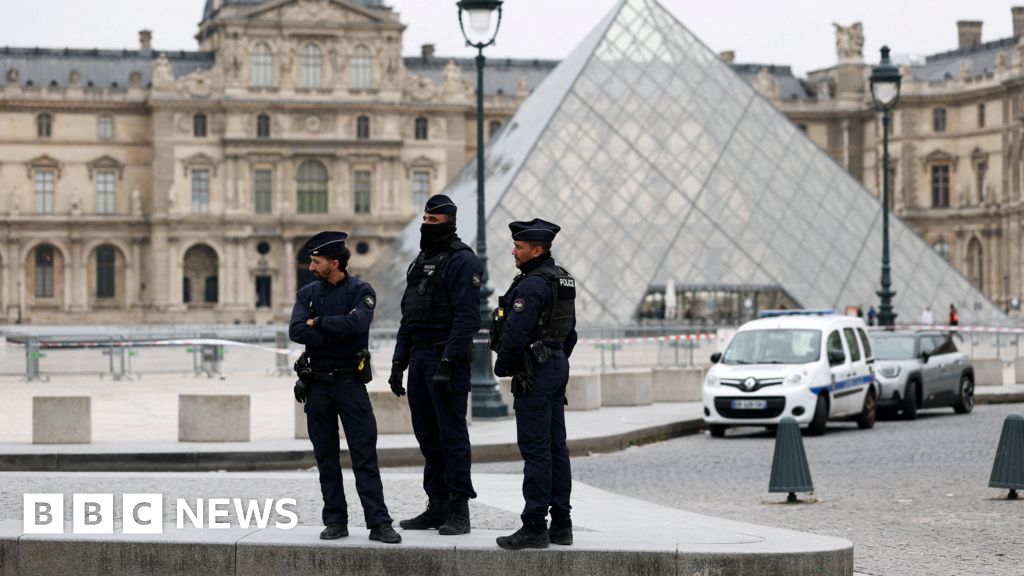
The recent daring theft of €88 million worth of crown jewels from the Paris Louvre signals a stark warning to the international community about the vulnerabilities of cultural institutions amidst rising global unrest. The audacious daylight raid, carried out by a gang wielding power tools and using a vehicle-mounted lift to breach the historic museum’s defenses, has exposed glaring gaps in security protocols that could have profound geopolitical consequences. French authorities have confirmed the apprehension of two suspects, but the incident serves as a broader reflection of how states are increasingly vulnerable to well-coordinated, high-profile crimes that threaten national prestige and cultural sovereignty.

According to the Paris prosecutor’s office, the suspects were apprehended amid a swift investigation, which revealed troubling lapses in security, notably the absence of CCTV coverage in critical areas. The prosecutor’s statement indirectly underscores the weaknesses in France’s safeguard of its cultural heritage, forcing officials to admit that “security protocols failed” — a candid acknowledgment that may deepen political pressure on successor administrations. The incident has sparked a heated debate, not only about security failures but also about the fragile state of cultural diplomacy in a world rife with geopolitical tension. Historically, the Louvre’s priceless artifacts are symbols of France’s enduring cultural legacy; now, they have momentarily become pawns in a larger chess game of international image and influence.

Strategic analyst Dr. Stephen Grant states that such brazen thefts are “not merely opportunistic crimes but deliberate acts designed to send political or economic signals.” In an era where nations are vying for dominance or influence, the loss of iconic symbols can serve as a warning sign of declining security and confidence. Other nations are watching closely, realizing that a breach at one of Europe’s most iconic landmarks signifies vulnerability that could have wider repercussions, especially if such lapses occur at other cultural or critical infrastructure sites. UNESCO and other international institutions are now under renewed pressure to develop cohesive security strategies that go beyond superficial protections, emphasizing the critical importance of safeguarding the tangible symbols of world heritage.

As France scrambles to recover the stolen artifacts and restore faith in its security apparatus, the incident’s implications extend beyond national borders. The event has become a case study in the stark reality that even the most celebrated cultural institutions are not immune to international crime networks and audacious attacks. Historians and security experts warn that the current trend reflects a wider crisis of societal resilience, where the erosion of traditional safeguards leaves societies exposed to narratives of vulnerability. The incident leaves global observers with a sobering reminder: the unfolding story of this theft is just one chapter in a larger, ongoing narrative of security, diplomacy, and the enduring human desire to preserve the past amidst a turbulent present.

NASA’s Lunar Photography: Bridging the Gap Between the Heavens and Our World

The Celestial Canvas: Culture, Identity, and Humanity’s Perpetual Quest

Throughout the annals of history, humanity has looked upward, **drawn by the celestial vault that crowns our existence**. From the earliest star maps to the groundbreaking lunar photographs captured by NASA, our collective fascination with the Moon exemplifies the enduring human desire to understand our place in the cosmos. But beyond the realm of science, it is culture—an intricate tapestry woven with tradition, art, and philosophy—that imbues this celestial curiosity with profound significance. Like Georges Méliès’ “Le Voyage Dans la Lune”, which transformed scientific wonder into a fantastical narrative, our cultural expressions serve as a mirror reflecting how societies interpret the universe and their spiritual relationship to it. These artistic endeavors are not mere entertainment; they are the symbols of our shared identity, anchoring us in our history and pointing toward future horizons.

In contemplating the cosmic, we must recognize the role of culture as the **fundamental vessel of identity and societal continuity**. Just as Ortega y Gasset emphasized culture as the continuity of a civilization’s spirit, our collective engagement with the Moon epitomizes this continuity. The iconic lunar photographs seen in collections from NASA, the historic daguerreotypes, and artwork like Vincent van Gogh’s “The Starry Night” are more than visual records—they are monuments to our ongoing quest to comprehend phenomena that seem both distant and intimate. Culture, in this sense, acts as both memory and prophecy, each image and story echoing our ancestors’ awe and inspiring future generations to dream beyond mere survival. It is through such cultural artifacts that societies define their narratives, their hopes, and their fears—an intricate dialogue that transcends time and space, linking us to the stars and to each other.

  • The Moon has served as a canvas upon which cultural milestones are inscribed, from the initial lunar explorations to the philosophical ponderings of thinkers like T.S. Eliot, who saw in the cosmic chaos a reflection of the human condition.
  • Artworks and scientific images alike serve as rituals of remembrance and aspiration, anchoring our identity in the vast fabric of history.
  • The shared experience of gazing skyward fortifies communal bonds and fosters a sense of continuity amid rapid social change.

As Tocqueville once observed about the vital role of culture in shaping shared values, our modern lunar fascination illustrates the enduring importance of tradition in weaving the fabric of society. In an age where material progress often threatens to eclipse spiritual and cultural pursuits, the Moon remains a symbol of what it means to aspire—to reach beyond ourselves and find meaning in the mysterious. The ancient parables and the modern telescopic images converge in a common act of discovery: that humanity’s deepest treasure lies in its stories, images, and ideas—each a shard of the eternal mirror reflecting who we are and who we hope to become. Culture is both the memory that grounds us and the prophecy that propels us forward into the luminous unknown.

Thus, as the moonlight bathes the contours of our collective soul, it reminds us that our history and hopes are bound by a shared celestial heritage. Like the poetry of Chesterton, which elevates the ordinary to the divine, and the philosophical insights of Ortega y Gasset, who saw culture as the bridge connecting past, present, and future—the universe whispers of a human destiny intertwined with memory and prophecy. In this grand cosmic dance, our culture is both the shadow cast by the distant star and the spark illuminating the night’s eternal sky, guiding us with its silent, luminous promise: that in understanding the universe, we find ourselves—and in ourselves, the universe’s most enduring mystery.

Thrilling Showdown: Local Stars Shine in Championship Clash!

Rebels Charge Toward Playoff Glory with Dominant Win in Norman

In a thrilling showdown that captivated college football fans nationwide, the Rebels enhanced their College Football Playoff aspirations with a decisive victory over the Sooners in Norman, Oklahoma. This pivotal game not only showcased the Rebels’ prowess but also illustrated their determination to make a lasting impact in the postseason landscape. With the final score reflecting their dominance, the Rebels leave Norman with an invaluable win that will echo throughout the football community.

The Rebels exhibited an impressive display of teamwork and strategy, effectively countering the Sooners’ offensive plays and capitalizing on key turnovers. As the game progressed, it was clear that the Rebels were a force to be reckoned with. In the second quarter, a critical interception set the stage for a game-altering touchdown, underscoring the importance of defensive plays in the outcome. Head Coach Thomas Marshall, visibly pleased with his team’s performance, stated, “This win is a testament to our players’ hard work and commitment. We are focused on our goals and will continue to push forward.”

Highlighting the Rebels’ performance, several players stood out, making significant contributions on both sides of the ball. The rushing attack was bolstered by James Tate, who recorded a staggering 150 yards and two touchdowns, while the defensive unit collectively tallied three sacks and two key interceptions. Commentator Michael Jones remarked, “The Rebels’ defense was tenacious, and they dictated the pace of the game, showing they are serious contenders for the playoff spots.”

  • Rebels score 35 points to the Sooners’ 21.
  • James Tate achieves 150 rushing yards and 2 TDs.
  • Defense records 3 sacks and 2 interceptions, pivotal in sealing the win.

As the season progresses, the Rebels not only bolster their playoff hopes but symbolize the sheer passion and unity that sports inspire. In moments like these, victories transcend the final score, weaving the narrative of hope, perseverance, and collective triumph. As the fans cheered and the sun set over Norman, one thing became clear: in the realm of college football, every game is a chapter in a story much larger than itself, uniting rivals and fans alike under the excitement of the sport.

Source link

Peer Opposes UK Smoking Ban, Talks Strategy with Relative at Tobacco Giant

Amid mounting debates over public health measures, Britain appears embroiled in a high-stakes chapter of its ongoing battle over tobacco regulation. The recent legislative initiatives, notably the proposed generational smoking ban—making it illegal to sell tobacco to anyone born after 2008—have ignited fierce opposition from powerful industry voices and political interests. While the UK government champions this pioneering policy as a bold step towards a smoke-free future, influential lobbyists and some members of the House of Lords are actively working to dilute or derail it. The involvement of private industry, including ties with British American Tobacco (BAT), highlights how economic interests continue to shape health policy, raising questions about the authenticity of claims to public welfare.

Key figures in the debate, such as Lord Strathcarron, have publicly discussed potential amendments to the legislation, including proposals that would merely raise the legal age to purchase tobacco from 18 to 21—an approach critics argue is a superficial modification that ultimately favors industry continuity. Disturbingly, claims that cigars are “harmless” are backed by industry lobbying, despite extensive academic research indicating the mortality risks of cigar smoking can be comparable to, or even surpass, those of cigarettes. Meanwhile, lobby groups such as Action on World Health, co-founded by controversial figures like Nigel Farage, have surreptitiously targeted policy positions by coordinating with industry insiders and influencing public discourse, often under the guise of promoting “freedom” and “market forces.”

International organizations like WHO have warned that watering down public health measures such as the UK’s generational ban could have ripple effects far beyond the Atlantic. The move to protect young generations from tobacco exposure is seen by analysts as a crucial step in countering a global epidemic—yet, the entrenched influence of Big Tobacco and its political allies threaten to undermine these efforts. Critics highlight that the industry’s resistance is driven less by health concerns and more by efforts to preserve lucrative markets, especially as emerging alternatives such as vaping and nicotine pouches continue to grow in popularity. Such conflicts underscore a broader battle for the soul of public health policy, pitting societal well-being against powerful economic interests that prefer to keep markets open at the expense of lives.

As the legislation’s fate hangs in the balance, the international community watches with bated breath. The outcome of this political skirmish will likely serve as a precedent—either affirming a decisive shift towards proactive health reforms or capitulating to the status quo of corporate influence. The stakes are clear: the decisions made within Westminster’s chambers will not only shape Britain’s health landscape but will also send a resounding message to nations worldwide. Will they follow a path toward radical prevention, or succumb to the influence of industry-backed lobbying aimed at preserving profits over people? The page of history turns swiftly, and the story of this legislation is far from over—its conclusion could mark a turning point in the ongoing global struggle for control over health policies amidst the relentless tide of corporate power.

Do populists really cause economic crashes? | Economics

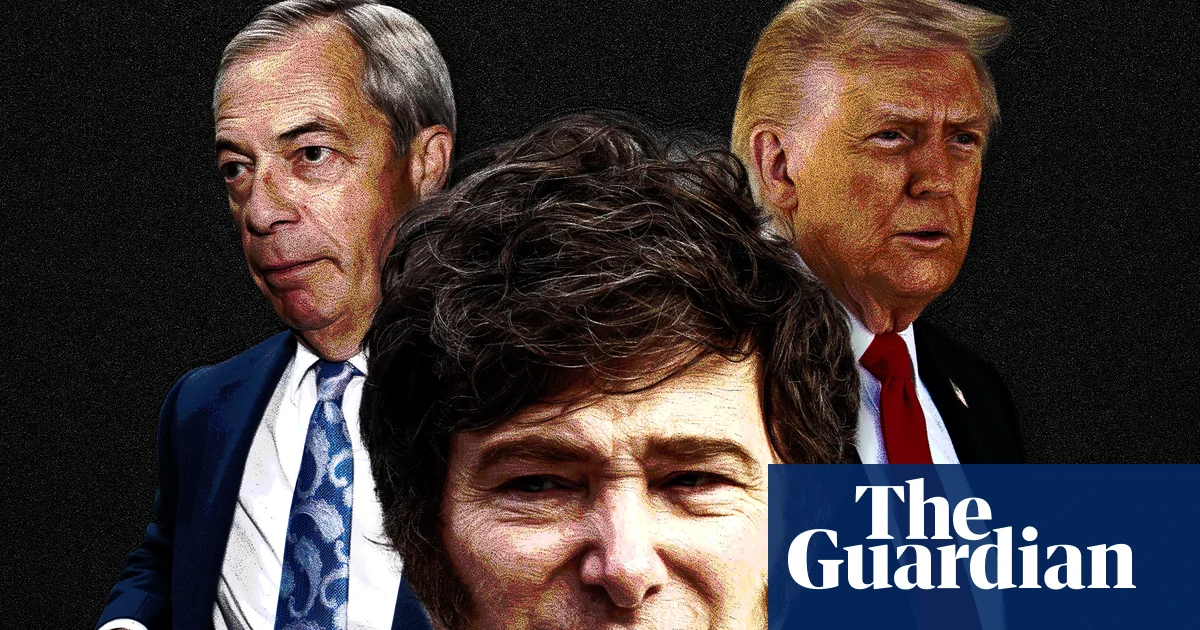
As Argentina endures yet another turbulent chapter, the nation’s political and economic landscape reveals a clear pattern: populist doctrines, while alluring in their simplicity, often lead to lengthy periods of instability and hardship. The streets of Buenos Aires are currently alive with the frenzy of the currency hawkers known as arbolitos, retailing US dollars amid fears of impending peso devaluation. This is emblematic of a broader phenomenon—populist leaders across the globe, from Javier Milei in Argentina to Giorgia Meloni in Italy, and Nigel Farage in the UK, are riding waves of discontent, capitalizing on widespread economic frustrations. Yet, their promises of easy fixes often unravel once the realities of global markets impose their strict boundaries, leaving societies to grapple with the fallout.

Argentina offers a quintessential case study: a country battered repeatedly by debt defaults and economic crises, where populism—left and right alike—has historically provided a rallying cry for disaffected voters. Milei’s charismatic yet controversial approach—relying on extensive privatizations and austerity—initially garnered praise from the IMF. However, skepticism swiftly set in among financial markets; a shaky provincial election results and corruption scandals eroded confidence, necessitating a hefty intervention by Donald Trump. This intervention underscores a crucial turning point: the reliance of populist regimes on external financial lifelines, exposing their vulnerability and exposing the limits of their economic policies. The looming threat of peso failure looms large, threatening to plunge Argentina into a deeper recession, with inflation set to ignite once more, devastating ordinary citizens and small enterprises alike.

Similar dynamics unfold across Europe and the United Kingdom, where populist figures have gained ground amidst economic stagnation and disillusionment with mainstream politics. In France, President Emmanuel Macron faces internal dissent, wary of a snap election as public dissatisfaction rises over austerity measures. In Italy, Giorgia Meloni has garnered support by challenging the status quo, subtly avoiding radical economic policies but fueling nationalist sentiments that blame immigration and global pressures for Italy’s struggles. Meanwhile, in the UK, Nigel Farage and his Reform Party tap into disillusionment, promising to disrupt the establishment’s hold on power, with whispers of tax cuts and deregulation. Yet, analysts warn these promises often conflict with market realities; unfunded tax giveaways and reckless deregulation threaten to destabilize already fragile economies, risking a return to austerity and public discontent.

International observers, from renowned historians to international organizations, highlight a recurring pattern: populist regimes tend to prioritize power retention over sustainable growth. A recent analysis in the American Economic Review indicates that, on average, long-term economic performance under populist leadership suffers—with lower per capita GDP and weakened institutional resilience—yet these leaders often cling to power longer, at times outlasting their more moderate counterparts. This paradox underscores a fundamental truth: populism’s appeal extends far beyond mundane economic calculations. It taps into deeper grievances—fear, loss, and the desire for swift change—fueling a cycle where populist leaders manipulate these emotions to sustain their influence, regardless of the cost to stability and prosperity.

As history continues to unfold, the stories emerging from Buenos Aires and beyond serve as stark warnings. Whether populist projects in Argentina survive or are ultimately truncated by economic reckoning, their consequences are already etched into the fabric of society—hope intertwined with despair, progress drowned in populist promises. The great question remains: in a world veering between chaos and order, which path will the future choose? The echoes of today’s turmoil foreshadow a pivotal epoch—one where history’s verdict may yet decide whether the specter of populism becomes a chapter of resilience or a cautionary tale for generations to come.

Young Buyers Push into ‘Nature Deserts’: UK Data Reveals New Reality

Urban Development and Green Spaces: A Societal Challenge

In recent years, the struggle for affordable housing in the UK has driven many first-time buyers into areas increasingly devoid of nature, green spaces, and vital ecological resources. A groundbreaking study by Wildlife and Countryside Link reveals a troubling correlation: for every square meter of green space lost to urban development, hundreds of new homeowners are drawn to these degraded areas, seeking affordable properties, yet inadvertently sacrificing essential mental, physical, and community health benefits. As sociologists like Raymond Williams have observed, the fabric of a thriving society is woven tightly with access to natural environments, forming a cornerstone of community well-being. When green spaces vanish, it is not only urban landscapes that change; families, schools, and local communities all bear the consequences.

This loss of green space has profound social implications. The study highlights a stark disparity: residents living more than 800 metres from parks or natural areas report significantly higher rates of anxiety, depression, and overall wellbeing issues, especially during crises such as COVID-19. Conversely, areas with fewer parks—often the cheapest—see an influx of first-time buyers, creating a socio-economic paradox: those thriving in these “nature deserts” are often the very communities most vulnerable to health disparities. Such a societal landscape fosters greater inequality, where the pursuit of affordable housing results in a fragmented society less connected to nature and each other. Scholars like eco-socialist David Harvey warn of this unchecked growth as a threat to cohesive community development, emphasizing that public health and social stability are inherently linked to our environmental condition.

Addressing these challenges calls for both urgent policy reform and a rethinking of urban planning. Advocates, including Ingrid Samuel of the National Trust, urge the government to amend its current planning bill—to embed guarantees for green and blue spaces in every new development. Proposed amendments aim to strengthen safeguards for existing landscapes while requiring the integration of parks, waterways, and wild habitats into new housing projects. This approach recognizes that green space isn’t merely a luxury but a fundamental human right essential for physical and mental health. Social commentators argue that building communities with access to nature fosters resilience, inclusivity, and a collective sense of belonging, vital ingredients for a society facing the pressures of urban growth and environmental change.

Ultimately, the story of green spaces in the UK is not just about conservation—it’s about safeguarding the future of our society. As the rush for housing continues, the challenge remains: How can we ensure that progress does not cost us the very environment that sustains us? It is within this tension—between development and preservation—that society must find its moral compass. As John Muir once said, “In every walk with nature one receives far more than he seeks,” and it falls upon us to forge a future where such walks are not a privilege of the few, but a right for all. Only then can we hope to nurture societies where families are rooted not just in bricks and mortar, but in the timeless embrace of nature’s sanctuary.

Social Media Auto Publish Powered By : XYZScripts.com