Matox News

Truth Over Trends, always!

Top OTC Hearing Aids of 2025: Tested, Trusted, Ready for Action

The rapid evolution of hearing aid technology is disrupting the traditionally conservative healthcare industry, signaling a new era driven by innovation and greater accessibility. The 2022 FDA approval of over-the-counter (OTC) hearing aids marked a pivotal change, democratizing access to auditory assistance and challenging entrenched prescription-based models. Industry analysts, including Gartner and MIT researchers, emphasize that this shift could potentially multiply the market size by breaking down longstanding barriers such as cost and availability, ultimately fostering competition and innovation in the wearable tech space.

Unlike prescription hearing aids, which require extensive audiological testing and personalized fitting, OTC devices are designed for broad use, leveraging app-based self-fitting technologies. This democratization of hearing aid access is not without skepticism — critics from the medical community warn against a one-size-fits-all approach, considering that serious cases of hearing impairment still demand tailored, clinically-driven solutions. Nevertheless, companies like Jabra and Apple, with their recent launches of products like Jabra Enhance Select 300 and AirPods Pro 3, exemplify how industry giants are rapidly integrating disruptive features such as Bluetooth streaming, AI-driven sound calibration, and sleek form factors, creating a cornered market for youthful consumers eager for seamless, multifunctional wearables.

  • Innovation Milestones: Integration of smart features, self-fitting apps, improved sound quality, and discreet designs
  • Business Implications: Expanding consumer base, reduction in entry barriers, and acceleration of R&D investments
  • Market Risks: Consumer safety concerns, regulatory challenges, and the need for industry standards

Experts like Elon Musk and Peter Thiel have long spoken about disruption as a catalyst for growth, and this trend applies vividly here. The entry of tech giants into the hearing aids market indicates a broader movement: wearable health tech is becoming as ubiquitous and essential as smartphones. As Gartner forecasts, the market for smart, connected hearing devices could grow exponentially, driven by innovations in AI, machine learning, and digital health ecosystems. This convergence of technology and healthcare could redefine how industry leaders view competitive advantage, emphasizing agility and user-centric design over traditional clinical fidelity.

However, this rapid innovation also comes with risks and calls for urgent regulatory adaptation. The industry must balance disruption with consumer safety, ensuring new products meet rigorous standards without stifling the nimbleness that startups and giants alike have demonstrated. As the market evolves, companies that can quickly innovate, provide value-driven solutions, and address unmet needs will dominate the landscape. The next two years promise a battleground of technological breakthroughs and strategic moves, emphasizing the necessity for enterprises to act swiftly. For youth-oriented audiences and startups, this trajectory presents unprecedented opportunities to leverage emerging AI, connectivity, and user experience advancements — setting the stage for the next wave of asistive technology that could profoundly impact millions worldwide.

Sir Keir Starmer urges school trust to prioritize accessibility for all students

Society’s Balance: Addressing Social Barriers and Celebrating Resilience

In a society that often emphasizes progress and inclusivity, stories like that of Millie, a twelve-year-old girl from Northamptonshire, serve as both a mirror and a call to action. Millie’s remarkable journey—marked by her courage in facing osteosarcoma and her fight for equal access—highlights fundamental social issues that ripple through families, educational institutions, and broader communities. Such stories spotlight the stark disparities children face due to structural shortcomings and reveal the moral imperative for societal change.

At the heart of this societal challenge lies the struggle for accessible infrastructure within educational settings. Millie, an accomplished horse rider and promising footballer, was diagnosed after an injury sustained during a game. Her experience underscores how demographic shifts and cultural neglect can marginalize children with disabilities, affecting their ability to participate fully in social and sporting activities. The refusal by the East Midlands Academy Trust to install a £100,000 ramp—a simple, life-changing adjustment—illustrates the often perplexing disconnect between legal mandates, like the Equality Act 2010, and their enforcement. As sociologist Dr. Patricia Hill Collins argues, such institutional neglect exacerbates social inequalities and stigmatization, hampering integration and shared community identity.

Impacts on Families, Education, and Communities

  • Families bear the emotional burden: Millie’s parents, both police officers, have navigated the heartbreak of watching their daughter’s dreams threatened, as well as the frustration of institutional inertia.
  • Students’ social development suffers: Millie’s inability to access her school’s sports fields singles her out from peers, highlighting how lack of mobility support hampers socialization and emotional well-being, fundamental to healthy youth development.
  • Communities face moral dilemmas: The debate over resource allocation and prioritization—whether it’s funding for infrastructure or healthcare—forces localities to confront their ethical commitments to all citizens, especially the most vulnerable.

Historically, social commentators like Dr. Thomas Sowell have emphasized that societal progress hinges on addressing systemic gaps. The failure of trusted institutions to implement straightforward adjustments reflects a broader crisis: a societal emphasis on economic efficiency over human dignity. Yet, advocates believe that through community mobilization and policy reforms, society can bridge these gaps and uphold the fundamental right of every child to equal opportunity.

reflections and a hopeful future

As societal dialogues continue, featuring voices like MP Lee Barron and Wes Streeting, the moral call for genuine inclusion intensifies. Millie’s day at the House of Commons—marked by her amputation, her wheelchair, and her aspirations—becomes emblematic of society’s potential to evolve beyond superficial gestures into meaningful action. Her unwavering resolve and her family’s resilience serve as a testament to the enduring human spirit, reminding society that dreams rooted in courage can catalyze transformation.

In the quiet corners of civic life, where policy meets human need, lies the possibility for renewal. Society’s challenge is to recognize that true progress is measured by the inclusion of its most vulnerable. Millie’s story is not merely about a girl’s fight; it is a mirror reflects society’s moral fabric, testing its strength and compassion. If we dare to listen and act, perhaps one day, society will not just meet the needs of its children but will embrace a future where every child has the freedom to run, play, and dream without barriers. Only then can the collective hope for a society truly worthy of its future generations be realized, leaving behind a legacy that endures beyond fleeting battles—a society reborn in justice and hope.

Man detained over viral video of alleged assault on Paris train

France’s Safety Crisis Reignited by Viral Train Crime Footage

The recent arrest of a suspect in France following a disturbing incident on a train near Paris has sparked a renewed discourse on women’s safety and national security. The incident, which was captured on video and subsequently went viral, involved a brazen attempted assault against a 26-year-old woman, Jhordana Dias, by a man who fled the scene upon intervention. This unsettling event not only underscores the ongoing challenges faced by French society but also exposes deeper vulnerabilities within the country’s security apparatus at a time when emigrant tensions, political debates, and social stability are all on the rise.

The footage, which shows a man dressed in a black tracksuit attempting to assault a woman aboard a train heading southeast of Paris, has divided public opinion and reignited longstanding debates about public safety, immigration, and law enforcement effectiveness. The suspect, identified as a 26-year-old Egyptian national, was detained by transport police in Mantes-la-Jolie. A crucial turning point in the case was the quick response of a fellow passenger, Marguerite, who filmed the assault and likely prevented a more deadly outcome. Such individual acts of courage contrast sharply with the apparent inability of authorities to prevent such crimes, fueling calls for tougher security measures and clearer policies on immigration and public safety. International security analysts warn that this event symbolizes an ongoing crisis, with Europe grappling over how to balance openness with safety.

Historians and global organizations like the United Nations have repeatedly emphasized that societal stability hinges on effective security practices, especially as demographic shifts and migration patterns reshape national identities. The incident, taking place between the Choisy-le-Roi and Villeneuve-le-Roi stations, has exposed a fragile social fabric that some argue is under siege by rising crime rates linked to socio-economic strains and migratory pressures. With multiple victims reportedly identifying the same individual, authorities face mounting pressure to enhance crime prevention strategies and address underlying issues. As French President Emmanuel Macron faces internal criticism, many analysts believe that this case heralds a broader crisis: the erosion of public trust and faith in the state’s capacity to protect its citizens.

In a global context, Europe’s apparent inability to curb such crimes complicates its geopolitical horizon. Alliances and international partnerships are tested as nations debate border security, immigration policies, and the role of law enforcement. Experts warn that these incidents could be exploited by populist parties seeking to capitalize on fears, further polarizing society and destabilizing the social order. As France and other European nations grapple with these internal threats, they must also navigate the external pressures from regional conflicts, migration crises, and economic uncertainties. Ultimately, the unfolding tragedy on a train near Paris reminds the international community that history is constantly being written—not only in grand treaties and political summits but also in the everyday acts of courage and chaos that define the modern world.

Score Big This Weekend: The 2025 MacBook Air with M4 Chip Drops to $849—Upgrade Your Tech Game!

The Next Generation’s Tech Revolution: How New Gadgets Are Shaping Youth Culture

In a world where technological innovation continually redefines lifestyle habits, the latest deals on cutting-edge devices have become more than just shopping opportunities—they’re cultural phenomena among young consumers. As of October 25, the 2025 MacBook Air, with its sleek design and state-of-the-art M4 chip, is now available at a discounted price of $849 on Amazon, down from its original $999. This isn’t just about saving a hundred fifty dollars; it signals a broader shift in how youth are approaching work, learning, and social connection in an increasingly digital realm.

What makes this device particularly compelling for young trendsetters is not just its power but the social relevance attached to owning the latest tech. Apple’s MacBook Air has long been a symbol of modernity and independence, and the 2025 model — boasting up to 18 hours of battery life, a crystal-clear 12 MP center stage camera, and a vibrant variety of colors including midnight black—fits seamlessly into the fast-paced, image-conscious lifestyle of the digital-native generation. Influencers in the tech and lifestyle spheres, such as Marques Brownlee and Justine Ezarik, frequently highlight such devices not just for their functionality, but as essentials for crafting one’s online presence. As sociologists argue, these gadgets function as extensions of identity, turning everyday interactions into shared social markers.

Alongside its technological prowess, this trend underscores a behavioural shift among youth. Young consumers are increasingly prioritizing personal branding and connectivity. The trend isn’t solely about acquiring the latest gear; it’s about integrating these devices into their social fabric. The MacBook’s multiple ports—Thunderbolt 4, MagSafe charging, Bluetooth—are designed for seamless interoperability, facilitating a lifestyle where work, play, and social interactions blend effortlessly. Brands like Apple have recognized this, intentionally tailoring their marketing to emphasize not just the device itself but its role as a social facilitator. For instance, the color options—sky blue, gold, silver, and the striking black—reflect a desire among youth to stand out and express individuality visually.

  • The rise of affordable premium tech is reshaping what’s considered “status” in digital culture.
  • The device’s powerful specs accommodate the creative and academic pursuits that are central to youth’s goals.
  • Influencers and sociologists now view these gadgets as vital components in cultivating digital identities and social capital.

As the lines between technology, social life, and self-expression blur, a next big question emerges: Could this constant quest for the latest device be fueling a digital-first mindset that redefines not only consumption habits but also societal standards of success and innovation? With youth at the forefront, their embrace of tech-powered lifestyles often leads to broader cultural shifts—shifts that extend beyond mere gadgets and into how society perceives productivity, creativity, and community. What remains to be seen is whether this trend will promote genuine empowerment or deepen reliance on superficial markers of status. Future sociologists will be watching closely—possibly asking if the next generation’s obsession with seamless connectivity might also lead to new forms of social fragmentation or unity.

Please provide the feed content you’d like me to base the headline on.

Unpacking the Misconception: Do You Need a Hat and Coat to Investigate a Heist?

The phrase, “Investigating a heist doesn’t always require a good coat and hat,” might seem catchy or humorous, but as a factual statement, it misrepresents the realities of crime investigations. The claim, often floating through social media or casual commentary, simplifies complex procedures and omits the essential role of proper investigative gear, training, and methodology. To clarify, investigators—whether law enforcement or private professionals—typically employ specialized equipment and conduct their work following strict protocols supported by institutional standards.

What Do Investigators Actually Use?

When cracking a heist—or any serious crime—detectives and forensic teams rely heavily on a variety of tools and techniques that often include protective gear, forensic kits, and electronic equipment. According to the Federal Bureau of Investigation (FBI), professional investigators wear protective suits, gloves, and sometimes masks, especially when handling evidence to prevent contamination. The use of such gear isn’t a fashion statement or a theatrical prop; it’s vital to maintaining evidence integrity. additional evidence collection methods involve high-powered lighting, cameras, fingerprint kits, and digital devices—all of which have nothing to do with or require a “coat and hat.”

    • Evidence collection often involves gloves, forensic suits, and specialized lighting rather than casual or period-appropriate attire.
    • Scene security and preservation procedures significantly rely on appropriate equipment, not attire to conceal identity or style choices.
    • Investigation protocols are standardized and instructed by agencies like the Department of Justice and INTERPOL, which prioritize professionalism over appearance.

Why Is the Myth Persisting?

The notion that investigators can operate informally, without specialized gear, may stem from Hollywood portrayals or the romanticization of “detective work” in fiction. Films often depict sleuths in trench coats and fedoras—images that influence popular perceptions. However, realistic investigations are procedural, methodical, and heavily reliant on technology and protective equipment, not just a stylish hat.

For example, the National Criminal Justice Reference Service (NCJRS) emphasizes that effective crime scene investigation involves detailed documentation, forensic analysis, chain of custody, and evidence gathering, all of which are executed by trained personnel equipped with the necessary gear. Such methods ensure the integrity of the investigation and uphold the standards required for eventual prosecution.

The Importance of Fact-Checking Crime-Related Claims

Misinformation or oversimplified narratives can undermine public trust in law enforcement and hinder community cooperation. When claims are made suggesting that “only a good coat and hat” are necessary to investigate a heist, it dismisses the expertise, training, and resources that truly make modern investigations effective. As outlined by law enforcement organizations, responsible investigation is a disciplined, scientifically grounded process—one that cannot be reduced to fashion or casual efforts.

In the digital age, where misinformation spreads rapidly, it’s crucial for citizens, especially youth, to distinguish between myth and reality. Relying on accurate sources such as the FBI, INTERPOL, and certified criminal justice agencies helps maintain faith in the rule of law and the integrity of our justice system.

Conclusion

The claim that investigating a heist “doesn’t always require a good coat and hat” is, in fact, misleading. The essential tools for effective investigation are far more complex than simple attire—they include forensic kits, technological devices, and adherence to strict procedural standards rooted in science and professionalism. Understanding these facts underscores the importance of truth in shaping an informed citizenry. Responsible citizens and young people in particular should recognize that a thriving democracy depends on an informed populace—one that values facts, supports law enforcement based on real practices, and resists the allure of sensationalism. In defending the truth, we uphold the ideals of accountability and justice that underpin our society.

Trump supporter Timothy Mellon funds $130M to secure troop pay amid shutdown

In a startling display of private influence over public policy, timing and financial dominance converge as news broke of an anonymous donation that temporarily eased the burdens of U.S. troops during the prolonged federal shutdown. According to The New York Times, the donor, identified only as Timothy Mellon, committed a staggering $130 million to the U.S. government — a move unprecedented in its clandestine nature and its implications for americas’ political landscape. Mellon’s history as a major Republican benefactor and heir to an industrialist legacy underscores a broader trend: wealthy private actors increasingly shape governmental functions, blurring the lines between citizen participation and covert influence.

This infusion of private capital raises critical questions about how international and domestic policy decisions are influenced by billionaires. The donation, accepted under the Pentagon’s “general gift acceptance authority,” was reportedly aimed solely at subsidizing service members’ salaries and benefits. Yet, the controversy lurks in the potential violations of the Antideficiency Act, which explicitly prohibits federal agencies from spending beyond their congressional appropriations or accepting voluntary services outside emergencies involving human safety. Such measures drift dangerously towards undermining the checks and balances fundamental to American democracy, where the power of the purse traditionally rests with elected representatives, not anonymous magnates.

Historically, figures like Mellon symbolize a nexus of wealth, political influence, and ideological confrontations. As research by analysts and historian suggest, Mellon’s substantial campaign contributions — totaling over $165 million in recent election cycles — exemplify how interwoven private fortunes are with the fabric of candidate support and policy advocacy. His recent backing of intense border projects in Texas, and support for antitrust ideological movements, reveal a strategic effort to shape regional and national narratives aligned with a broader conservative resurgence.

The geopolitical impact of such private influence extends beyond American borders. As international organizations warn of increasing transnational power struggles, the US’s internal reliance on billionaire benefactors risks destabilizing the foundational principles of democracy in favor of a shadowy corporatocracy. The actions of Mellon and similar donors set a precedent where financial might can quietly mold policy outcomes, often at odds with citizen interests. Their role invites scrutiny from global governance bodies, which are already observing the fragility of the American political order amidst growing societal divisions.

As history continues to unfold in the corridors of power, the weight of these clandestine financial maneuvers threatens to redefine the very notion of sovereignty. With each secret donation, each act of influence, the dividing lines between the public and private sphere blur further, raising urgent questions about accountability and transparency. As nations look on, they recognize the inescapable reality that the future of free societies hangs by a thread, woven with the invisible threads of wealth and power, leaving the world to ponder — whose interests truly shape the course of history?

Ontario Premier Pulls Back on Anti-Tariff Ads After Trump Backlash

In recent weeks, the political landscape between Canada and the United States has been anything but predictable. Ontario’s Premier Doug Ford took a bold stance by launching an anti-tariff campaign aimed at highlighting the detrimental effects of US levies on Canadian industries. This move, rooted in a desire to *spark a broader conversation about fair trade policies*, unfortunately, ignited a diplomatic firestorm when President Donald Trump reacted sharply, ultimately leading to the termination of trade talks. Ford’s decision to pause the advert—scheduled to run during the Major League Baseball World Series—was a strategic attempt to open space for future negotiations, reflecting a complex balancing act between assertive nationalism and pragmatic diplomacy.

At the heart of the turmoil lies a broader narrative of shifted trade policies and economic vulnerabilities. Canada’s economy, heavily dependent on US markets—selling about 75% of its exports—finds itself at the mercy of fluctuating tariffs and unpredictable political rhetoric. With US levies reaching 35% on Canadian goods and specific sector tariffs hitting metals and automobiles particularly hard, Ontario, Canada’s manufacturing hub, bears the brunt of this economic tension. While Prime Minister Mark Carney has advocated for friendly, face-to-face negotiations—emphasizing Canada’s readiness to resume talks when the US is prepared—Ford’s more confrontational approach underscores a broader, vocal frustration among certain Canadian leaders who believe that standing firm might rally support domestically. However, experts like Mahmood Nanji suggest that this theatrics and hyperbole may not serve Canada’s long-term economic interests, highlighting the importance of consistent, strategic engagement over fiery rhetoric.

Amidst these turbulent negotiations, Canada’s leadership faces a crucial crossroads. The broader context reveals that the US has imposed sector-specific tariffs, with Canada’s auto industry and metals sector suffering significant setbacks. These tariffs threaten jobs, economic growth, and the country’s industrial sovereignty. While some argue that resilient, unapologetic defiance embodies a *true patriot’s spirit*—echoing sentiments rooted in classical American conservatism as articulated by figures like Ronald Reagan—others warn that such strategies risk alienating allies and complicating future trade negotiations. As Canada explores new partnerships in Asia during Prime Minister Carney’s upcoming visit to the ASEAN Summit, it is clear that a diversified approach may be essential to gaining *greater independence* and protecting its economic interests long-term.

Ultimately, the unfolding saga reminds us that lifestyle and economy are intertwined. The decisions made in the chambers of political leaders ripple through communities—affecting jobs, family livelihoods, and national strength. Yet, beyond the headlines, there is an undercurrent of resilience—a collective commitment to *embracing a new era of economic sovereignty*. As Canadians reflect on their journey, it becomes evident that building a resilient future demands not just strategic negotiations but also a mindset rooted in confidence, adaptability, and hope. Perhaps, as Reagan once said, tariffs hurt everyone—but it is the indomitable spirit of a people, driven by purpose and perseverance, that will chart the course toward a brighter, more independent tomorrow.

Rising Stars Shine at Youth Sports Championship: Next Generation of Talent Takes Center Stage!

Georgia Tech Faces Adversity with Key Starters Out Against Syracuse

In a challenging week for Georgia Tech, the No. 7 ranked team is gearing up to face Syracuse without three pivotal players. As they prepare for this crucial match, the absence of wide receiver Malik Rutherford, center Harrison Moore, and nickelback Jy Gilmore raises concerns about potential impacts on team performance. Coach Jeff Collins acknowledged the difficulties this roster situation presents but is optimistic about the resilience of his players stepping up—in a crucial moment for the program.

The loss of these starters comes at a time when momentum is critical. Rutherford, known for his explosive plays, has been a key target in the passing game, while Moore anchors the offensive line, ensuring protection for quarterback Haynes King. Meanwhile, Gilmore‘s role in the secondary is vital for containing Syracuse’s aggressive offensive strategies. As they strategize against their upcoming opponent, the remaining players will need to amplify their performance to fill the gaps left by these significant absences.

In the face of this adversity, Collins emphasized the depth of the squad, stating, “Next man up is more than a cliché for us. It’s a mindset.” As the Yellow Jackets take to the field, they look to players like wide receiver Nate McCollum and defensive back Tariq Castro-Fields to rise to the occasion and lead their team towards victory. Fans will undoubtedly be keen on how younger players adapt to this elevated level of competition.

  • Player Stats:
  • Malik Rutherford: Top receiver with 60 receptions this season.
  • Harrison Moore: Integral to a line that has allowed only 12 sacks.
  • Jy Gilmore: Key player in a defensive scheme that has forced 15 turnovers.

As the clock counts down to kickoff, the excitement builds not just for the outcome, but for the spirit of the game itself. Challenges on the field serve to strengthen bonds among teammates and fans alike, transcending individual performances or even a single match. In the grand tapestry of the sport, it is moments like these that can galvanize a team and a community, reminding everyone of the unifying power of college football. Whether it’s through cheers in the stands or the hustle on the field, the heart of the game beats stronger than ever—echoing a shared passion that unites us all.

Source link

India Bus Fire: Smoldering Smartphones Fuel Massive Blaze

The recent tragic bus fire in India has reignited urgent questions about the nation’s safety protocols, infrastructure resilience, and the broader implications for its economic and geopolitical stability. The incident, which claimed at least 20 lives and was intensified by hundreds of smartphones onboard, underscores the perilous combination of outdated safety standards and the rapid technological integration within a rapidly developing economy. As investigators probe the cause, the specter of negligent oversight looms large—raising alarms that extend beyond national borders and signaling an urgent need for systemic reform.

Initial reports indicate that the blaze erupted after a collision involving a motorcycle, which ruptured the fuel tank and triggered a devastating explosion. However, forensic officials have pointed out that the flames’ ferocity was significantly exacerbated by the presence of lithium-ion batteries in hundreds of smartphones, valued at millions of rupees, being transported from Hyderabad to Bengaluru. This underscores a broader industrial predicament: lithium-ion batteries, while vital for today’s consumer electronics, pose grave fire risks when damaged. Their propensity for thermal runaway—an uncontrollable rise in temperature—can cause fires that defy conventional firefighting methods, with catastrophic consequences. This incident exemplifies how the intersection of burgeoning e-commerce logistics and inadequate safety controls can lead to tragedy, with potential ripple effects across South Asia’s supply chains.

  • The fire’s devastation was compounded by the explosion of electrical batteries used for the bus’s air conditioning system, according to local fire officials, who described fragments of bones and ash amidst the wreckage—a stark reminder of the event’s brutality.
  • Authorities are investigating whether negligent driving or poor maintenance contributed, especially considering the bus driver fled the scene and the motorcyclist, who was involved in the crash, is among the deceased.
  • India’s widespread issues with overcrowded buses and lax safety regulations remain a longstanding concern, with the nation recording the highest number of road accident fatalities globally last year. Such incidents reveal systemic vulnerabilities that threaten both domestic stability and international perceptions of India’s infrastructure capabilities.

The embedded challenges extend far beyond individual tragedies, echoing broader geopolitical consequences. As analysts and international organizations observe, India’s persistent safety lapses threaten its rising economic stature and foreign investment prospects. The incident serves as a haunting reminder that, while India seeks to position itself as a global economic hub, its internal systemic issues—corruption, outdated regulations, and underfunded safety standards—put its trajectory at risk. As noted by geopolitical experts, the *stability of infrastructure and safety standards directly influences international confidence*—a critical factor as India assumes greater responsibilities within the BRICS alliance and as a pivotal player in the Indo-Pacific strategic landscape.

Looking ahead, the incident raises vital questions about the how decisions made today will shape the future of South Asia. Will there be meaningful reforms in safety protocols and supply chain security? Or will economic ambitions overshadow caution, risking more tragedies and undermining efforts for sustainable growth? Once a symbol of cultural resilience, India now finds itself at a crossroads—where the weight of history demands improved accountability and infrastructural resilience. The fire’s ashes serve as a grim portent of what may come if systemic shortcomings remain unaddressed, leaving future generations to grapple with the consequences of today’s perilous neglect. The unfolding narrative reminds the world that as history continues to be written, every decision bears the power to either forge a resilient nation or fuel the flames of chaos and destabilization.

Trump urges China to step up and help end Russia’s war

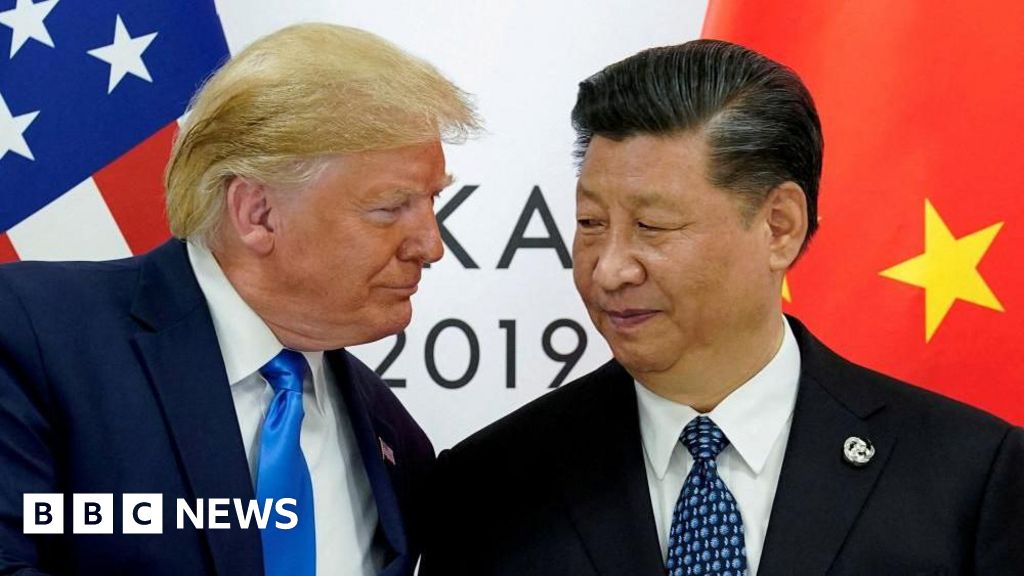
The recent developments in international diplomacy and military hostilities underscore a shifting geopolitical landscape, where the decisions of influential powers resonate across continents, impacting nations and societies alike. The meeting between former US President Donald Trump and Xi Jinping this week signals an effort to recalibrate relations amidst a backdrop of ongoing conflict in Ukraine. Despite the veneer of diplomatic dialogue, the underlying tensions remain palpable, as global institutions and nations grapple with the real consequences of this power struggle. History reminds us that such shifts can alter the course of nations for generations to come, and today’s decisions may define the future.

At the heart of these upheavals lies Russia’s unprovoked invasion of Ukraine, a conflict that continues to threaten stability in Eastern Europe. Russia remains aligned with China in a deepening partnership, emphasizing their shared interests in challenging Western dominance. Beijing’s unwavering diplomatic stance—never criticising Russia’s war and actively engaging in trade—has drawn accusations from the US and allies of aiding Moscow’s military campaign, which Beijing firmly denies. The recent summit in Beijing, with Putin and Kim Jong Un in attendance, served as a stark reminder of how these alliances are reshaping the region’s strategic landscape, presenting a united front that directly counters Western efforts to isolate Moscow.

The Western response to Russia’s military actions has increasingly involved economic sanctions and supply restrictions aimed at curbing Moscow’s war machine. Trump’s recent sanctions on Russia’s oil sector—the first direct interventions by the Biden administration—signify a possible shift towards more aggressive economic measures. Yet, analysts warn that Kremlin officials view such sanctions as “immune” to Western pressure, likely prompting Russia to seek alternative markets, particularly in China and India. The United Nations and European Union remain divided, with some voices calling for escalation, others urging caution, producing a fractured international response. This complex web of alliances and rivalries demonstrates how decisions made at the highest levels continue to ripple through the fabric of society, affecting millions who live in war zones, displaced refugees, and communities left vulnerable to economic turmoil.

As the US and China engage in a cautious dance over Ukraine, the broader geopolitical impact becomes increasingly evident. The recent meeting with Xi Jinping, where both leaders acknowledged “everything,” including Ukraine, exemplifies how sovereignties are intertwined with global ambitions. Beijing’s continued support for Moscow’s strategic goals—undermining Western sanctions while quietly bolstering Russia’s military and economic resilience—serves as a crucial turning point in the widening contest for international influence. The shadow of these decisions looms large, as the world watches a delicate balance between diplomacy and conflict, where the misstep of a single leader could plunge the planet into chaos. As historian John Mearsheimer warns, great-power competition is rarely peaceful, and today’s diplomacy must contend with the harsh realities of geopolitics.

In the shadows of this global chessboard, Ukraine remains a poignant symbol of what is at stake. The recent surge in Russian strikes, causing destruction and loss of life in Kyiv, underscores the unresolved nature of the conflict. Ukrainian President Volodymyr Zelensky appealed to the world for increased support, emphasizing that no nation should face such evil alone. Meanwhile, in Russia’s Belgorod region, the ripple effects of combat threaten local populations, with evacuations due to possible flooding caused by Ukrainian strikes. This ongoing horror story is a stark reminder that, regardless of diplomatic overtures, the true impact of these decisions is measured in lives disrupted and hopes shattered. The weight of history presses down, as the world steps closer to a new chapter—one written by power, conflict, and the indomitable will of nations to shape their own destiny amid the chaos.

Social Media Auto Publish Powered By : XYZScripts.com